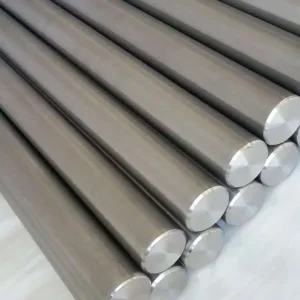
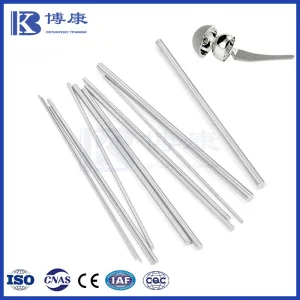
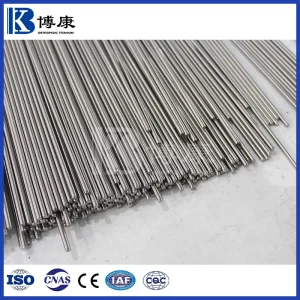
As the healthcare industry shifts towards more bio-compatible and long-lasting implant materials, Medical Grade Niobium has emerged as a revolutionary metal. Historically overshadowed by titanium, Niobium is now recognized for its superior corrosion resistance and physiological neutrality. Globally, the demand for Niobium-based alloys in medical devices is growing at an unprecedented rate, driven by aging populations and the need for high-performance surgical instruments.
Niobium's unique ability to form a stable, protective oxide layer makes it ideal for long-term implantation. Unlike traditional stainless steel, Niobium does not release toxic ions into the body, significantly reducing the risk of allergic reactions or implant rejection. This makes it a preferred choice for cardiac pacemakers, neurostimulators, and cochlear implants.
Exceptional physiological inertness, ensuring zero toxicity and seamless integration with human tissue and bone structures.
Highly resistant to body fluids and chemical processing, maintaining structural integrity over decades of use.
Vital for the manufacturing of MRI (Magnetic Resonance Imaging) superconducting magnets and advanced neural sensors.
Hangzhou Retra Medical Co., Ltd. is a leading manufacturer of high-performance medical metals and orthopedic implants, specializing in Medical Titanium, Stainless Steel, CoCrMo, Tantalum, and Nitinol. With a strong commitment to research, development, and precision manufacturing, Retra Medical has become a trusted partner for hospitals, clinics, and medical device companies worldwide.
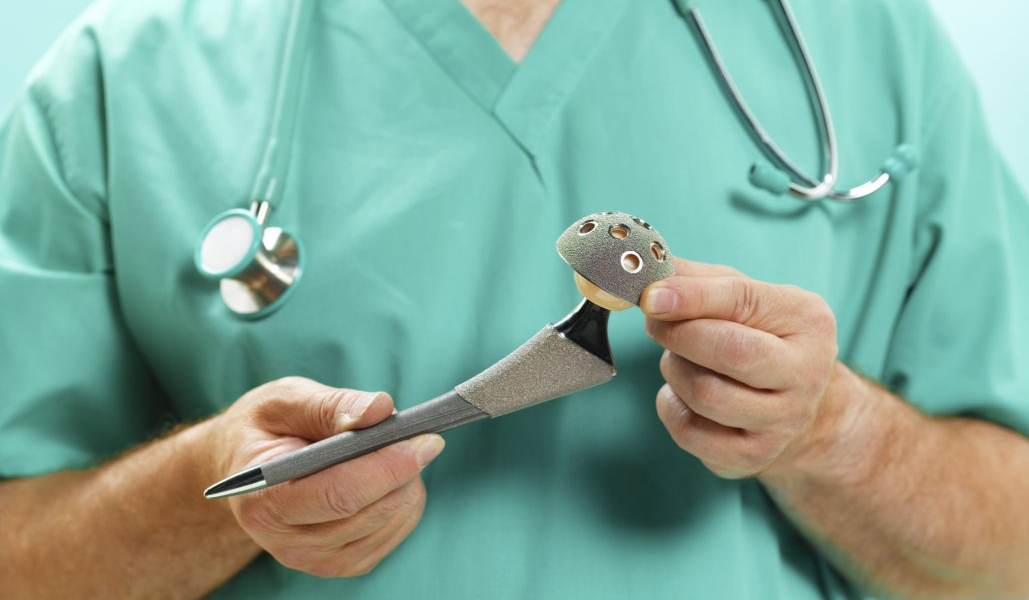
The company offers a comprehensive range of orthopedic and surgical implants, including joint replacement components, spinal systems, trauma plates and screws, maxillofacial reconstruction devices, and custom implant solutions. All products are manufactured using surgical-grade metals that ensure biocompatibility, durability, and corrosion resistance, meeting the stringent standards of the global healthcare industry.
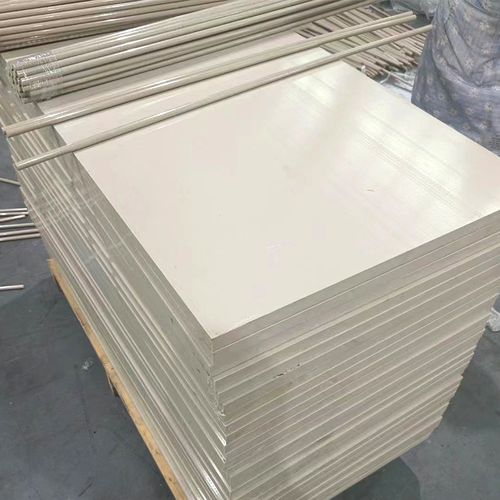
The medical metallurgy industry is undergoing a digital and material transformation. We are seeing three primary trends:
1. Miniaturization: Demand for ultra-thin Niobium foils and micro-wires for minimally invasive surgeries.
2. Additive Manufacturing: The rise of 3D-printed Niobium scaffolds that mimic bone density.
3. Smart Alloys: Development of Shape Memory Alloys (SMA) that respond to body temperature.
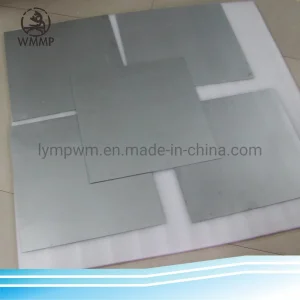
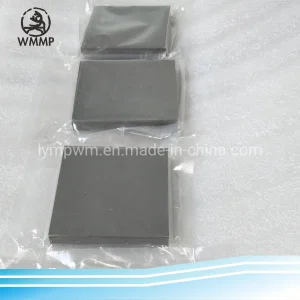
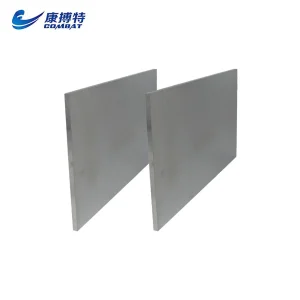
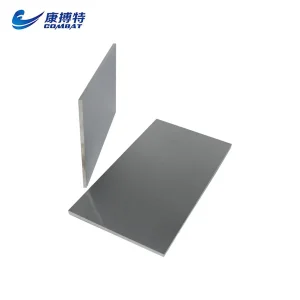
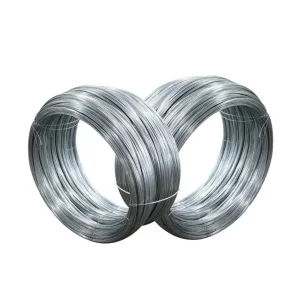
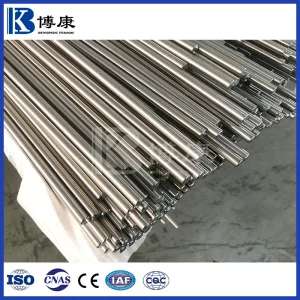
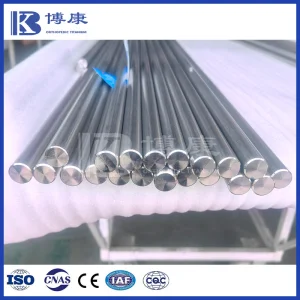
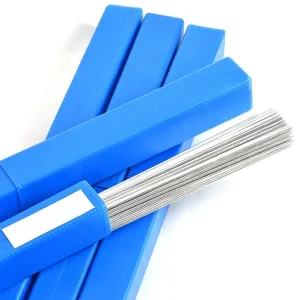
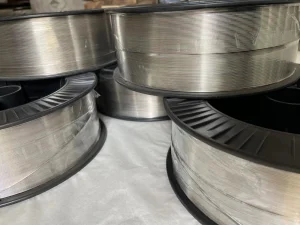
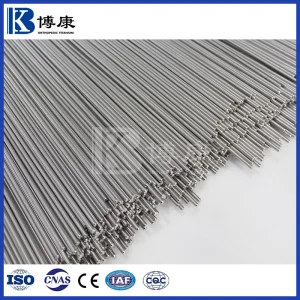
As a specialized manufacturer, we have optimized our production lines to meet these trends. Our Niobium sheets and wires are processed through vacuum electron beam melting to ensure purity levels exceeding 99.95%, meeting ASTM B393 and other international medical standards.
Why do global buyers choose Hangzhou Retra Medical? The answer lies in the synergy between advanced technology and supply chain efficiency. Located in Hangzhou, a hub for high-tech innovation, we leverage China's vast industrial ecosystem to offer competitive pricing without compromising on medical-grade quality. Our localized application support ensures that clients in Europe, North America, and Southeast Asia receive products tailored to their specific regulatory environments (FDA, CE, NMPA).
Retra Medical emphasizes innovation and quality control, combining advanced production techniques with rigorous testing to ensure every implant delivers reliable performance and patient safety. The company also provides customized solutions tailored to specific clinical needs, supporting minimally invasive surgery, complex trauma repair, and long-term implant success.
Guided by the principles of "quality first, innovation-driven, customer-oriented," Hangzhou Retra Medical has earned an excellent reputation both domestically and internationally. With a dedicated R&D team, modern production facilities, and professional after-sales support, the company continues to advance the orthopedic and surgical implant industry, providing safe, high-quality, and reliable solutions that improve patient outcomes and support healthcare innovation worldwide.
Electrodes made from Niobium wires are used in Deep Brain Stimulation (DBS) to treat Parkinson's disease, providing stable signal transmission.
Niobium-Titanium alloys are increasingly used for joint replacements due to their low elastic modulus, which prevents "stress shielding" in bone tissue.
Pure Niobium sheets are utilized for protective coatings on dental implants to enhance osseointegration and prevent galvanic corrosion.
 Retra Medical