Basic Information
Transport Package
Standard Export Packaging
Specification
0.5-200mm*500-2500*500mm-100000mm
Capacity
10 Tons Per Month
Product Introduction
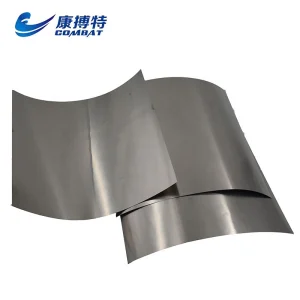
Our niobium sheets are cold rolled and vacuum annealed with proprietary reduction rates to ensure ideal metallurgy. Each sheet undergoes a stringent inspection for dimensions, surface finish, and flatness.
Niobium sheet is the lightest refractory metal (density 8.57 g/cc) and has a high melting temperature (2,468ºC). This property allows its alloys to provide structural solutions at high temperatures: higher than 600ºC in nickel based alloys and as high as 1,300ºC in niobium based alloys.
Niobium sheet has physical and chemical properties similar to those of the element tantalum. It resists corrosion as it forms dielectric oxide film. The metal starts to oxidize rapidly in air at 200 ºC. Below -264ºC, niobium exhibits superconducting properties. It conducts high densities of electrical current resistance-free, creating magnetic fields and forces that yield important practical applications in medical diagnostics, materials research and transportation.
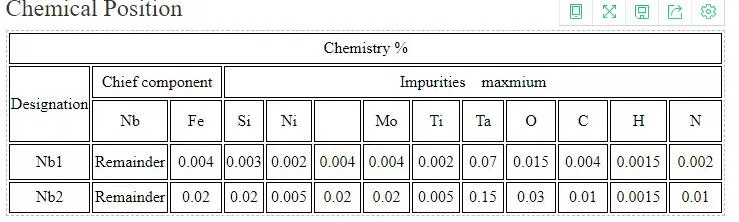
Chemical Composition & Specifications
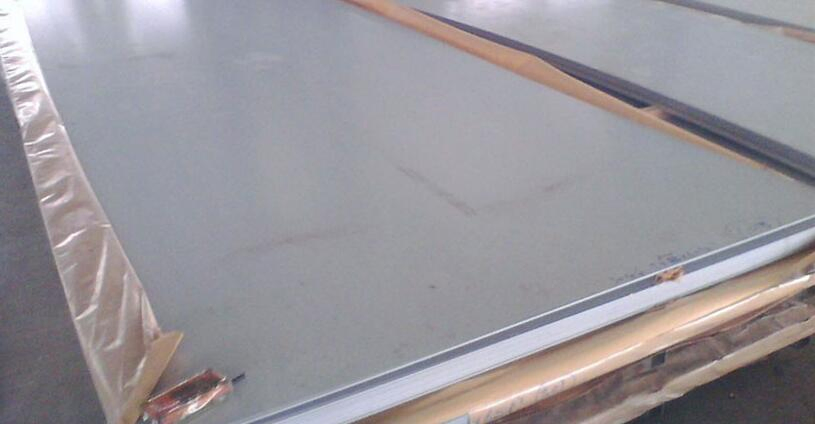
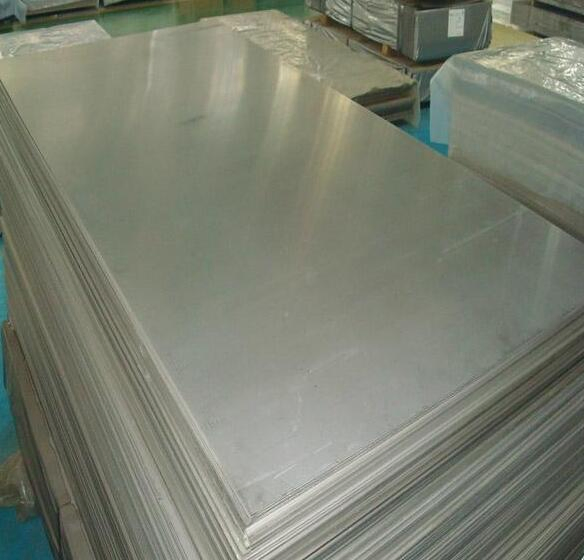
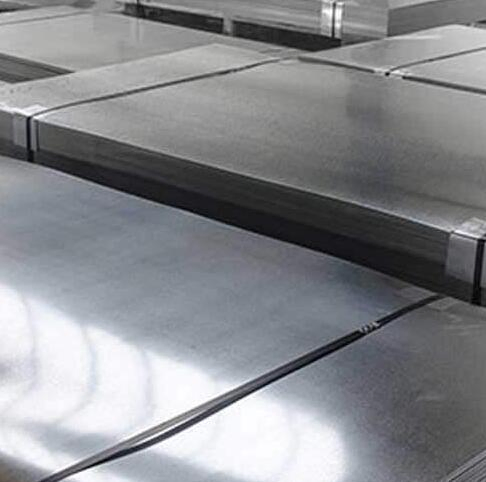
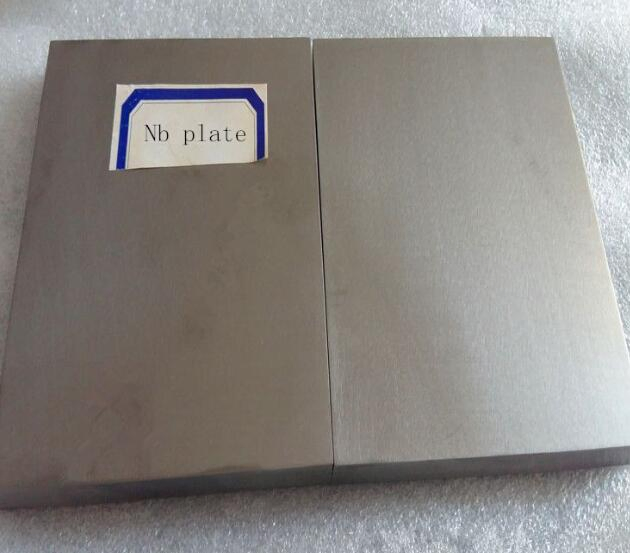
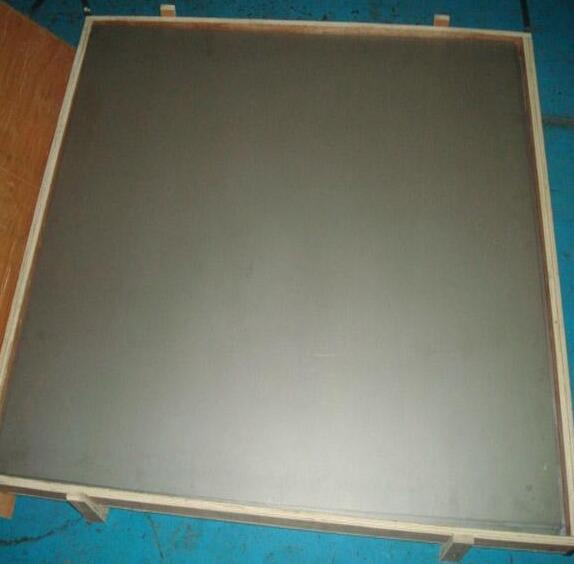
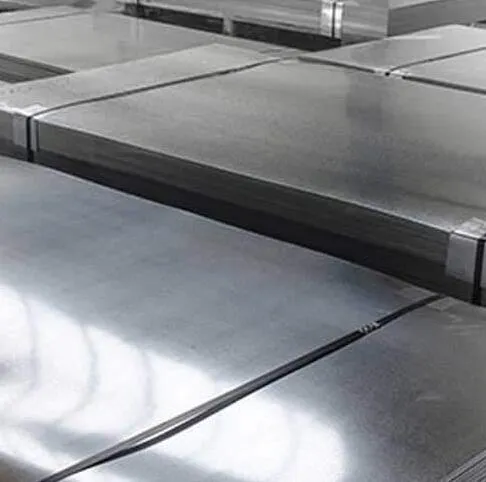
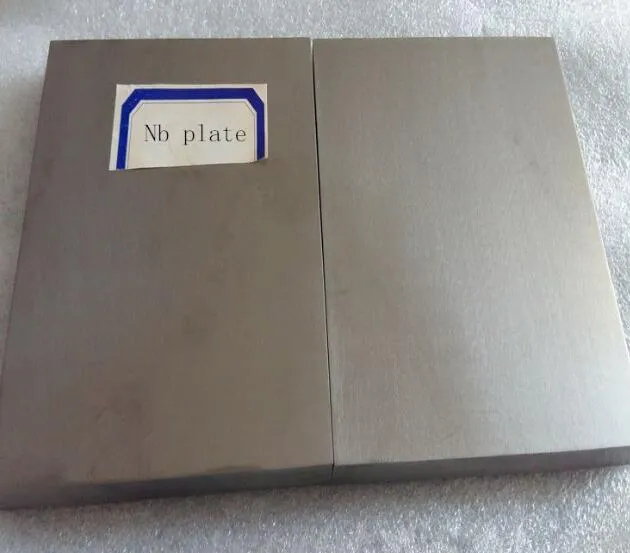
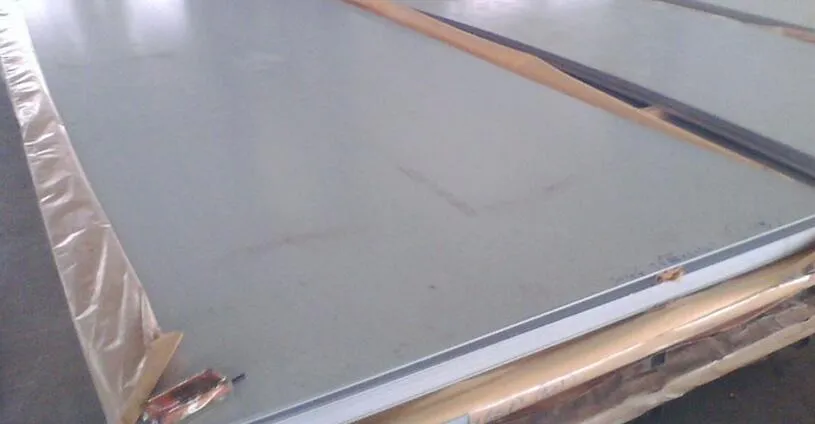
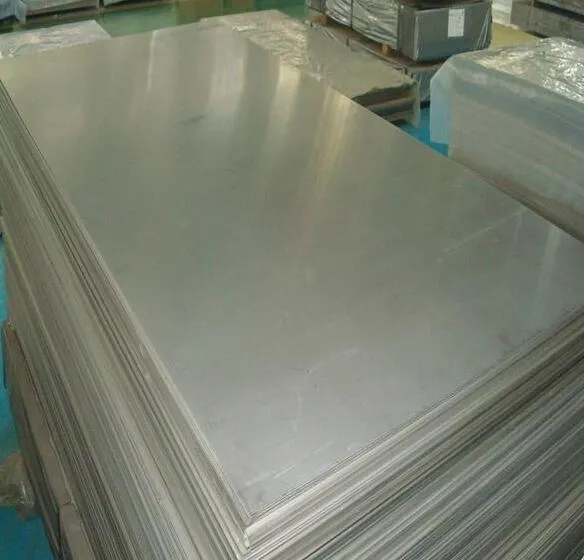
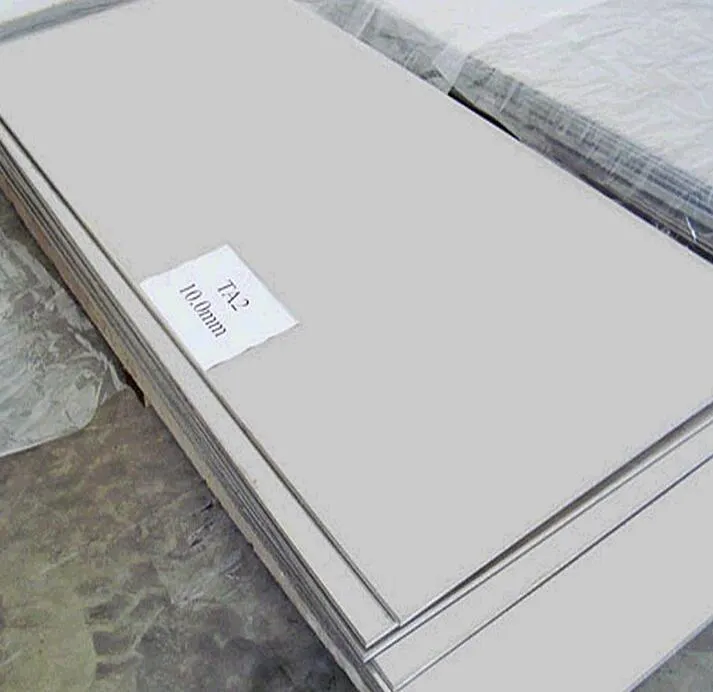
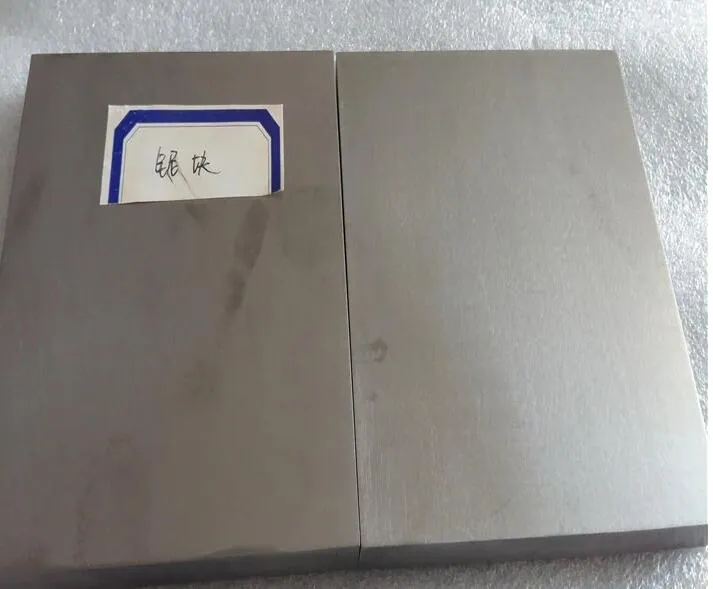
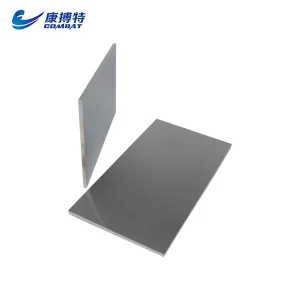
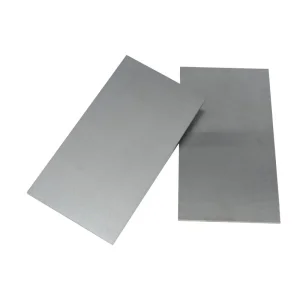
Product Appearance
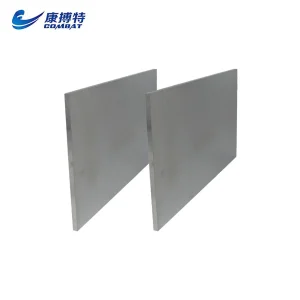
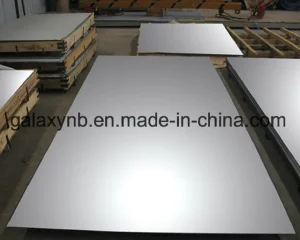
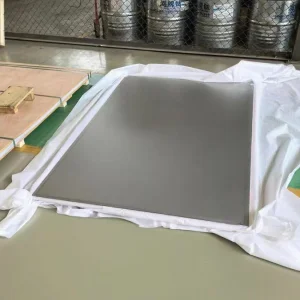
- Shape: Plate / Sheet / Board
- Colour: Silver
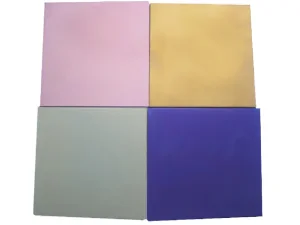
- Surface: Mill Finish, Not Polished
- Options: Polished or Per Requirement
Key Applications
Widely used in chemical, electronics, aviation and aerospace fields. Our niobium titanium alloys and ultra-high purity niobium sheets (R04220 RRR Grade) are engineered for:
- Superconductor and Supercollider
- Industrial Synthetic Diamonds
- Thin Film Coatings (Glass & Fiber Optics)
- Deep Draw Applications
- Chemical Processing Equipment
- Commercial Lighting (Sodium Vapor)
- Medical & Jewelry Fields
- Aviation & Aerospace Structures
Core Advantages
Excellent Corrosion Resistance
Forms a stable dielectric oxide film to protect against harsh environments.
Heat Effect Resistance
Maintains structural integrity and provides solutions at extremely high temperatures.
Product Display
Frequently Asked Questions (FAQ)
Q1: What are the primary characteristics of Niobium sheets?
A: Niobium is the lightest refractory metal with a high melting point of 2,468ºC. It offers excellent corrosion resistance, superconductivity at low temperatures, and superior heat resistance.
Q2: At what temperature does Niobium start to oxidize?
A: Niobium metal begins to oxidize rapidly in air when the temperature reaches approximately 200 ºC.
Q3: Why is Niobium used in superconductors?
A: Below -264ºC, Niobium exhibits superconducting properties, allowing it to conduct high densities of electrical current without resistance, which is essential for medical diagnostics and particle accelerators.
Q4: What surface finishes are available for Niobium plates?
A: We offer mill finish (not polished), polished surfaces, or finishes customized according to specific customer requirements.
Q5: Which industries commonly utilize Niobium sheets?
A: They are widely used in chemical processing, electronics, aviation, aerospace, thin-film coatings for optics, and high-energy physics research.
Q6: What are the typical dimensions for Niobium sheets?
A: Standard specifications range from 0.5-200mm in thickness and up to 2500mm in width, with lengths adaptable to various project needs.
 Retra Medical