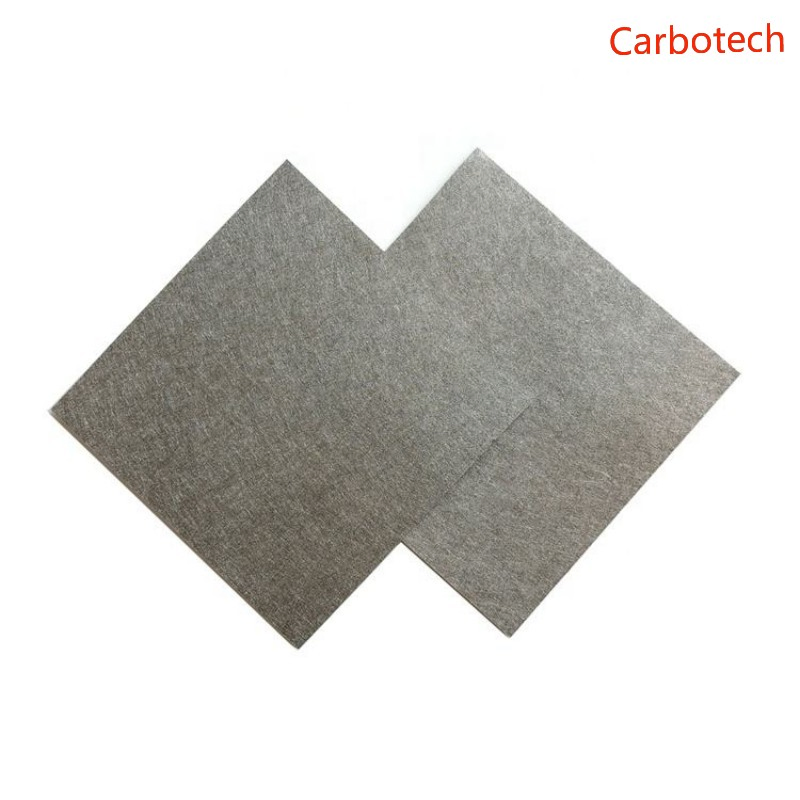
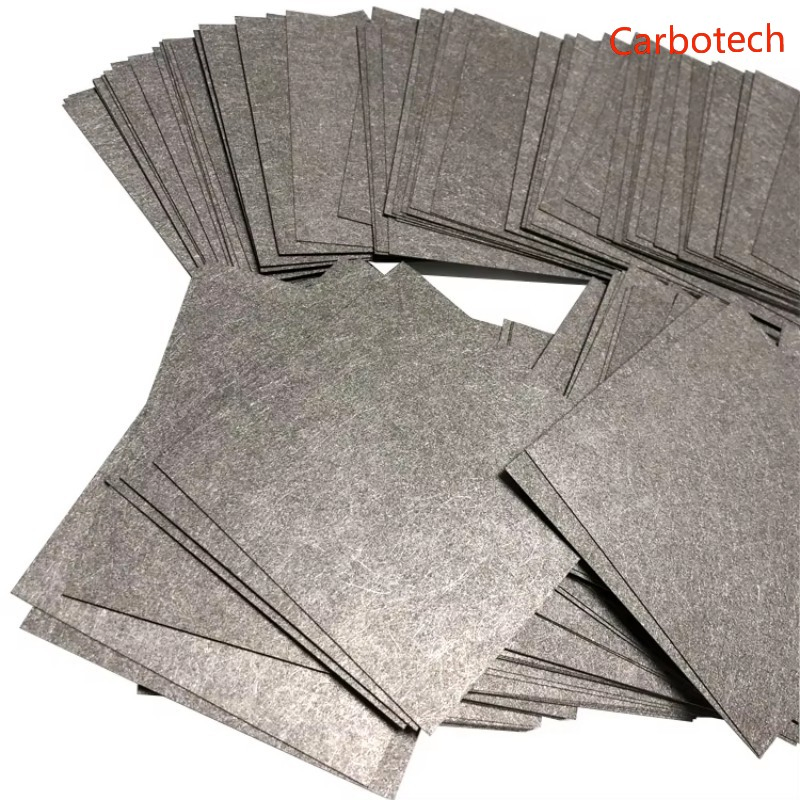
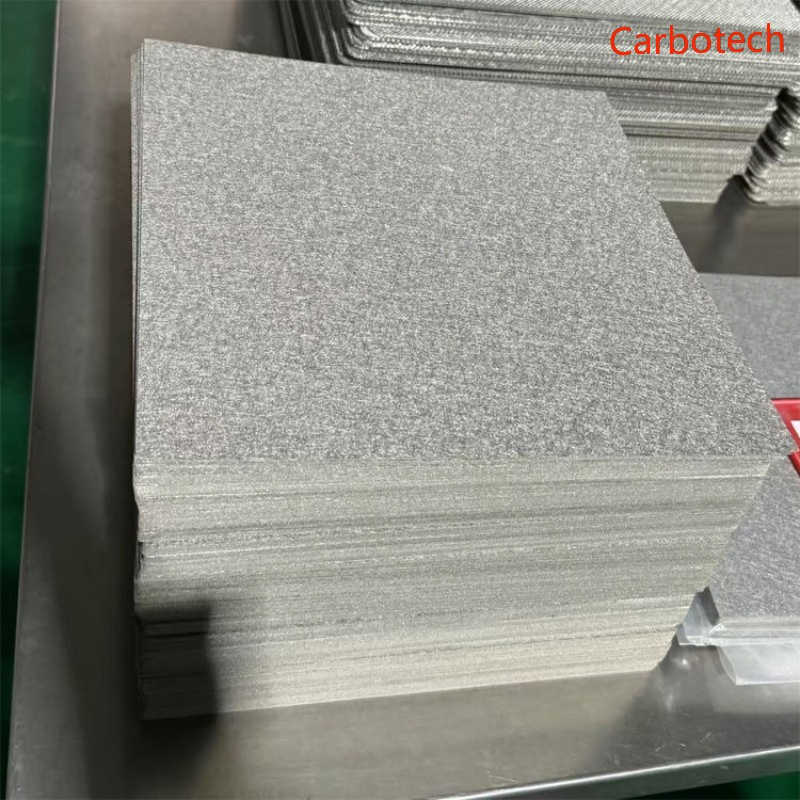
0.2-3.5mm Thickness Titanium Fiber Fabric Flow Battery Titanium Fiber Sintered

Still deciding? Get samples of $ !
Request Sample

Product Description

📊 Basic Information
Model NO.
Ti-200x200mm
Usage
Solid Filter
Type
Filter Elements
Structure
Multilayered
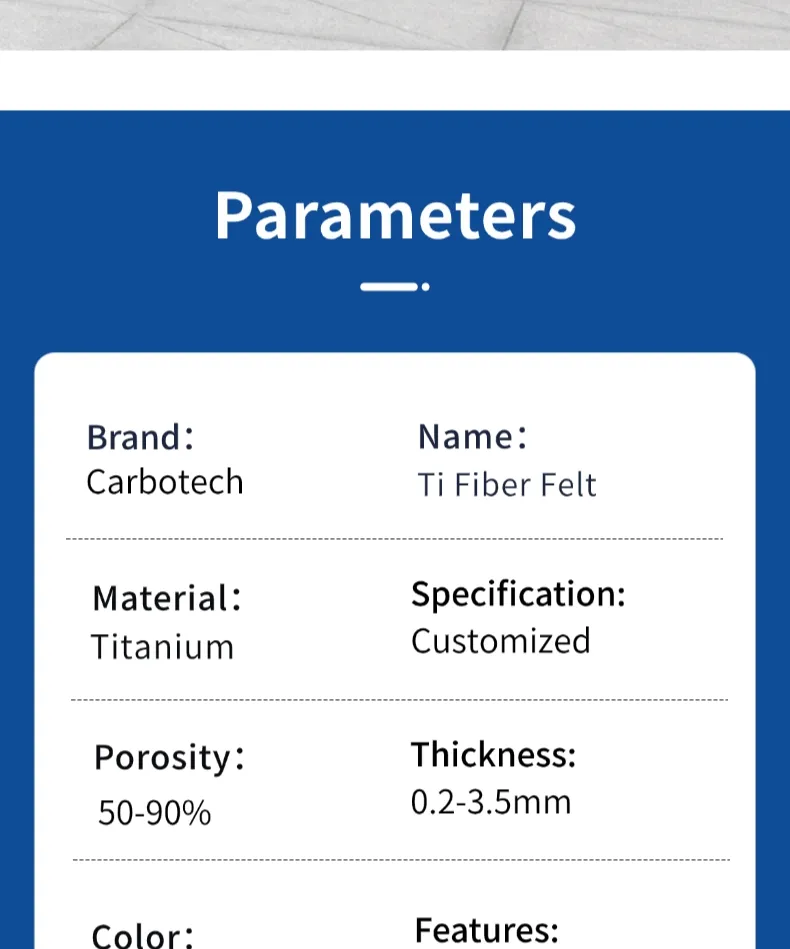
Porosity
50-90%
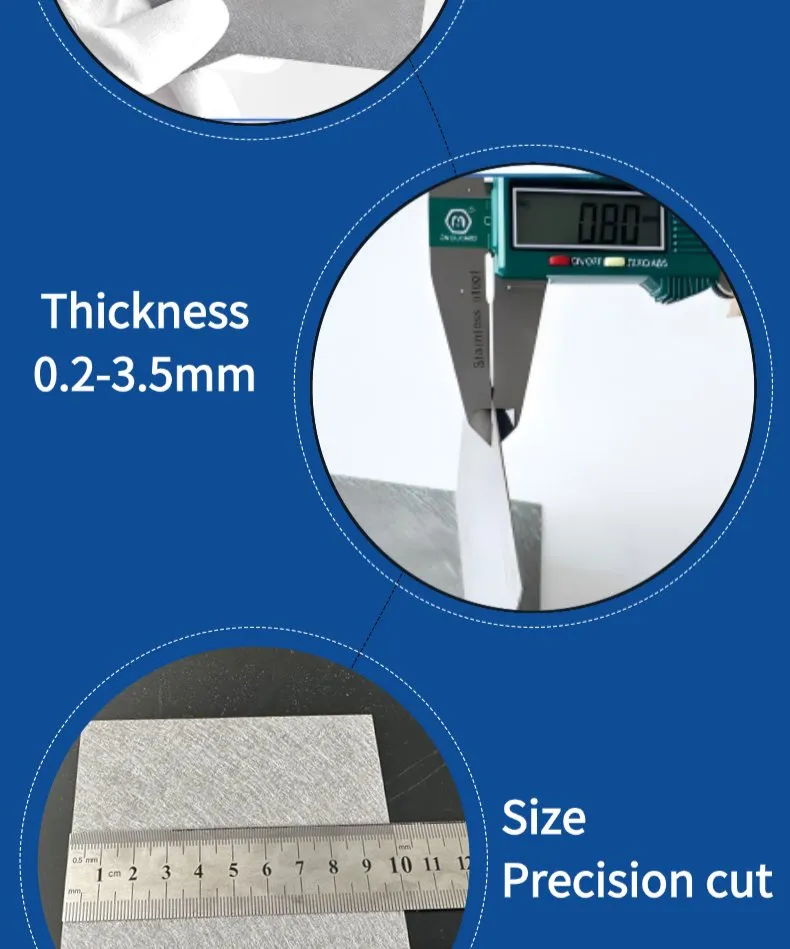
Thickness
0.2-3.5mm
Process
Vacuum Sintering
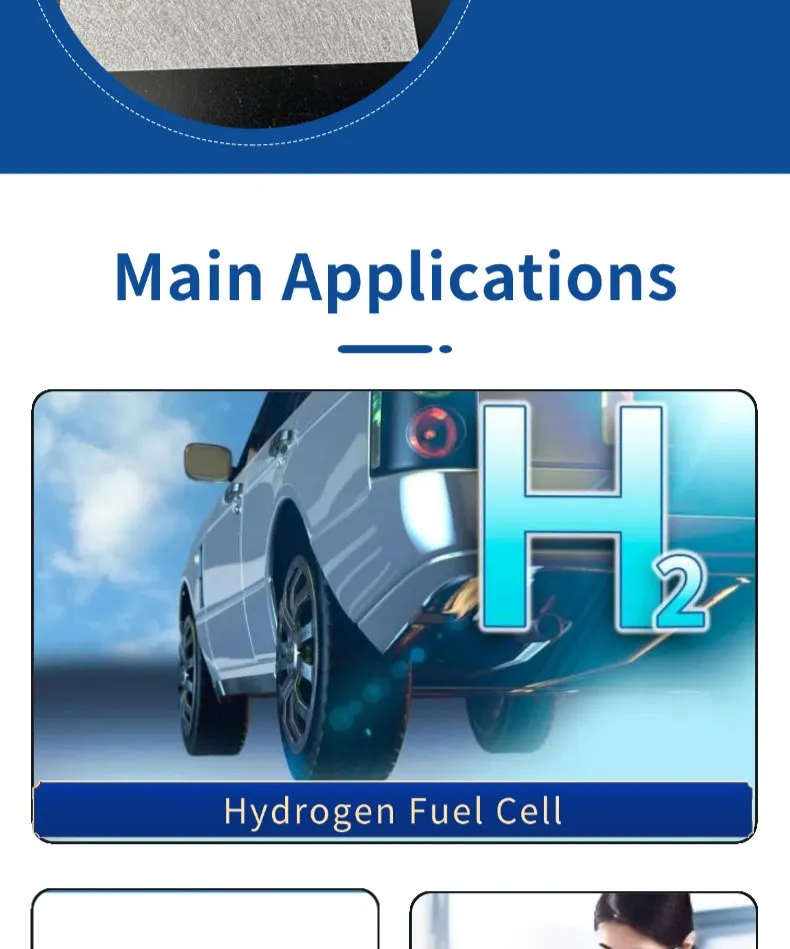
Application
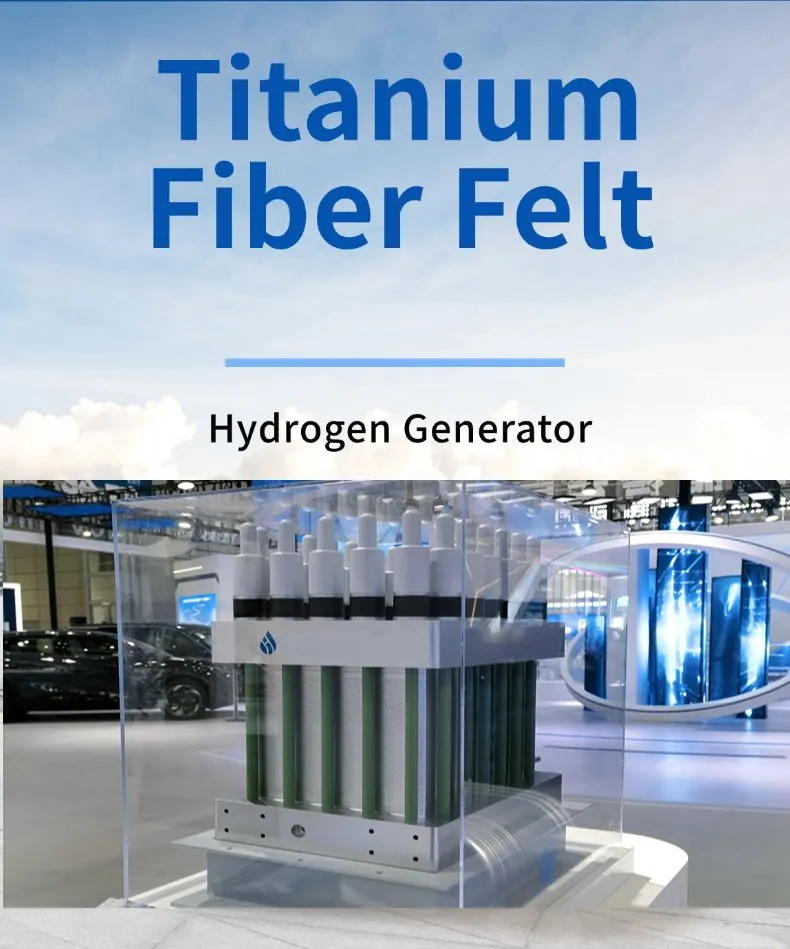
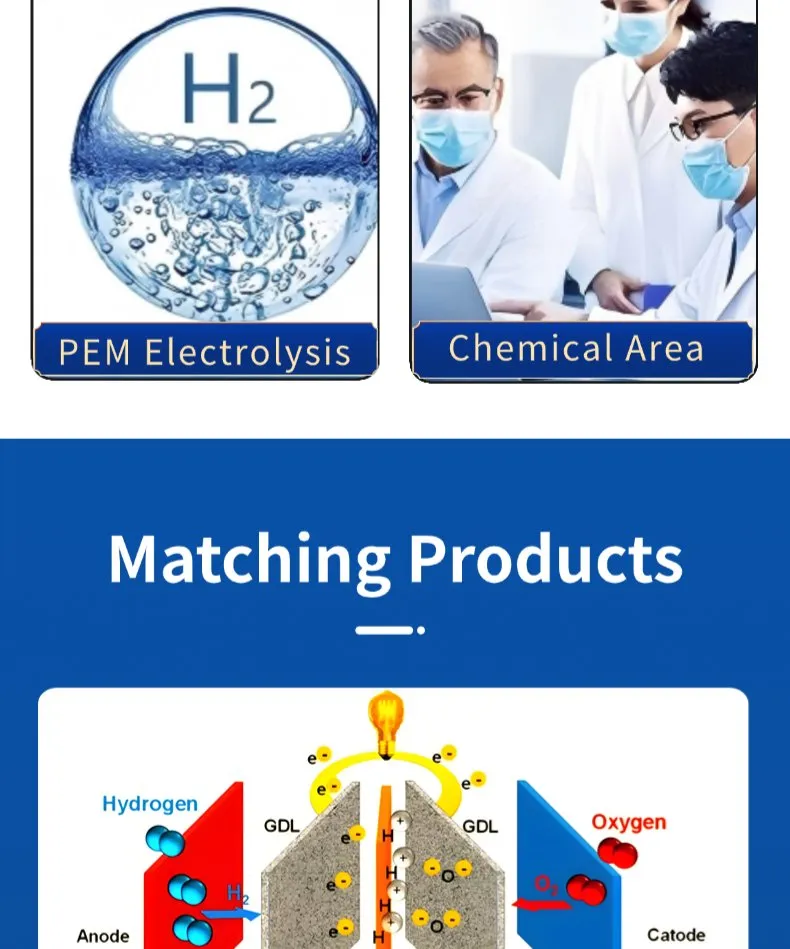
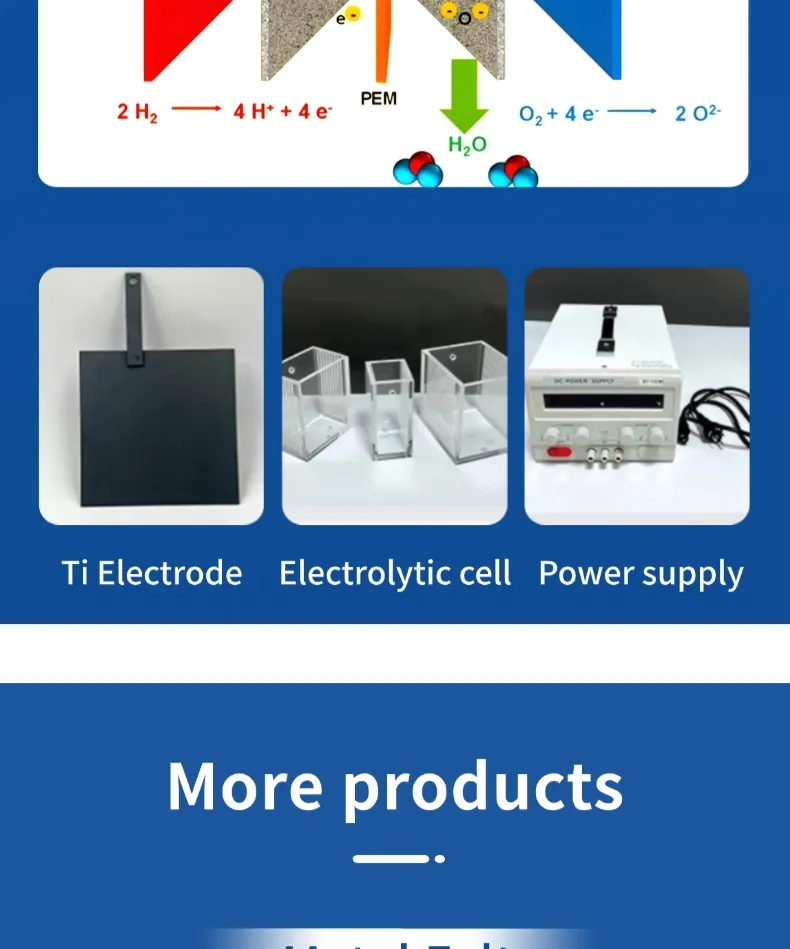
Electrolysis for Hydrogen, Fuel Cell, Chemical
Color
Light Gray
Raw Material
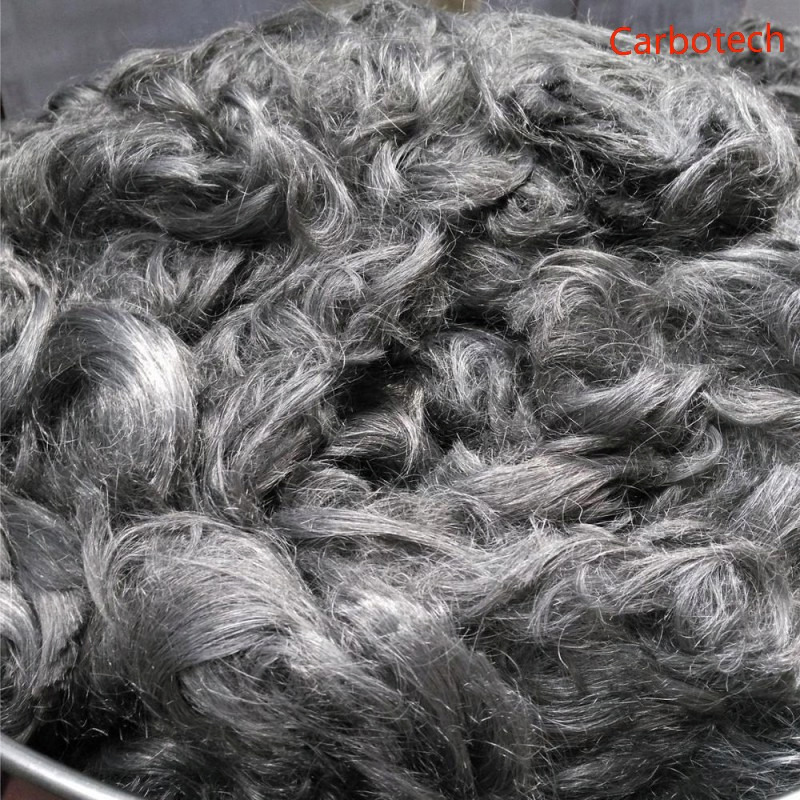
Gr1 Titanium Fiber
MOQ
1PC
HS Code
8108909000
🔍 Product Overview

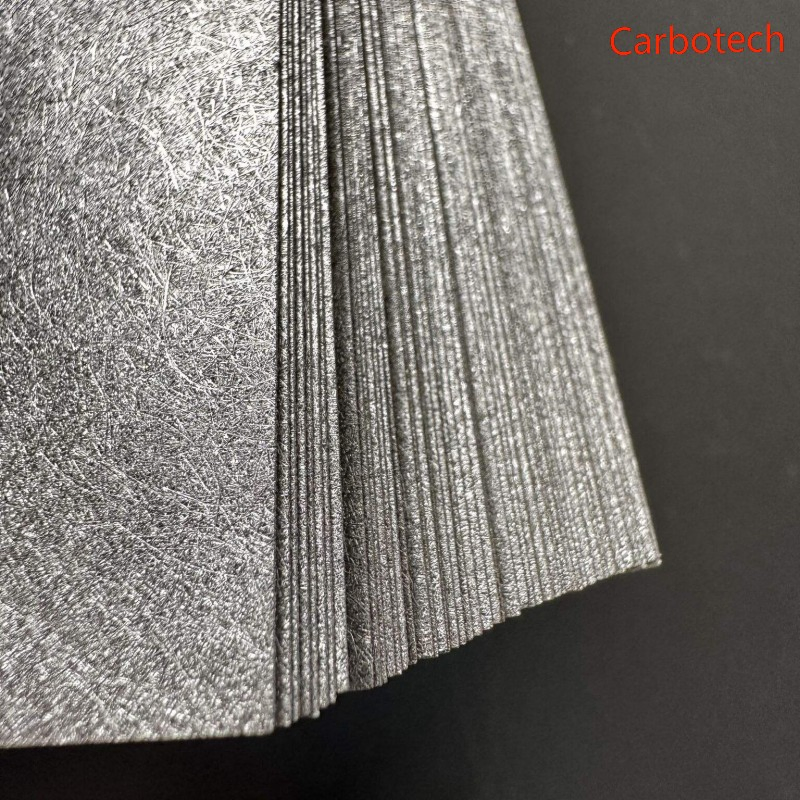
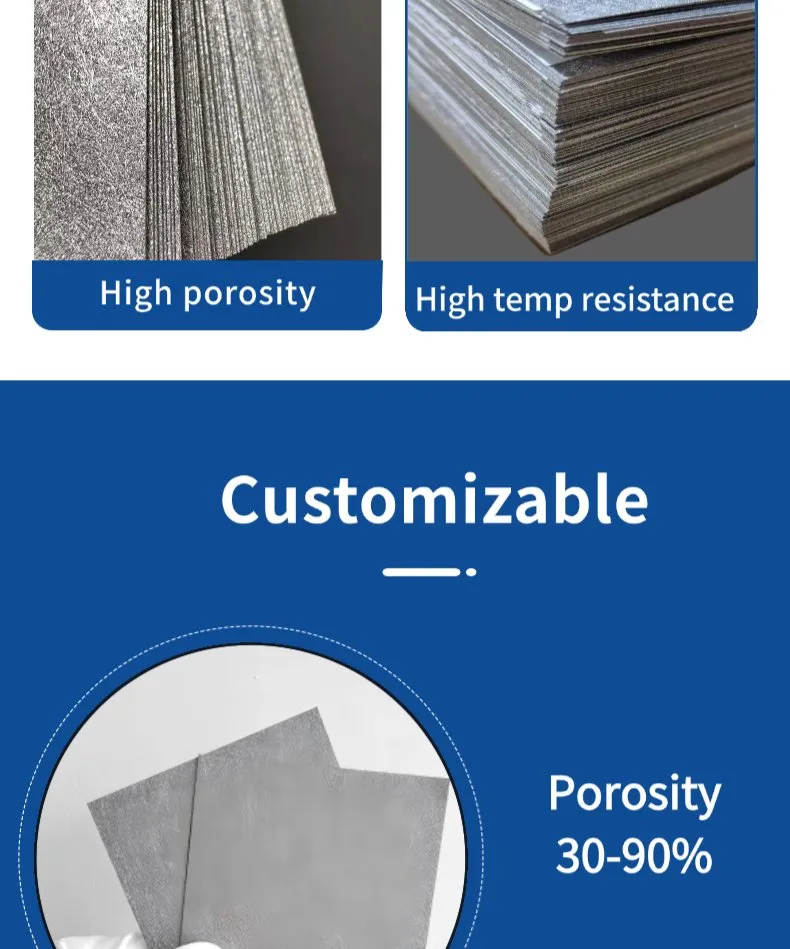
Customizable Ti Fiber Felt is engineered for low resistance and high purity, making it ideal for water electrolysis and laboratory research. It is manufactured using a specialized laying process followed by ultra-high temperature vacuum sintering.

Compared to titanium powder sintered plates, Ti fiber felt features an excellent three-dimensional network and a highly porous structure. This provides a large surface area, uniform pore size distribution, and exceptional corrosion resistance.

🌟 Key Advantages
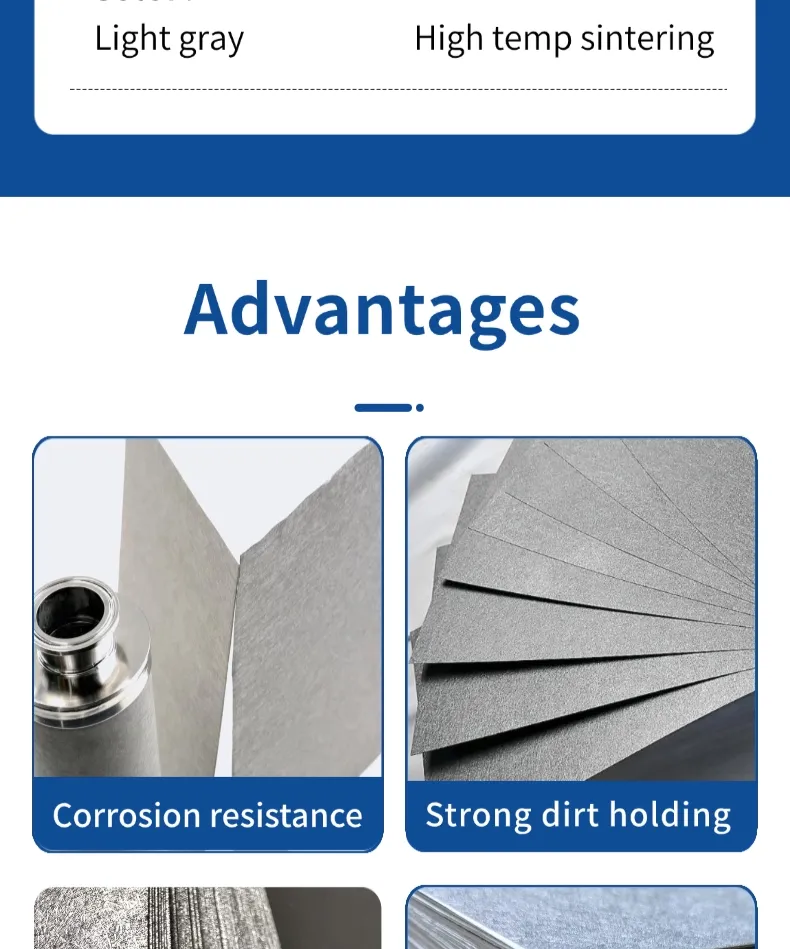
  • Superior Corrosion Resistance: Ideal for harsh chemical environments.
  • High Porosity: Optimized for gas diffusion and liquid permeability.
  • Excellent Conductivity: High electrical and thermal performance.
  • Flexible & Lightweight: Can be rolled and processed to meet specific designs.
  • Biocompatible: Suitable for medical and aerospace applications.
🛠️ Technical Specifications
Features Titanium Fiber Felt (TI Felt) Details
StructureSintered, randomly oriented titanium fibers
Porosity (Customizable)50-90%, elongated, directional pores
Thickness0.2mm - 3.5mm
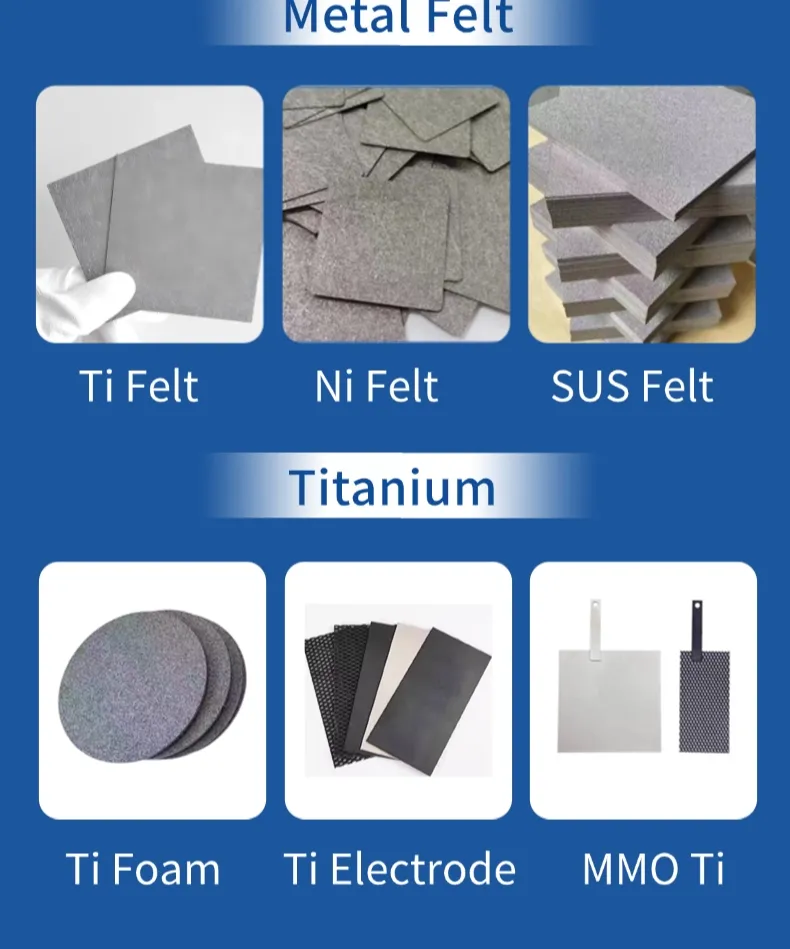
Standard Sizes50x50mm, 100x100mm, 200x200mm, 300x300mm, etc.
Mechanical PropertiesFlexible, compressible
ApplicationsElectrodes, filtration, catalyst support, fuel cells
🖼️ Product Display
Frequently Asked Questions
Q1: Why choose titanium fiber felt over carbon felt for electrolyzers?
Titanium fiber felt is oxidation-resistant, making it ideal for the oxygen-evolving anode side, where carbon felt degrades into CO2/carbonates. It ensures long-term stability in acidic or alkaline environments.
Q2: Does titanium fiber felt require a coating for optimal performance?
While bare titanium is effective, a platinum (Pt) coating significantly enhances conductivity and reduces interfacial resistance, which improves overall electrolyzer efficiency. Other coatings like IrO2 are also available.
Q3: What thickness and porosity options are available?
Standard thickness ranges from 0.2mm to 3.5mm. Porosity ranges from 50% to 90%. Higher porosity improves gas diffusion, while lower porosity increases mechanical strength.
Q4: Can you provide custom sizes or shapes for stack integration?
Yes, we provide standard sheets (100x100mm to 1x1m) and custom-cut shapes like circles or trapezoids for bipolar plates, as well as integrated GDL/catalyst layers.
Q5: What is the Minimum Order Quantity (MOQ)?
We offer low minimum order quantities (as low as 1PC) to support R&D and laboratory research, with bulk discounts available for full-scale production.
Q6: What is the typical lead time for orders?
Lead times are generally 2-3 weeks for custom orders. Stock items can typically be shipped within 5 business days.

Related Products