Mmo Ruthenium and Iridium Coated Titanium Anode Mesh Sewage Treatment Electrode Titanium

Still deciding? Get samples of $ !
Request Sample

Product Description

❒ Basic Information
Model NO.
M88
Technique
Welded
Grade
GR1
Shape
Customized
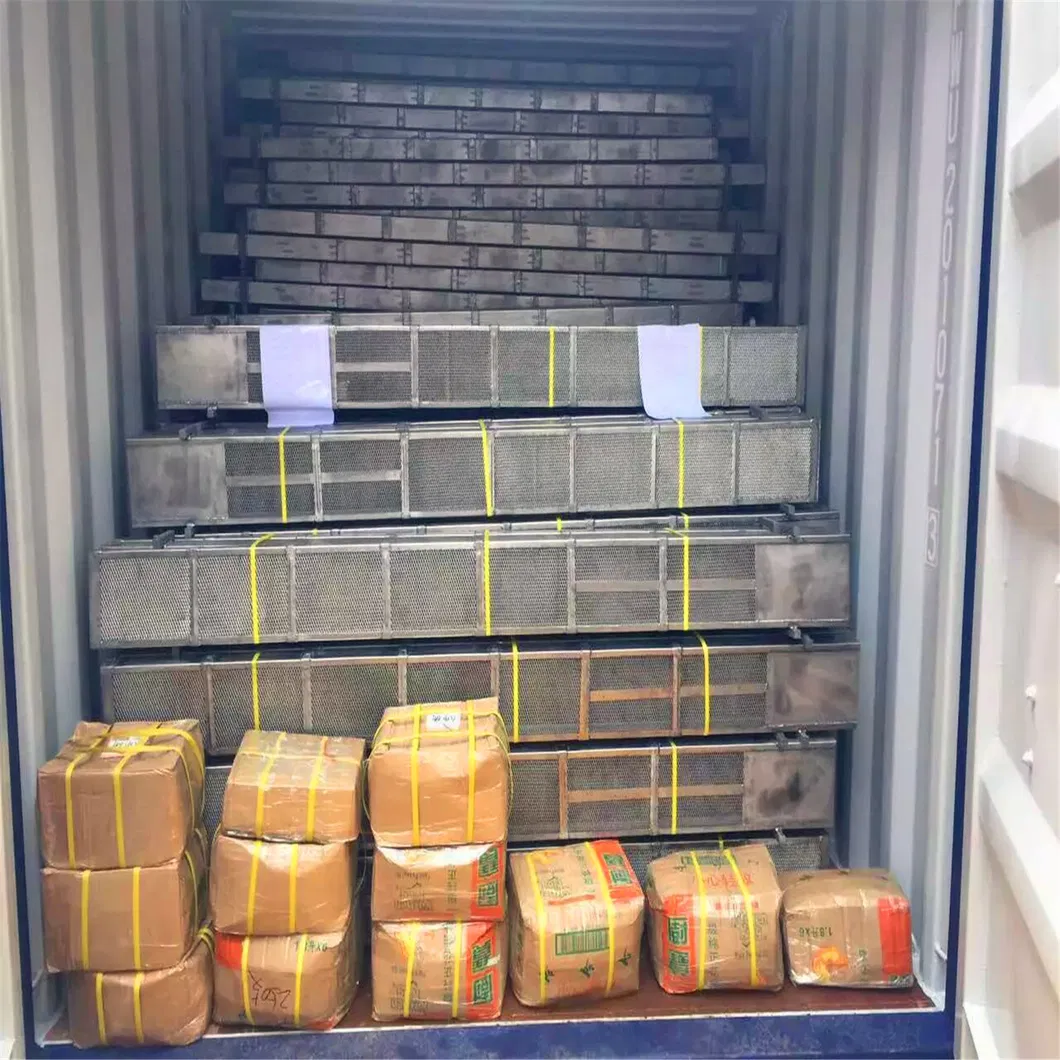
Package
Polywood or Pallet
Origin
China
Capacity
1,000,000 PCS/Year
⚙ Product Specifications
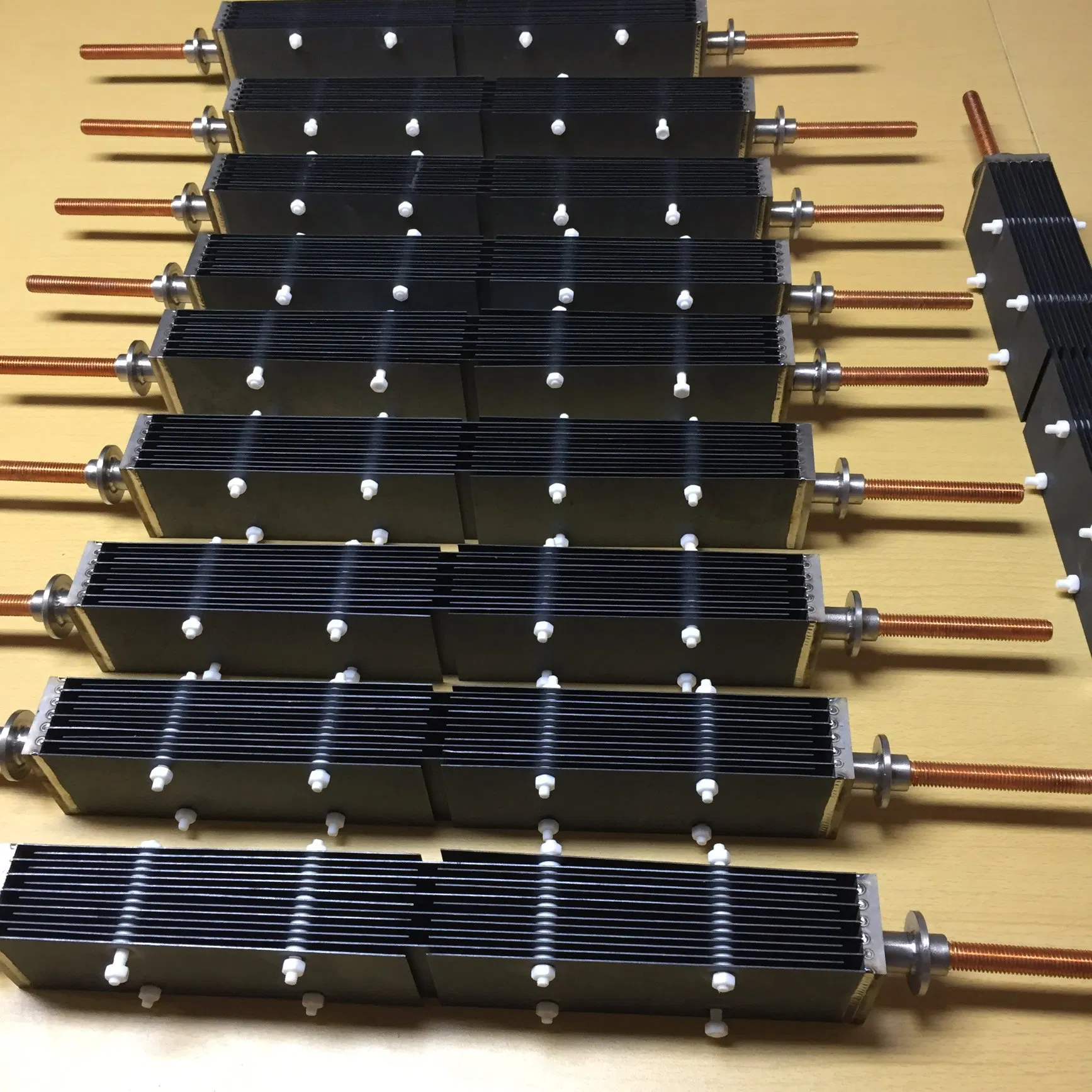
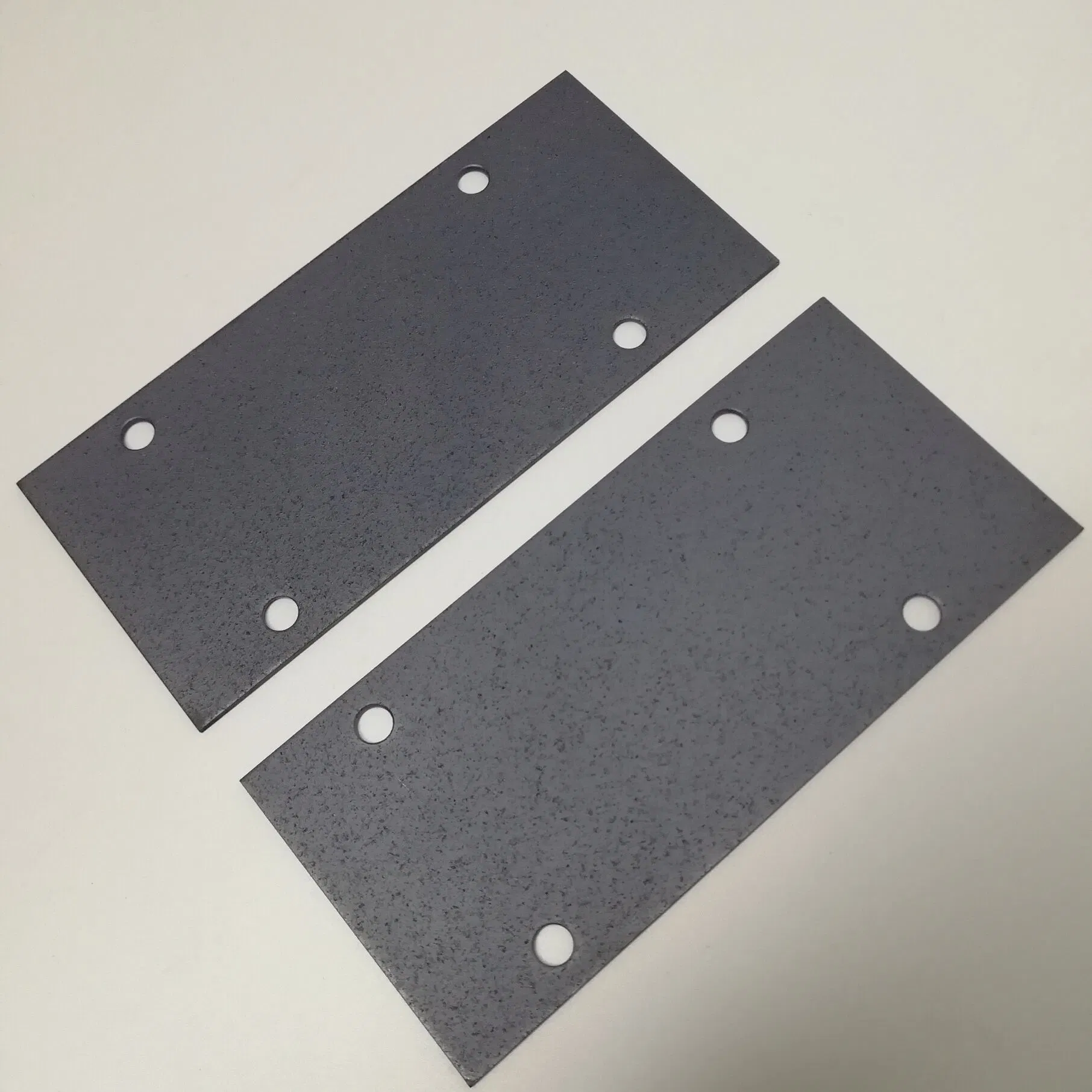
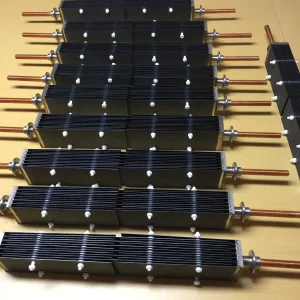
Product Name Ruthenium and Iridium Coating Titanium Anode Plate
Substrate Titanium Grade 1, Titanium Grade 2
Coating Thickness 6~12 micron (Mixed precious metal oxide) / 0.5~5 micron (Platinum)
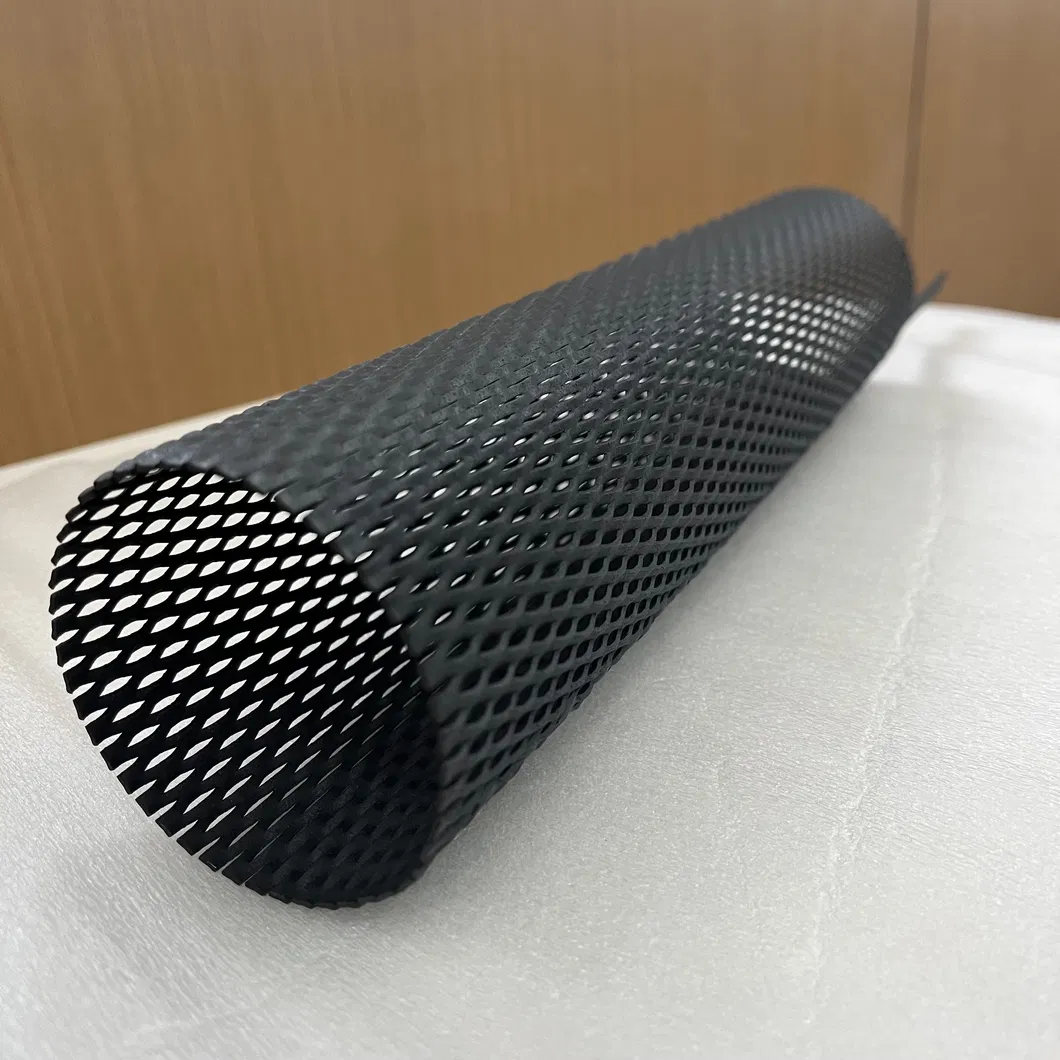
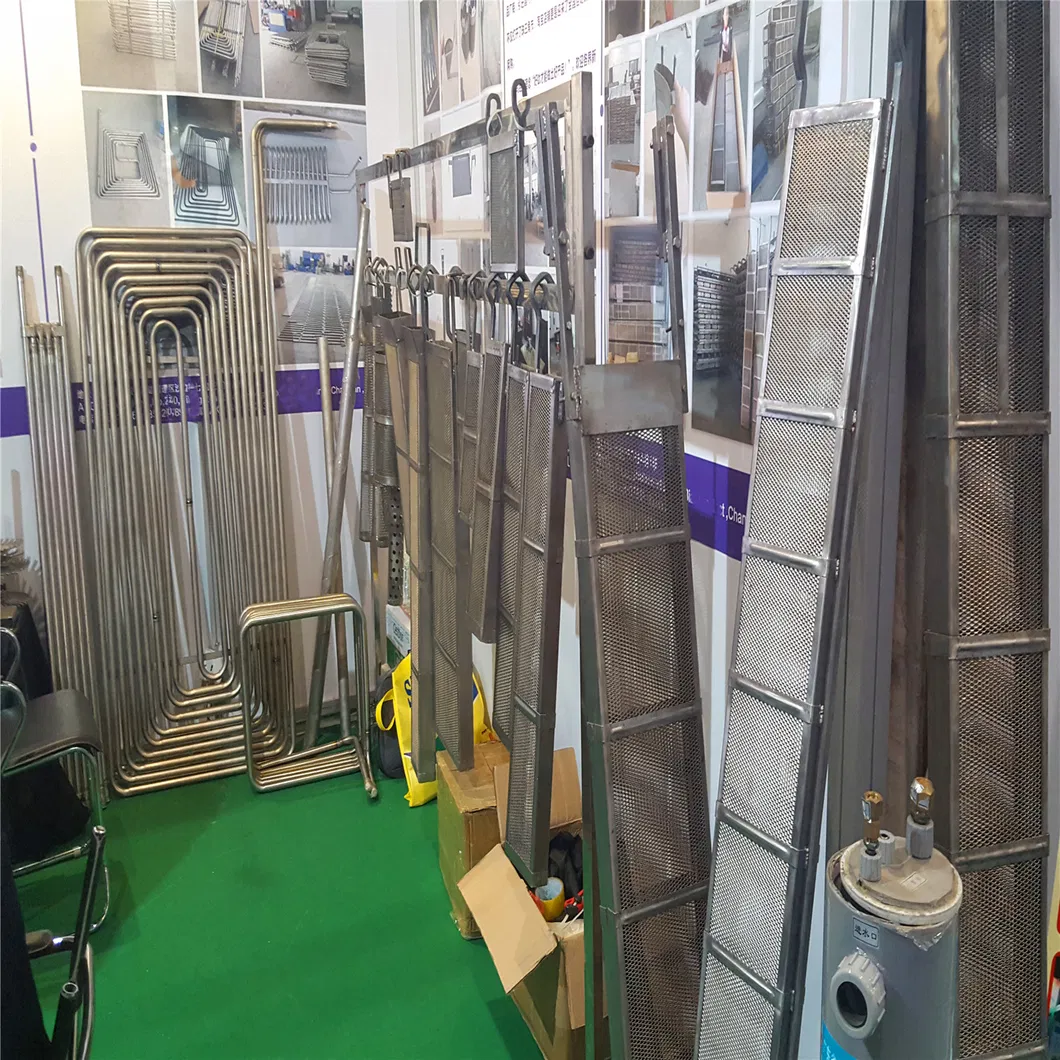
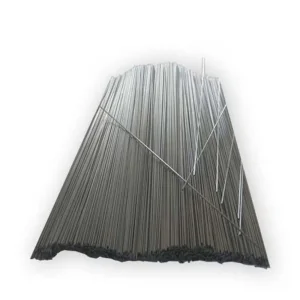
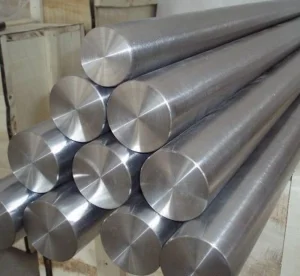
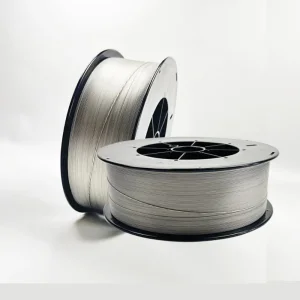
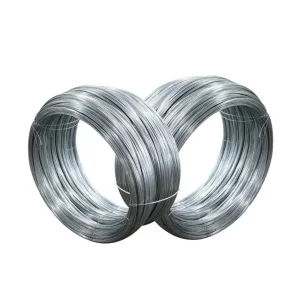
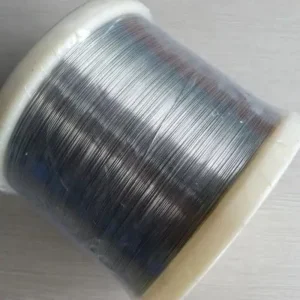
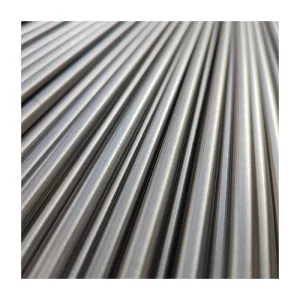
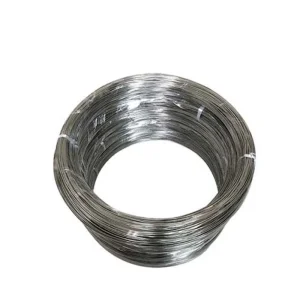
Available Shapes Plate, Mesh, Tube, Rod, Wire, Disc or Customized designs
Technology Sand blasting, Acid Washing, Coating Brushing, High Temperature Sintering, Annealing
Working Parameters Current density: ≤2000A/M2 (NaOCl) / ≤500A/M2 (NaClO3)
Temperature: 25-50°C
Salt concentration: 3~5%
Applications Sewage Treatment, Cathode Protection, Noble Metal Plating, Sea Water Antifouling, Testing Electrode, Electrolytic Synthesis, Electroplating Industry, Electrodialysis, Electrolytic Water
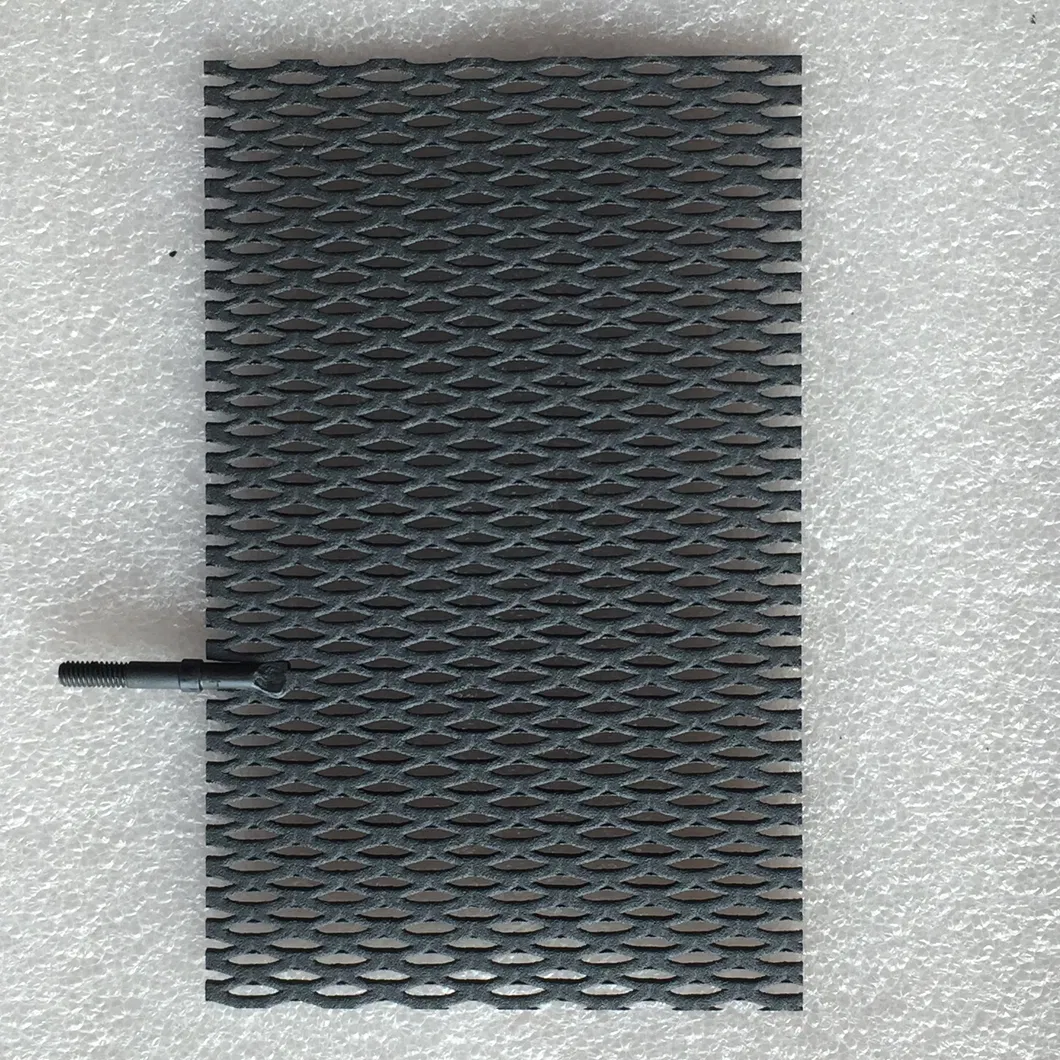
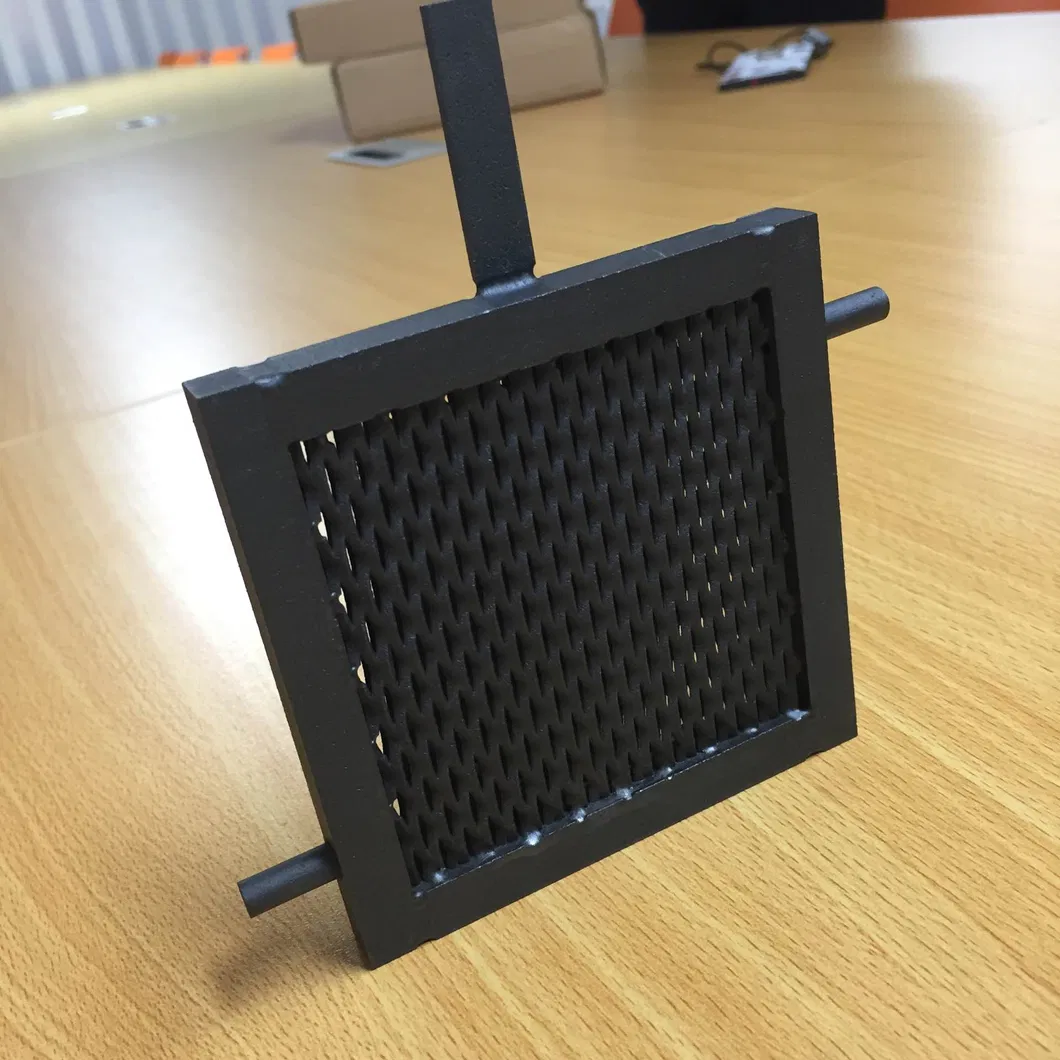
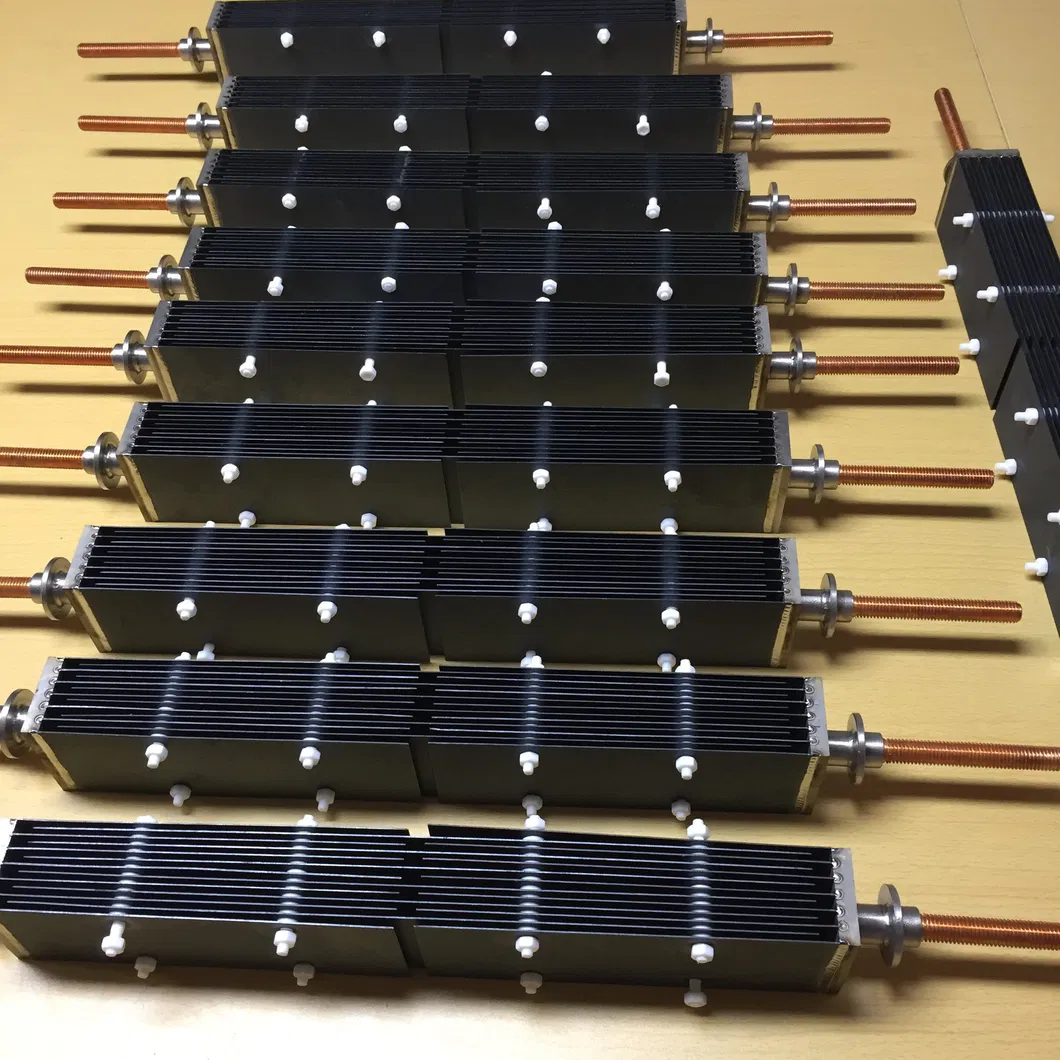
Titanium Anode Plate
MMO Coating Mesh
Sewage Treatment Electrode
Iridium Coated Anode
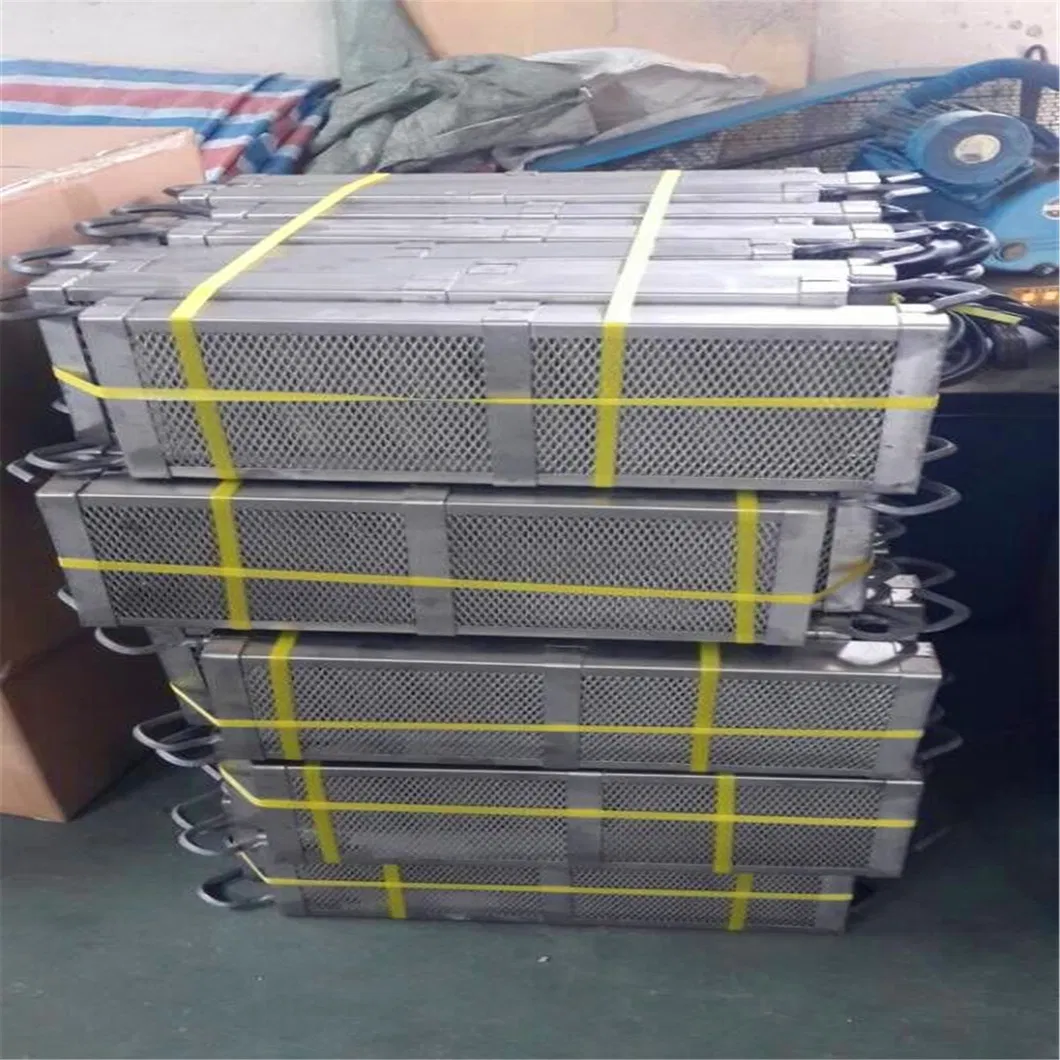
🧺 Titanium Anode Basket Introduction

Material Properties: Grade 2 titanium is the most widely used commercially pure titanium. With a density of 4.506-4.516g/cm³, it features a melting point of 1668°C and a boiling point of 3535°C. In appropriate oxidizing environments, titanium offers excellent corrosion resistance, making it ideal for aerospace, chemical industry, metallurgical industry, and healthcare fields.

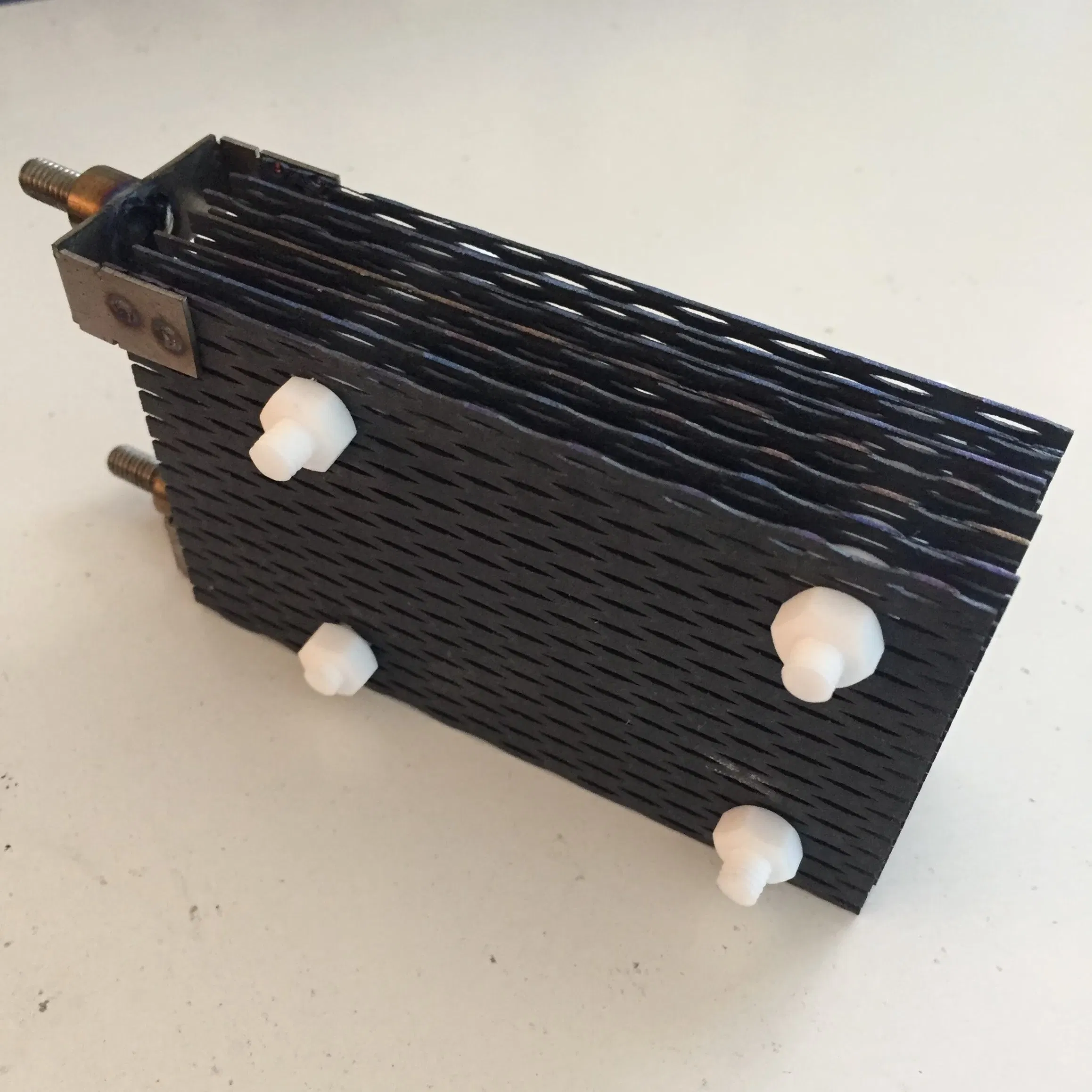
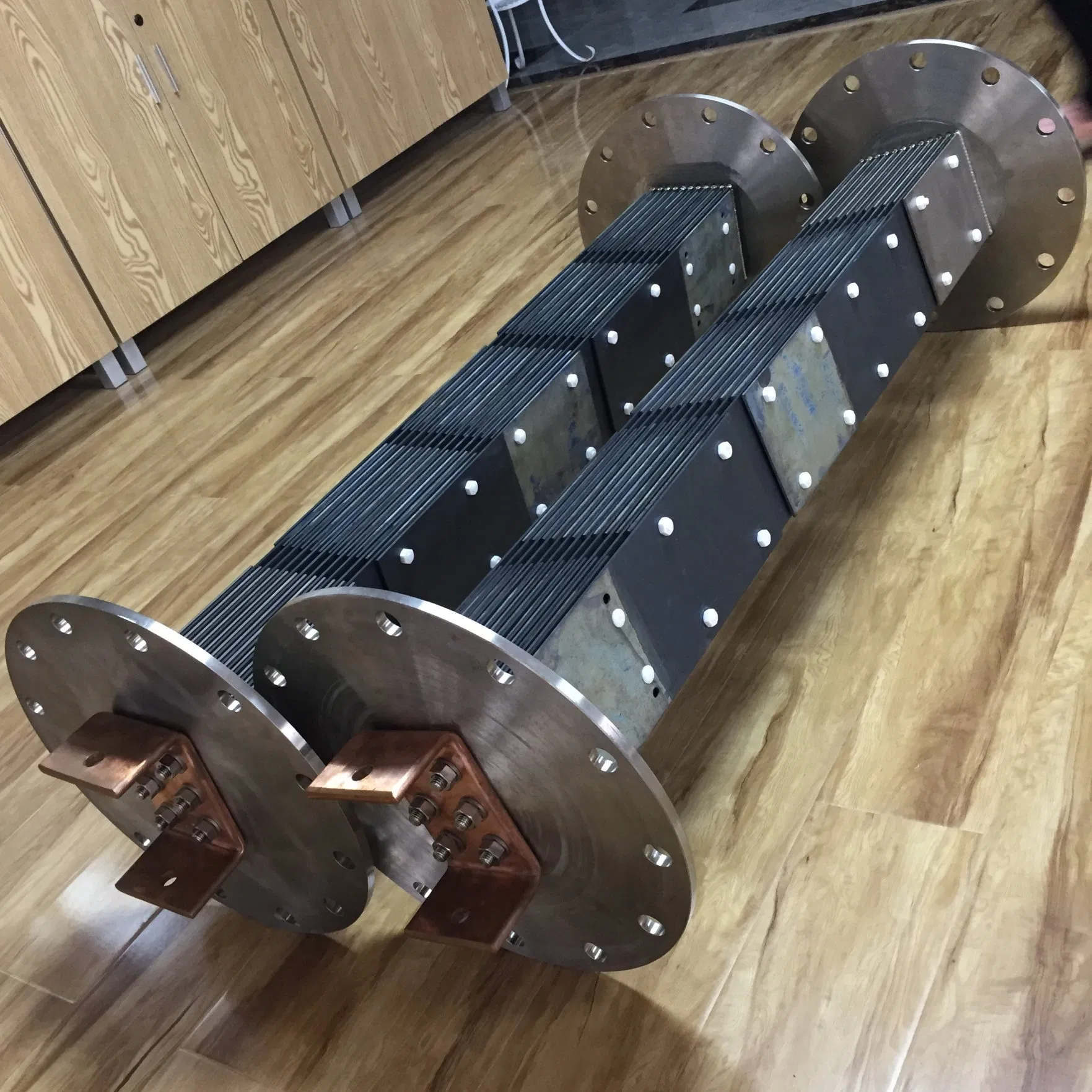
Item Name Titanium Anode Basket
Material Pure Gr1 or Gr2 Titanium
Mesh Hole 6*3 mm, 5*4 mm, 8*4mm, 10*5mm, 12.5*4.5mm (Rhombus or Round)
Manufacturing Cut, Bent, Welded
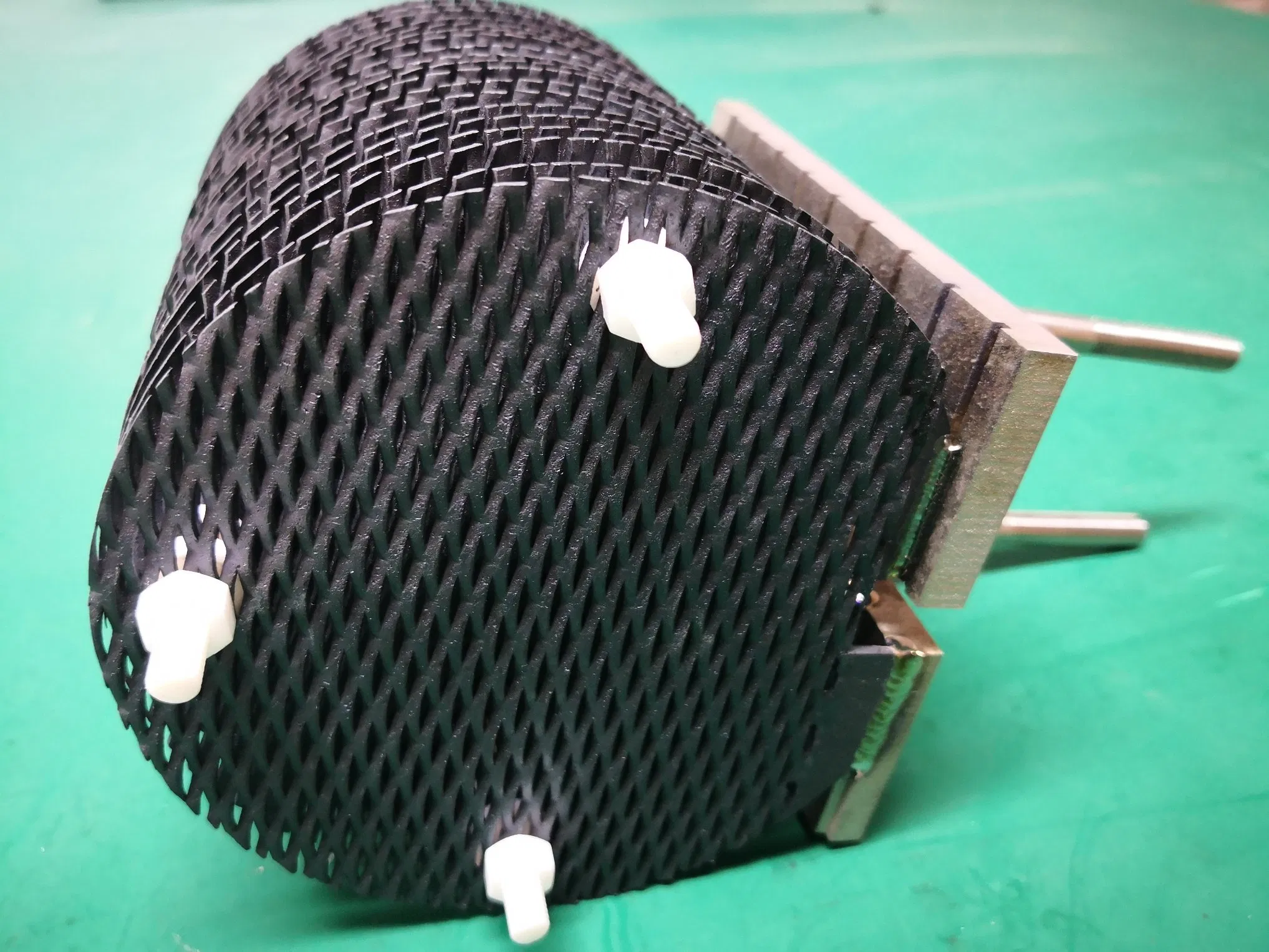
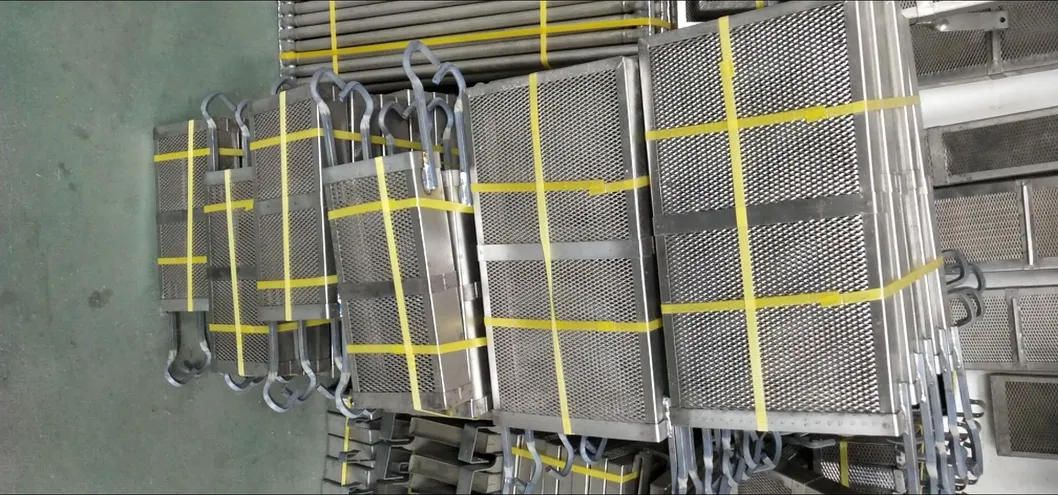
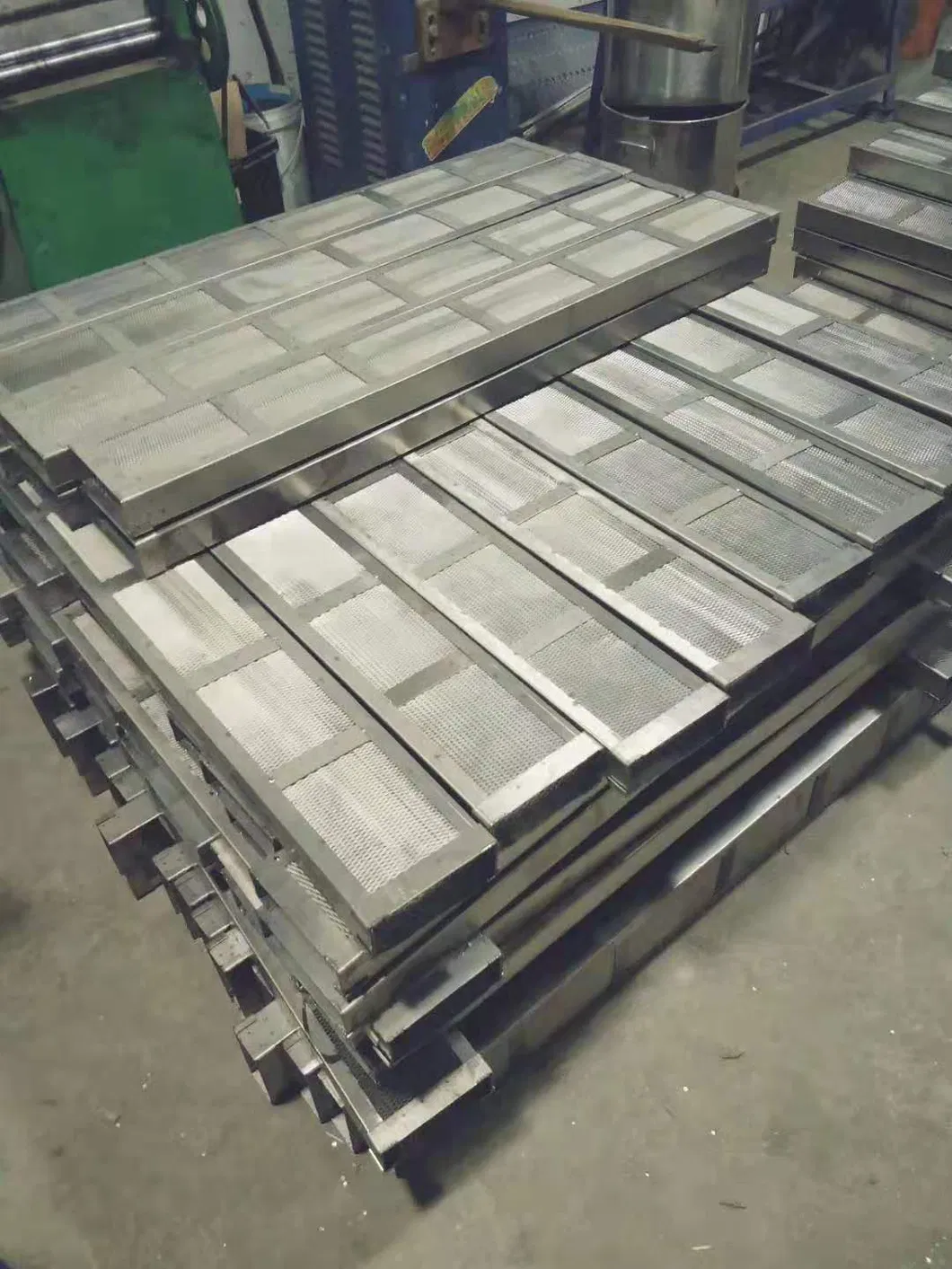
Titanium Basket View 1
Titanium Basket View 2
Titanium Basket View 3
Mesh Detail
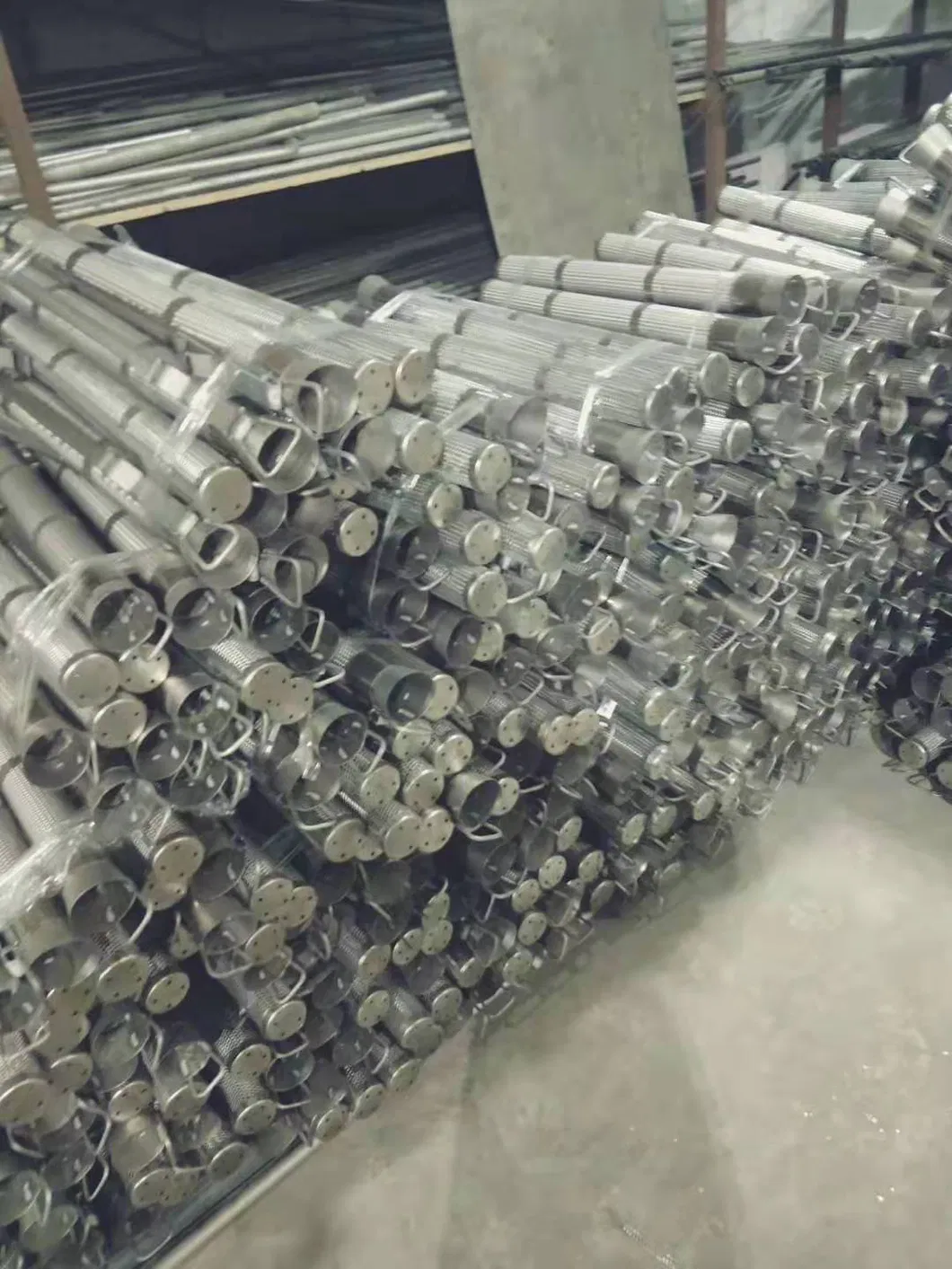
Anode Component
Manufacturing Detail
⚠ Technical Guidelines
  • The titanium basket mouth should be positioned 30-40mm higher than the liquid level to prevent anode residue outflow.
  • The bottom parts should be higher by 100~150mm to avoid over-concentrated current and burning at the lower sections.
  • Baskets must maintain close contact with the anode to prevent oxidative damage caused by sharp rises in potential.
❓ Frequently Asked Questions
What substrate materials are used for these anodes?
We use high-quality Pure Titanium Grade 1 and Grade 2 as the substrate material to ensure optimal conductivity and corrosion resistance.
What are the available coating types and thicknesses?
We offer Ruthenium-Iridium mixed metal oxide (MMO) coatings with a thickness of 6-12 microns and Platinum coatings ranging from 0.5-5 microns.
Can the shape of the titanium anode be customized?
Yes, we provide fully customized shapes including plates, meshes, tubes, rods, wires, and discs based on your specific design drawings.
What are the primary industrial applications for MMO anodes?
They are widely used in sewage treatment, cathode protection, precious metal electroplating (silver, gold), seawater antifouling, and electrolytic water synthesis.
What are the recommended working temperatures and salt concentrations?
The ideal working temperature range is between 25-50°C, and the salt water concentration should be maintained between 3% and 5%.
What manufacturing technologies are used during production?
Our production process includes sand blasting, acid washing, coating brushing, high-temperature sintering, and annealing to ensure durability and performance.

Related Products