Retra Medical
1 / 5
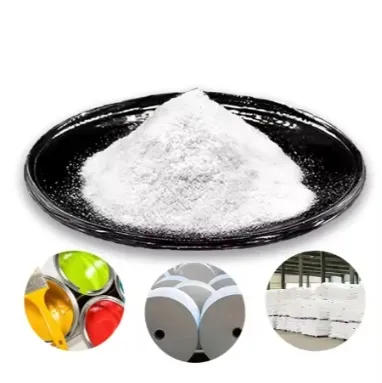
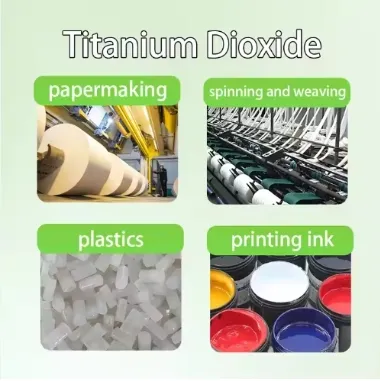
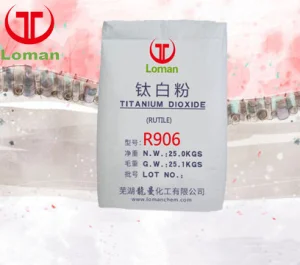
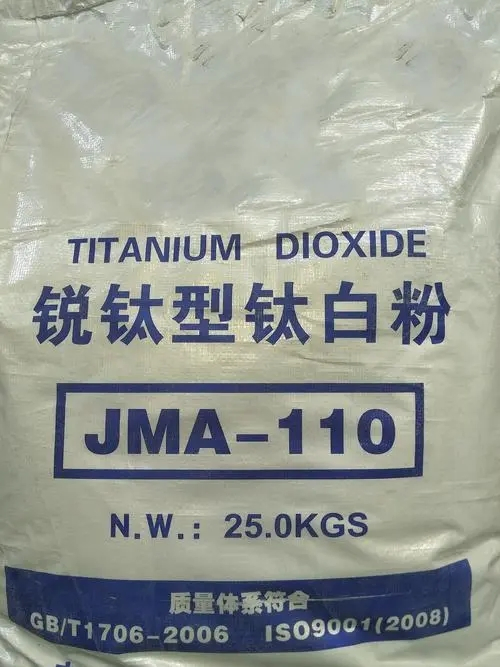
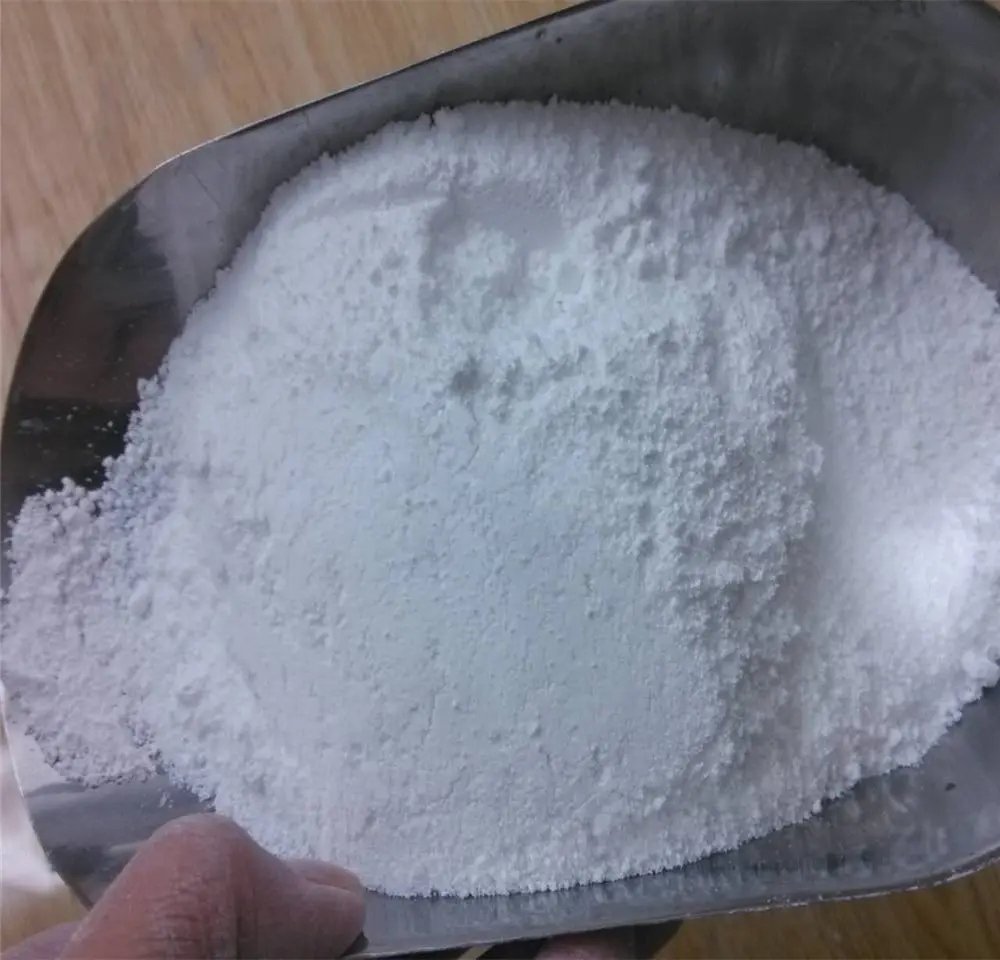
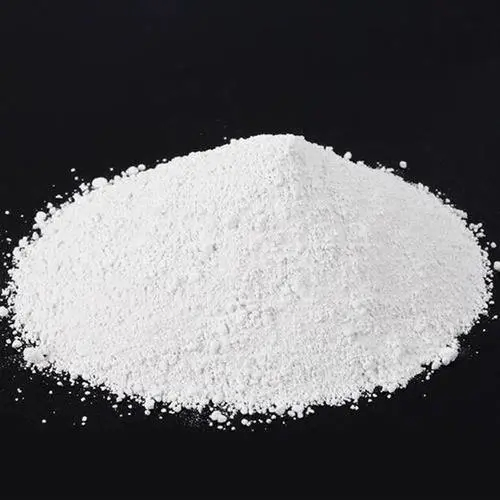
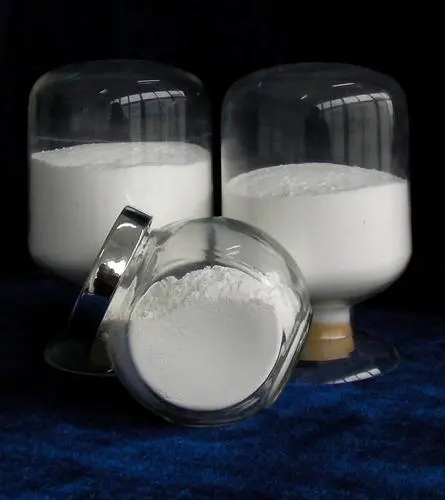
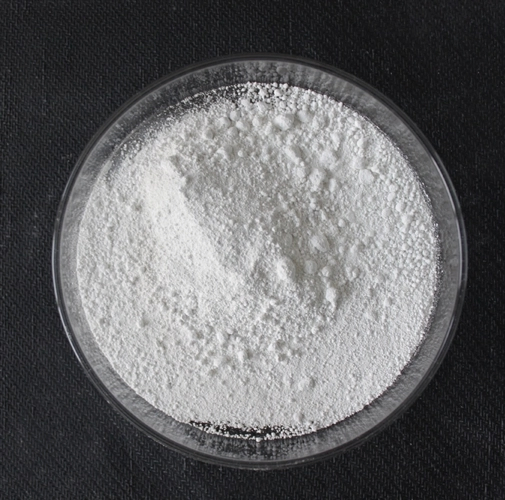
Titanium dioxide (TiO2) is an important inorganic chemical product with essential applications in coatings, inks, paper, plastics, ceramics, and other industries. It is a polycrystalline compound whose particles are regularly arranged in a lattice structure. Titanium dioxide has the lowest relative density and is produced through two primary routes: the sulfuric acid method and the chlorination method.
Titanium dioxide is extremely chemically stable and is an acidic amphoteric oxide. It does not react with oxygen, nitrogen, hydrogen sulfide, or carbon dioxide at room temperature. It is insoluble in water, fat, and dilute inorganic acids, though it is soluble in hydrofluoric acid. Under ultraviolet irradiation, titanium dioxide—especially in anatase form—can act as a photosensitive oxidation catalyst for inorganic compounds.
Emergency treatment: Isolate contaminated areas and restrict access. Personnel should wear dust masks and general work clothes. Avoid dusting during cleanup; sweep carefully and place in bags for recovery or transport to a waste disposal site.
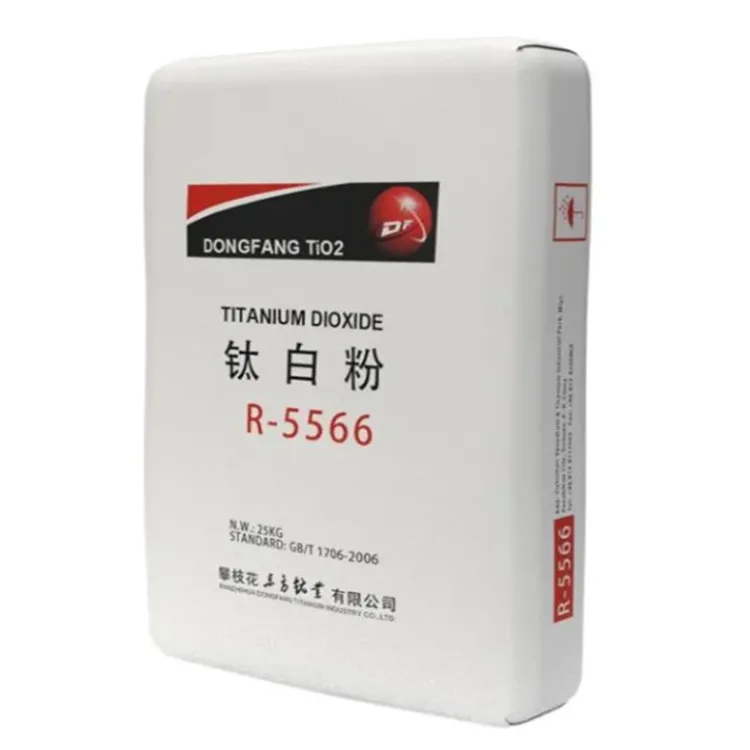
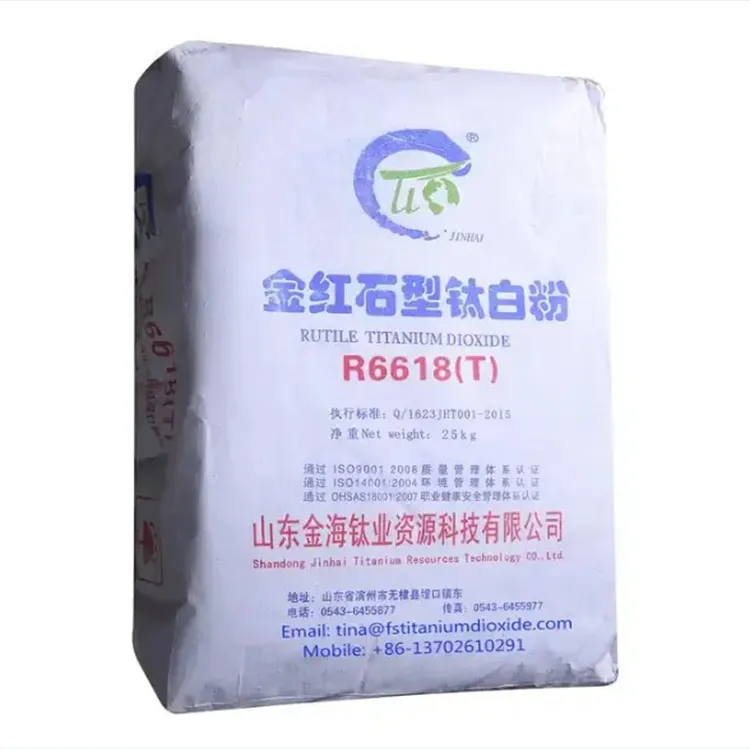
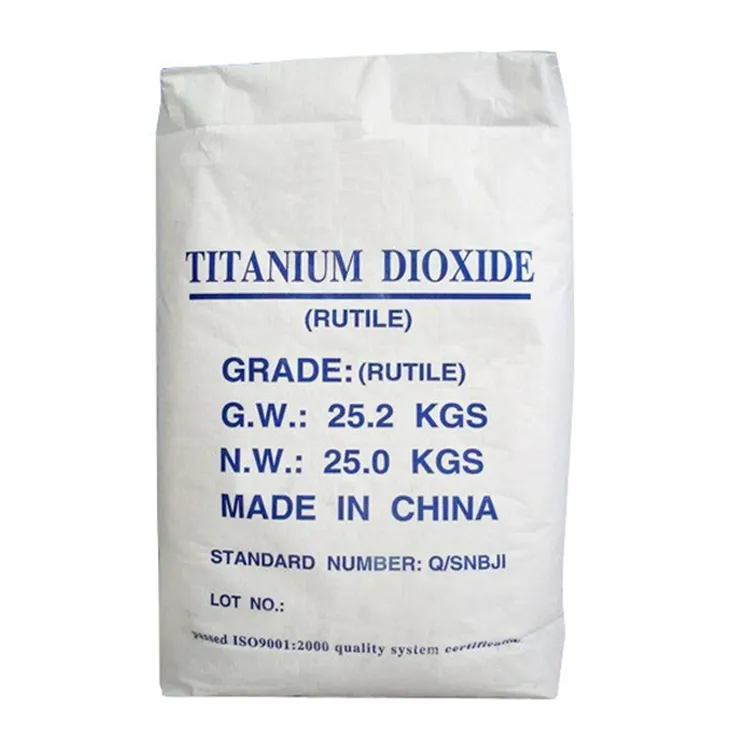
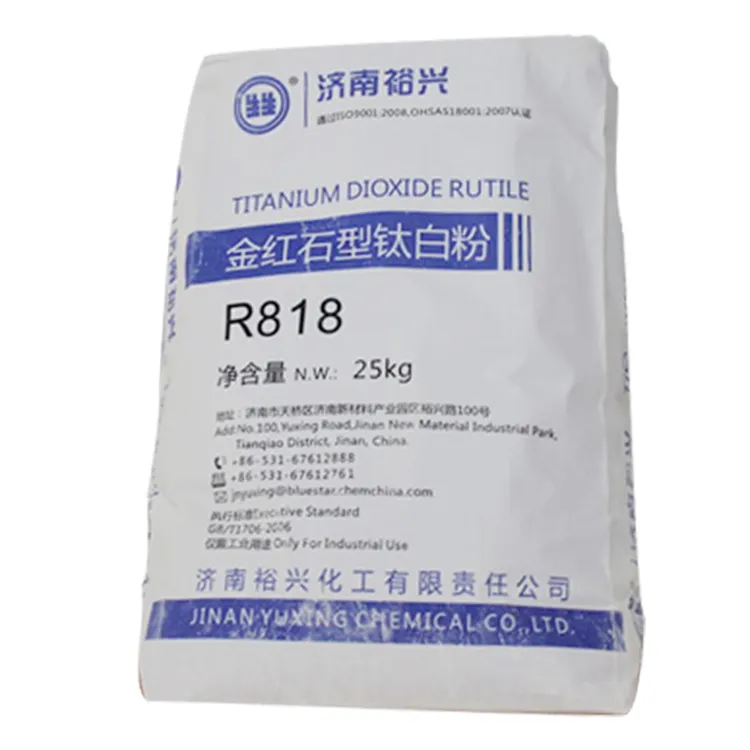
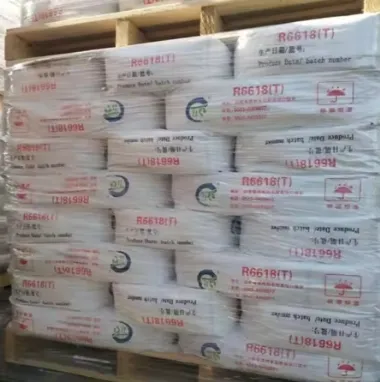
| Product Name | Titanium Dioxide R-6618T |
| Rutile content | ≥97.5% |
| Achromatic power | 118 |
| PH | 6.0-8.5 |
| Tio2 content | ≥93.0% |
| Water-soluble salt | ≤0.5% |
| Volatiles at 105°C | ≤0.5(m/m) |
| Iron content | ≤100ppm |