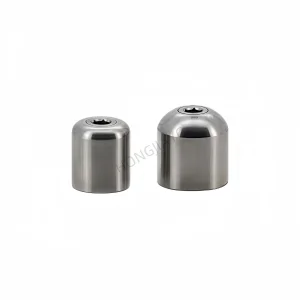
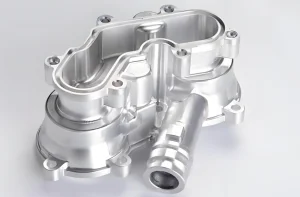
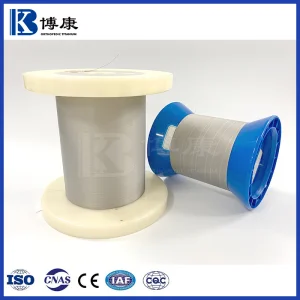
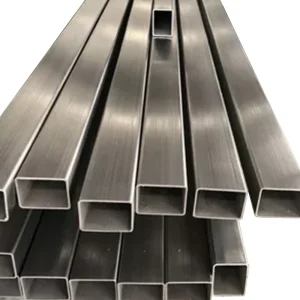
Browse our initial showcase of advanced medical implants, high-performance alloy products, and precision-machined clinical assemblies tailored for international healthcare standards.
Hangzhou Retra Medical Co., Ltd. is a leading manufacturer of high-performance medical metals and orthopedic implants, specializing in Medical Titanium, Stainless Steel, CoCrMo, Tantalum, and Nitinol. With a strong commitment to research, development, and precision manufacturing, Retra Medical has become a trusted partner for hospitals, clinics, and medical device companies worldwide.
The company offers a comprehensive range of orthopedic and surgical implants, including joint replacement components, spinal systems, trauma plates and screws, maxillofacial reconstruction devices, and custom implant solutions. All products are manufactured using surgical-grade metals that ensure biocompatibility, durability, and corrosion resistance, meeting the stringent standards of the global healthcare industry.

Retra Medical emphasizes innovation and quality control, combining advanced production techniques with rigorous testing to ensure every implant delivers reliable performance and patient safety. The company also provides customized solutions tailored to specific clinical needs, supporting minimally invasive surgery, complex trauma repair, and long-term implant success.
Guided by the principles of "quality first, innovation-driven, customer-oriented," Hangzhou Retra Medical has earned an excellent reputation both domestically and internationally. With a dedicated R&D team, modern production facilities, and professional after-sales support, the company continues to advance the orthopedic and surgical implant industry, providing safe, high-quality, and reliable solutions that improve patient outcomes and support healthcare innovation worldwide.
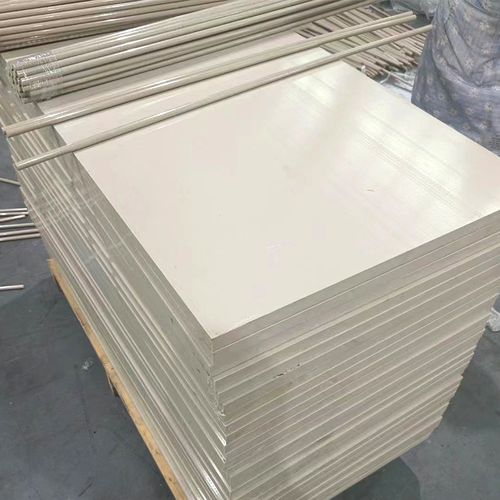
In the highly regulated global medical device market, material selection dictates clinical performance, product lifespan, and regulatory approval pathways. While titanium and surgical stainless steel remain dominant for direct load-bearing orthopedic implants, medical-grade aluminum alloys have emerged as indispensable materials for structural components, imaging systems, diagnostic apparatuses, and specialized surgical tooling.
Historically, aluminum was limited to structural framing in hospital furniture. However, with the advent of advanced metallurgical treatments, specialized surface treatments like Type III hard-anodization, and the integration of high-precision CNC machining, medical aluminum alloys—specifically from the 6000 and 7000 series—are now key drivers of diagnostic and surgical efficiency. Their high strength-to-weight ratio, exceptional thermal conductivity, and relative ease of processing make them ideal for modern clinical environments where high mobility and reliable durability are paramount.
Medical-grade aluminum acts as a bridge between the lightweight characteristics of polymers and the high-strength features of heavy steel alloys. By employing complex passivation and surface modification technologies, manufacturers can eliminate the risks of metallic ion leaching, allowing these materials to withstand harsh hospital autoclave cycles (temperature up to 134°C) without dimensional degradation.
Alloys like 6061-T6 and 7075-T6 achieve yields comparable to structural steels at a third of the density. This reduces physical strain on surgical personnel during long procedures using handheld instrumentation.
Anodic oxidation forms a dense Al₂O₃ ceramic layer, rendering the alloy surface highly resistant to biological fluids, body acids, and chemical sterilants without reacting with tissues.
Critical for laser surgery controllers and electrosurgical units requiring immediate heat dissipation to keep component temperatures within safe parameters.
The future of medical metals is deeply tied to ultra-precision machining, additive manufacturing (3D printing), and innovative surface modification methods. As medical equipment becomes more compact and complex, the demands on raw material chemistry are tightening:
Medical device Original Equipment Manufacturers (OEMs) and contract manufacturers in the USA, Europe, and Japan face strict regulatory oversight from agencies like the FDA, EMA, and PMDA. Sourcing raw materials from overseas requires absolute compliance with chemical limits, mechanical properties, and manufacturing standards.
| Alloy Grade | Primary Elements | Tensile Strength (MPa) | Typical Application | ISO/ASTM Standards |
|---|---|---|---|---|
| Alloy 6061-T6 | Al, Mg, Si, Cr | 310 | Surgical trays, orthotics, diagnostic housing, endoscopy structures | ASTM B209 / EN 573-3 |
| Alloy 7075-T6 | Al, Zn, Mg, Cu | 572 | High-stress orthopedic fixtures, surgical instruments, skeletal pins | ASTM B221 / EN 755 |
| Alloy 5083-H111 | Al, Mg, Mn, Cr | 290 | Cryogenic medical storage vessel components, marine prosthetics | ASTM B209 |
| Pure Titanium Gr2 | Ti, Fe, O, C, N, H | 345 | Surgical implants, trauma fixation plates, dental healing caps | ASTM F67 / ISO 5832-2 |
| 316LVM Stainless Steel | Fe, Cr, Ni, Mo, Mn | 860 | Temporary orthopedic pins, bone screws, deep surgical implants | ASTM F138 / ISO 5832-1 |
In addition to mechanical specifications, procurement departments prioritize Supply Chain Transparency and Certificates of Conformance (CoC). Every shipment of medical-grade metals must include full material test reports (MTRs) tracing the metal batch back to the original smelting charge, verifying the absence of heavy metals like lead and cadmium.
Hangzhou Retra Medical Co., Ltd. utilizes advanced industrial infrastructure, combining automated precision machining with high-level digital monitoring. By moving to a Factory 4.0 framework, we resolve the traditional trade-off between manufacturing speed and strict medical tolerances.
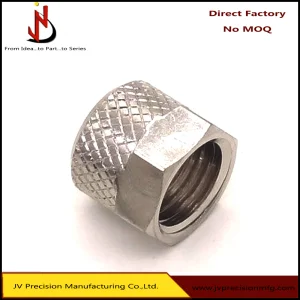
From raw bar stock and tube drawing to multi-axis CNC milling, turning, cleanroom cleaning, laser marking, and sterile packaging, we control the entire workflow in-house. This minimizes transit contamination risks and reduces logistical delays.
Our machining centers run high-speed Swiss-style automatic lathes and 5-axis vertical machining setups. Real-time optical sensors dynamically adjust for tool wear to maintain stable runout tolerances.
We use coordinate measuring machines (CMM), optical comparators, and non-destructive testing (NDT) like liquid penetrant and eddy current checks to ensure no internal voids or cracks pass inspection.
Our location in Hangzhou's high-tech manufacturing corridor gives us access to a complete upstream supply of metallurgical elements and efficient transport routes. This allows us to keep lead times brief, offering a reliable supply option for global medical device brands seeking to diversify and strengthen their procurement networks.
Depending on the specific clinical department and device configuration, our medical aluminum alloys and surgical titanium products serve vital functions:
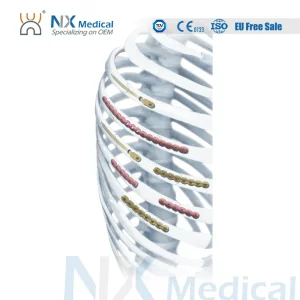
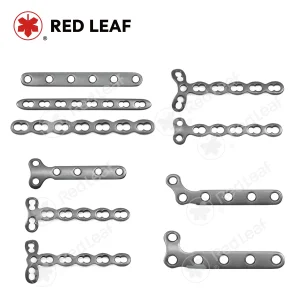
Surgical navigation jigs, drilling templates, and targeting guides are frequently machined from 7075-T6 aluminum. These components must remain perfectly rigid under mechanical stress and light enough to prevent hand fatigue for surgeons. During reconstruction procedures, our Nx Medical Titanium Locking Plate System and Titanium Orthopedic Locking Plates for Phalange Finger Fractures provide secure osteosynthesis with optimal bone healing properties.
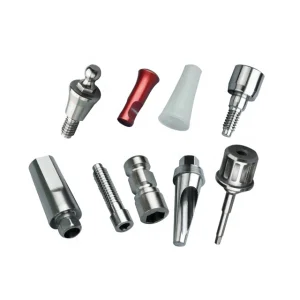
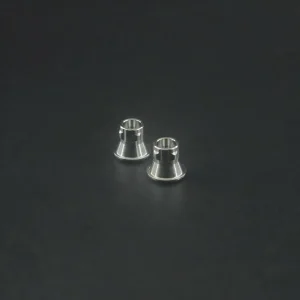
Precision is critical when restoring masticatory function. Components like our Dental Implant Titanium Straight Abutment 9mm Regular Platform and Dental Implant Healing Cap require precise tolerances within microns. Using high-grade medical titanium (ASTM F67) prevents bone resorption and supports long-term osseointegration.
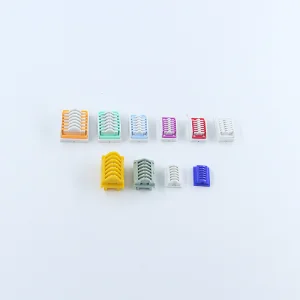
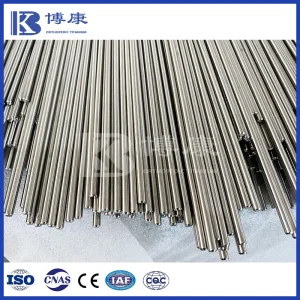
Disposable and reusable surgical tools depend on high-quality metals. Our Medical Grade Pure Titanium Wire is widely used to manufacture clinical staples, cardiovascular clips, and ligating clips. Additionally, our Medical Disposable Product Ligating Hemolock Titanium Clips provide rapid, secure vascular ligation during minimally invasive surgeries.
Modern diagnostic imaging, such as MRI scanners and ultrasound consoles, uses CNC-milled aluminum enclosures. The non-magnetic properties of aluminum ensure zero interference with electromagnetic fields, safeguarding signal integrity and diagnostic precision.
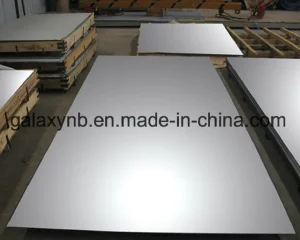
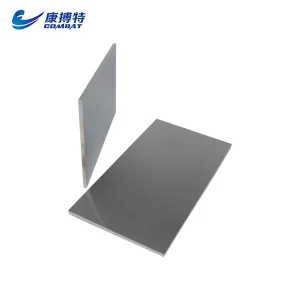
Explore our selection of medical titanium rods, sheets, specialized wires, and alloy bars designed to support precision clinical device manufacturing.
 Retra Medical