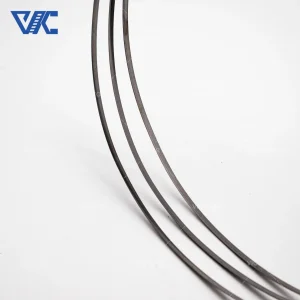
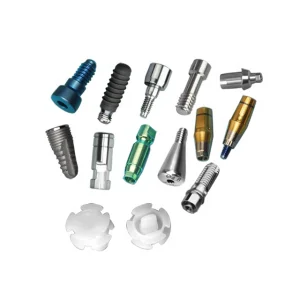
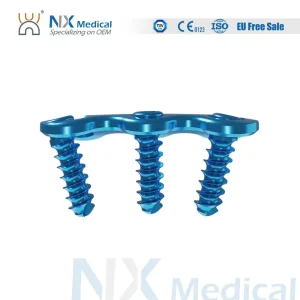
High-grade metallic materials engineered to meet stringent ISO and ASTM orthopaedic standards.
Total Hip Arthroplasty (THA) stands as one of the most successful surgeries of the 21st century. At the absolute core of this success is the performance of the titanium acetabular cup. As global demographics shift towards younger, more active patients alongside an aging global population, the demand for implant longevity has exponentially intensified. Leading healthcare systems and B2B medical procurement agents are looking beyond basic compliance—demanding structural innovation, advanced tribology, and reliable manufacturing routes.
China's medical implant manufacturing sector, led by standard-setting facilities like Hangzhou Retra Medical Co., Ltd., has transitioned from high-volume capacity to highly specialized R&D hubs. By utilizing medical-grade titanium alloy (principally Ti-6Al-4V ELI / ASTM F136), modern Chinese factories offer exceptional mechanical properties, optimizing biological fixation interfaces to minimize primary instability and secondary aseptic loosening.
Understanding the critical factors that international medical supply chains evaluate during supplier qualification.
International medical buyers prioritize complete raw material traceability. Certifications such as ISO 13485, FDA 510(k) clearances, and EU MDR compliance are mandatory thresholds. The presence of a localized regulatory QA team determines the viability of the manufacturing partner.
Aseptic surgical operations cannot endure supply delays. Buyers require reliable partners with large-scale titanium casting, high-precision CNC machining, and automated cleanroom packaging capacity. They search for factories offering scalable batches with zero deviation in tolerances.
The interface between the titanium acetabular cup and the polyethylene or ceramic liner determines the wear profile. Factories must provide perfectly matched inner dimensions and taper alignments to eliminate micromotion, micro-grooving, and backside wear.
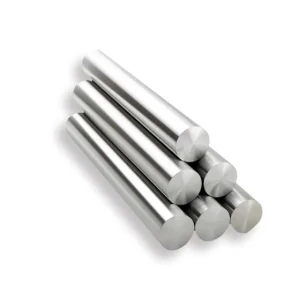
The classic standard: subtractive CNC milling of Ti-6Al-4V bar stocks, followed by a porous VPS titanium or Hydroxyapatite (HA) coating. This creates a rough, high-friction outer shell with excellent primary mechanical press-fit stability. It remains highly cost-effective and clinically proven with decades of clinical register data.
Utilizing Electron Beam Melting (EBM) or Selective Laser Melting (SLM), modern factories build the cup layer-by-layer. This allows the integration of a fully continuous, 3D porous lattice resembling natural trabecular bone structure. The interconnected pores (60-80% porosity, 400-800 micron pore size) vastly accelerate early-stage vascularized bone ingrowth.
Technical Roadmap Trend: The industry is shifting rapidly toward customized patient-specific implants (PSIs). By leveraging preoperative CT data and 3D printing, manufacturers can fabricate non-symmetric, multi-flanged acetabular cups for severe bone defect reconstructions (Paprosky Type III defects).
Hangzhou Retra Medical Co., Ltd. is a leading manufacturer of high-performance medical metals and orthopedic implants, specializing in Medical Titanium, Stainless Steel, CoCrMo, Tantalum, and Nitinol. With a strong commitment to research, development, and precision manufacturing, Retra Medical has become a trusted partner for hospitals, clinics, and medical device companies worldwide.
The company offers a comprehensive range of orthopedic and surgical implants, including joint replacement components, spinal systems, trauma plates and screws, maxillofacial reconstruction devices, and custom implant solutions. All products are manufactured using surgical-grade metals that ensure biocompatibility, durability, and corrosion resistance, meeting the stringent standards of the global healthcare industry.

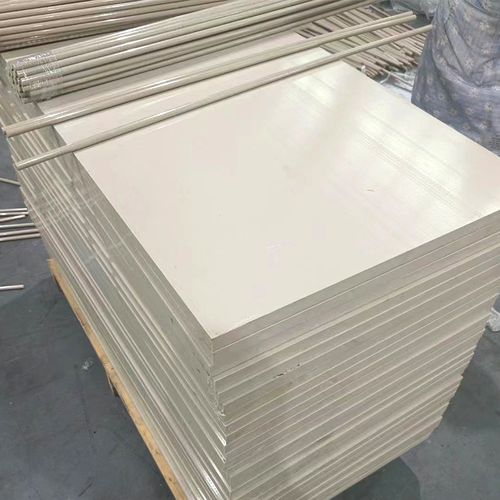
Retra Medical emphasizes innovation and quality control, combining advanced production techniques with rigorous testing to ensure every implant delivers reliable performance and patient safety. The company also provides customized solutions tailored to specific clinical needs, supporting minimally invasive surgery, complex trauma repair, and long-term implant success.
Guided by the principles of "quality first, innovation-driven, customer-oriented," Hangzhou Retra Medical has earned an excellent reputation both domestically and internationally. With a dedicated R&D team, modern production facilities, and professional after-sales support, the company continues to advance the orthopedic and surgical implant industry, providing safe, high-quality, and reliable solutions that improve patient outcomes and support healthcare innovation worldwide.
The technological trajectory of acetabular cup production over the next decade.
Aseptic loosening and periprosthetic joint infection (PJI) remain devastating. Developing thin, bio-absorbable polymer coatings embedded with silver nanoparticles or iodine-doped titanium surfaces designed to release antimicrobial elements in the initial 14 days post-op.
Mitigating dislocation risks by optimizing dual-mobility mechanics. This relies on an advanced internal metallic polish and exact matching with high cross-linked polyethylene (XLPE) or antioxidant (Vitamin-E stabilized) polyethylene inserts.
Fusing advanced ceramics (such as zirconia-toughened alumina - ZTA) directly to porous metal structures, eliminating modular interfaces and reducing potential fretting corrosion at the shell-liner junctions.
Operating a global medical procurement network requires compliance with diverse regional medical agency guidelines. Factories must accommodate regular second-party and third-party facility audits. Hangzhou Retra Medical handles this by establishing standard operations that fully comply with US FDA Quality System Regulations (21 CFR Part 820) and EU ISO 13485 standards.
From chemical analysis of raw material ingots (determining exact nitrogen, hydrogen, oxygen, carbon, and iron trace limits in the Ti alloy) to 3D coordinate measurement machine (CMM) testing, every processing step is documented. Advanced mechanical tests, including fatigue life testing of the cup wall and coating shear strength analysis, are standard deliverables in the customer's technical file.
Technical and logistical insights for clinical engineers and medical procurement professionals.
ELI (Extra Low Interstitial) alloys contain lower levels of oxygen, nitrogen, carbon, and iron. This structural modification increases ductility, fracture toughness, and fatigue resistance, which are critical for preventing structural failure under the repetitive stress of human locomotion.
We perform rigorous tension and shear testing according to ASTM standards to verify the mechanical stability of our porous coatings. Advanced thermal spraying techniques ensure that the bond strength between the substrate and the porous interface surpasses FDA requirements for clinical loading.
Yes. Utilizing CNC milling or selective 3D metal printing, we can manufacture custom acetabular reconstructions based on clinical CT data. We support surgical teams by designing custom screw hole positions and specific outer diameters for complex revisions.
Standard sizes and configurations are processed within 30 to 45 days, depending on batch volumes and sterilization specifications. We offer customized scheduling systems to coordinate supply chain requirements for continuous distribution.
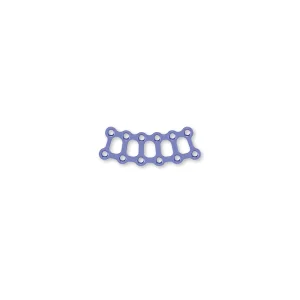
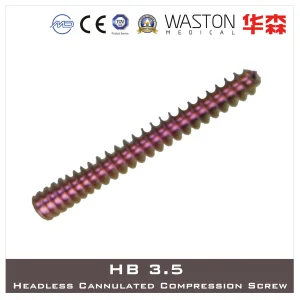
High-purity implant systems and surgical materials manufactured by Hangzhou Retra Medical.
 Retra Medical