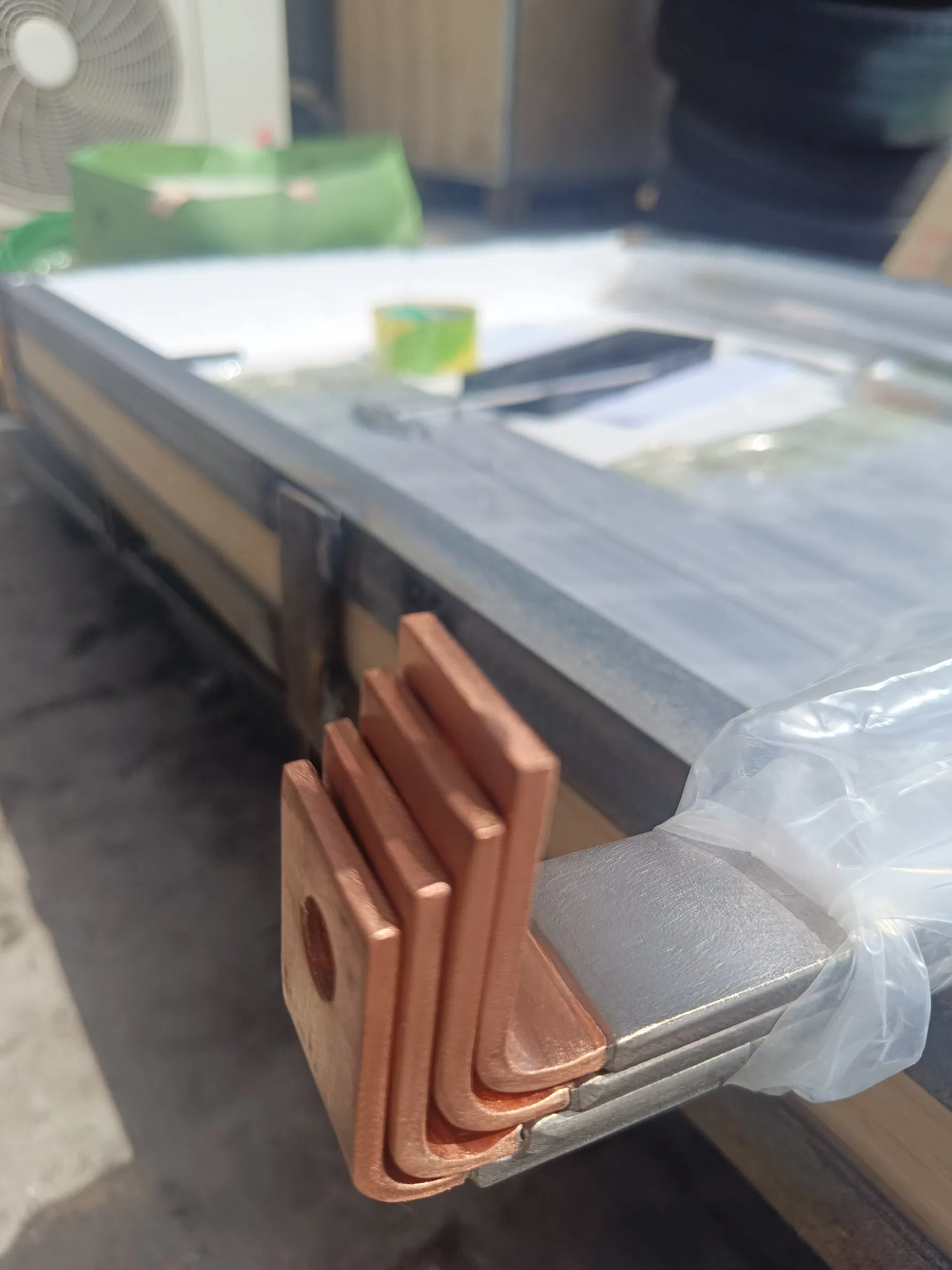
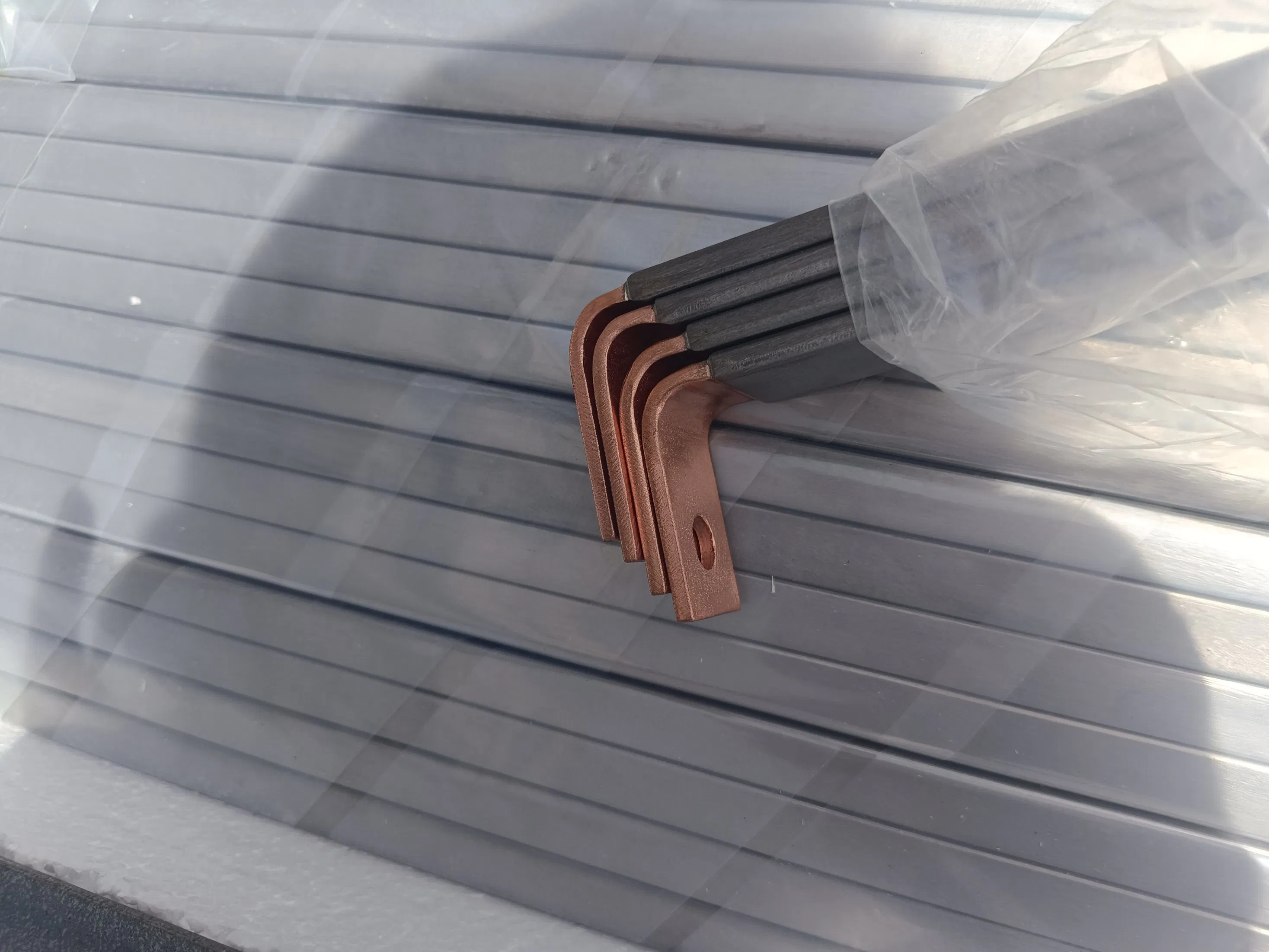
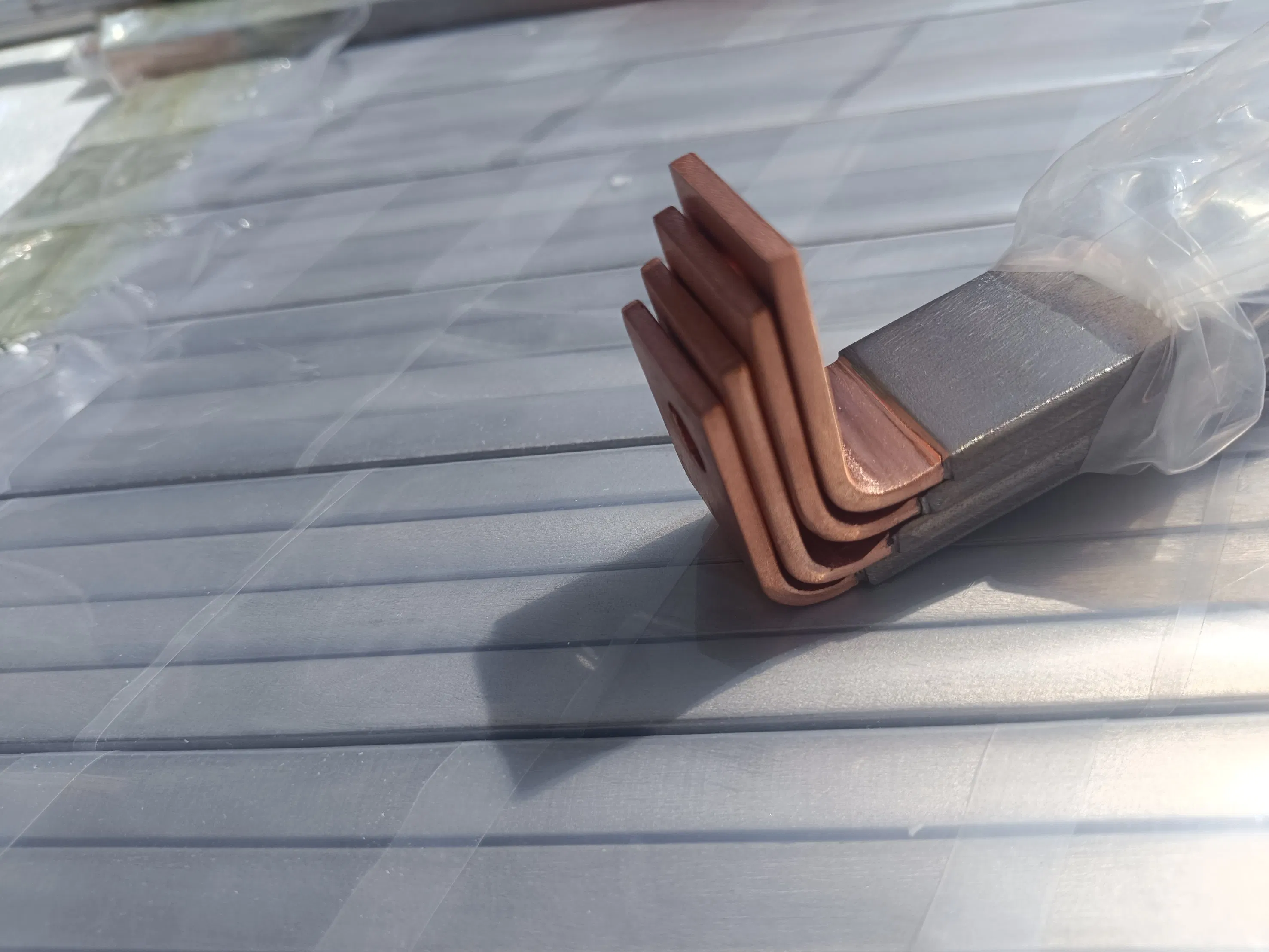
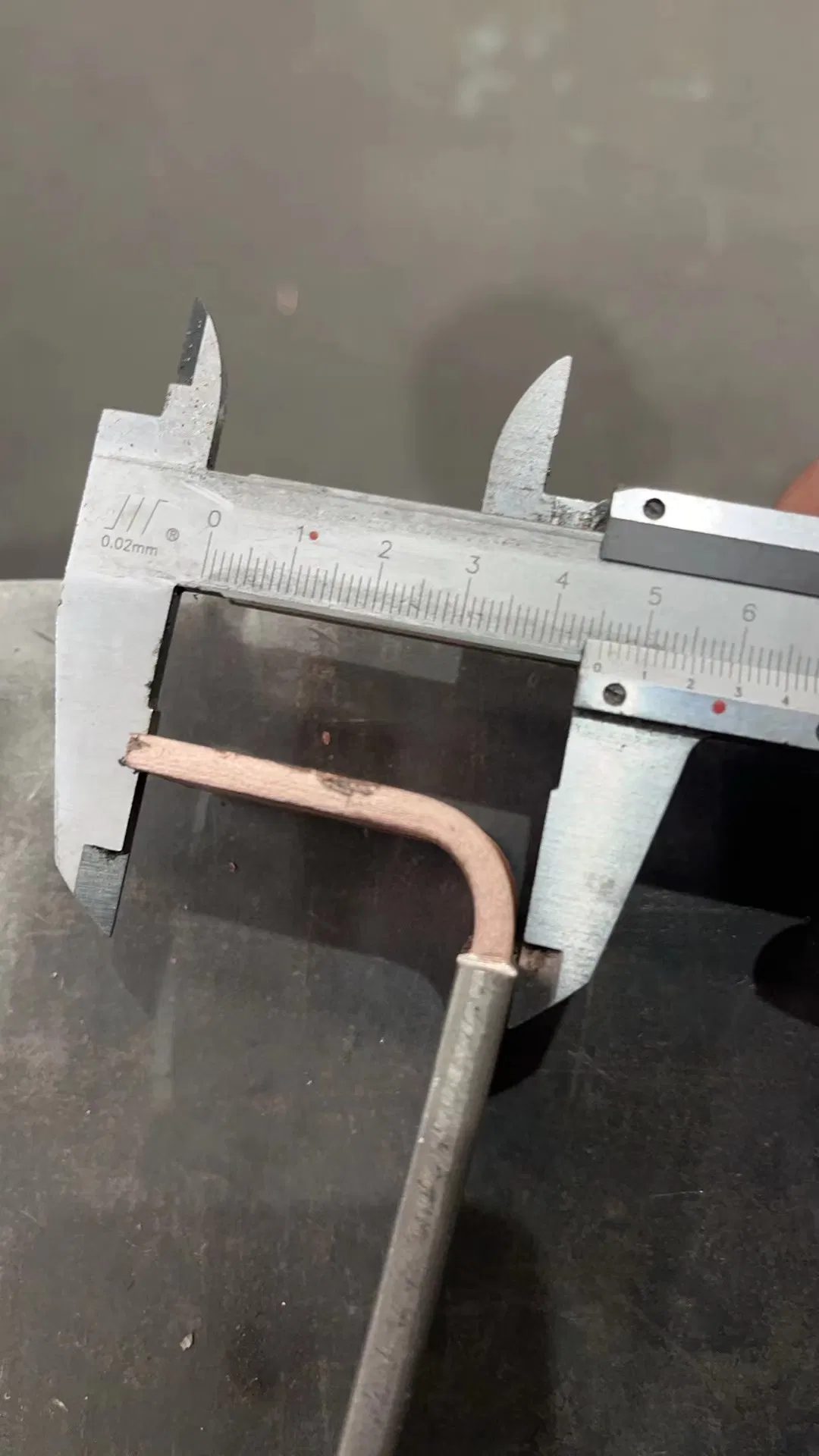
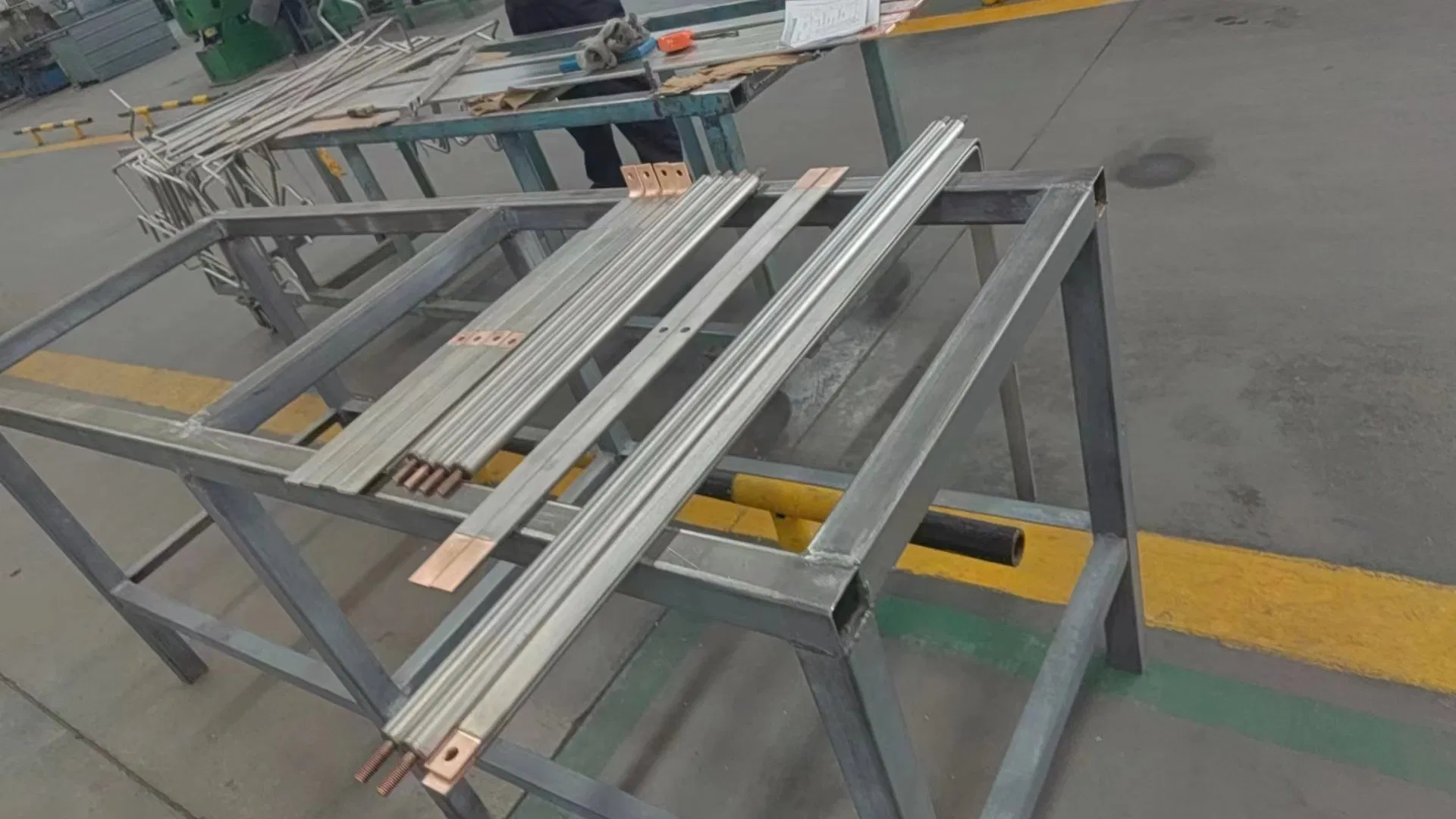
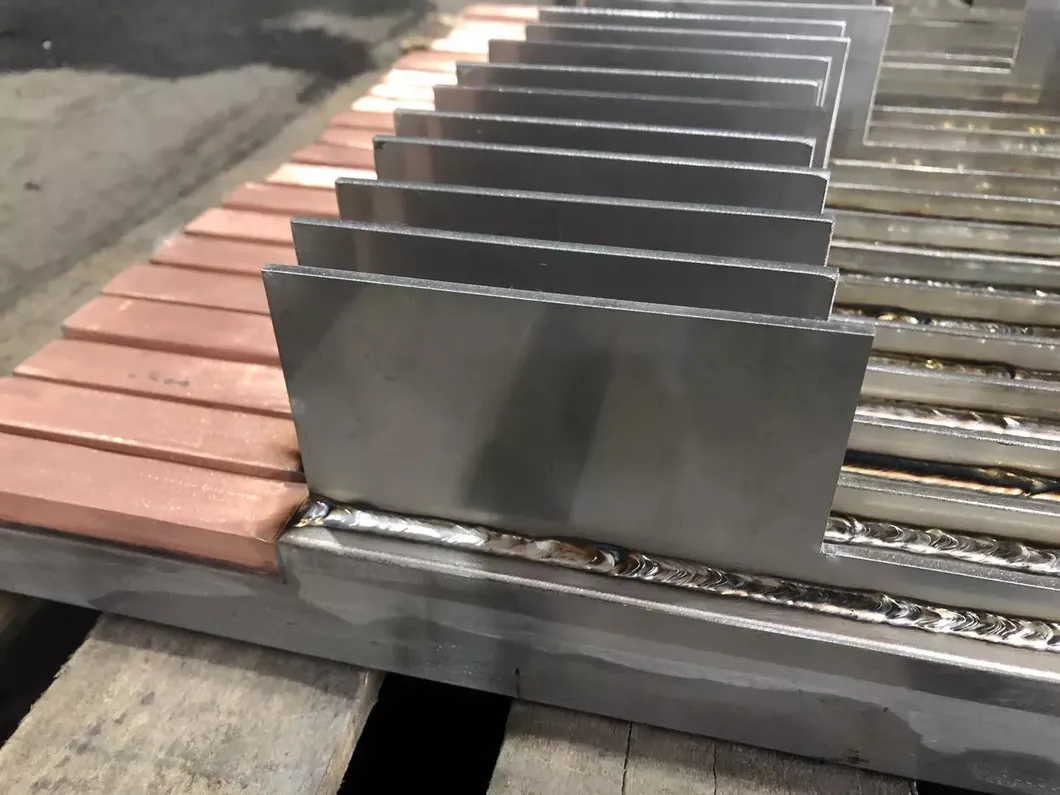
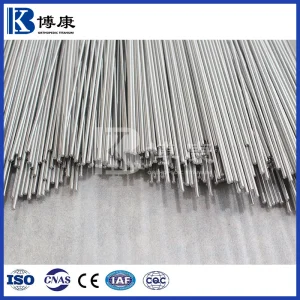
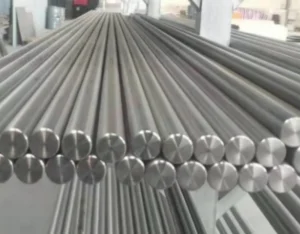
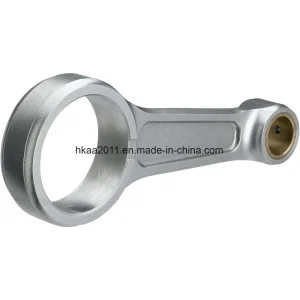
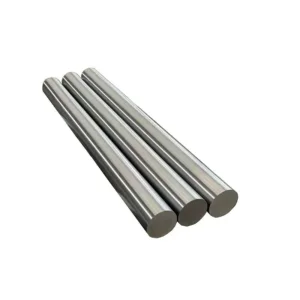
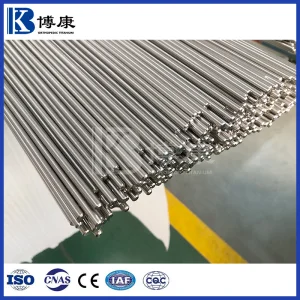
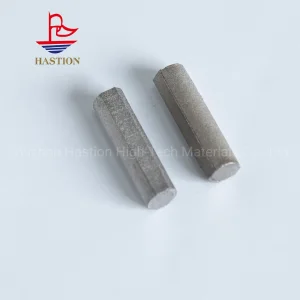
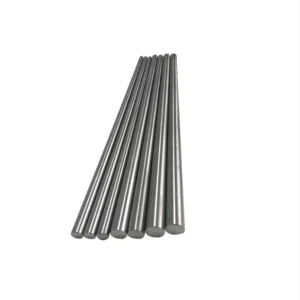
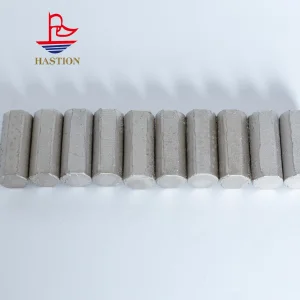
Titanium Copper Clad Bars/ Titanium Clad Copper Rod with Bent End

Still deciding? Get samples of $ !
Request Sample

Product Description

Basic Specifications

Technique
Metallurgical Bond/ Explosion Bonding
Grade
GR2
Shape
Square
Material Core
Copper (T2, Tu2)
Cladding Layer
Titanium (Gr2), Ni, Zr
Production Capacity
200,000 PCS/Year

Product Overview

Titanium clad copper bus bars anode is a copper bar cladding with a certain thickness of titanium level, mainly used as a stand in plating, electrolysis, hydrometallurgy processes. It retains the original conductive property of the copper bar while protecting it from corrosion by the titanium level. This innovation avoids traditional copper bus bar shortcomings such as electrical contact resistance heat generation and electrolyte pollution from copper compounds.
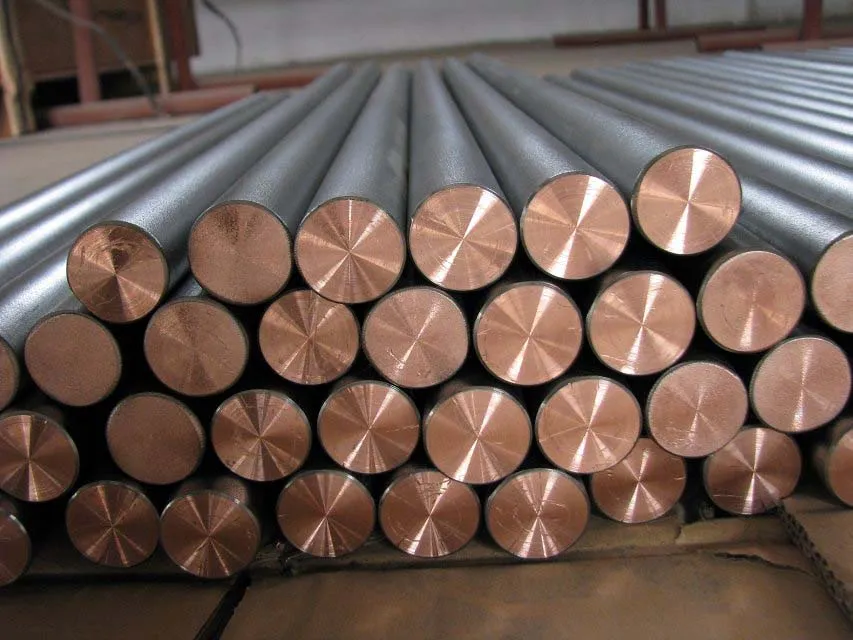
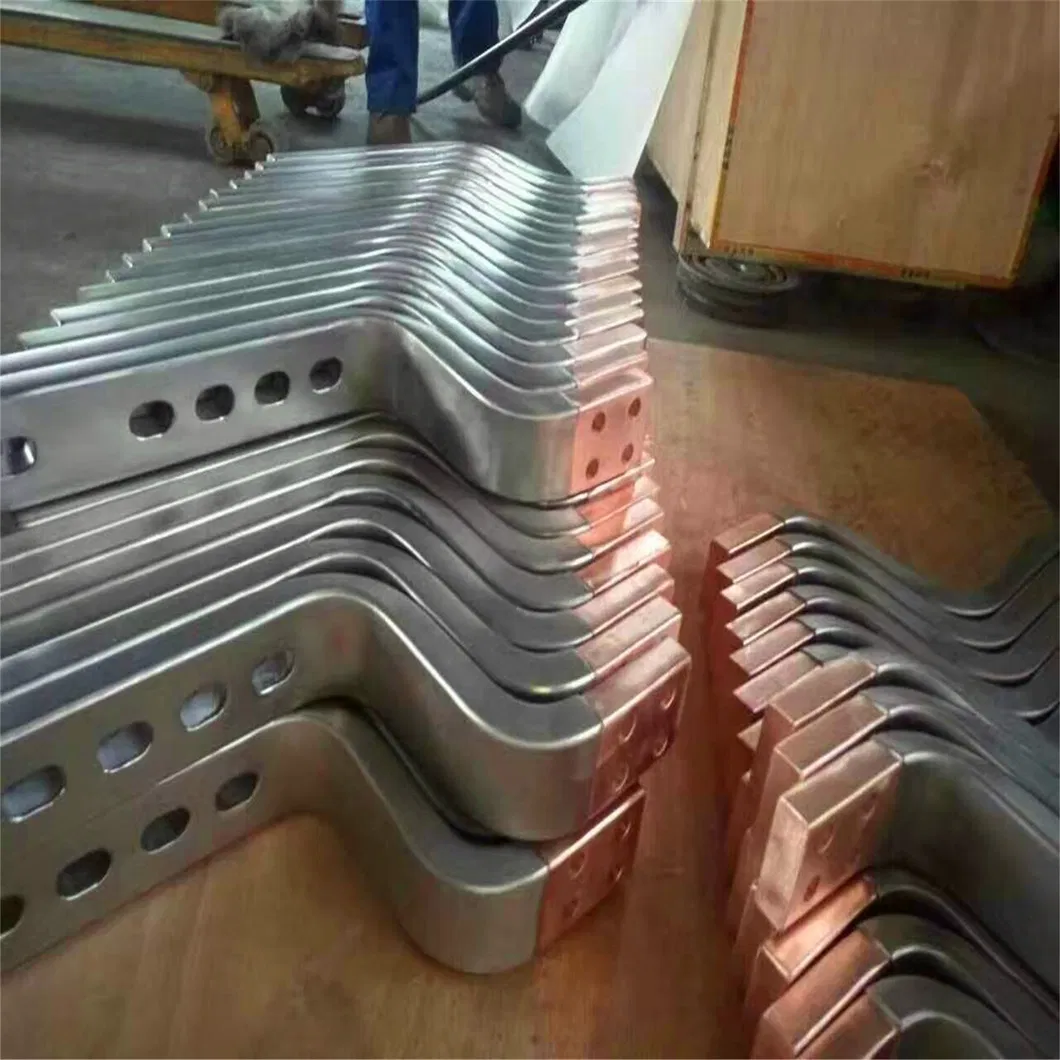
Titanium Copper Clad Bars
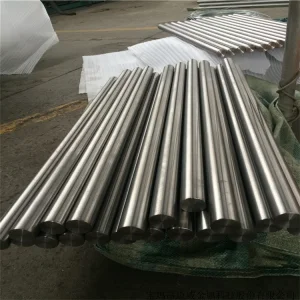
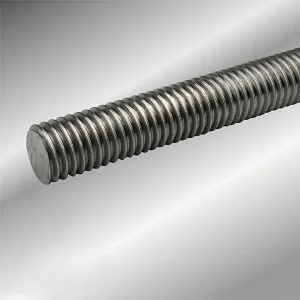
Titanium Clad Copper Rod
Clad Composite Materials

Utilizing advanced processing technologies—explosive welding, rolling cladding, and explosions-rolling cladding—we ensure strong combination strength and a high pasting rate between the core and the outer layer. Our products feature a sheared strength ≥ 130 Mpa and a compact rate ≥ 98%.

Key Advantages

1
Superior Strength: Shear and tensile strength guaranteed in accordance with GB, ASTM, and JIS standards.
2
Excellent Ductility: Guaranteed performance in face bend and reverse bend tests without delamination.
3
Electrical Efficiency: The explosion-rolling process ensures complete bonding with micro-resistance of 7.77 × 10⁻⁶Ω.
4
Corrosion Resistance: High-grade titanium cladding provides fantastic protection in harsh electrolytic environments.
5
Reliable Inspection: 100% Ultrasound inspection and visual testing, supplemented by physical and chemical lab analysis.

Technical Parameters

Material Description Trademark/Grade Specification (mm) Standard Application
Titanium clad 316L Steel TA1, TA2, TA10/16, Q235 1-10 / 5-120 X ≤2000 X ≤8000 ASTM B 898-99, JISG3601-92 Petrochemical, Chloro-alkali, Fertilizer
316L steel clad copper 304, 321, 316L / T1, T2 1-10 / 5-120 X ≤2000 X ≤8000 GB8547-87, ASTM B 898-99 Vacuum salt making, Electroplating
Titanium clad aluminium TA1, TA2 / L, LY, Lf 1-10 / 5-50 X ≤2000 X ≤8000 JISG3601-92 Aerospace, Cookware, Shipbuilding
Titanium clad Copper TA1, TA2 / T1, T2, T3 1-10 / 5-50 X ≤2000 X ≤8000 GB8547-87, ASTM B 898-99 Power plant, Electrolysis, PCB
Ti/Ni clad material TA1, TA2 / N2, N4, N6 1-10 / 5-50 X ≤2000 X ≤8000 ASTM B 898-99 Metallurgy

Frequently Asked Questions

Q1: What is the primary benefit of using Titanium clad copper bars?
It combines the high conductivity of copper with the extreme corrosion resistance of titanium. This prevents the copper core from corroding in aggressive chemical environments like electrolysis baths, extending the lifespan of the equipment and reducing electrolyte contamination.
Q2: Which manufacturing techniques are used for the cladding process?
We utilize three advanced technologies: explosive welding, rolling cladding, and explosion-rolling cladding to ensure a compact rate of over 98% and superior bonding strength.
Q3: Can you provide customized shapes and lengths?
Yes, we can supply various specifications including round, square, and flat bars. The length of the bars can reach above 10 meters, and we can weld different shapes according to specific customer requirements.
Q4: How is the quality of the bonding interface tested?
All products undergo 100% ultrasound inspection and visual testing. We also perform sheared strength tests (reaching ≥ 130 Mpa) and microstructure inspections in independent labs.
Q5: Are there other cladding options besides Titanium?
Absolutely. We also produce nickel clad copper bars, stainless steel clad copper bars, zirconium clad copper bars, and various other non-ferrous metal composite materials.

Related Products