Superelastic Ni-Ti Nickel Titanium Wire Shape Memory Alloy Nitinol Flat Wire Medical Price

Still deciding? Get samples of $ !
Request Sample

Product Description

 Technical Specifications & Basic Info
Model NO.
Tini-01/02/03
Surface Treatment
Polishing
Type
Nickel based shape memory alloy
Customized
Available
Application
Aerospace, Medical, Chemical, Food, Construction
Certification
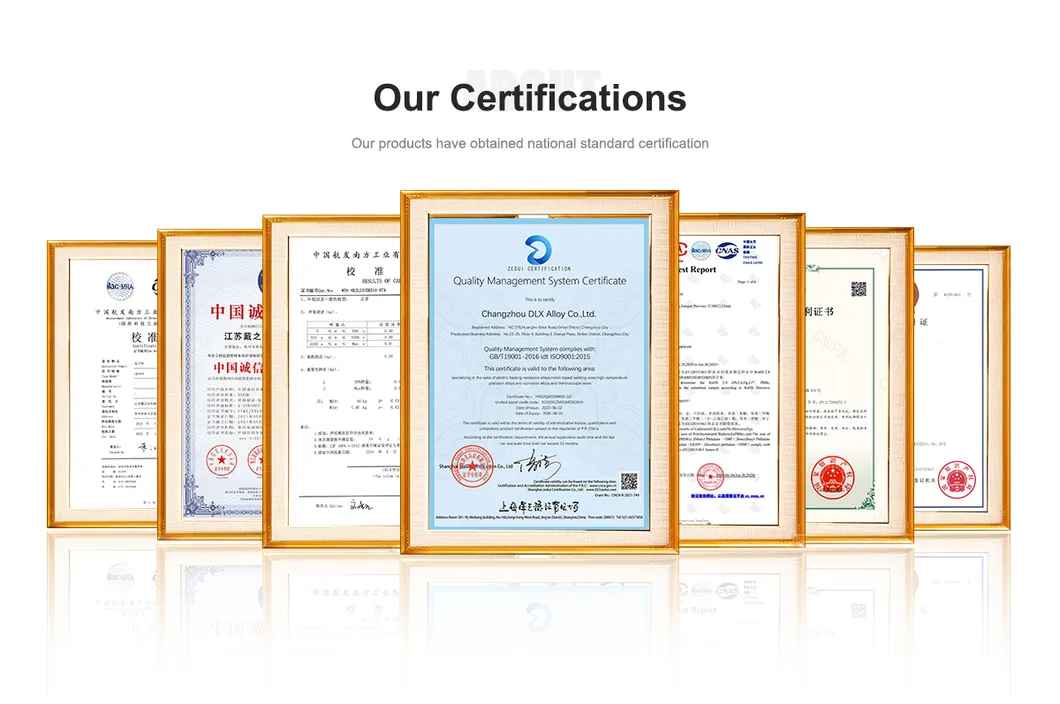
ISO, BSI, CE
Feature
High Temperature Resistance
Material
Titanium Nickel Alloy
 Product Description

Nickel Titanium (Nitinol or NiTi) belongs to a unique class of shape memory alloys. Its extraordinary properties are derived from a thermoelastic martensitic phase transformation within the material. Typically composed of 55%-56% Nickel and 44%-45% Titanium, even minor compositional adjustments can significantly alter its performance characteristics.

Primary Categories of Nitinol:

  • SuperElastic: Known for exceptional recoverable strains and superior kink resistance. Commonly utilized in orthodontics (braces, wires) and eyeglass frames.
  • Shape Memory: Valued for its ability to recover a pre-set shape upon heating above its transformation temperature. This makes it ideal for actuators and various mechanical devices.
 Technical Parameters
Product Type Grade Fully Annealing Af Form Standard
Shape memory nitinol alloy NiTi-01 / 02 20ºC~90ºC Wire, Bar, Plate, Sheet ASTM F2063, Q/XB1516.1, Q/XB1516.2
Superelastic nitinol alloy Ni-Ti-SS -5ºC~5ºC
Medical nitinol alloy NiTi-SS 33ºC±3ºC
Specifications Details
Size Range Wire: Dia 0.05-6.0mm | Bar: Dia 3.0-20mm | Sheet: Thickness 0.3-10.0mm
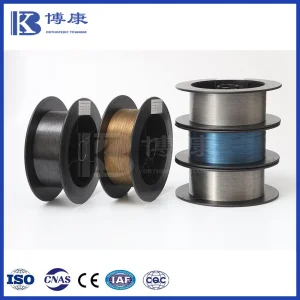
Surface Options Oxide (Black, Blue, Amber), Etched, Medical Polished, Centerless Ground
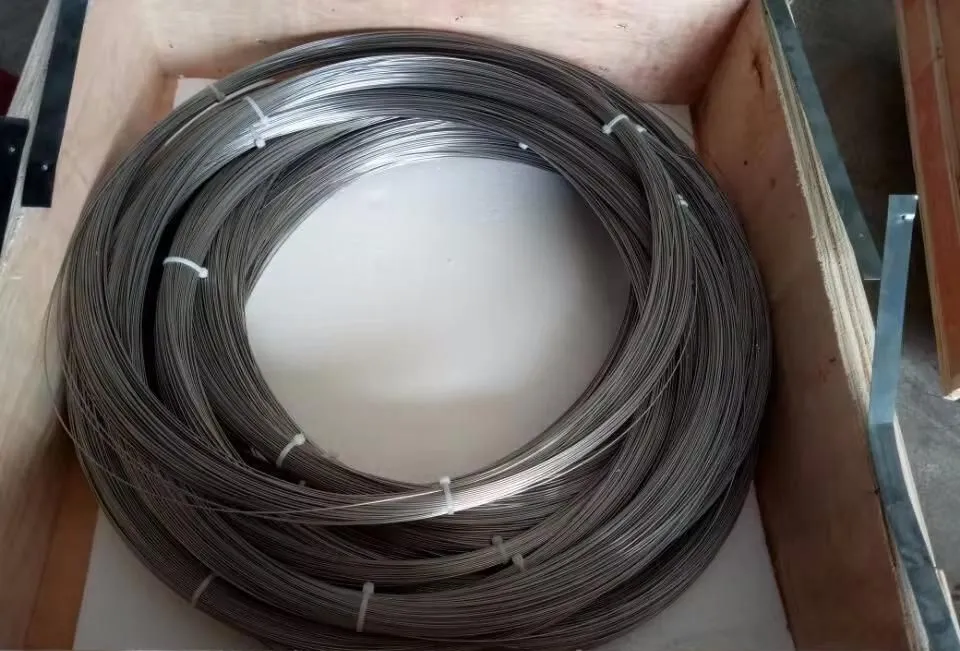
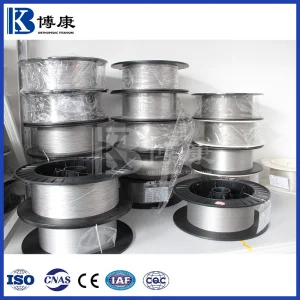
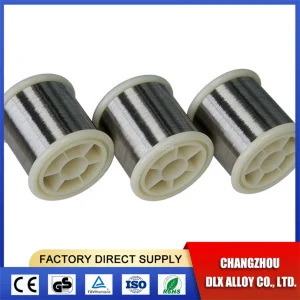
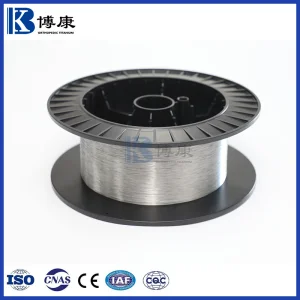
Packaging Straight lengths, Coils, Spools, or custom Export Wooden Cases
 Product Display
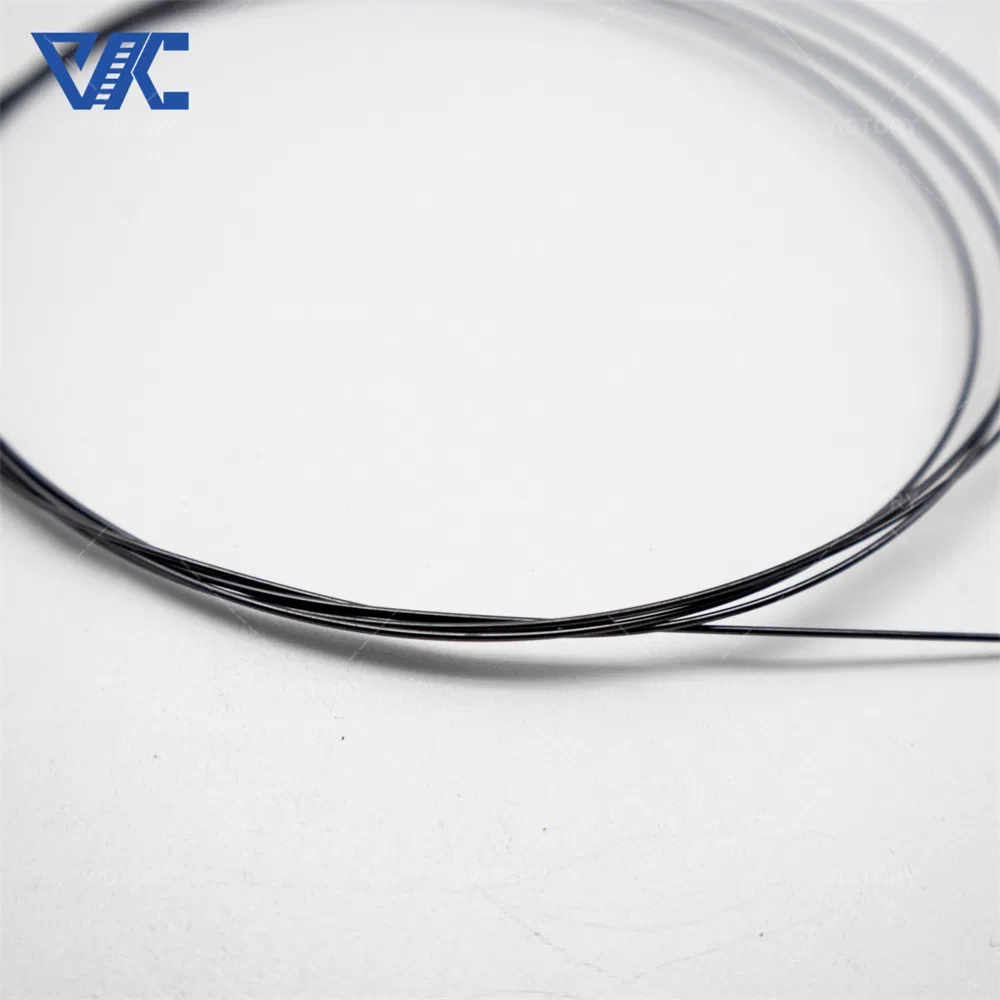
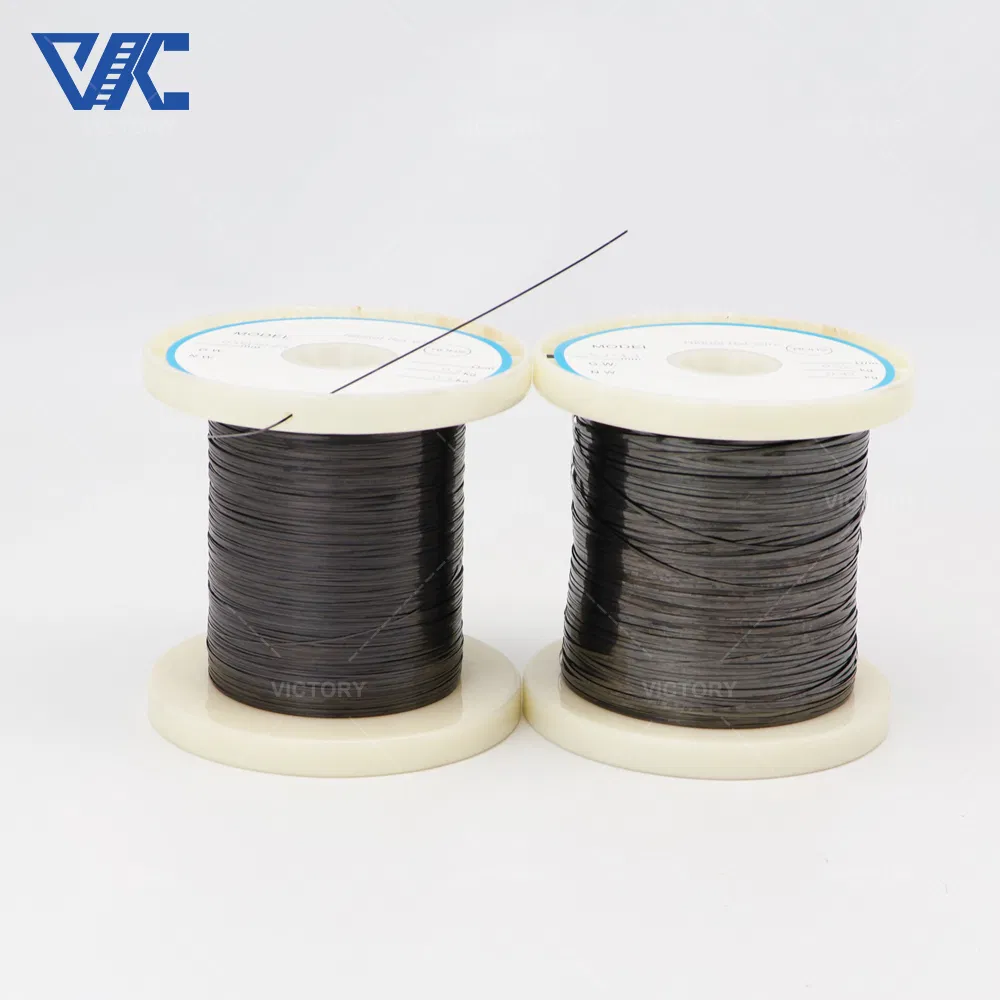
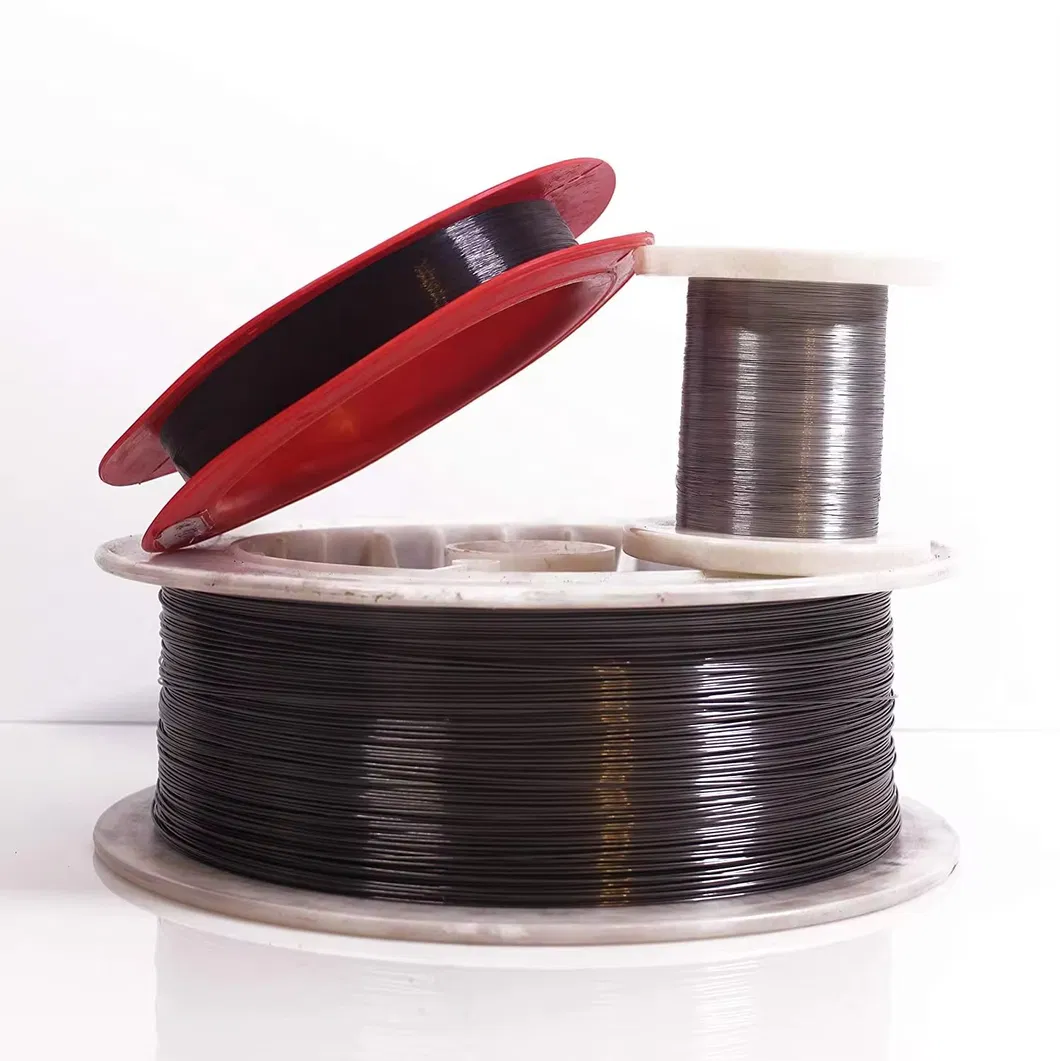
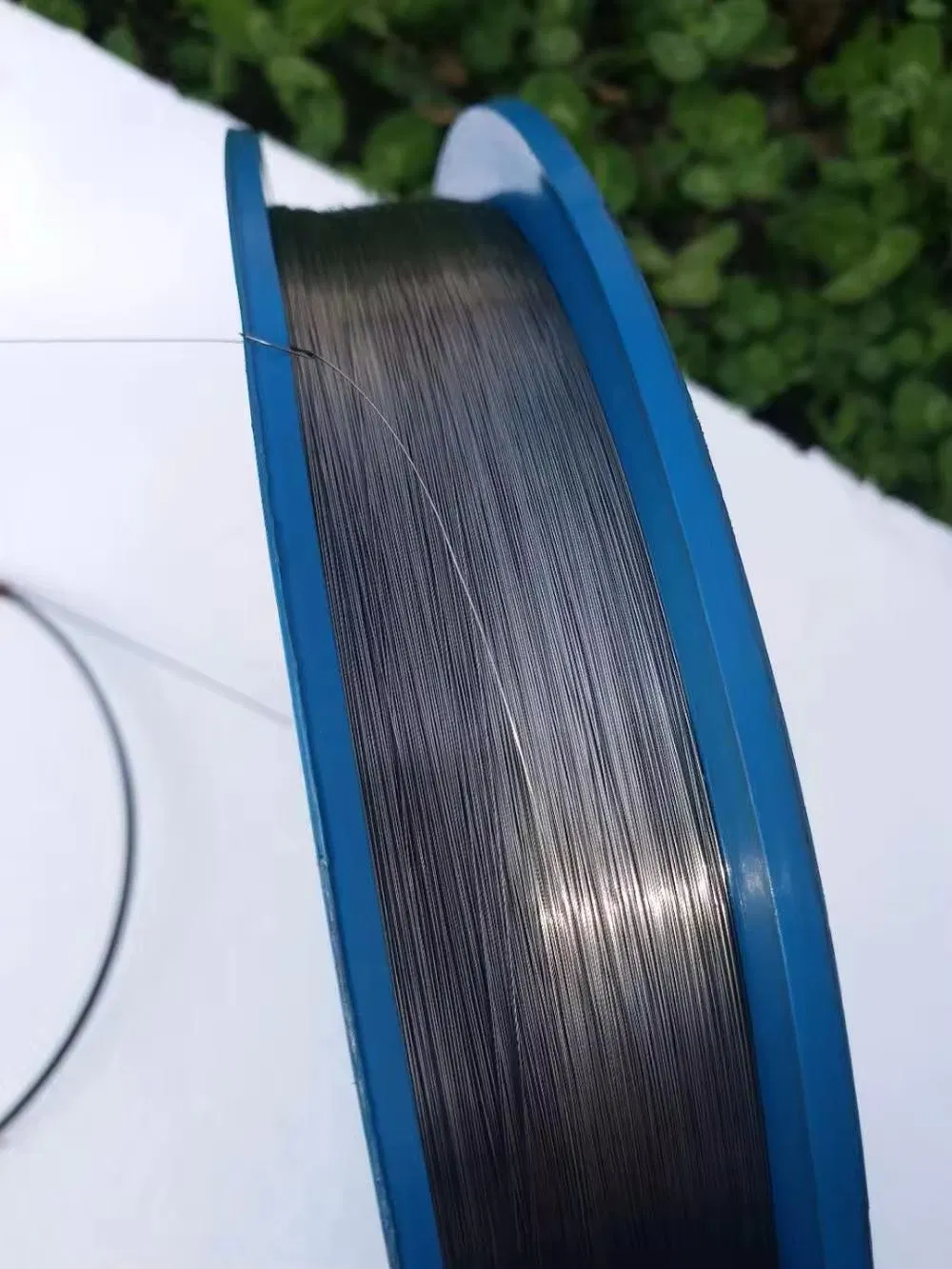
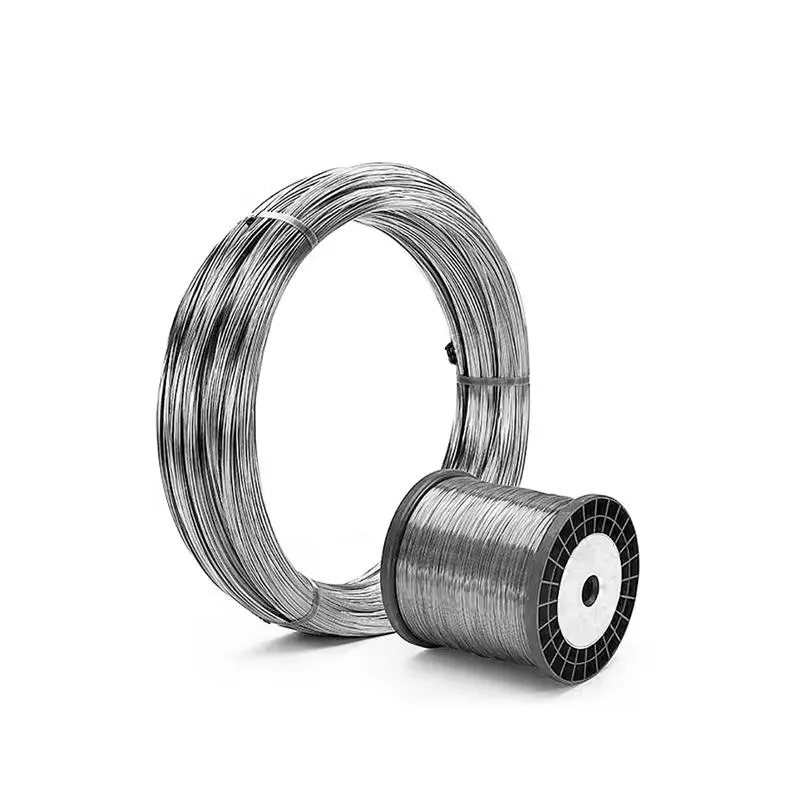
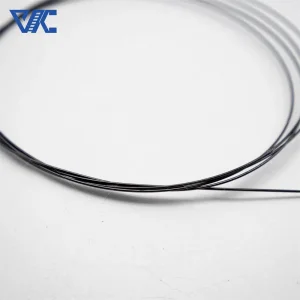
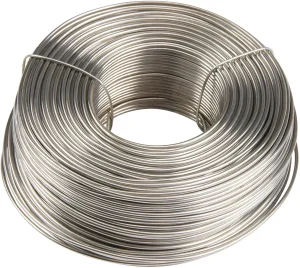
Nitinol Wire 1
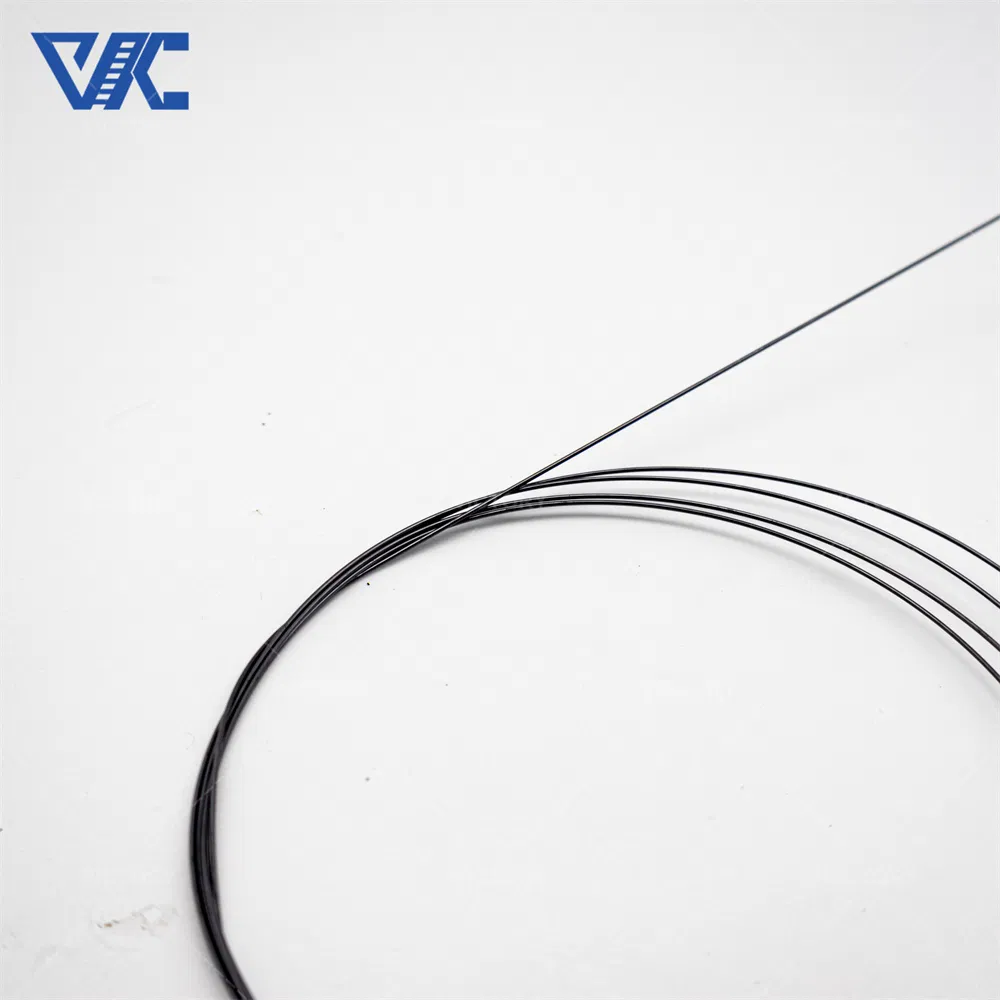
Nitinol Wire 2
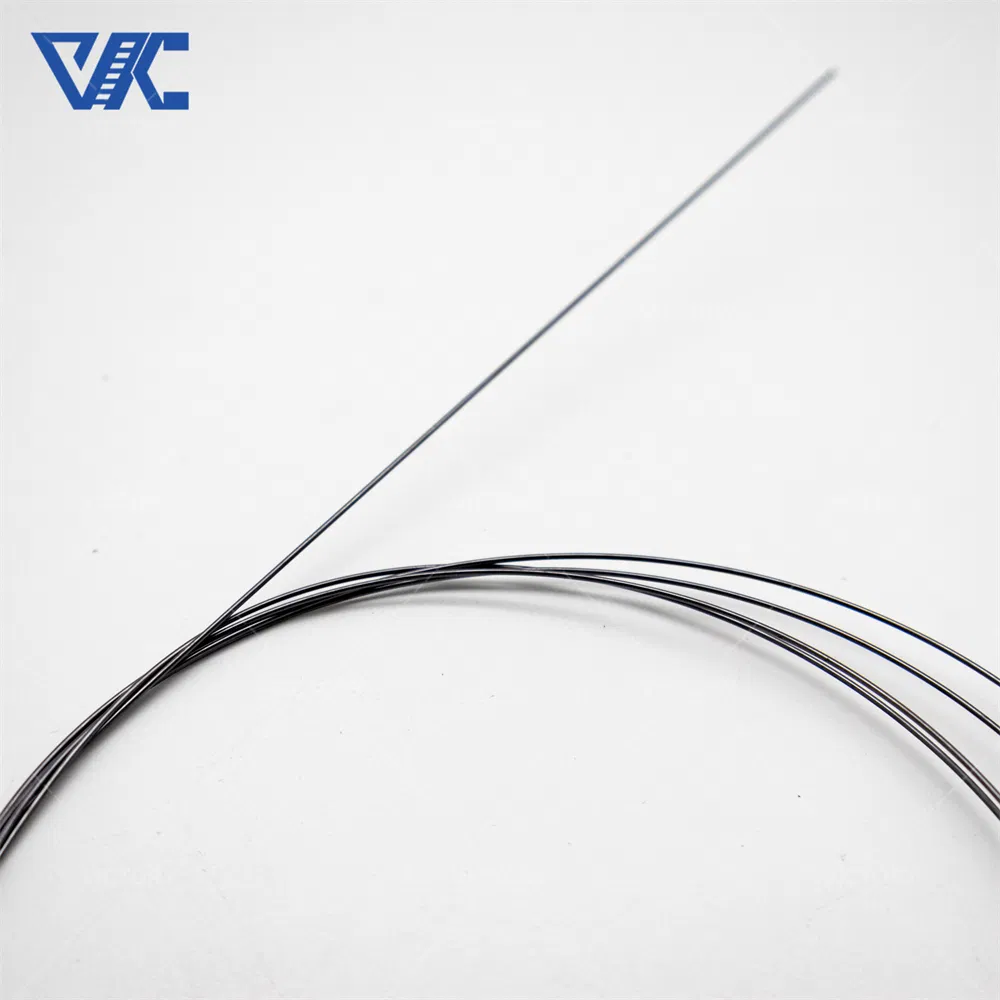
Nitinol Wire 3
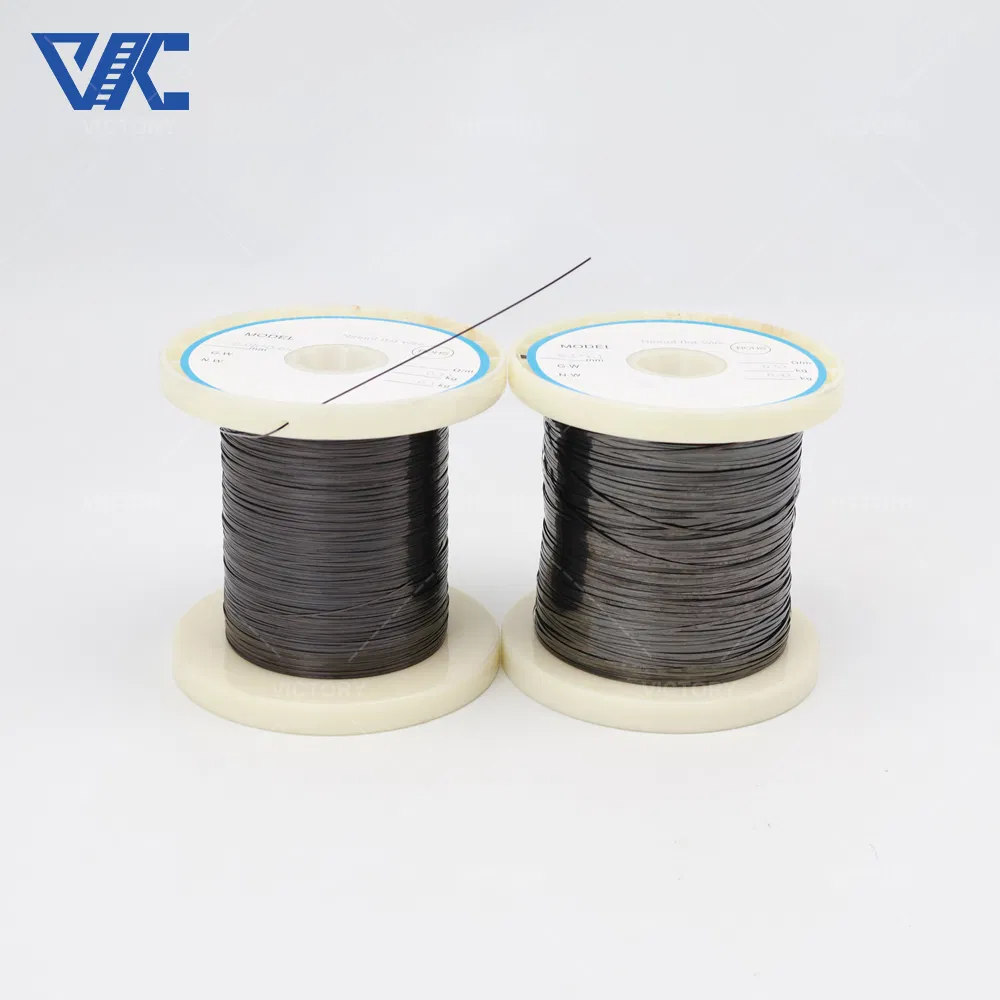
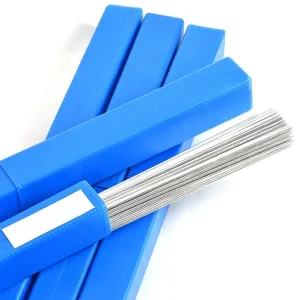
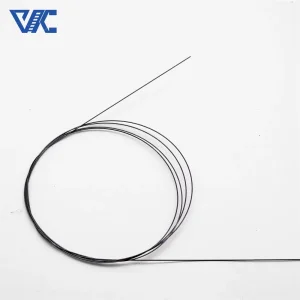
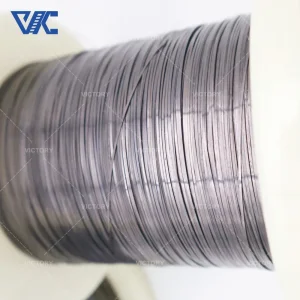
Nitinol Flat Wire
 Production & Quality Control
Facility
Advantage 1
Advantage 2
Quality Standard
 Frequently Asked Questions
1. What are the key properties of Nitinol alloys?
Nitinol is famous for its Shape Memory Effect (SME) and Superelasticity. It can return to a pre-programmed shape when heated and can withstand significant deformation while springing back to its original form.
2. Which industries commonly use Nickel Titanium alloys?
Nitinol is widely used in medical (stents, orthodontic wires), aerospace (actuators), eyeglasses frames, and various industrial applications requiring high corrosion resistance and flexible durability.
3. Do you provide samples for material testing?
Yes, samples can be provided for quality evaluation and testing. Please reach out with your specific requirements regarding diameter and grade.
4. What surface finishes are available for Nitinol wires?
We offer various finishes including oxide surfaces (black, blue, amber), chemically etched surfaces, high-precision medical grade polishing, and centerless ground surfaces.
5. What is the typical lead time for orders?
Standard sample lead times are generally around 7 days after confirmation. For bulk production or customized dimensions, lead times vary based on specifications.
6. What standards do your products comply with?
Our products meet major industry standards including ASTM F2063 for medical applications, ensuring high purity and consistent phase transformation properties.
Packaging

Related Products