Retra Medical
1 / 5
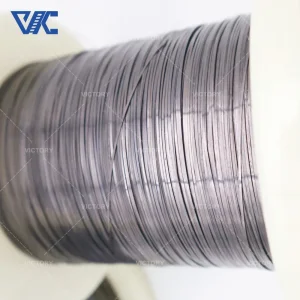
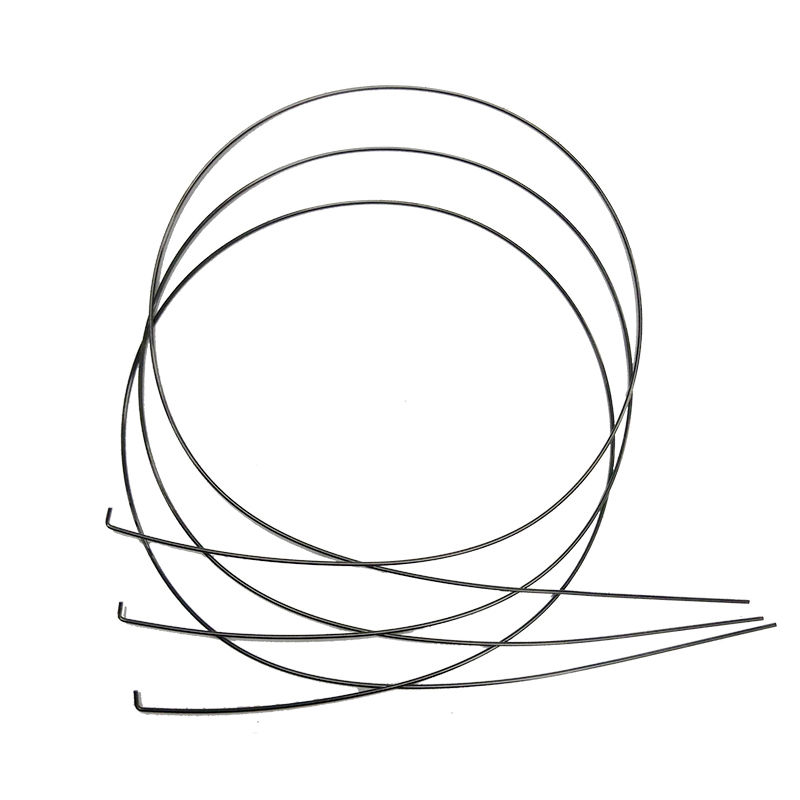
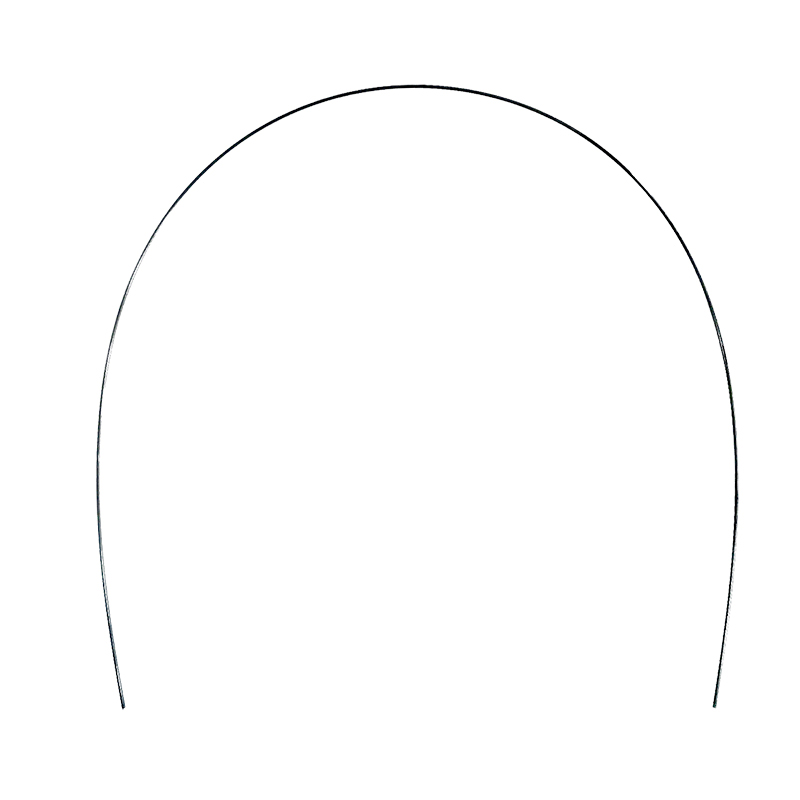
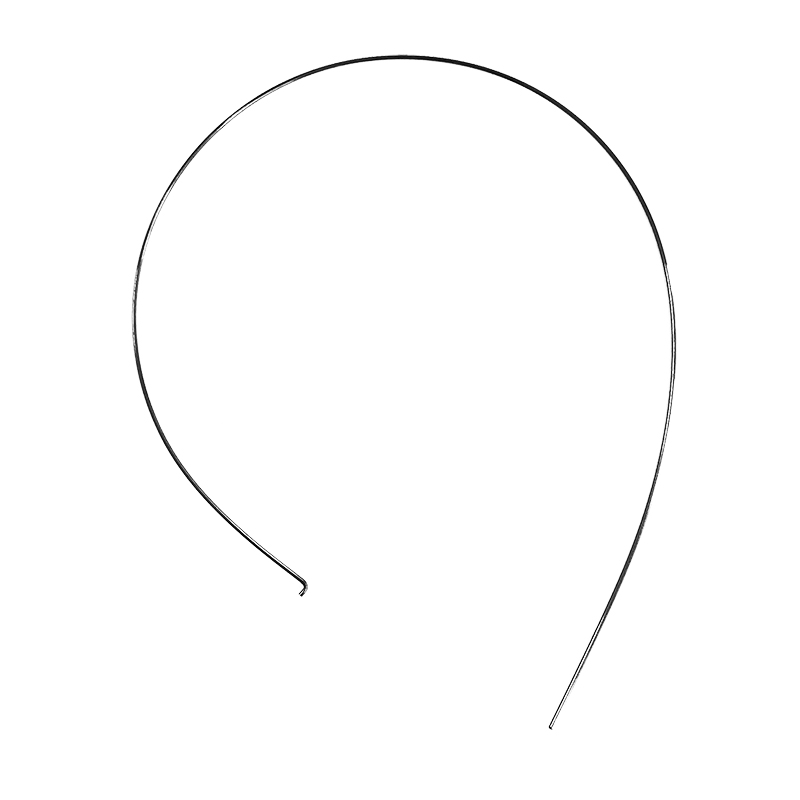
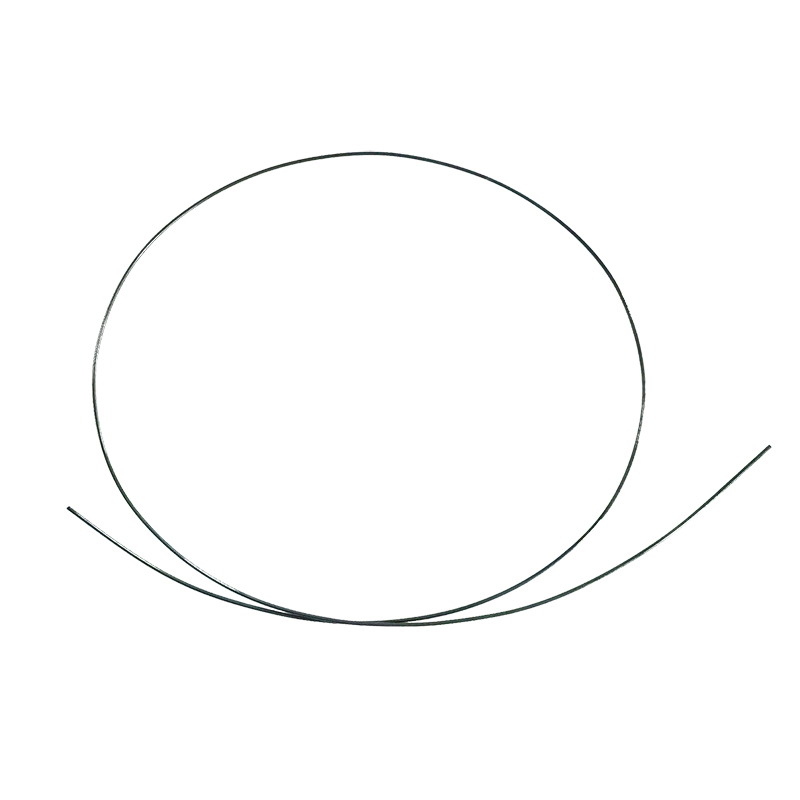
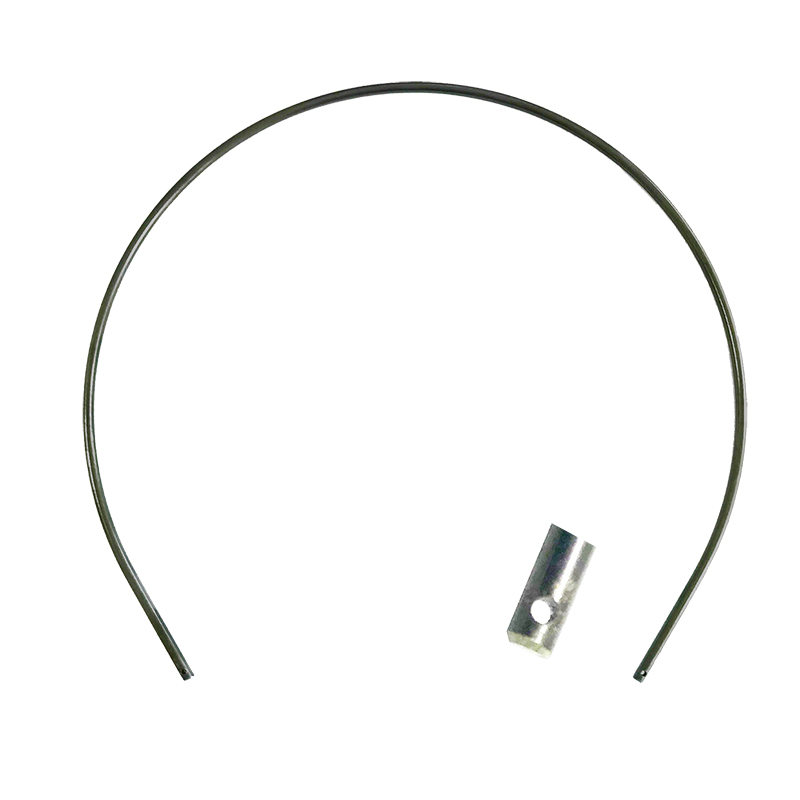
Ni-Ti shape memory alloys are extremely interesting materials both for their ability of showing the shape memory effect (SME) and for their elevated strength and ductility.
Shape memory alloys do exactly as their name would suggest; they're metallic materials that are able to remember, and return to, their original shape (the shape they are given when made, say as a casting or an extrusion) under the right stimuli. The principle behind this unusual phenomenon comes from two diverse atom arrangements (crystal structures) present in this material - one at high temperatures and one at low temperatures - that are reversible.
At high temperatures, where one of the crystal structures is favoured, the material can be shaped as desired and it retains this geometry as it cools to lower temperatures. Cooled, the material can be bent and twisted beyond all recognition of its previous guise but, on heating, the low temperature atomic arrangement reverts to its previous form and, in so doing, miraculously returns to its previous shape.
Lines that carry highly flammable and toxic fluids and gases must have a great amount of control to prevent catastrophic events. Systems can be programmed with memory metals to immediately shut down in the presence of increased heat. This can greatly decrease devastating problems in industries that involve petrochemicals, semiconductors, pharmaceuticals, and large oil and gas boilers.
Shape memory alloys are inserted into the golf clubs. These inserts are super elastic, which keep the ball on the clubface longer. As the ball comes into contact with the clubface, the insert experiences a change in metallurgical structure. The elasticity increases the spin on the ball, and gives the ball more "bite" as it hits the green.
Performance for helicopter blades depend on vibrations; with memory metals in micro processing control tabs for the trailing ends of the blades, pilots can fly with increased precision.
Eyeglass frames that can be bent back and forth and retain their shape are made from memory metals, demonstrating exceptional super-elasticity and durability.
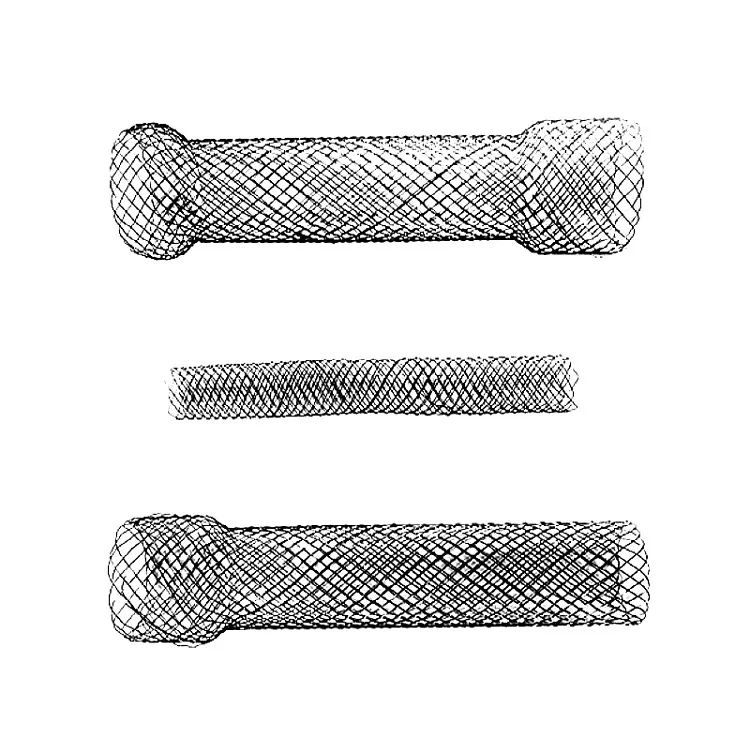
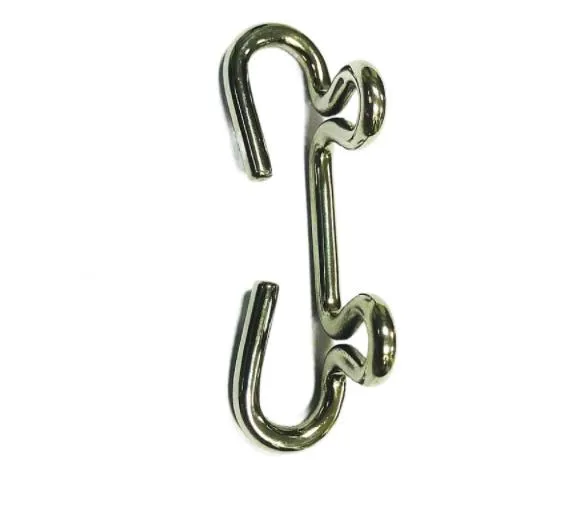
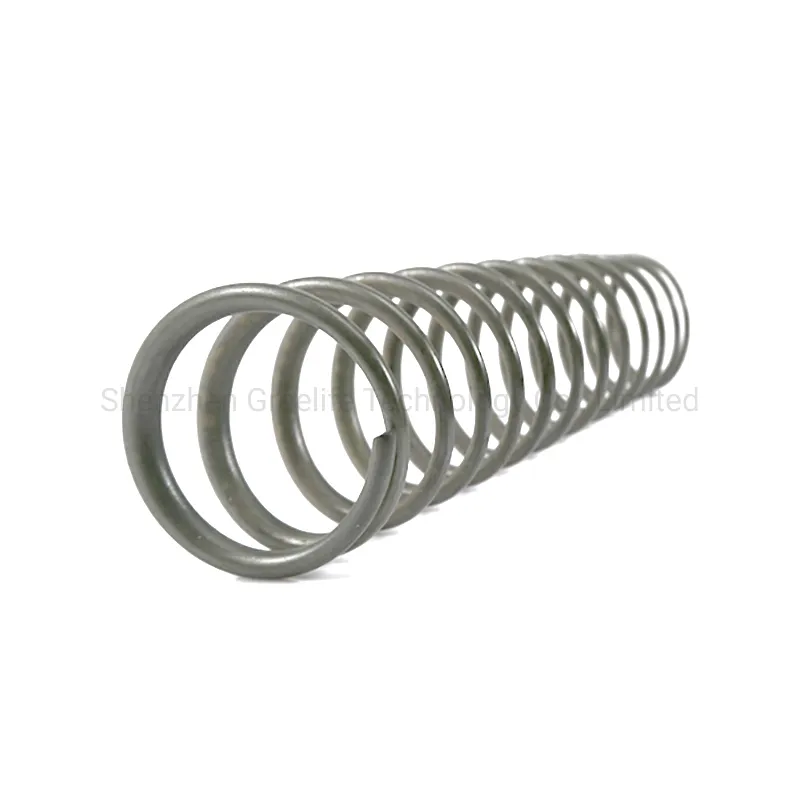
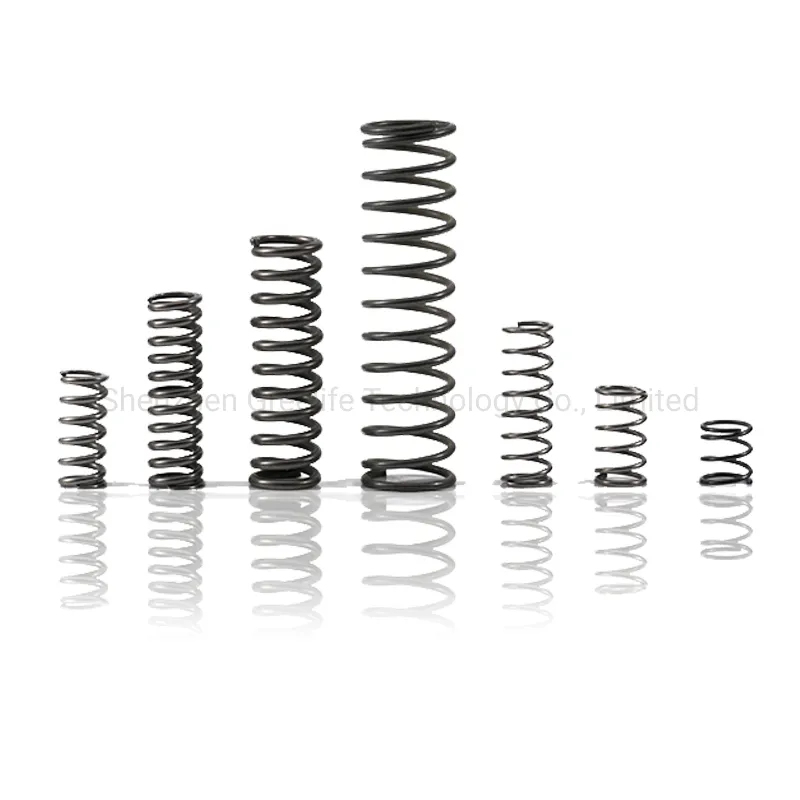
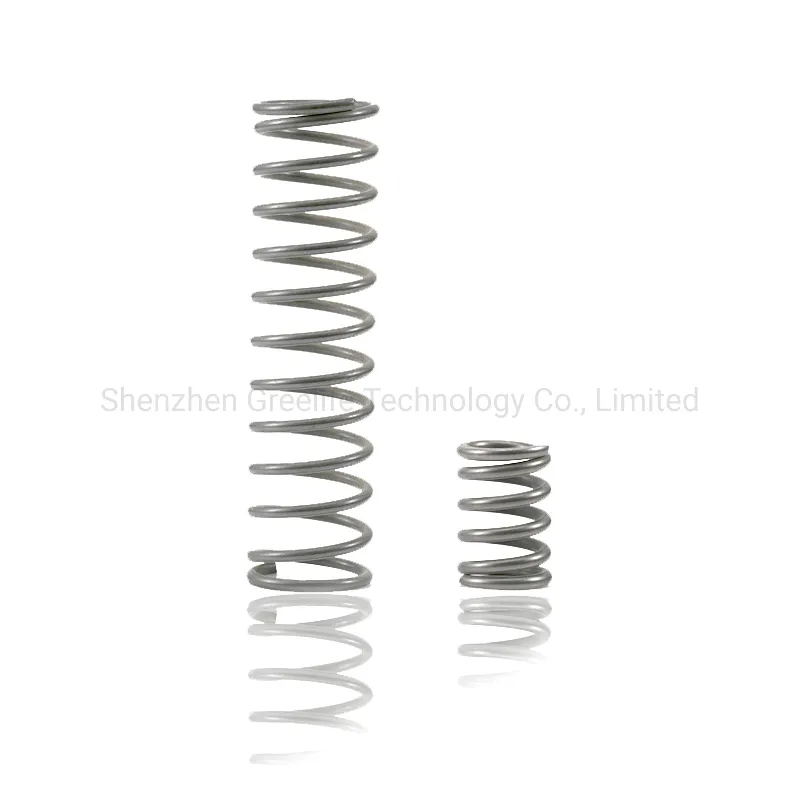
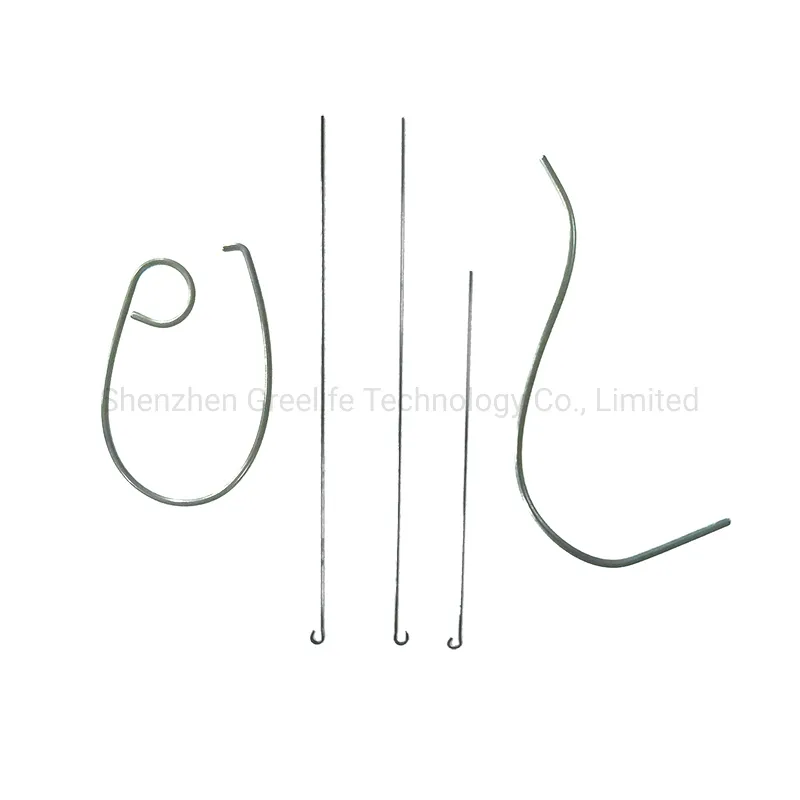
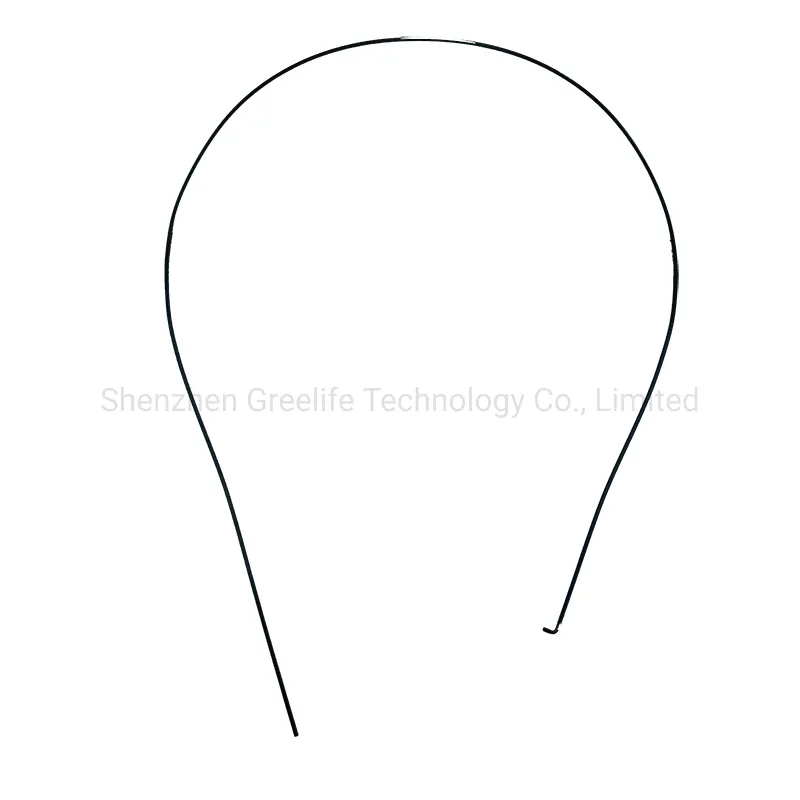
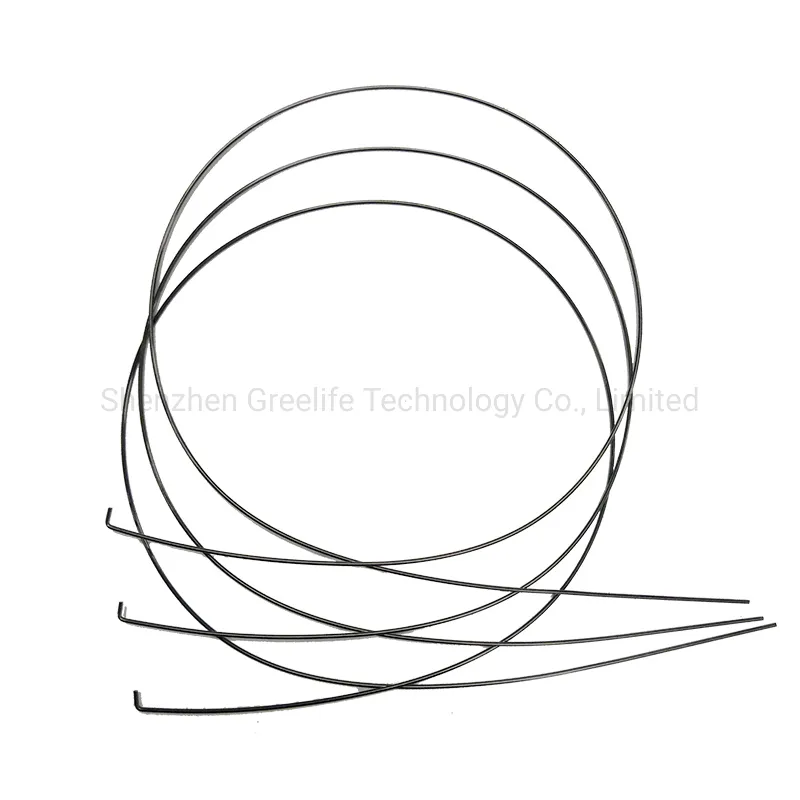
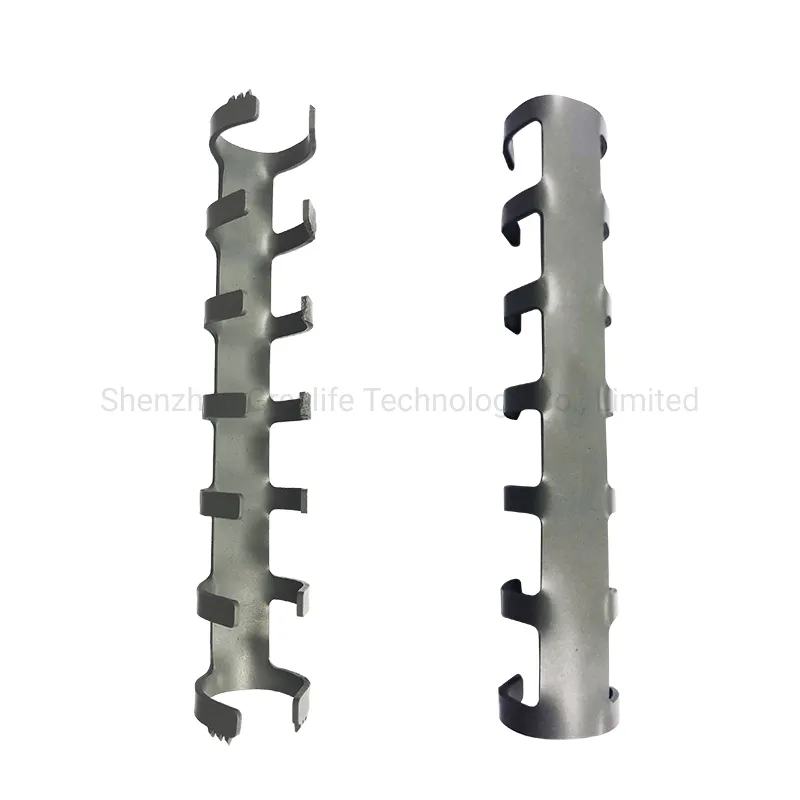
Shape memory alloys (SMAs) are materials that can be deformed at one temperature but when heated or cooled, return to their original shape. Alloys that exhibit this effect only when heated are said to have a "one-way shape memory".
Welcome to send drawings for RFQ.