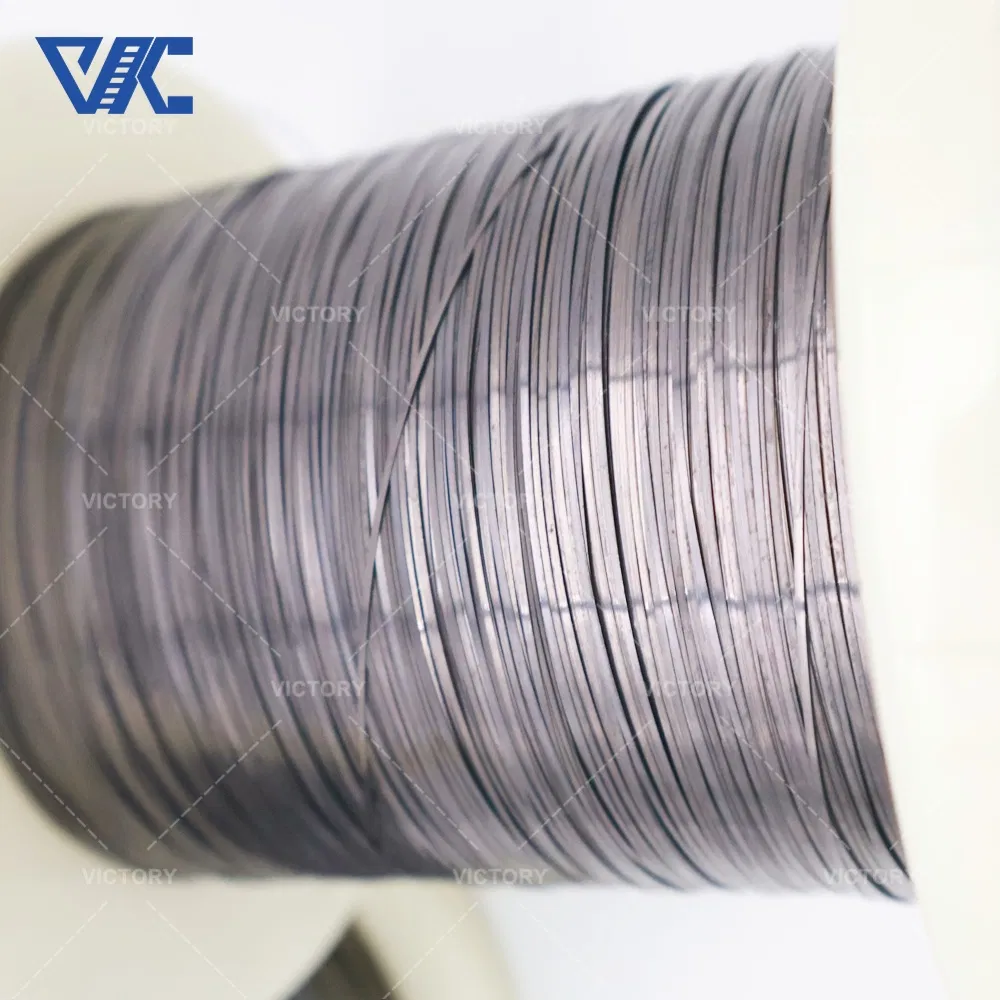
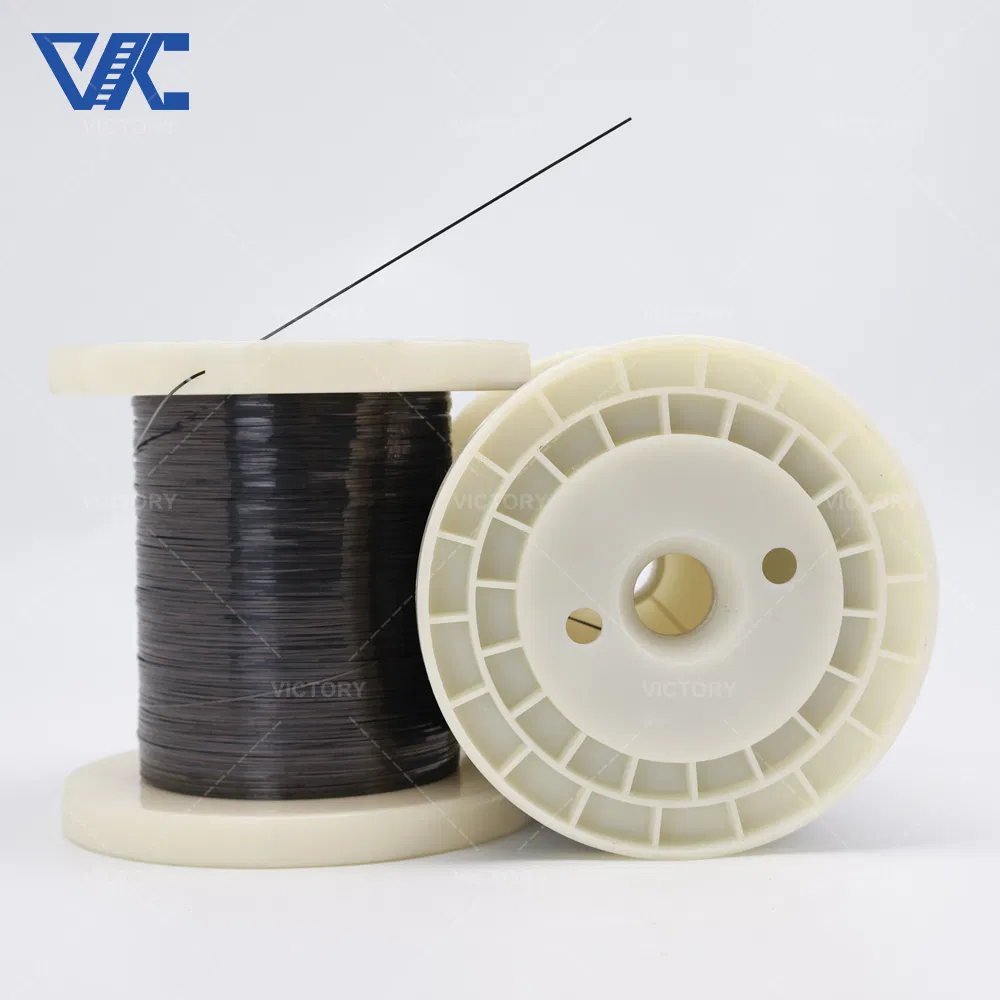
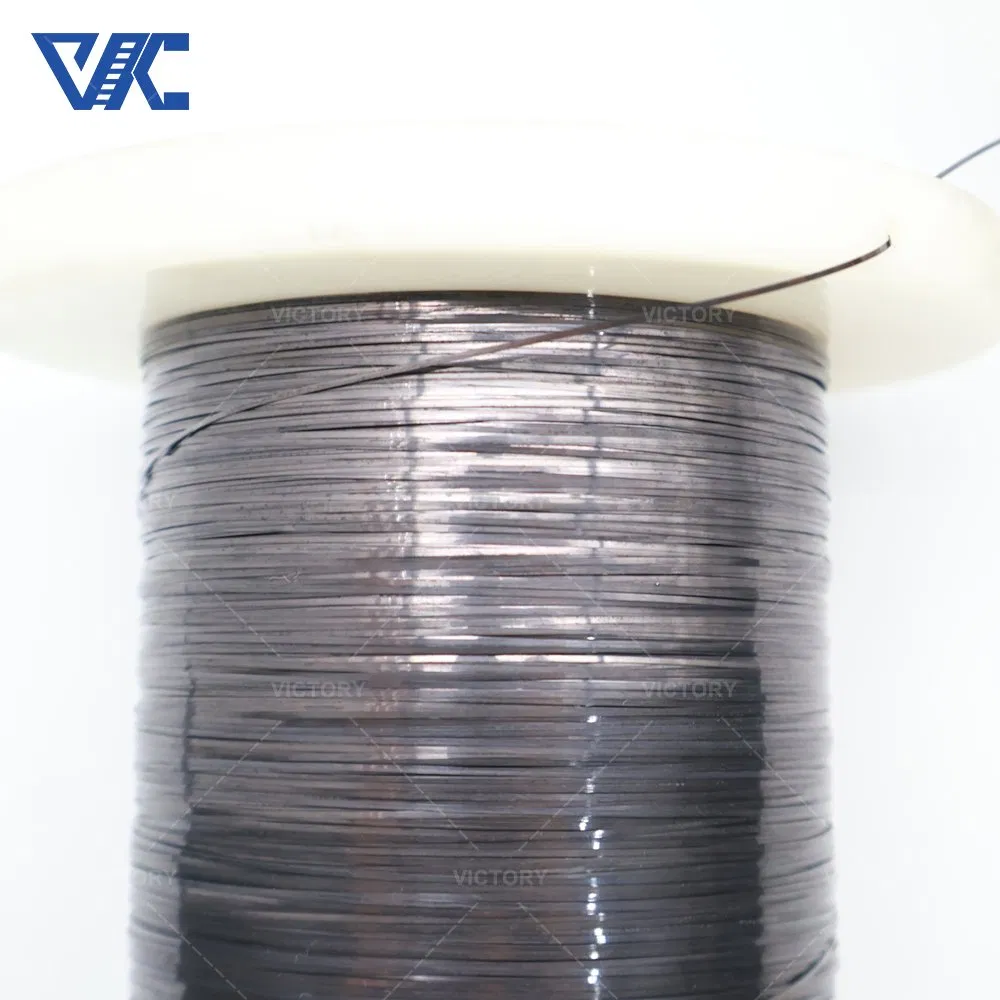
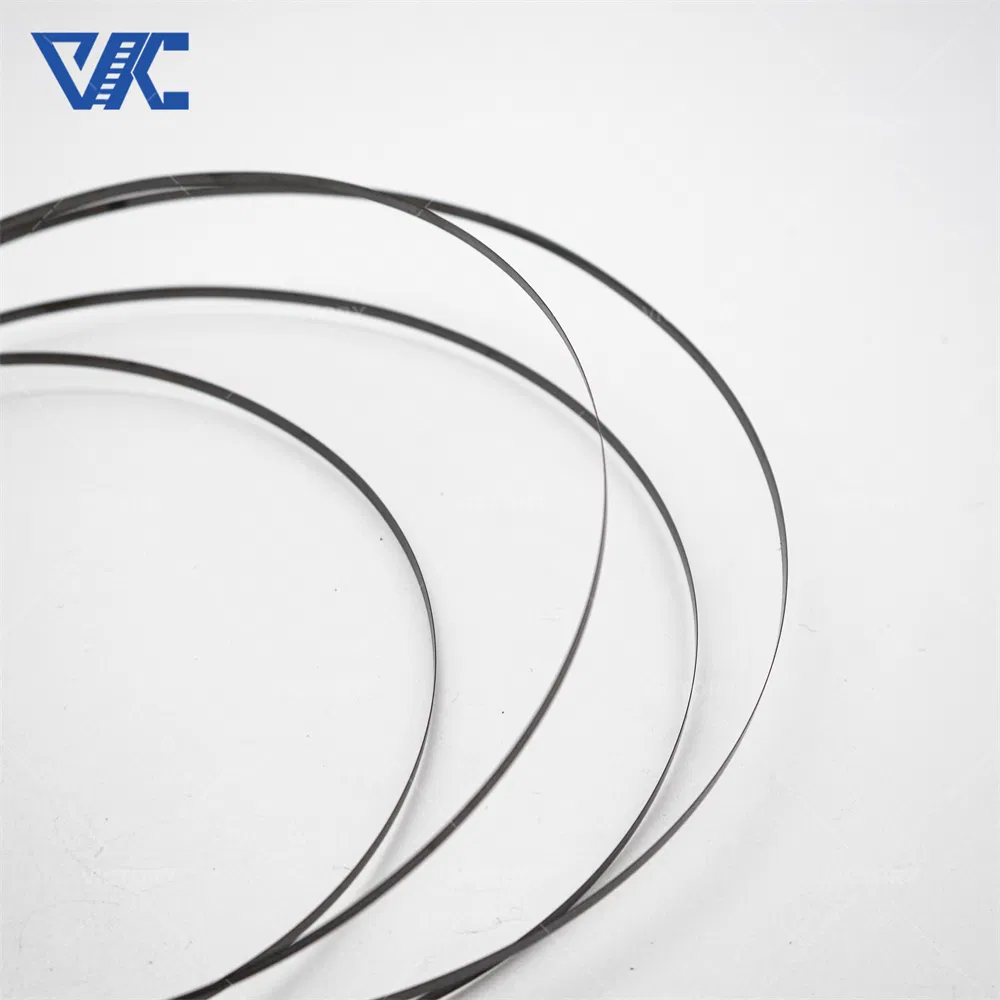
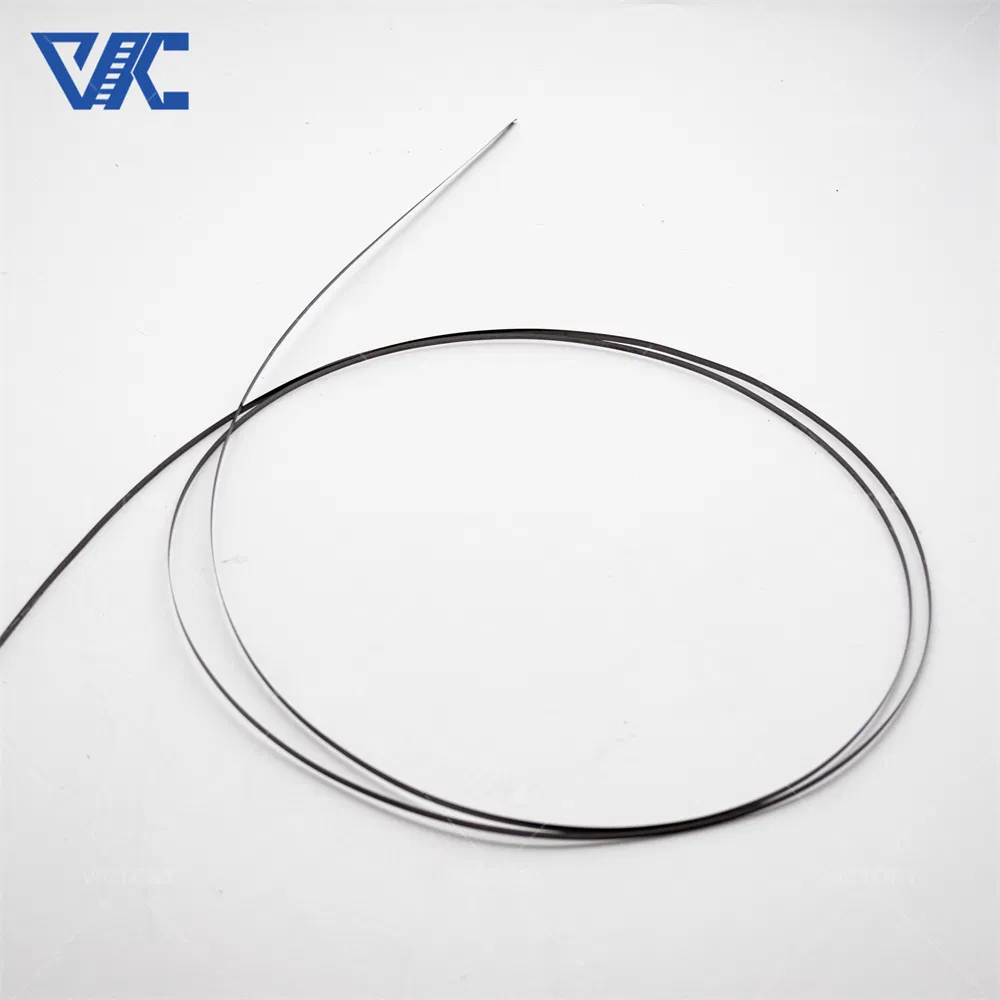
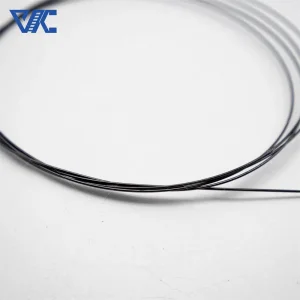
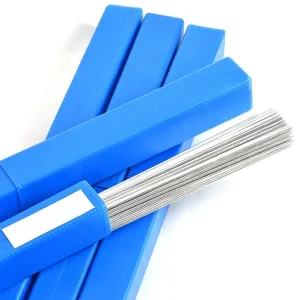
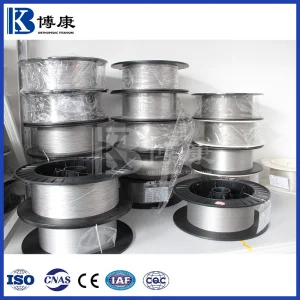
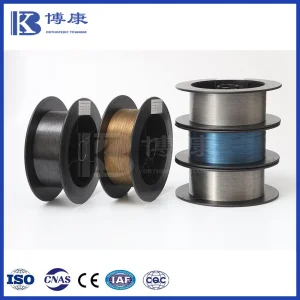
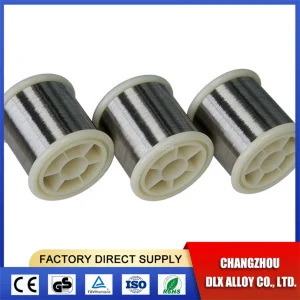
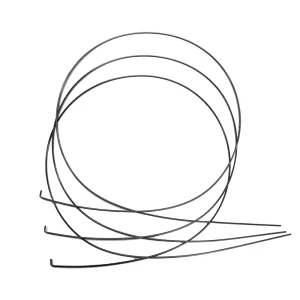
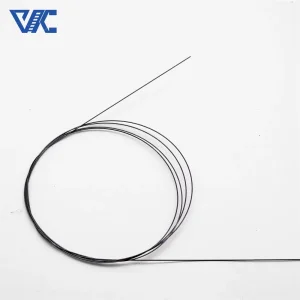
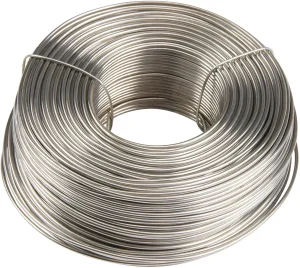
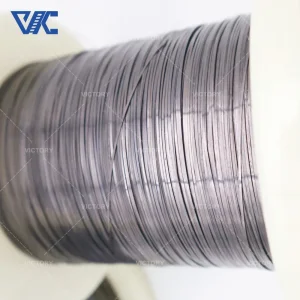
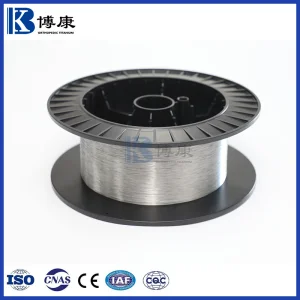
ASTM F2063 Titanium Nickel Shape Memory Alloy Nitinol Wire for Biomedical Engineering

Still deciding? Get samples of $ !
Order Sample

Product Description

i

Overview & Basic Info

Model NO.
nitinol wire
Surface Treatment
Polishing / Bright
Type
Nickel based shape memory alloy
Size
Customizable (0.05-7.5mm)
Melting Point
1320-1370ºC
Density
6.45
Service
OEM ODM
Standard
ASTM F2063
D

Product Description

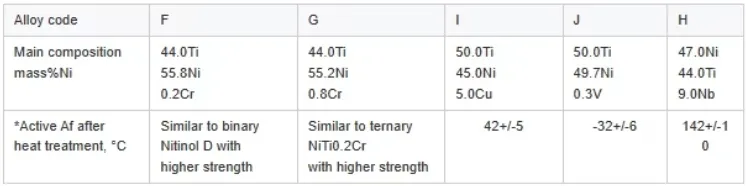
Nickel Titanium (Nitinol or NiTi) belongs to a unique class of shape memory alloys. Its extraordinary properties stem from a thermoelastic martensitic phase transformation within the material. Standard Nitinol alloys typically consist of 55%-56% Nickel and 44%-45% Titanium. Minor adjustments in composition can significantly influence the material's performance characteristics.

Two Primary Categories of Nitinol:

  • SuperElastic: Known for exceptional recoverable strains and kink resistance. Widely used in orthodontics (braces, wires) and eyeglass frames.
  • Shape Memory: Valued for its ability to recover a pre-set shape when heated above its transformation temperature. Essential for actuators and various mechanical devices.

Material Availability: Our alloys include Pure Nickel, NiCr Alloy, Fe-Cr-Al Alloy, and Copper Nickel Alloy. These are available in wire, coil, ribbon, strip, and foil forms.
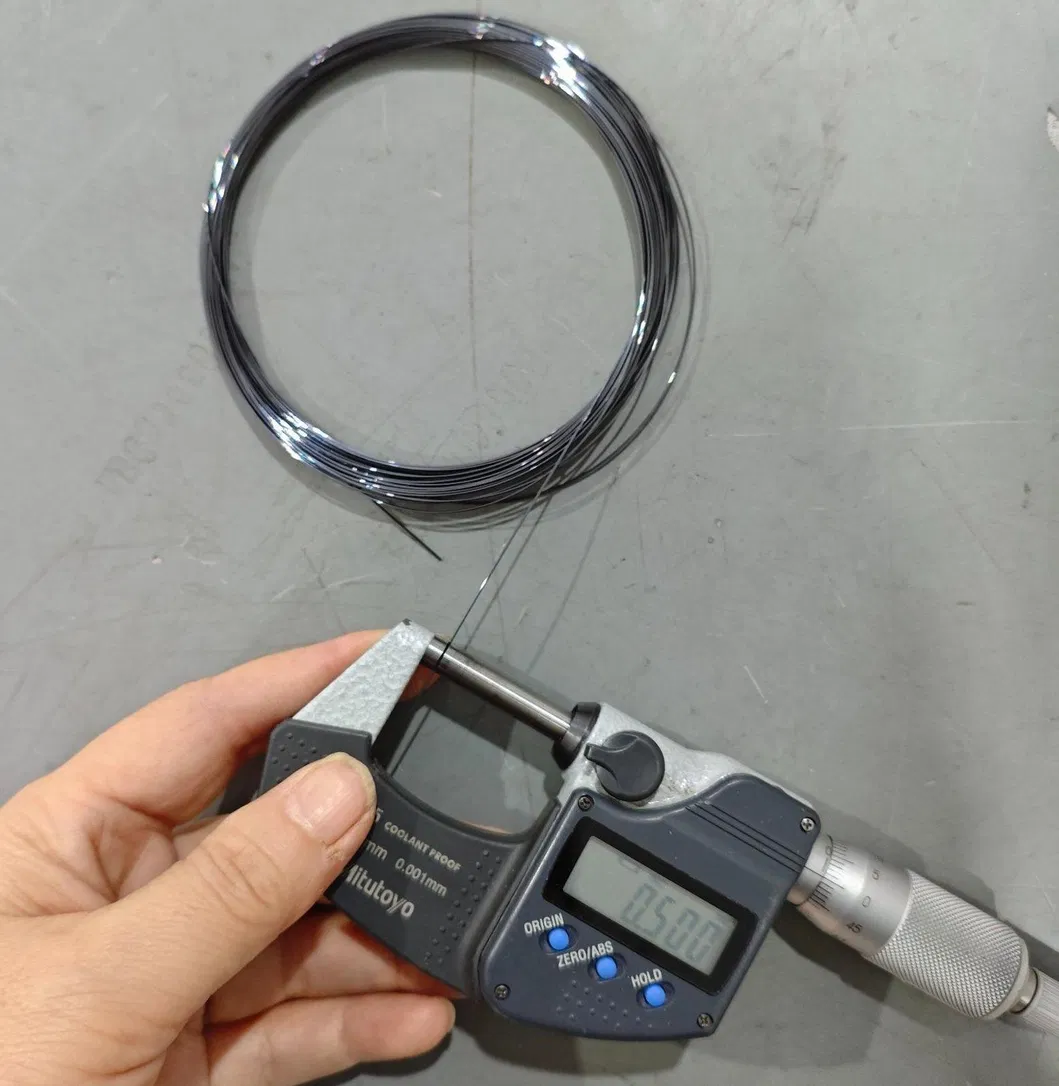
P

Product Parameters

Model NumberNitinol Wire
TypeBare / Bright Surface
ConditionSuper elastic and temperature control
Size Range0.05mm - 7.5mm
Melting Point1400ºC
CertificationISO, ROHS
ApplicationMedical & Industrial
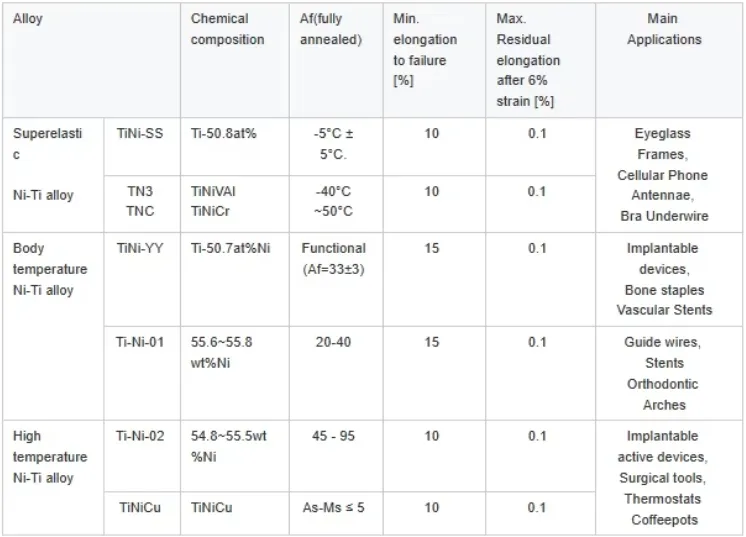
Nitinol Specification Chart Nitinol Technical Data
A

Main Applications

Medical Devices:

Guidewires and Stents: Essential in cardiology, neurology, and urology for minimally invasive procedures. Provides precision in navigating vascular pathways.

Orthodontic Archwires: Utilizes shape memory for gradual and effective tooth alignment.

Industrial & Aerospace:

Reinforces composites (e.g., GLARE laminates) for impact resistance. Optimized for energy absorption through pre-strain and fiber orientation.

Actuators & Sensors:

Widely utilized in robotics and automotive systems for high-precision, temperature-responsive movements.
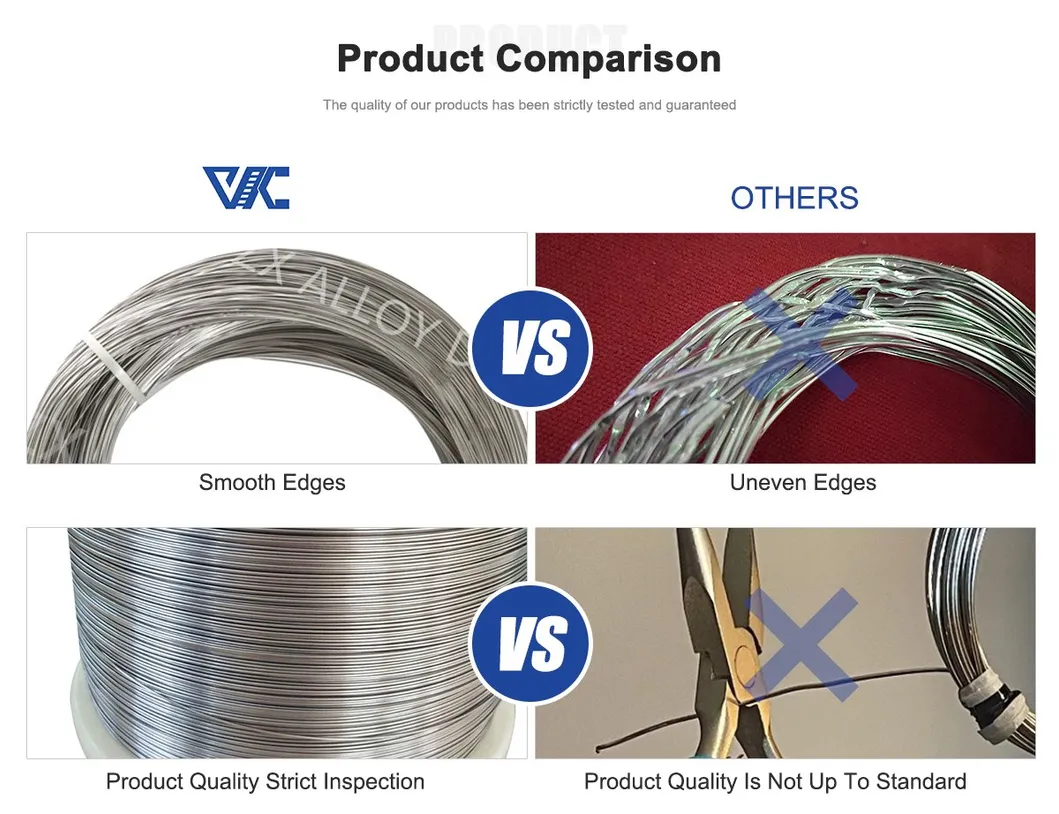
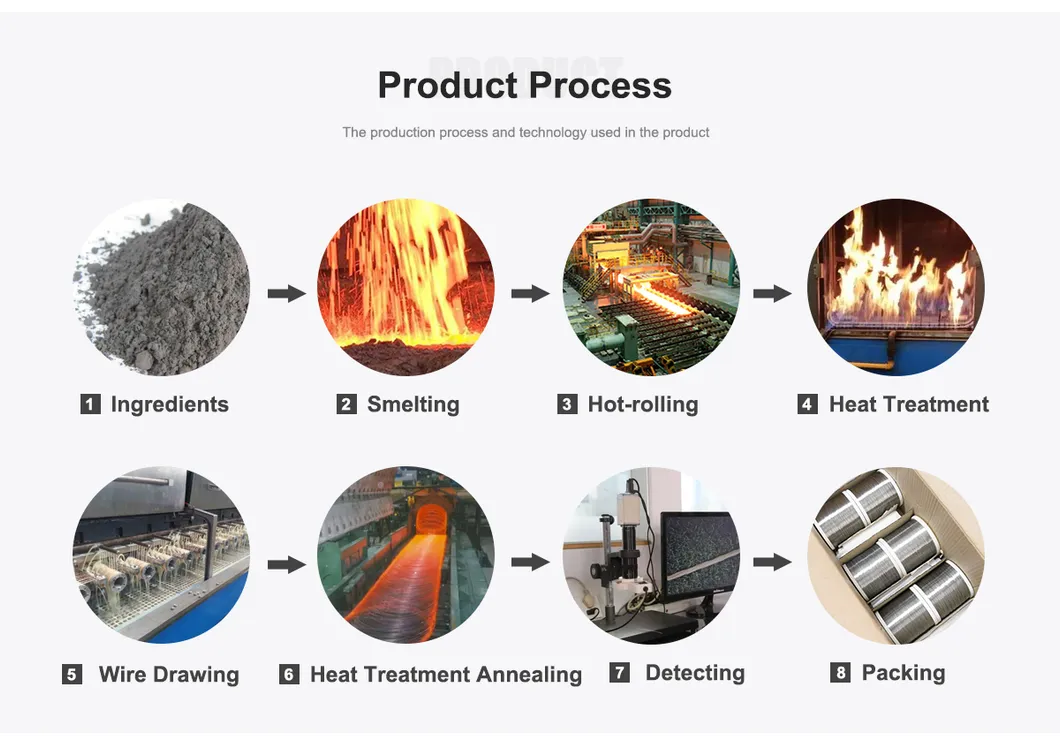
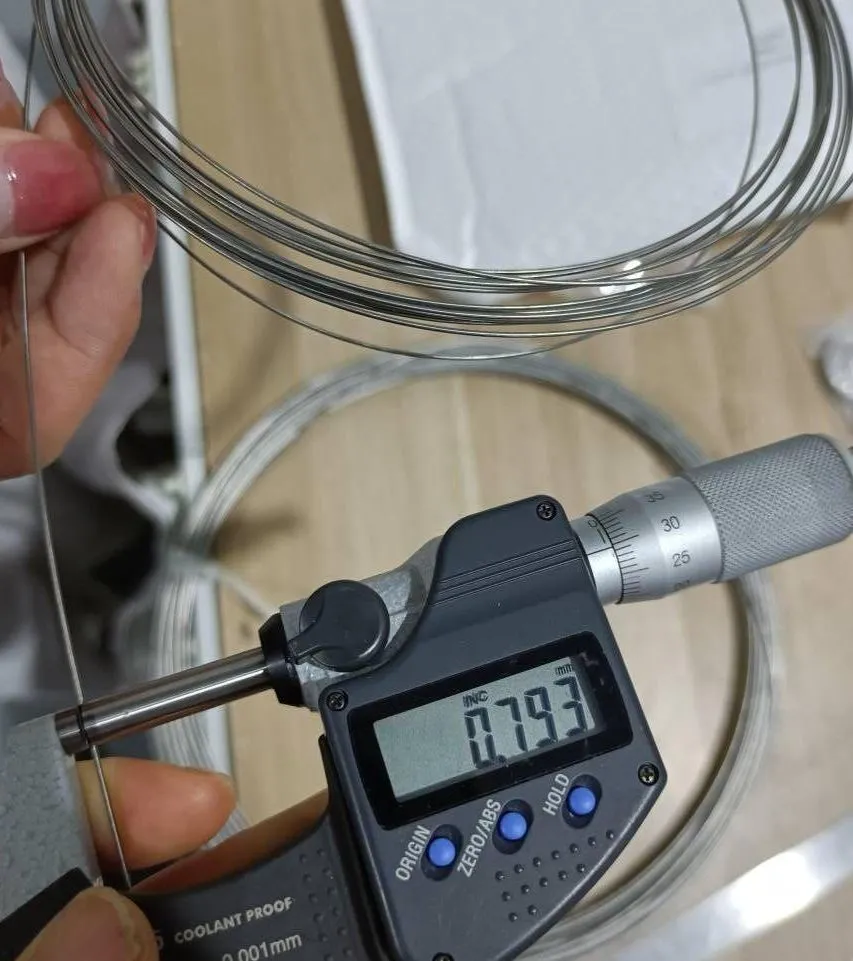
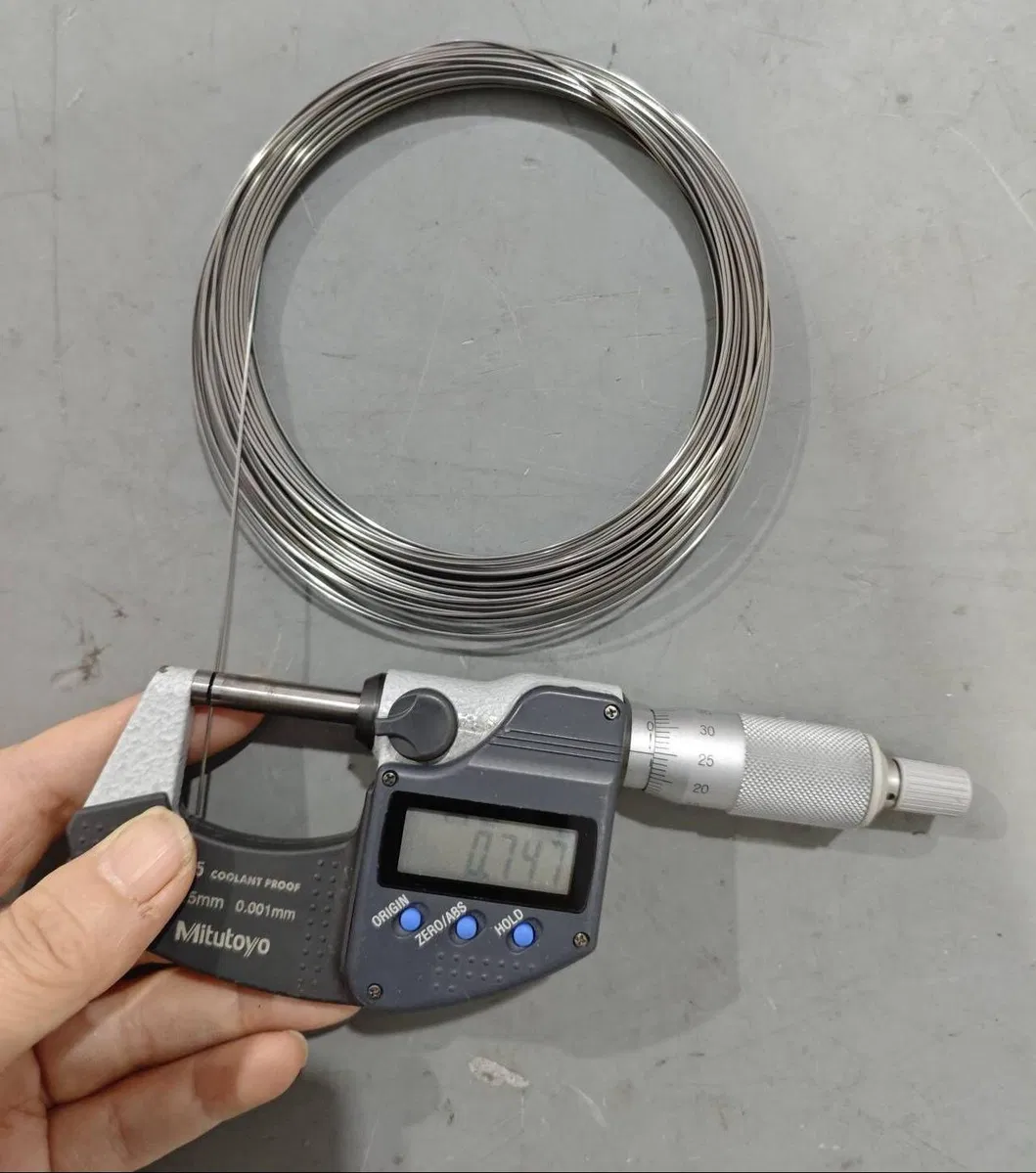
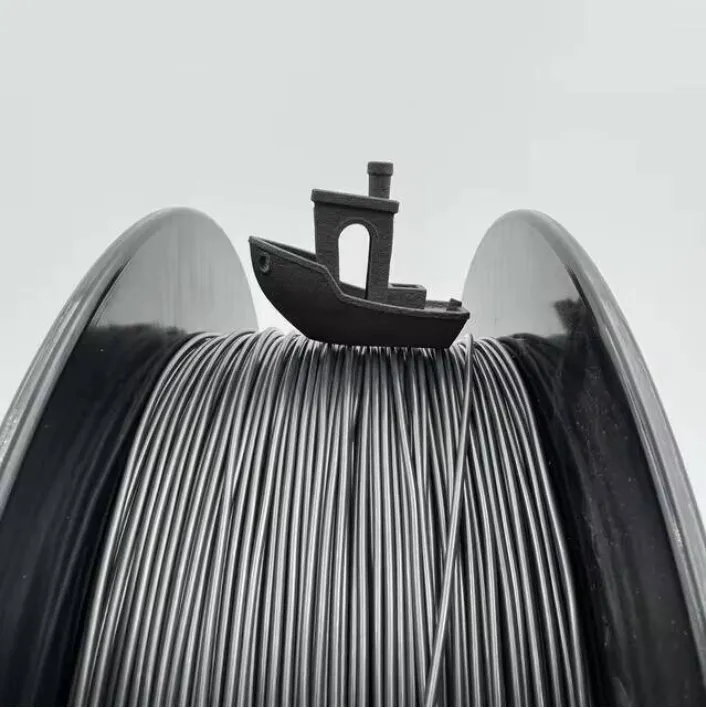
Nitinol Material Display Industrial Application of Nitinol
?

Frequently Asked Questions

What is the composition of Nitinol wire?
Nitinol is a nickel-titanium alloy typically composed of 55%-56% Nickel and 44%-45% Titanium. Small variations in this ratio can significantly alter its properties.
What is the difference between Superelastic and Shape Memory Nitinol?
Superelastic Nitinol provides extreme flexibility and kink resistance at room temperature (used for braces and glasses). Shape Memory Nitinol changes shape when heated above a specific transformation temperature (used for actuators).
In what sizes is the Nitinol wire available?
We offer customizable sizes ranging from 0.05mm up to 7.5mm in diameter to suit various medical and industrial requirements.
What industries benefit most from ASTM F2063 Nitinol?
The medical industry is the primary user for stents, guidewires, and orthodontic tools. It is also heavily used in aerospace for composite reinforcement and robotics for sensors and actuators.
What surface treatments are available?
The most common finishes are Bright and Polished surfaces, ensuring the wire is suitable for sensitive biomedical applications.
What are the thermal properties of this alloy?
Nitinol has a melting point between 1320ºC and 1400ºC, depending on the specific grade and composition.

Related Products