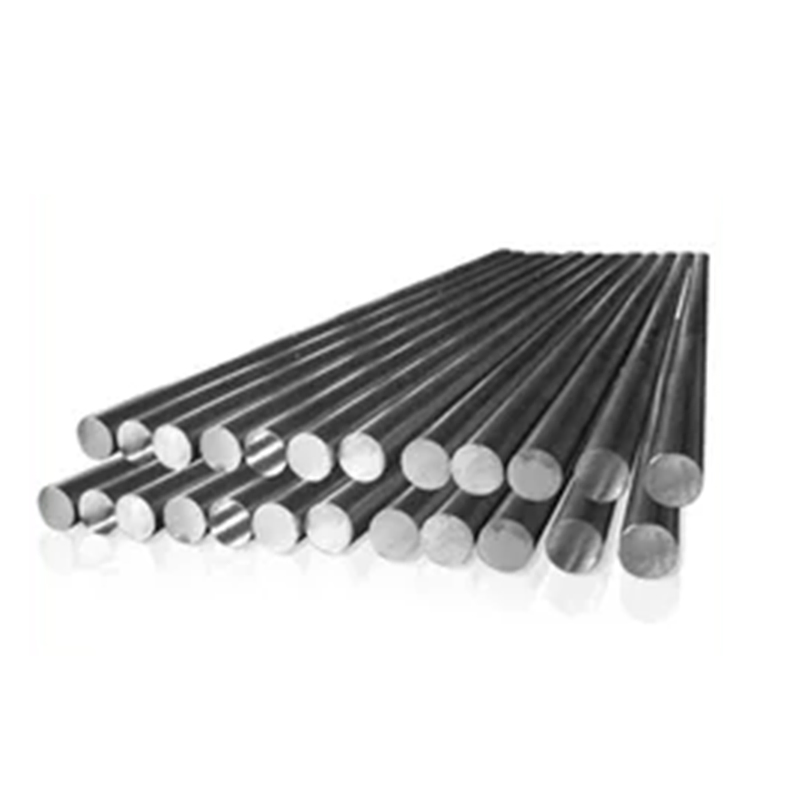
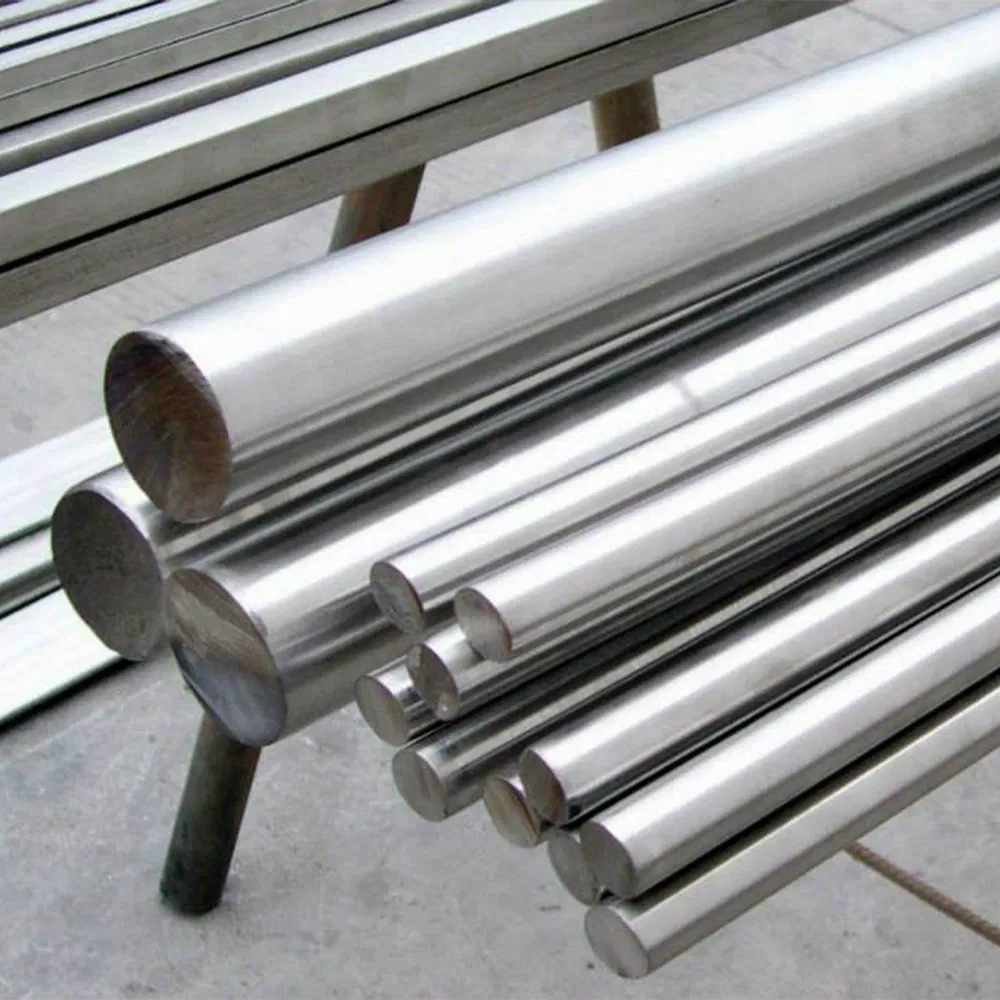
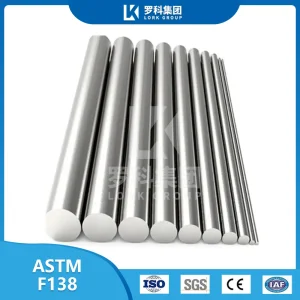
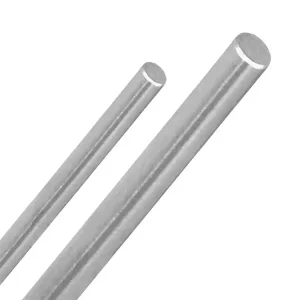
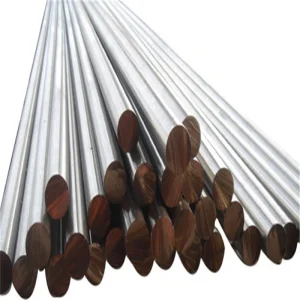
Factory Best Uns S31603/1.4404/ASTM A276 Stainless Steel Rod for Prosthetic Valves 316L Stainless Steel Bar Medical Implant Materials

Customization: Available
Type: Stainless Steel Bars
Standard: ASTM, AISI, GB, JIS, DIN, EN

Product Description

Product Overview
Model NO.
316L Rod/Bar
Grade
300 Series
Certification
ISO, RoHS, IBR, AISI, ASTM, GB, EN, DIN, JIS
Shape
Round
Technique
Cold Rolled
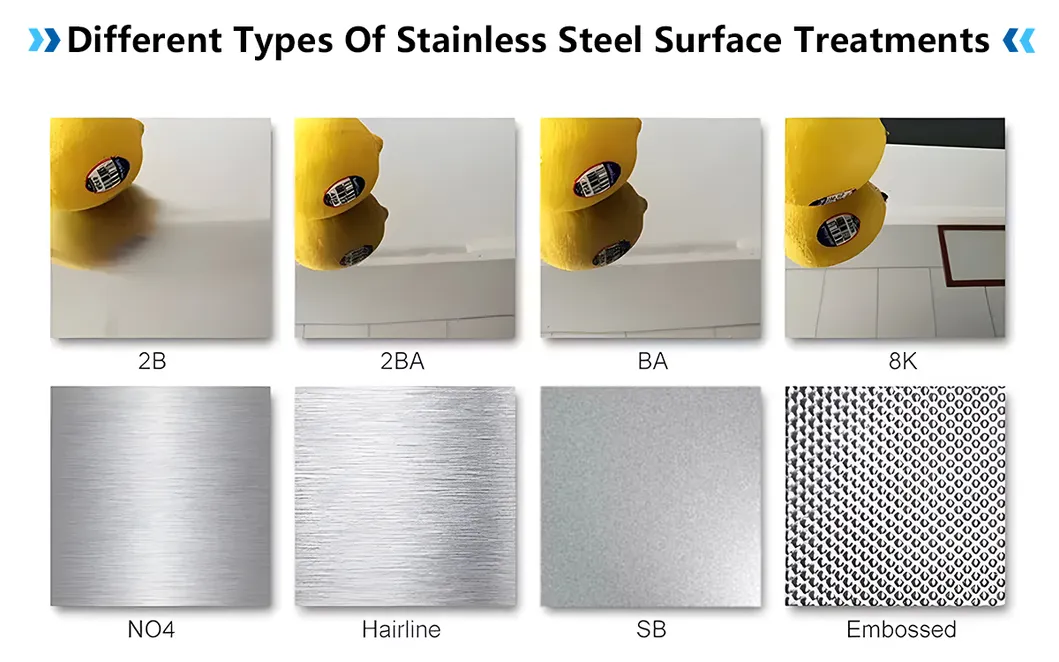
Surface Treatment
Polished
Key Words
316L Medical Materials
Thickness
2mm - 100mm
Outside Diameter
4.0 - 1219mm
Stock
In Stock
Origin
China
Production Capacity
50000kg/Month
Product Description
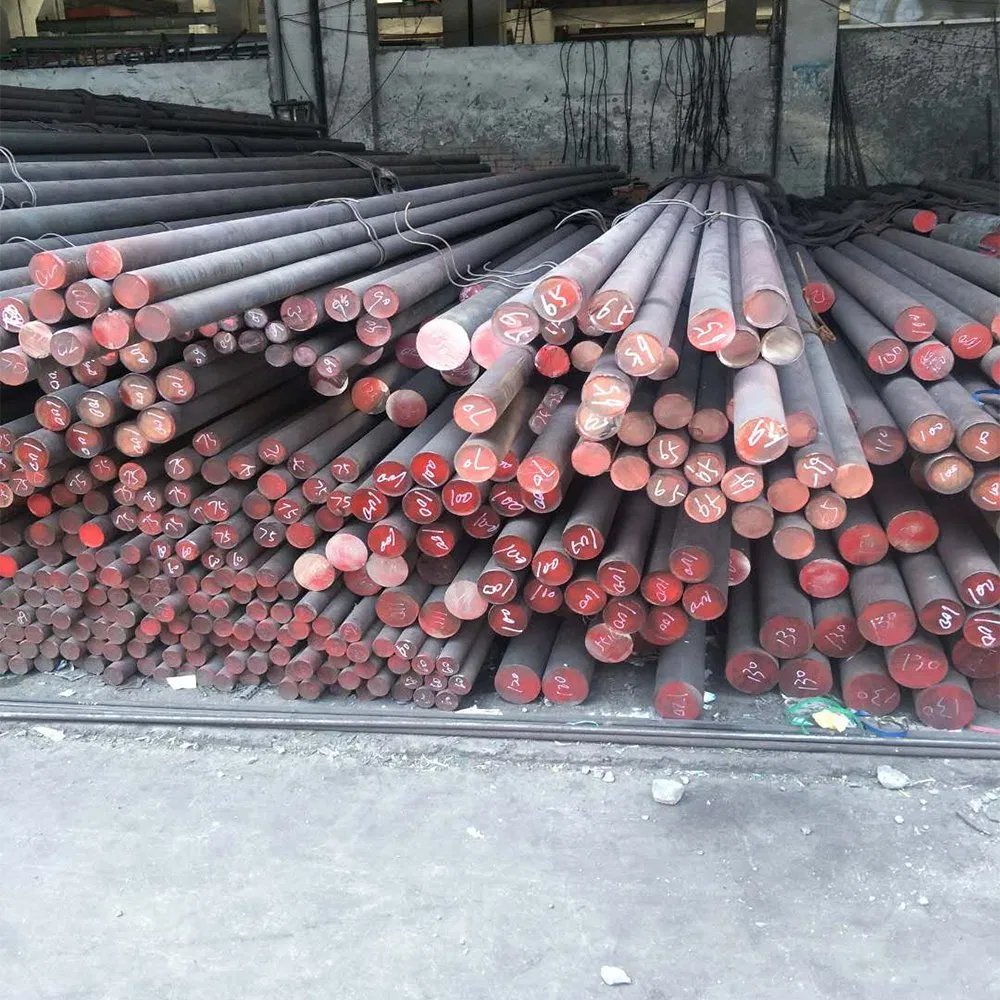
316L Stainless Steel Rod
316L Stainless Steel Bar
💡

Grade 316L is the low carbon version of 316 and is immune from sensitization (grain boundary carbide precipitation). It is extensively used in heavy gauge welded components. Compared to chromium-nickel austenitic stainless steels, 316L offers higher creep, stress to rupture, and tensile strength at elevated temperatures.

Chemical Composition
Grade Type C Mn Si P S Cr Mo Ni N
316L Min - - - - - 16.0 2.00 10.0 -
Max 0.03 2.0 0.75 0.045 0.03 18.0 3.00 14.0 0.10
Mechanical Properties
Grade Tensile Str (MPa) min Yield Str 0.2% Proof (MPa) min Elong (% in 50 mm) min Rockwell B (HR B) max Brinell (HB) max
316L 485 170 40 95 217
Surface Treatment & Process
Surface Treatment
Manufacturing Process
Core Characteristics

✓ Corrosion Resistance: Excellent in atmospheric environments and many corrosive media. Known as "marine grade stainless steel," it is resistant to potable water with chlorides up to 1000 mg/L.

✓ Heat Resistance: Good oxidation resistance in intermittent service to 870°C and continuous service to 925°C.

✓ Technology: Excellent weldability and machinability. 316L is easier to machine than standard 316 due to lower carbon content.

Applications
Medical Applications

316L steel is a medical-grade stainless steel highly indispensable in the medical field:
  • Surgical Instruments: Scalpels, forceps, and tweezers requiring high reliability.
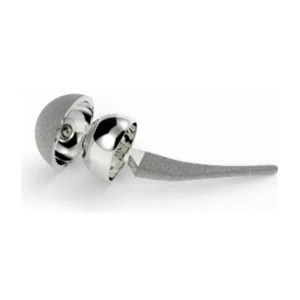
  • Implants: Artificial joints, pacemakers, and bone nails due to excellent biocompatibility.
  • Biomedical Materials: Stents and artificial valves for long-term use in the human body.
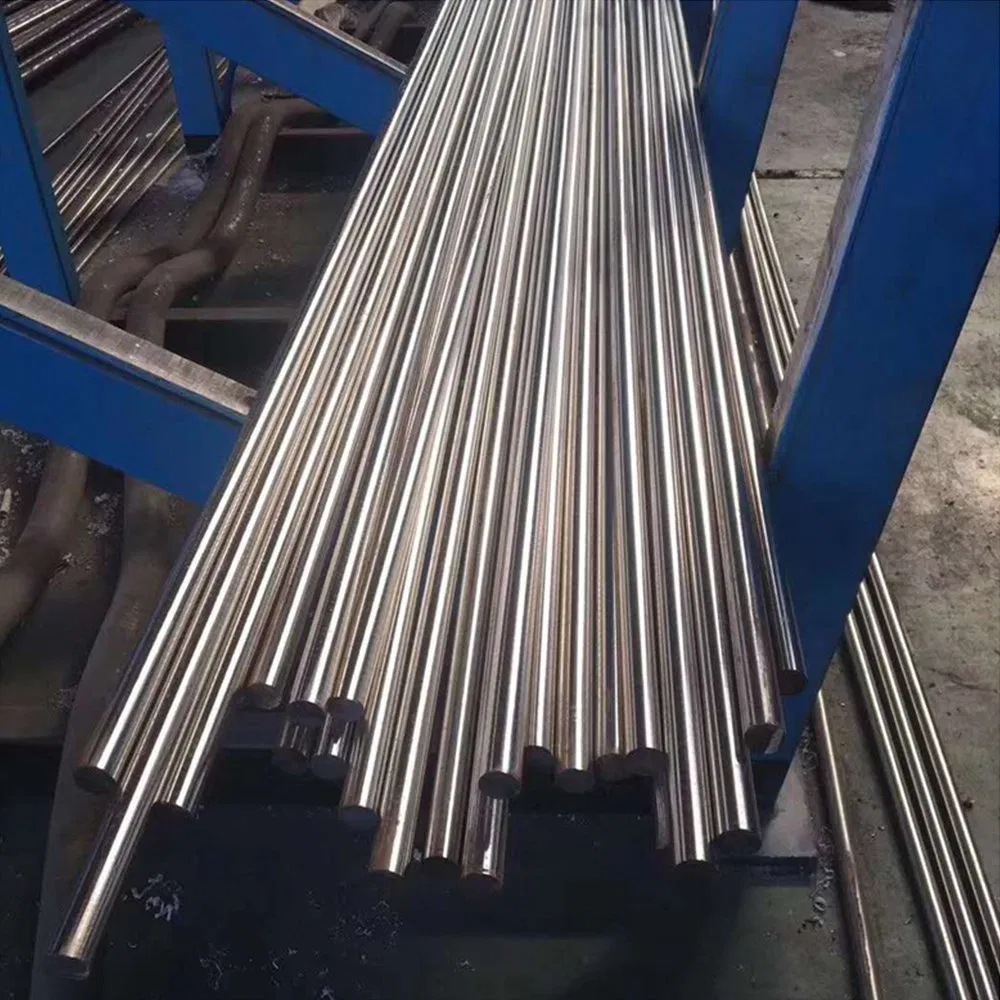
Packaging & Shipping
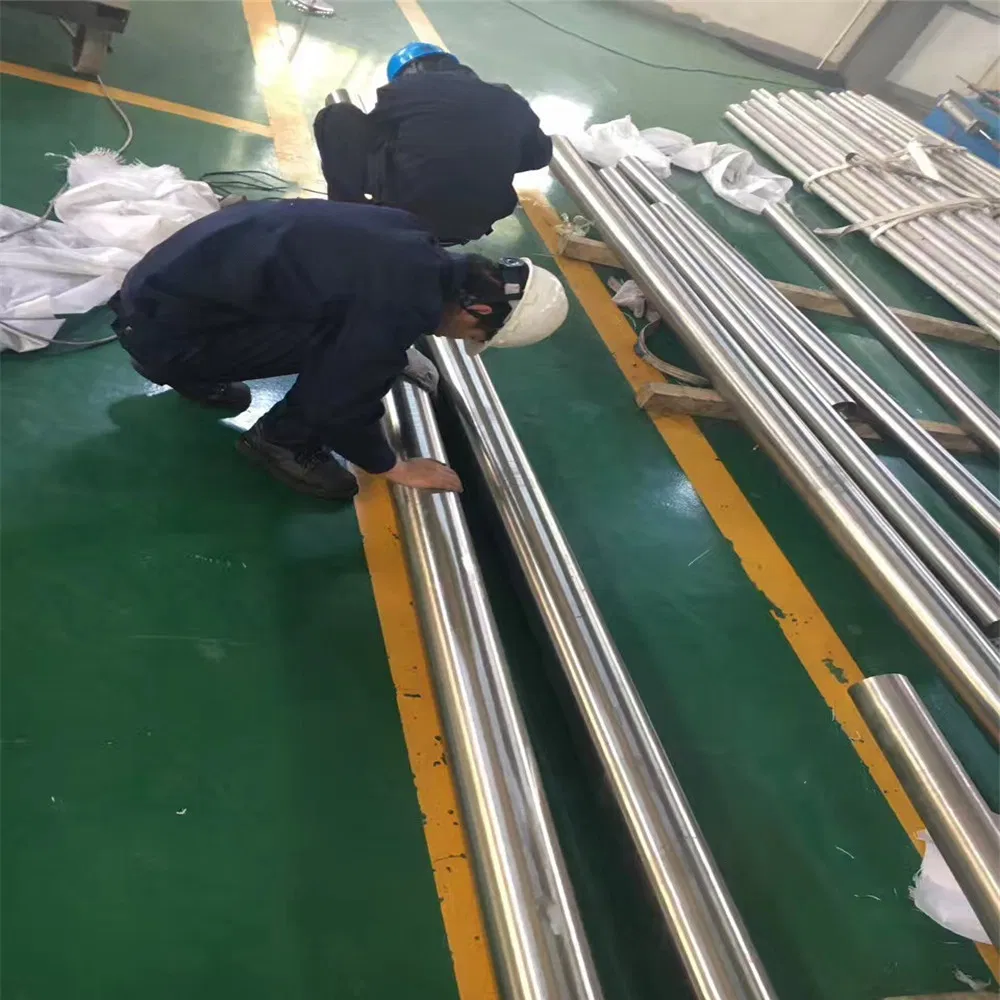
Company Facility
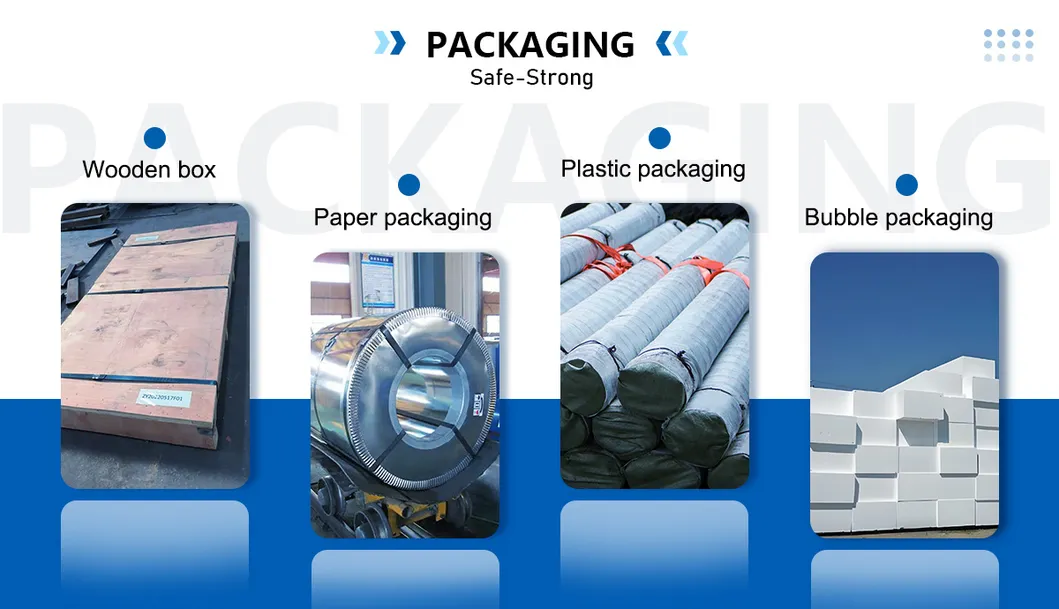
Packaging
Shipping
Frequently Asked Questions
1. What makes 316L suitable for medical implants?
316L stainless steel has excellent biocompatibility, high corrosion resistance, and high strength, making it ideal for artificial joints and bone nails that interact with human tissue.
2. How does 316L differ from 316 stainless steel?
316L is the low-carbon version of 316. This lower carbon content minimizes harmful carbide precipitation during welding, ensuring better corrosion resistance in welded structures.
3. Can 316L stainless steel be hardened by heat treatment?
No, 316L is an austenitic stainless steel and cannot be hardened by thermal treatment. It can only be hardened through cold working.
4. Is 316L weldable?
Yes, it offers excellent weldability by all standard fusion and resistance methods. Unlike Grade 316, 316L does not require post-weld annealing for maximum corrosion resistance.
5. What are the common surface finishes available?
We provide various finishes including Polished, Bright, Sand Blast, Hairline (HL), Peeled, and Lack finishes to meet different application requirements.
6. What is the corrosion resistance of 316L in marine environments?
While regarded as "marine grade," it is highly resistant to many environments but may show surface staining in warm seawater or rough-finished conditions. It is generally more resistant than 304 grade.
FAQ Quality Control

Related Products