Retra Medical
1 / 5
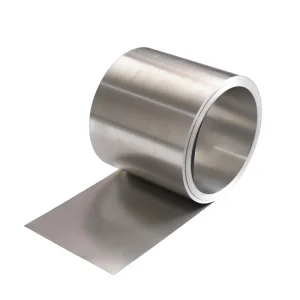
Grade 316L is the low carbon version of 316 and is immune from sensitization (grain boundary carbide precipitation). It is extensively used in heavy gauge welded components (over 6mm). The austenitic structure provides excellent toughness, even at cryogenic temperatures. Compared to standard chromium-nickel austenitic stainless steels, 316L offers higher creep, stress to rupture, and tensile strength at elevated temperatures.
Often referred to as marine grade stainless steel, it contains chromium (16-18%), nickel (10-12%), and molybdenum (2-3%). The addition of molybdenum provides greater corrosion resistance, specifically against chlorides and reducing acids.
| Grade | C | Mn | Si | P | S | Cr | Mo | Ni | Fe |
|---|---|---|---|---|---|---|---|---|---|
| 316L | 0.03 | 2.00 | 1.00 | 0.045 | 0.015 | 16.5-18.5 | 2.0-2.5 | 10.0-13.0 | Balance |
316L is the superior choice for high corrosion and high-temperature applications. With lower carbon content, it has better intergranular corrosion resistance, preventing weld decay.
Both are generally nonmagnetic (austenitic). However, 316L can gain a slight degree of magnetism after processes like cold forming or welding.
Good oxidation resistance in intermittent service to 870°C and continuous service to 925°C. Grade 316L is more resistant to carbide precipitation for use in the 425-860°C range.