Retra Medical
1 / 5
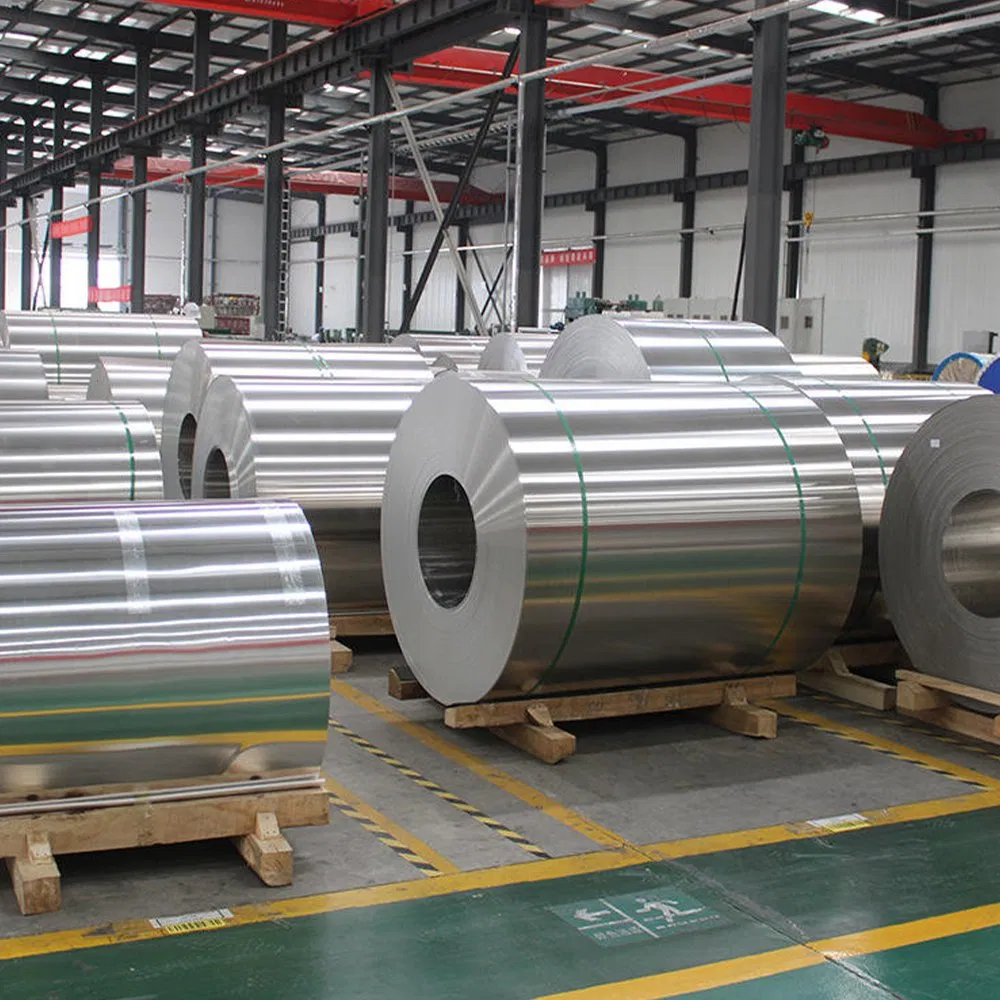
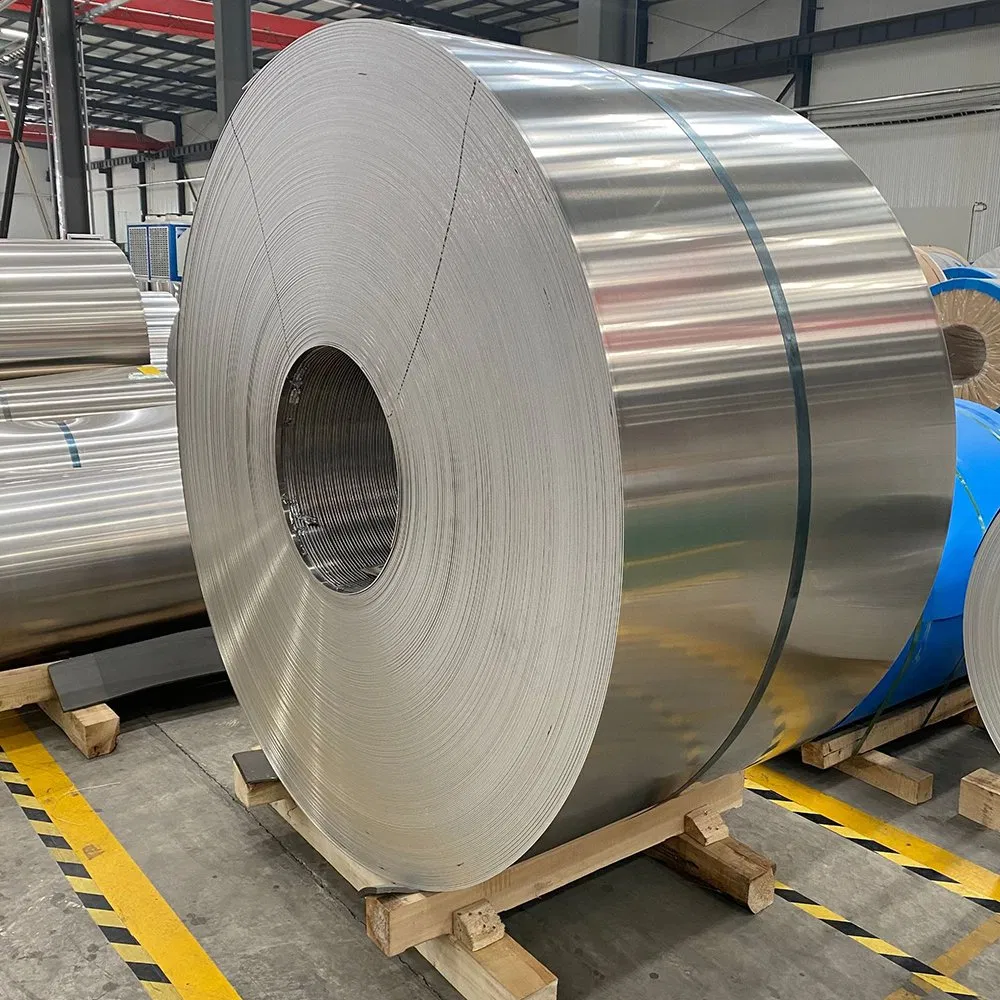
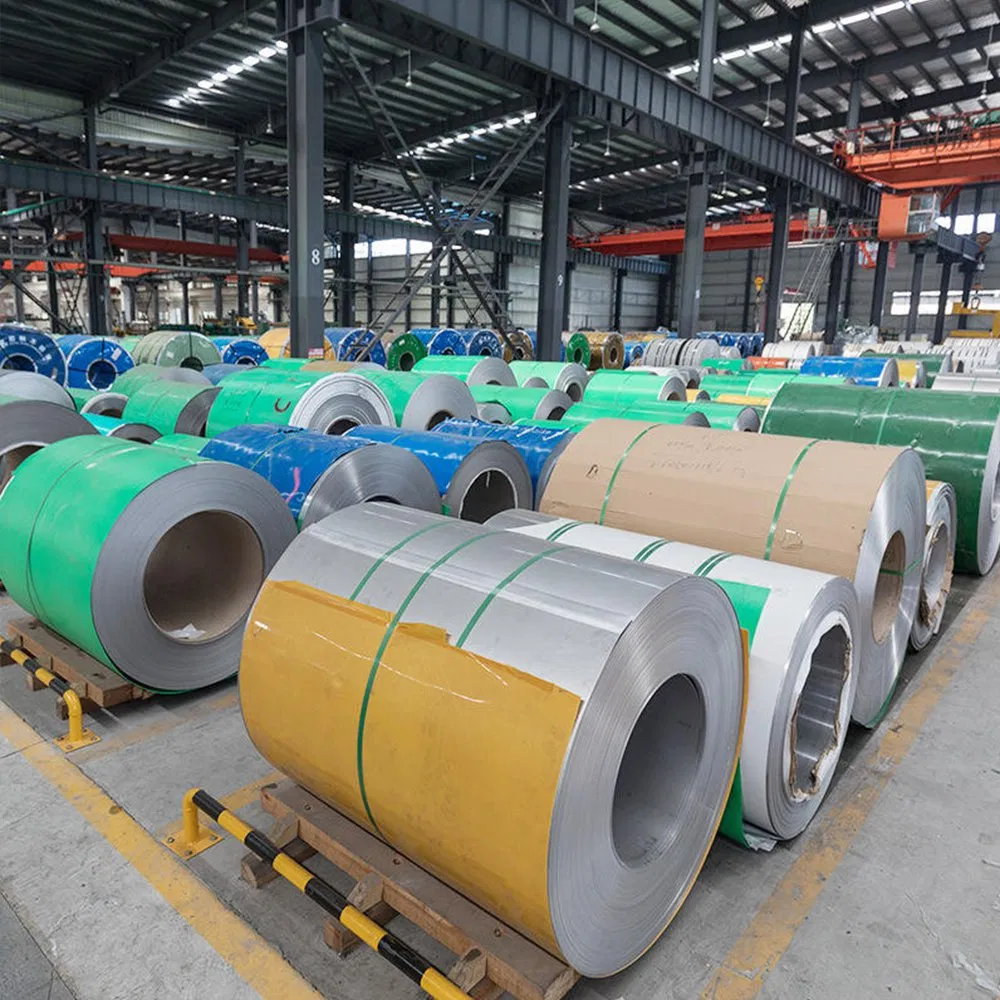
316L (UNS S31603) is a chromium-nickel molybdenum austenitic stainless steel developed to provide improved corrosion resistance to 304L in moderately corrosive environments. It is often utilized in process streams containing chlorides or halides. The addition of molybdenum improves general corrosion and chloride pitting resistance. It also provides higher creep, stress-to-rupture and tensile strength at elevated temperatures.
The low carbon chemistry of 316L combined with an addition of nitrogen enables 316L to meet the mechanical properties of 316. It resists atmospheric corrosion, as well as moderately oxidizing and reducing environments. It also resists corrosion in polluted marine atmospheres.
| Element | Cr | Ni | Mo | C | Mn | P | S | Si |
|---|---|---|---|---|---|---|---|---|
| Weight % | 16-18 | 10-14 | 2.0-3.0 | 0.03 max | 2.0 max | 0.045 max | 0.03 max | 0.75 max |
| Property | Typical 316L Value |
|---|---|
| 0.2% Offset Yield Strength | 30 ksi min |
| Tensile Strength | 75 ksi min |
| Elongation in 2 inches | 40% min |
| Hardness (Rockwell B) | 95 max |
Hot Forming: Recommended temperatures of 1700 - 2200°F (927 - 1204°C). For maximum corrosion resistance, anneal at 1900°F (1038°C) minimum followed by rapid cooling.
Cold Forming: Ductile and forms easily. Cold working increases strength and hardness, and may leave the material slightly magnetic.
Machining: Subject to work hardening. Best results achieved with slower speeds, heavier feeds, excellent lubrication, and sharp tooling.