Explore our primary selection of ultra-pure medical implants, critical production apparatuses, and surgical alloys.
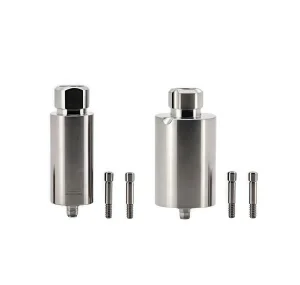
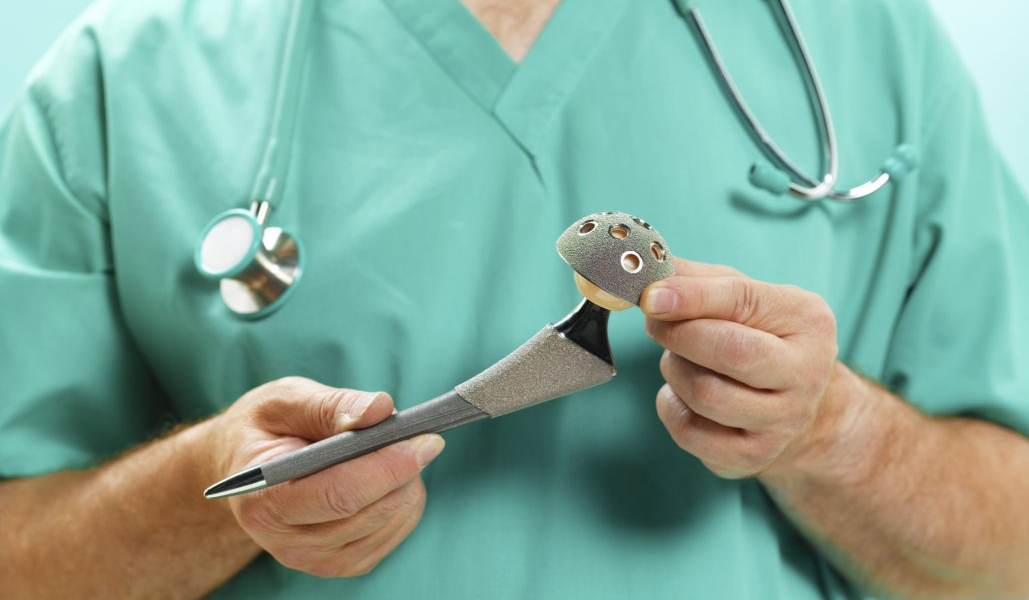
In the highly specialized ecosystem of clinical orthopedics and osteosynthesis, material integrity translates directly to patient outcome. Hangzhou Retra Medical Co., Ltd. stands as a premier manufacturer of high-performance medical metals and orthopedic implants, specializing in Medical Titanium, Stainless Steel, CoCrMo, Tantalum, and Nitinol. Through extensive investments in material science research, state-of-the-art refinement systems, and high-precision CNC manufacturing, we have forged strategic partnerships with medical device brands, hospital procurement systems, and surgical distributors globally.
Our solutions encompass joint replacements, spinal fixation systems, trauma plating, and specialized maxillofacial hardware, ensuring exceptional biocompatibility, fatigue life, and corrosion resistance.
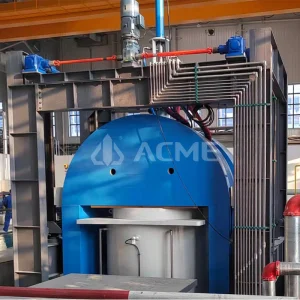
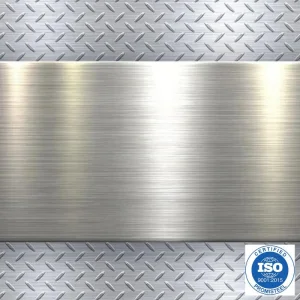
Not all stainless steels are created equal. In clinical environments, implants are subjected to corrosive body fluids containing high concentrations of chloride ions. To mitigate localized pitting, crevice corrosion, and mechanical breakdown, Implant-Grade Stainless Steel (primarily ASTM F138 and ASTM F139, also known as 316LVM) is processed using advanced Vacuum Arc Remelting (VAR).
Standard 316L contains micro-inclusions that can act as initiation sites for fatigue cracks. VAR processing purifies the alloy under a vacuum, drastically reducing non-metallic inclusions and guaranteeing a highly homogeneous microstructure.
Tight limits on Carbon (≤0.030%), Chromium (17.0-19.0%), Nickel (13.0-15.0%), and Molybdenum (2.25-3.00%) provide the optimal balance between high yield strength, elongation, and exceptional resistance to physiological pitting.
By employing controlled electrochemical passivation, the chromium at the surface of the steel is oxidized, forming an ultra-stable, self-healing Chromium Oxide (Cr2O3) passive layer that blocks the release of metallic ions into tissue.
Our comprehensive orthopedic and surgical implant range includes joint replacement systems, spinal hardware, trauma plates and screws, maxillofacial reconstruction devices, and custom implant solutions.
Modern clinical settings require implants that can withstand complex static and dynamic loading. For trauma fixation, such as bone plates and cortical screws, implant-grade stainless steel is chosen for its superior fracture toughness and cold-working adaptability compared to titanium. Surgeons can shape bone plates intraoperatively without introducing micro-cracks.
At Retra Medical, all hardware undergoes extensive cycle fatigue testing to simulate decades of physiological loads, minimizing the risk of revision surgeries.
The global medical device market is shifting toward personalized care and minimally invasive procedures. In the domain of implant-grade metals, this shift has stimulated distinct engineering trends:
Procuring medical-grade raw materials requires strict quality control, regulatory compliance, and risk management. For global OEMs, clinical distributors, and healthcare systems, sourcing from China-based manufacturers requires a systematic verification process.
Every shipment of implant-grade stainless steel must include Mill Test Reports (MTRs) tracing back to the original heat number. Chemistry analysis, grain size (ASTM E112), and inclusion content (ASTM E45) must be clearly documented.
To guard against regulatory changes and transport interruptions, major OEMs use dual-sourcing strategies. Retra Medical supports this by offering flexible manufacturing capacities and raw material stockpiles to ensure consistent lead times.
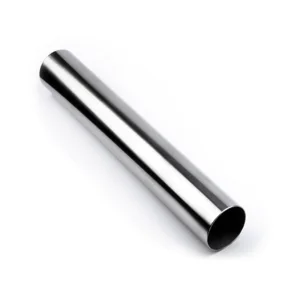
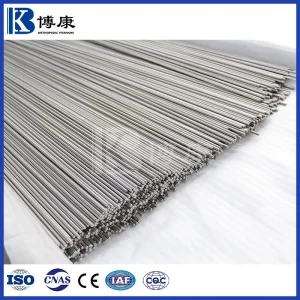
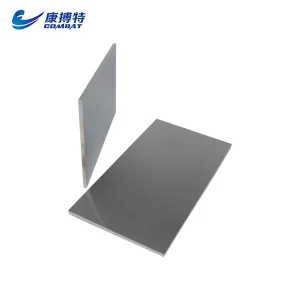
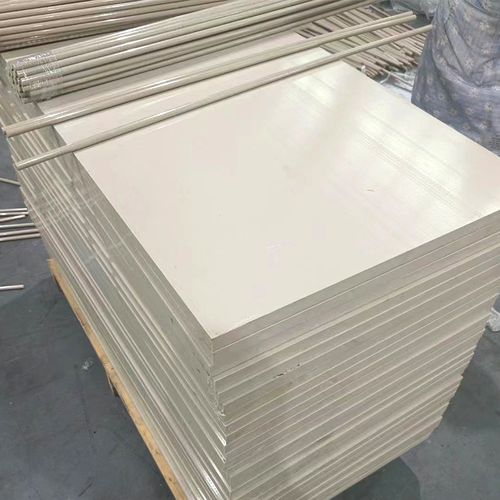
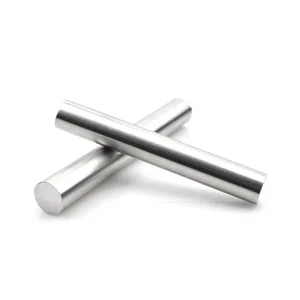
Advanced orthopedic implants require tight tolerances. We manufacture bars, wires, and sheets with tolerances down to the h7/h6 range, reducing post-processing steps for our clients' CNC machines.
Hangzhou Retra Medical Co., Ltd. does not just supply raw metals; we deliver integrated, macro-level engineering solutions tailored to clinical applications.
Our R&D team works directly with clinical researchers and medical device designers to develop application-specific implant profiles. For instance, in spinal fixation, we provide custom-profiled rod systems that optimize stress distribution along the spinal column. For complex reconstructive surgeries, our precision CNC units produce patient-specific maxillofacial plates from 3D CT scan data. This integration of design, metallurgy, and validation shortens the development cycle for new medical devices from years to months.
As medical technology evolves toward bio-absorbable structures and smart diagnostic implants, Retra Medical is adapting its metallurgical processes:
Integrating secondary VAR and Electroslag Remelting (ESR) technologies to produce ultra-clean alloys with minimal micro-inclusions.
Developing spherical 316LVM and Titanium powders optimized for Selective Laser Melting (SLM) in 3D printing of custom orthopedic implants.
Integrating drug-eluting coatings and osteoinductive surfaces into the metal fabrication process to support healing and reduce infection rates.
Compliance is a critical requirement in medical device manufacturing. Retra Medical operates under a certified quality management system that aligns with international regulatory expectations:
Our production facilities conform to ISO 13485 (Medical Devices — Quality Management Systems), ensuring that every step of manufacture, from raw material inspection to final packaging, is documented. Our implant-grade materials comply with ASTM F138, ASTM F139, ISO 5832-1, and ISO 5832-9 standards. This regulatory alignment supports our clients' registration processes with the FDA, CE, NMPA, and other regional health authorities.
Common technical, metallurgical, and regulatory questions from medical device engineers and procurement teams.
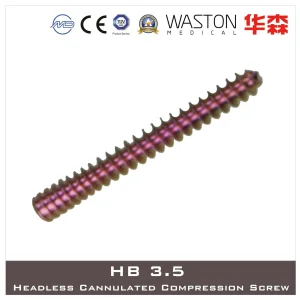
Our technical catalog of surgical screws, precision alloys, and specialized medical components.

 Retra Medical