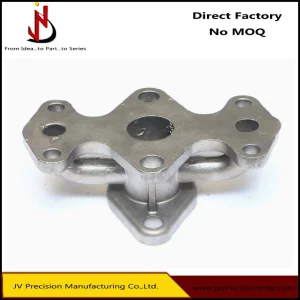
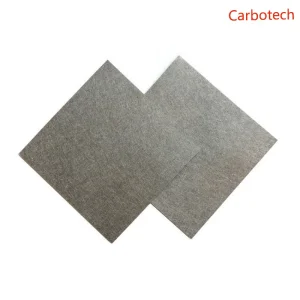
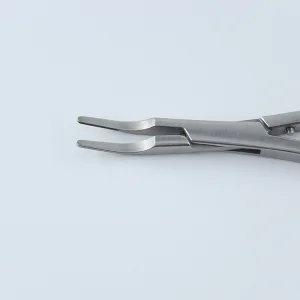
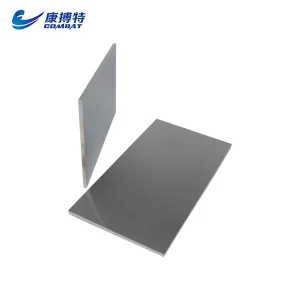
Explore our high-performance line of medical-grade surgical items, corrosion-resistant alloys, and specialized industrial components.
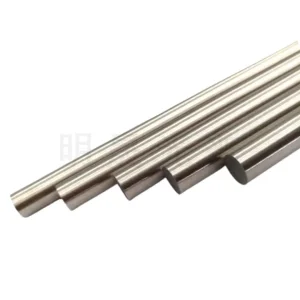
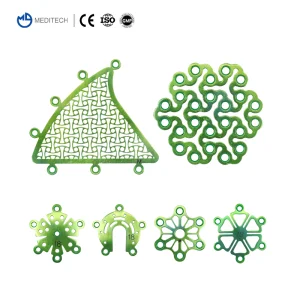
Hangzhou Retra Medical Co., Ltd. is a leading manufacturer of high-performance medical metals and orthopedic implants, specializing in Medical Titanium, Stainless Steel, CoCrMo, Tantalum, and Nitinol. With a strong commitment to research, development, and precision manufacturing, Retra Medical has become a trusted partner for hospitals, clinics, and medical device companies worldwide.

The company offers a comprehensive range of orthopedic and surgical implants, including joint replacement components, spinal systems, trauma plates and screws, maxillofacial reconstruction devices, and custom implant solutions. All products are manufactured using surgical-grade metals that ensure biocompatibility, durability, and corrosion resistance, meeting the stringent standards of the global healthcare industry.
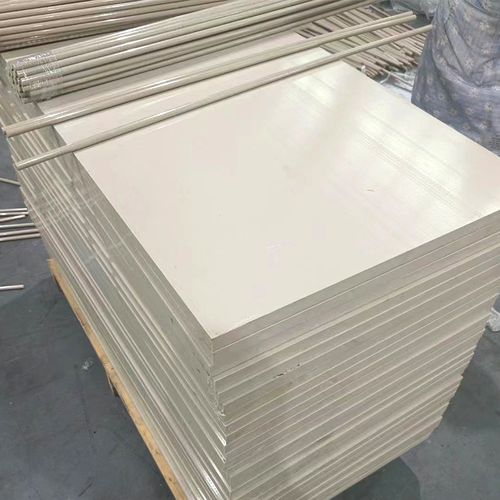
Retra Medical emphasizes innovation and quality control, combining advanced production techniques with rigorous testing to ensure every implant delivers reliable performance and patient safety. The company also provides customized solutions tailored to specific clinical needs, supporting minimally invasive surgery, complex trauma repair, and long-term implant success.
Guided by the principles of "quality first, innovation-driven, customer-oriented," Hangzhou Retra Medical has earned an excellent reputation both domestically and internationally. With a dedicated R&D team, modern production facilities, and professional after-sales support, the company continues to advance the orthopedic and surgical implant industry, providing safe, high-quality, and reliable solutions that improve patient outcomes and support healthcare innovation worldwide.
The landscape of medical engineering is undergoing a paradigm shift driven by material science breakthroughs. Bio-compatible titanium alloys, particularly Grade 5 (Ti-6Al-4V) ELI and titanium-niobium-tantalum systems, remain the gold standard for long-term load-bearing implants. As global demographics shift toward an aging population, the demand for orthopedic interventions—ranging from spinal fusion cages to sophisticated maxillofacial reconstruction plates—is escalating exponentially.
International medical device conglomerates and tier-1 hospital procurement networks are increasingly pivoting toward strategic sourcing partnerships in China. The core drivers for this global migration include mature metallurgical processing ecosystems, stringent regulatory compliance standards (ISO 13485, FDA guidelines), and scalable manufacturing capabilities that bridge cost-efficiency with uncompromising biocompatibility. Procurement managers now demand complete traceability, raw material mill test certificates (MTCs), and advanced surface modification technologies such as porous coating for enhanced osseointegration.
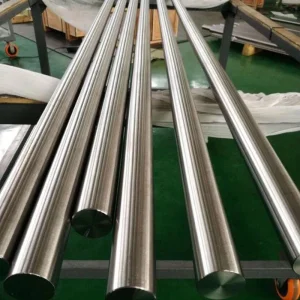
China's manufacturing sector has transcended traditional low-cost production models, emerging as a global powerhouse in Industry 4.0 smart manufacturing. Utilizing AI-driven CNC multi-axis machining, automated laser sintering, and real-time IoT quality monitoring, Chinese factories achieve micron-level precision and remarkable supply chain resilience. This technological leap ensures that every batch of titanium alloy rods, plates, and surgical clips exhibits uniform mechanical integrity, zero micro-defects, and exceptional fatigue resistance under simulated physiological loading.
Discover our extended portfolio covering advanced energy storage components, high-temperature resistant compounds, and custom CNC medical parts.

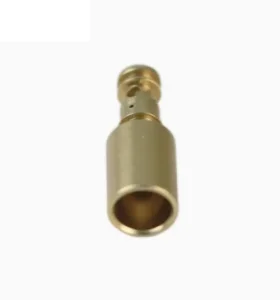
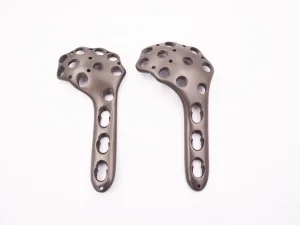
Bio-compatible titanium alloys and specialized medical metals find critical deployment across diverse localized clinical environments. In orthopedic trauma centers, titanium locking compression plates provide stable fixation for complex comminuted fractures. In cranial and maxillofacial surgery, custom 3D-printed titanium mesh ensures precise anatomical reconstruction with minimal artifact interference during post-operative MRI scans. Furthermore, high-purity zirconium and tantalum components serve vital functions in specialized surgical instruments and corrosion-prone chemical processing equipment, exemplifying material versatility across industries.
Titanium alloys (such as Ti-6Al-4V ELI) form a stable, inert passive oxide layer ($\text{TiO}_2$) instantly upon exposure to air or bodily fluids. This protective layer prevents ion release, inhibits inflammatory tissue reactions, and promotes optimal osteointegration—allowing bone cells to grow directly onto the implant surface.
Yes. We specialize in OEM and custom medical manufacturing. Utilizing advanced 3D CAD modeling and CNC precision machining, we collaborate with clinical teams to produce patient-specific maxillofacial plates, cranial meshes, and specialized orthopedic hardware tailored to exact anatomical specifications.
Our production facilities operate under rigorous quality management systems aligned with ISO 13485 standards for medical devices. All raw materials are supplied with verified Mill Test Certificates (MTCs), ensuring full traceability and compliance with global surgical-grade benchmarks.
Standard inventory products and raw material rods/bars typically ship within 7 to 15 business days. Custom CNC-machining projects and bespoke orthopedic implant batches generally require 25 to 40 days, depending on geometric complexity and required surface treatments.
 Retra Medical