
The global dental implant market has witnessed a paradigm shift toward advanced biometallurgical solutions, driven by an aging global demographic, increasing demand for permanent oral rehabilitation, and the rapid adoption of digital workflow technologies. As the world’s leading hub for advanced medical precision machining, China has emerged as the primary locus for high-performance Dental Titanium Implants manufacturing and OEM/ODM exports. International procurement directors, clinical brand managers, and medical device distributors increasingly look to elite Chinese suppliers to achieve an uncompromised balance of sub-micron precision engineering, regulatory compliance, and supply chain scalability.
Modern dental implantology demands materials that possess exceptional biocompatibility, superior mechanical fatigue strength, optimal elastic modulus matching human cortical bone, and surface micro-topographies that accelerate osteointegration. Today's premier Chinese manufacturers have transitioned from high-volume standardized fabrication to state-of-the-art multi-axis CNC Swiss micro-milling, selective laser melting (SLM) additive manufacturing, and proprietary surface functionalization techniques (such as SLA, SLActive, and anodic oxidation).
Selecting the optimal titanium grade is fundamental to long-term clinical predictability. Medical-grade titanium utilized in dental implants is categorized under ASTM F67 (Commercially Pure Titanium Grades 1 to 4) and ASTM F136 (Titanium 6-Aluminum 4-Vanadium Extra Low Interstitial - Ti-6Al-4V ELI). Modern Chinese exporters provide tailored metallurgical solutions optimized for specific clinical applications:
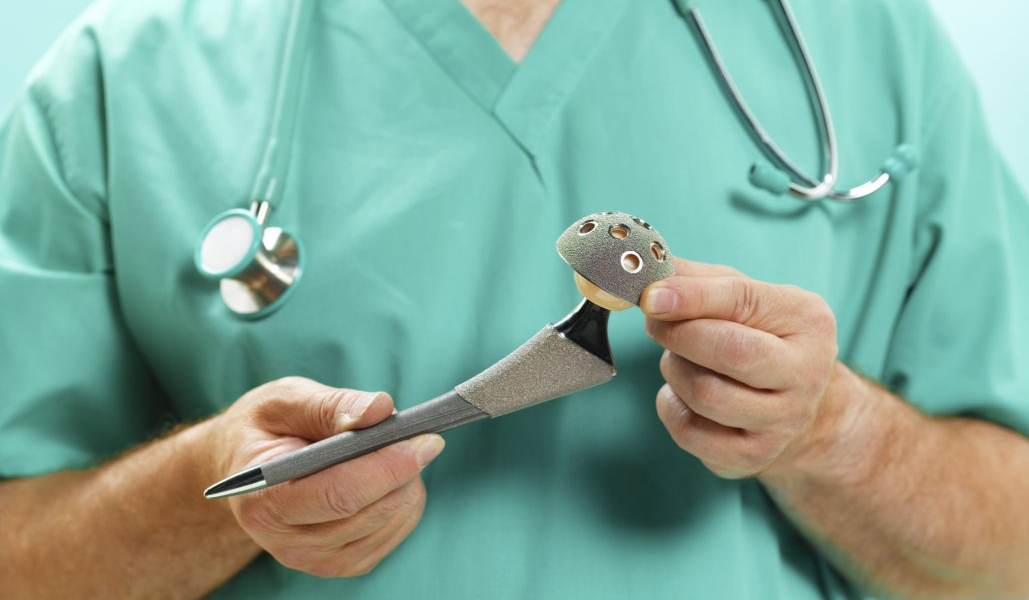
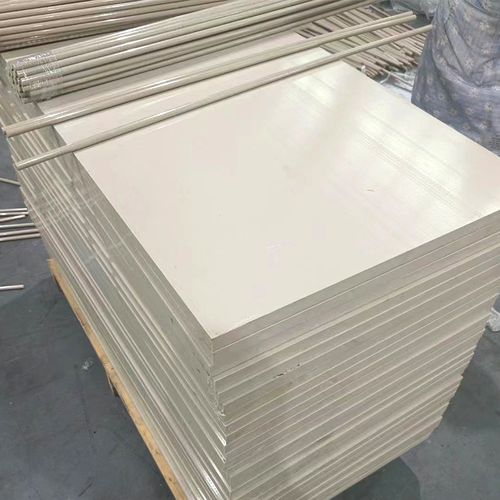
Hangzhou Retra Medical Co., Ltd. is a leading manufacturer of high-performance medical metals and orthopedic implants, specializing in Medical Titanium, Stainless Steel, CoCrMo, Tantalum, and Nitinol. With a strong commitment to research, development, and precision manufacturing, Retra Medical has become a trusted partner for hospitals, clinics, and medical device companies worldwide.
The company offers a comprehensive range of orthopedic and surgical implants, including joint replacement components, spinal systems, trauma plates and screws, maxillofacial reconstruction devices, and custom implant solutions. All products are manufactured using surgical-grade metals that ensure biocompatibility, durability, and corrosion resistance, meeting the stringent standards of the global healthcare industry.
Retra Medical emphasizes innovation and quality control, combining advanced production techniques with rigorous testing to ensure every implant delivers reliable performance and patient safety. The company also provides customized solutions tailored to specific clinical needs, supporting minimally invasive surgery, complex trauma repair, and long-term implant success.
Guided by the principles of "quality first, innovation-driven, customer-oriented," Hangzhou Retra Medical has earned an excellent reputation both domestically and internationally. With a dedicated R&D team, modern production facilities, and professional after-sales support, the company continues to advance the orthopedic and surgical implant industry, providing safe, high-quality, and reliable solutions that improve patient outcomes and support healthcare innovation worldwide.
Sandblasted, Large-grit, Acid-etched (SLA) surfaces combined with nitrogen-shielded saline storage produce super-hydrophilic oxide layers. This reduces initial healing times from 12 weeks to less than 3 to 4 weeks by accelerating early blood clot stabilization and osteoblast migration.
Selective Laser Melting (SLM) enables the creation of biomimetic trabecular titanium structures. By matching the elastic modulus of cancellous bone (1.5 to 3.0 GPa), stress shielding effects are virtually eliminated, drastically improving primary stability in low-density bone sites.
Integration of silver-nanoparticle micro-doping and antimicrobial peptide functionalization directly onto the titanium dioxide matrix prevents peri-implant bacterial colonization and biofilm formation, directly lowering the incidence of peri-implantitis.
Modern clinical workflows rely heavily on intraoral scanning, digital impressioning, and computer-guided surgery. China's top export-grade implant manufacturers supply comprehensive CAD/CAM digital libraries compatible with industry-standard software platforms (e.g., exocad, 3Shape, DentalWings). Pre-milled titanium blanks, digital scan bodies, titanium bases (Ti-Bases), and custom multi-unit abutments are produced with strict geometric indexing to guarantee rotational accuracy below 0.005mm.
The competitive edge of top Chinese dental titanium implant exporters stems from a fully integrated industrial ecosystem. From raw titanium sponge smelting and bar extrusion in domestic metallurgical centers (such as Baoji Titanium Valley) to ultra-precision machining in specialized medical facilities, China provides unmatched supply chain security and cost efficiency.
Utilizing high-precision Swiss-type automatic lathes (Citizen, Tsugami, Tornos), titanium implant threads, internal hex connections, and Morse taper locking mechanisms are machined in a single setup, eliminating cumulative concentricity errors.
Every single implant fixture undergoes automated 3D optical profile verification, laser measurement of thread pitch, and surface defect scanning to ensure zero defect delivery to global medical device distributors.
Cleanroom environments adhering to ISO 14644-1 Class 7 (Class 10,000) and ISO 5 (Class 100) laminar flow workstations ensure ultra-low bioburden prior to gamma irradiation or ETO sterilization.
Global procurement teams must evaluate key physical, mechanical, and biological parameters when specifying raw materials or finished products. The table below outlines the properties of primary medical metals exported by premier Chinese suppliers:
| Material Standard | Composition / Grade | Tensile Strength (MPa) | Yield Strength (MPa) | Modulus of Elasticity (GPa) | Primary Clinical Application |
|---|---|---|---|---|---|
| ASTM F67 | CP Titanium Grade 4 (Cold Worked) | ≥ 680 | ≥ 520 | 104 | Standard Dental Implants |
| ASTM F136 | Ti-6Al-4V ELI (Grade 5) | ≥ 860 | ≥ 795 | 110 | Narrow Implants & Abutments |
| ASTM F1537 / F75 | Co-28Cr-6Mo Alloy | ≥ 897 | ≥ 517 | 210 | Prosthetic Castings & Joints |
| ASTM B551 / R60702 | Pure Zirconium / Zr Sheets | ≥ 379 | ≥ 207 | 99 | Biocompatible Shield Baseplates |
| ASTM F56 | 316L Surgical Stainless Steel | ≥ 620 | ≥ 290 | 193 | Trauma Plates & Surgical Tools |
Navigating the complex global regulatory framework is a critical requirement for medical device export. Top Chinese dental titanium implant exporters operate comprehensive Quality Management Systems (QMS) certified under ISO 13485:2016 and aligned with EU Medical Device Regulation (MDR 2017/745) and US FDA 21 CFR Part 820 Quality System Regulation.
To support global brand owners, healthcare networks, and OEM partners, leading manufacturers provide end-to-end white-label and private-label customization services:
Grade 4 CP Titanium is pure titanium strengthened via cold working, offering exceptional biological compatibility and optimal bone integration for standard implants. Grade 5 Ti-6Al-4V ELI is an alloy offering higher tensile and fatigue strength, making it ideal for small-diameter implants, angled abutments, and multi-unit prosthetic restorations exposed to severe masticatory forces.
Sandblasted, Large-grit, Acid-etched (SLA) micro-topography creates a macro-rough surface combined with micro-pits (1–3 µm). This increases the surface area for cell attachment, accelerates osteoblast differentiation, and reduces osseointegration times from several months to a few weeks, supporting immediate or early loading protocols.
Premier exporters maintain ISO 13485:2016 Medical Quality Management System certification, ISO 9001, and compliance with EU MDR 2017/745 regulations. Facilities often feature Class 10,000 cleanrooms and provide complete material traceability from ingot origin to final product shipment.
Yes. Manufacturers supply native digital CAD/CAM libraries compatible with major dental design software platforms (such as 3Shape, exocad, and DentalWings), allowing dental labs to design custom abutments, scan bodies, and implant bridges with sub-micron mating precision.
Standard prototype development typically takes 2 to 4 weeks. High-volume automated production orders are generally fulfilled within 30 to 45 business days, including precision CNC turning, surface treatment, cleanroom packaging, gamma sterilization, and quality audit release.
Implant products undergo rigorous ISO 10993 testing, including cytotoxicity, systemic toxicity, intracutaneous reactivity, sensitization, and long-term implantation studies to confirm zero cellular toxicity and zero adverse inflammatory responses prior to market release.
 Retra Medical