Retra Medical
An Industry Whitepaper on Clinical Grade Surgical Stainless Steel Wire
In the modern landscape of clinical surgery, tissue approximation, and orthopedic fixation, the selection of raw materials defines the success rates of complex operations. Surgical stainless steel wire remains the foundational standard for applications requiring high mechanical strength, fatigue resistance, and absolute biocompatibility. When medical devices are introduced into human biological systems, they encounter highly corrosive physiological fluids, continuous mechanical loads, and demanding microbiological conditions. Consequently, procuring CE-certified medical wires is not merely a box-checking compliance exercise; it represents the ultimate commitment to patient protection and surgical success.
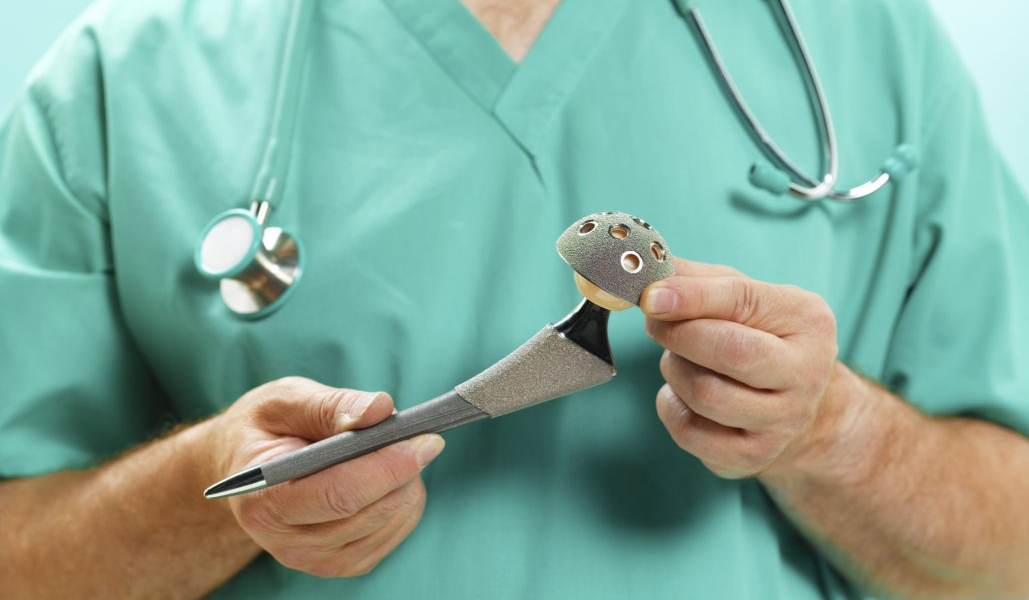
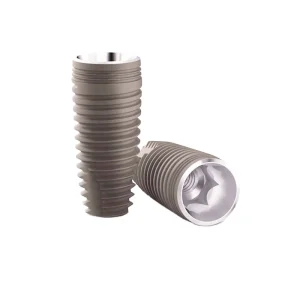
Hangzhou Retra Medical Co., Ltd. is a leading manufacturer of high-performance medical metals and orthopedic implants, specializing in Medical Titanium, Stainless Steel, CoCrMo, Tantalum, and Nitinol. With a strong commitment to research, development, and precision manufacturing, Retra Medical has become a trusted partner for hospitals, clinics, and medical device companies worldwide.
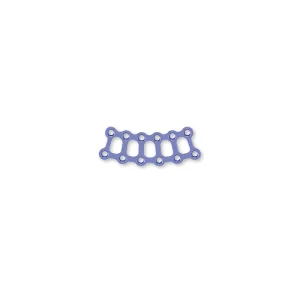
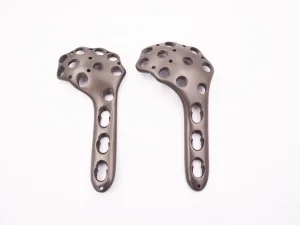
The company offers a comprehensive range of orthopedic and surgical implants, including joint replacement components, spinal systems, trauma plates and screws, maxillofacial reconstruction devices, and custom implant solutions. All products are manufactured using surgical-grade metals that ensure biocompatibility, durability, and corrosion resistance, meeting the stringent standards of the global healthcare industry.
Metallurgical Performance and Standards (316L vs. 316LVM)
Understanding the distinction between standard commercial grades of stainless steel and implant-grade surgical alloys is critical for quality managers and design engineers. The primary alloy utilized in CE-certified surgical stainless steel wire is 316LVM (ASTM F138 / ISO 5832-1). Standard 316L is a low-carbon alloy, but it contains microscopic inclusions and impurities that can act as nucleation sites for pitting corrosion and fatigue crack initiation under physiological stress.
To eliminate these vulnerabilities, 316LVM undergoes Vacuum Arc Remelting (VAR). This advanced metallurgical purification process ensures a highly consistent grain structure, significantly reducing non-metallic inclusions. The resultant wire displays exceptional fatigue strength, higher ductility, and superior resistance to intergranular and stress-corrosion cracking.
| Alloy Grade | Carbon Max (%) | Nickel Range (%) | Chromium Range (%) | Molybdenum (%) | Primary Clinical Use Cases |
|---|---|---|---|---|---|
| 316LVM (ASTM F138) | 0.030 | 13.0 - 15.0 | 17.0 - 19.0 | 2.25 - 3.0 | Permanent orthopedic implants, cerclage, deep-tissue structural sutures. |
| 316L (ASTM F1350) | 0.030 | 10.0 - 14.0 | 16.0 - 18.0 | 2.00 - 3.00 | Surgical instruments, external pins, guide wires, temporary fixations. |
| 302 / 304V (ASTM A313) | 0.12 / 0.08 | 8.0 - 10.5 | 17.0 - 20.0 | - | Mandrels, high-tensile spring guides, outer diagnostic catheter braids. |
The inclusion of Molybdenum (Mo) within the range of 2.25% to 3.00% is specifically designed to combat chloride-induced pitting. This chemical formulation forms a stable, self-healing chromium oxide passive film on the wire's surface, which acts as a barrier protecting the underlying steel from the biological environment.
Global Procurement Demands and Quality Specifications
Global sourcing managers face numerous variables when selecting a reliable surgical wire supplier. Chief among these is the mechanical profile of the wire. Depending on the surgical indication, wire must be supplied in either a fully annealed condition (offering high elongation and flexibility for easy manual manipulation and knotting) or in a cold-worked, high-tensile temper (offering rigidity and strength to withstand massive skeletal loads).
Retra Medical works closely with distributors and medical device OEMs to guarantee strict adherence to the following critical product criteria:
- Surface Integrity: Micro-defect mapping ensures there are no cracks, scratches, or drawing marks greater than 1% of the wire diameter, avoiding points of potential stress concentration.
- Dimensional Tolerances: Ultra-precise laser micrometer inspection during drawing guarantees tolerances as low as ±0.002 mm for micro-diameter components.
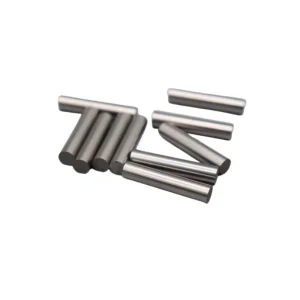
- Straightness Specifications: For automated suture-needle crimping machines and orthopedic wire guides, high-precision straight-cut wires are required with minimum deflection profiles.
- Winding Consistency: Spooled wire is layered under tension to prevent crossovers, binding, and erratic feeding during automated downstream processing.
Supply Security & Custom Packaging
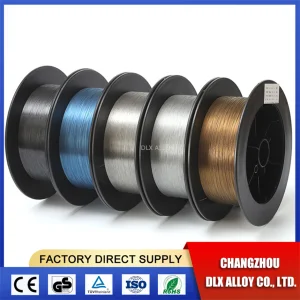
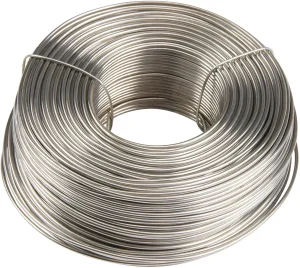
Our wires are supplied in various formats including DIN 125, DIN 160, and custom plastic spools optimized for automated suture-attachment machinery, complete with heat-sealed vacuum packaging to protect the wire's passivation layer from atmospheric moisture and contaminants during overseas shipping.
Macro Industry Solutions & Clinical Applications
CE-certified surgical stainless steel wire from Retra Medical serves vital roles across diverse medical specialties:
1. Cardiothoracic Sternal Closures
Following a median sternotomy, the sternum must be securely re-approximated and immobilized to ensure primary bone healing and reduce post-operative pain. High-tensile 316LVM monofilament wires are used to wrap around the ribs or sternal halves. Our wire maintains its tension profile under constant chest expansion forces during breathing without suffering from stress-relaxation.
2. Orthopedic Cerclage and Fracture Fixation
In complex comminuted fractures, especially of the femur, patella, or olecranon, cerclage wiring is a vital technique to hold bone fragments in position. The wire must possess enough ductility to be twisted or crimped without breaking, yet offer sufficient yield strength to resist displacement during patient movement.
3. Surgical Suture Manufacture
Surgical steel wire is manufactured into non-absorbable metallic sutures (USP sizes 10-0 through 7) utilized in abdominal wall closure, hernia repair, and tendon reconstruction. These sutures require smooth needle attachment surfaces and absolute uniformity to glide through tissues without dragging or tearing.
4. Maxillofacial Reconstruction and Dental Wiring
For jaw fractures, intermaxillary fixation (IMF) wires are applied to immobilize the mandible and maxilla. These applications demand exceptional flexibility for swift dental splint wrapping and maximum resistance to oral cavity corrosion.
Technical Roadmap & Future Material Transformations
As surgical procedures move toward minimally invasive techniques, the demands on biomaterials are shifting. The roadmap for surgical wire technology over the next decade revolves around three primary paradigms:
- Surface Modification: Implementing DLC (Diamond-Like Carbon) or polymer coatings to reduce friction during deployment inside catheters and improve antimicrobial resistance.
- Nickel-Free Alternatives: The development of high-nitrogen, nickel-free stainless steel alloys (such as BioDur 108) to completely eliminate nickel-hypersensitivity reactions in sensitive patient demographics.
- Nano-Structured Steel Alloys: Utilizing extreme drawing deformation processes to create ultra-high-strength nanostructured wires that allow for a reduction in wire diameter while retaining the mechanical integrity of thicker conventional wires.
Retra Medical emphasizes innovation and quality control, combining advanced production techniques with rigorous testing to ensure every implant delivers reliable performance and patient safety. The company also provides customized solutions tailored to specific clinical needs, supporting minimally invasive surgery, complex trauma repair, and long-term implant success.
Guided by the principles of "quality first, innovation-driven, customer-oriented," Hangzhou Retra Medical has earned an excellent reputation both domestically and internationally. With a dedicated R&D team, modern production facilities, and professional after-sales support, the company continues to advance the orthopedic and surgical implant industry, providing safe, high-quality, and reliable solutions that improve patient outcomes and support healthcare innovation worldwide.