Engineered to exact surgical specifications, meeting global regulatory frameworks for long-term biocompatibility and high load-bearing reliability.
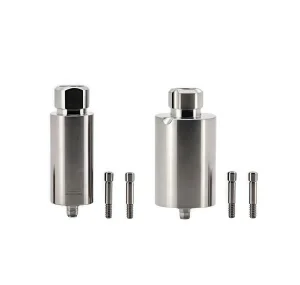
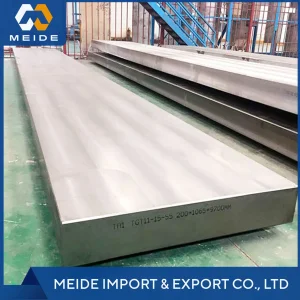
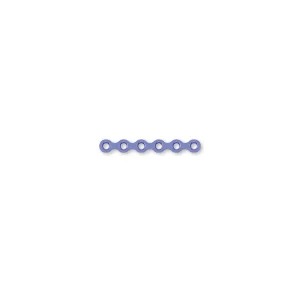
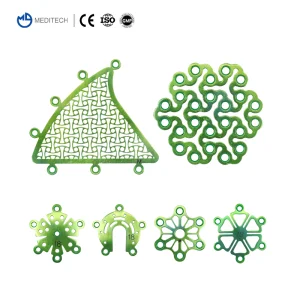
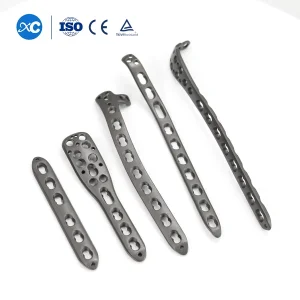

An in-depth metallurgical analysis of wrought Co28Cr6Mo alloys utilized in high-stress medical implant applications.
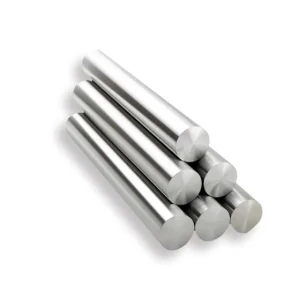
ASTM F1537 covers wrought Cobalt-28Chromium-6Molybdenum alloys used in the manufacturing of surgical implants. Unlike cast alloys governed by ASTM F75, wrought ASTM F1537 materials undergo complex thermo-mechanical processing. This creates a refined, homogeneous grain structure that yields vastly superior fatigue strength, higher ductility, and unmatched wear resistance.
This alloy is primarily divided into three classes based on composition and processing:
The chemical matrix relies on Chromium to form a highly passive, self-healing Cr₂O₃ oxide layer, which minimizes corrosion and the release of metal ions. Molybdenum acts as a solid-solution strengthening agent, substantially improving resistance to pitting and crevice corrosion.
| Element | Alloy 1 (Low Carbon) % (Mass/Mass) | Alloy 2 (High Carbon) % (Mass/Mass) | Alloy 3 (Dispersion Strengthened) % (Mass/Mass) |
|---|---|---|---|
| Cobalt (Co) | Balance | Balance | Balance |
| Chromium (Cr) | 26.00 to 30.00 | 26.00 to 30.00 | 26.00 to 30.00 |
| Molybdenum (Mo) | 5.00 to 7.00 | 5.00 to 7.00 | 5.00 to 7.00 |
| Carbon (C) | 0.14 Max | 0.15 to 0.35 | 0.14 Max |
| Iron (Fe) | 0.75 Max | 0.75 Max | 0.75 Max |
| Nickel (Ni) | 1.00 Max | 1.00 Max | 1.00 Max |
| Silicon (Si) / Manganese (Mn) | 1.00 Max / 1.00 Max | 1.00 Max / 1.00 Max | 1.00 Max / 1.00 Max |
| Nitrogen (N) | 0.25 Max | 0.25 Max | 0.25 to 0.60 |
| Condition | Ultimate Tensile Strength (UTS) | Yield Strength (0.2% Offset) | Elongation in 4D (%) | Reduction of Area (%) |
|---|---|---|---|---|
| Annealed | ≥ 897 MPa (130 ksi) | ≥ 517 MPa (75 ksi) | ≥ 20% | ≥ 20% |
| Hot Rolled | ≥ 1000 MPa (145 ksi) | ≥ 700 MPa (101 ksi) | ≥ 12% | ≥ 12% |
| Warm Worked | ≥ 1172 MPa (170 ksi) | ≥ 827 MPa (120 ksi) | ≥ 12% | ≥ 12% |
Hangzhou Retra Medical Co., Ltd. is a leading manufacturer of high-performance medical metals and orthopedic implants, specializing in Medical Titanium, Stainless Steel, CoCrMo, Tantalum, and Nitinol. With a strong commitment to research, development, and precision manufacturing, Retra Medical has become a trusted partner for hospitals, clinics, and medical device companies worldwide.
The company offers a comprehensive range of orthopedic and surgical implants, including joint replacement components, spinal systems, trauma plates and screws, maxillofacial reconstruction devices, and custom implant solutions. All products are manufactured using surgical-grade metals that ensure biocompatibility, durability, and corrosion resistance, meeting the stringent standards of the global healthcare industry.
Retra Medical emphasizes innovation and quality control, combining advanced production techniques with rigorous testing to ensure every implant delivers reliable performance and patient safety. The company also provides customized solutions tailored to specific clinical needs, supporting minimally invasive surgery, complex trauma repair, and long-term implant success.
Guided by the principles of "quality first, innovation-driven, customer-oriented," Hangzhou Retra Medical has earned an excellent reputation both domestically and internationally. With a dedicated R&D team, modern production facilities, and professional after-sales support, the company continues to advance the orthopedic and surgical implant industry, providing safe, high-quality, and reliable solutions that improve patient outcomes and support healthcare innovation worldwide.
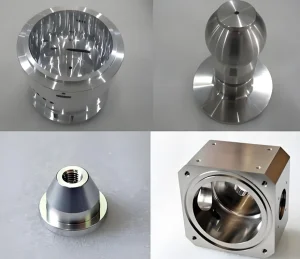
From micro-dental restorations to complex weight-bearing joints, CoCrMo plays a pivotal role in modern clinical surgery.
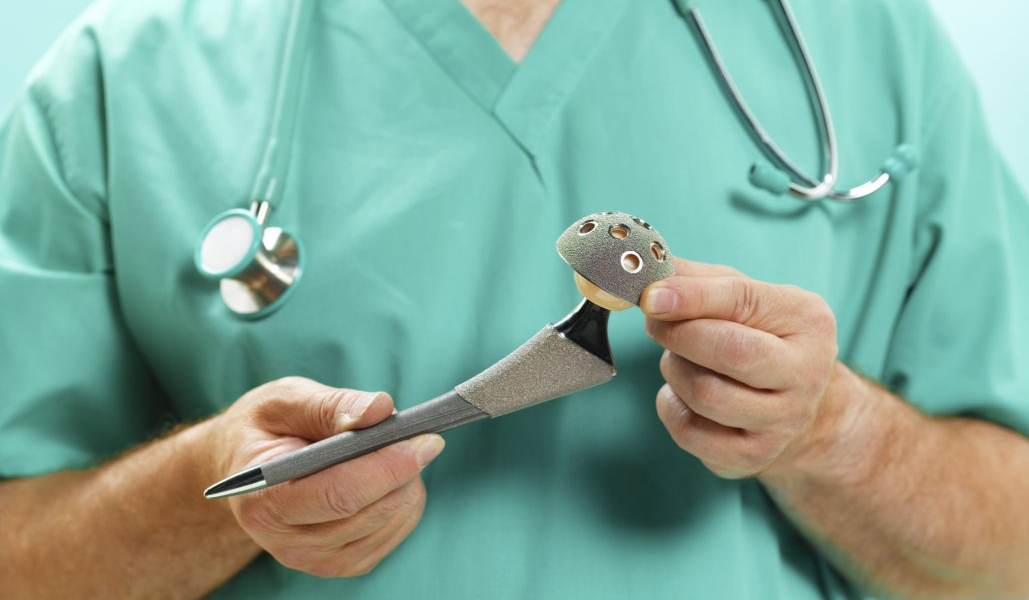
Due to its low coefficient of friction and superior wear resistance, ASTM F1537 high-carbon alloy is the gold standard for femoral heads in total hip replacements and femoral components in total knee replacements, ensuring longevity exceeding 20 years.
ASTM F1537 is highly favored in CAD/CAM dental milling. It serves as the framework for dental crowns, bridges, and substructures, resisting masticatory stress and preventing galvanic corrosion in the oral cavity.
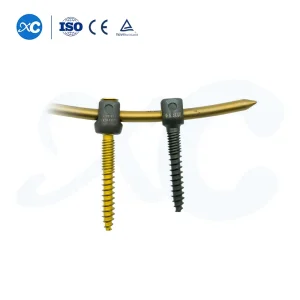
For severe scoliosis and spinal trauma, CoCrMo rods are used. They provide higher stiffness than titanium, allowing surgeons to use thinner rods while maintaining the necessary corrective force and preventing correction loss.
Analyzing the global demand for cobalt-base surgical alloys and why Chinese manufacturers offer distinct advantages.
The global orthopedics market is expanding rapidly due to demographic aging and active lifestyles. Cobalt-Chromium-Molybdenum alloys represent a significant portion of this market. As strict regulations like the EU MDR and FDA's updated guidance enforce trace-element limits, sourcing ASTM F1537 materials with high metallurgical purity has become critical.
China has emerged as a powerhouse for medical-grade raw material extraction and finished implant components. Chinese manufacturers provide significant advantages:
The future of orthopedic biomaterials lies at the intersection of metallurgy and bio-integration. The current ASTM F1537 technological roadmap focuses on three main developments:
Our commitment to safety is backed by international certifications and rigorous batch testing protocols.
Every batch undergoes metallographic inspection to verify carbide distribution and grain size. Retaining a fine grain size of ASTM 8 or higher ensures high fatigue strength and prevents catastrophic failure in vivo.
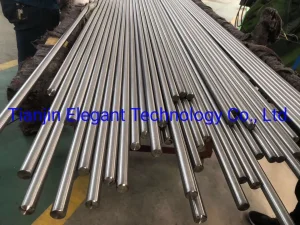
To ensure zero defect manufacturing, non-destructive testing (NDT), including ultrasonic testing according to ASTM E114, is applied to all bars. This guarantees the absence of internal voids, inclusions, or micro-cracks.
Simulating human physiological fluids, our implants undergo potentiodynamic polarization tests (ASTM G5) to confirm that corrosion rates are significantly below acceptable clinical limits.
Detailed technical answers regarding material selection, machining, and logistics.
The core difference lies in the manufacturing method. ASTM F1537 specifies wrought material, meaning it is forged or rolled. This results in a refined grain structure, higher ductility, and better fatigue limit. ASTM F75 covers cast material, which is typically used for complex shapes but has larger grain sizes and lower fatigue strength.
Low-carbon variations (Alloy 1) have fewer carbides, making them easier to machine and shape. High-carbon variations (Alloy 2) have hard carbide precipitates dispersed throughout the matrix, which significantly increases wear resistance. They are ideal for metal-on-metal sliding surfaces, though they are more challenging to machine.
Common treatments include passivation (nitric or citric acid) to enhance the oxide film, physical vapor deposition (PVD) coatings (like TiN) to improve surface hardness, and mechanical polishing to a mirror finish. This reduces abrasive wear when in contact with articulating surfaces.
Yes. Our production facilities maintain cleanroom environments and quality systems aligned with ISO 13485. Full material traceability, including chemical composition heat certificates and mechanical test records, is supplied with every delivery to support regulatory submissions.
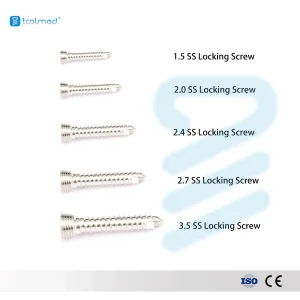
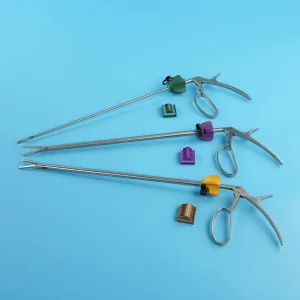
Explore our broader selection of medical implant solutions, including raw titanium bars, surgical instrumentation, and specialty alloys.
 Retra Medical