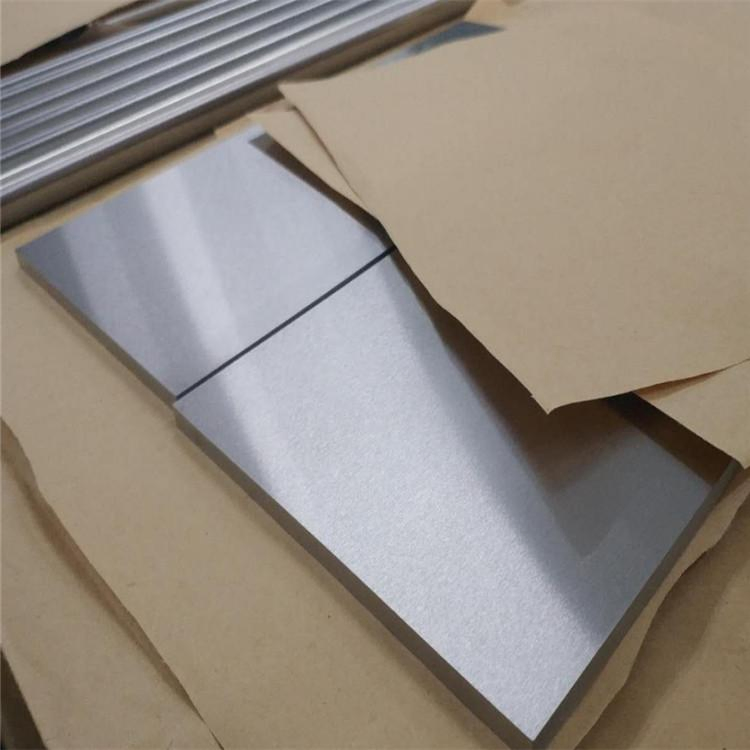
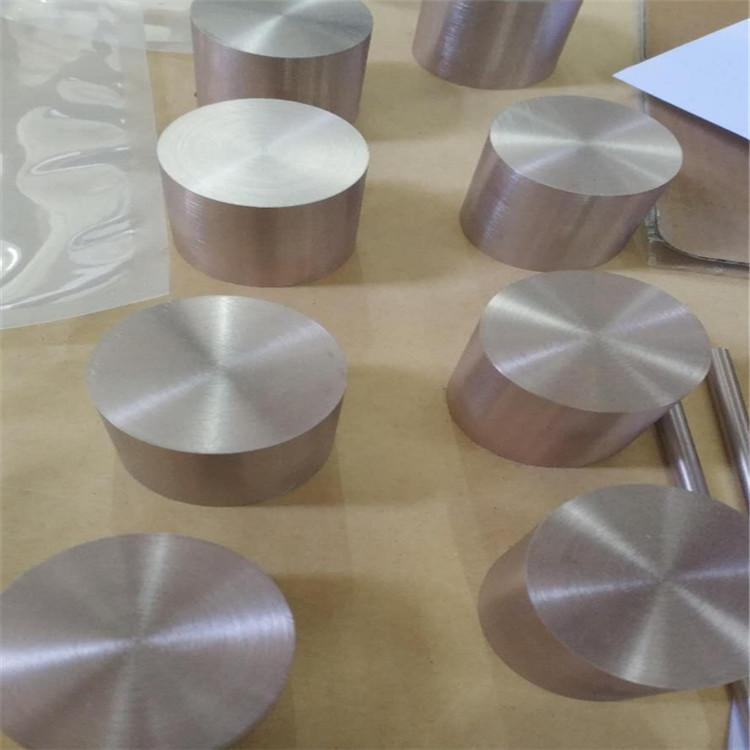
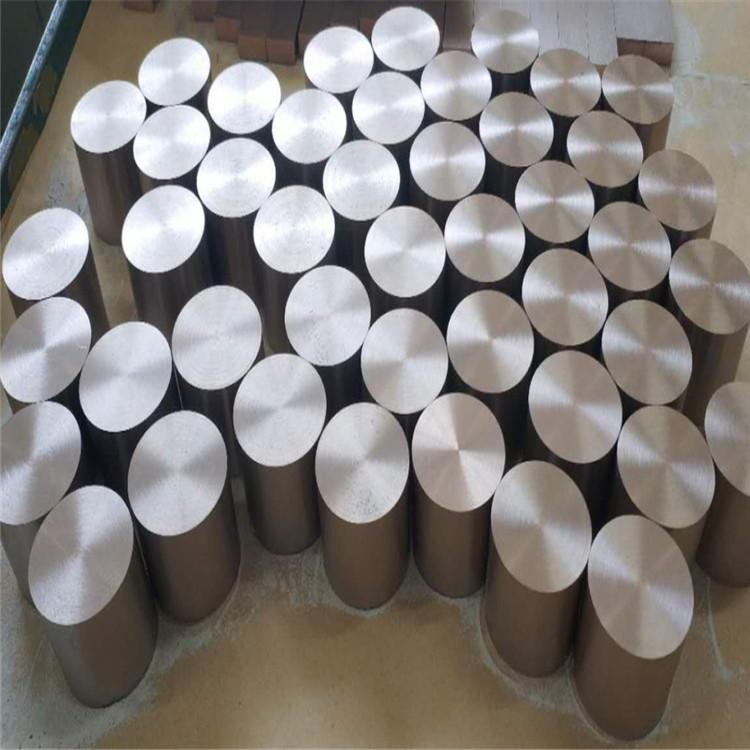
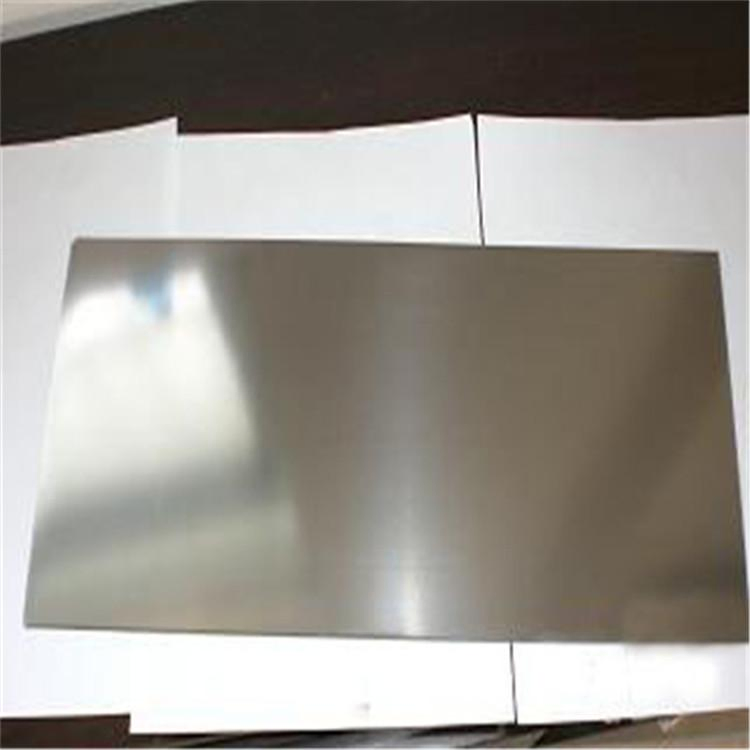
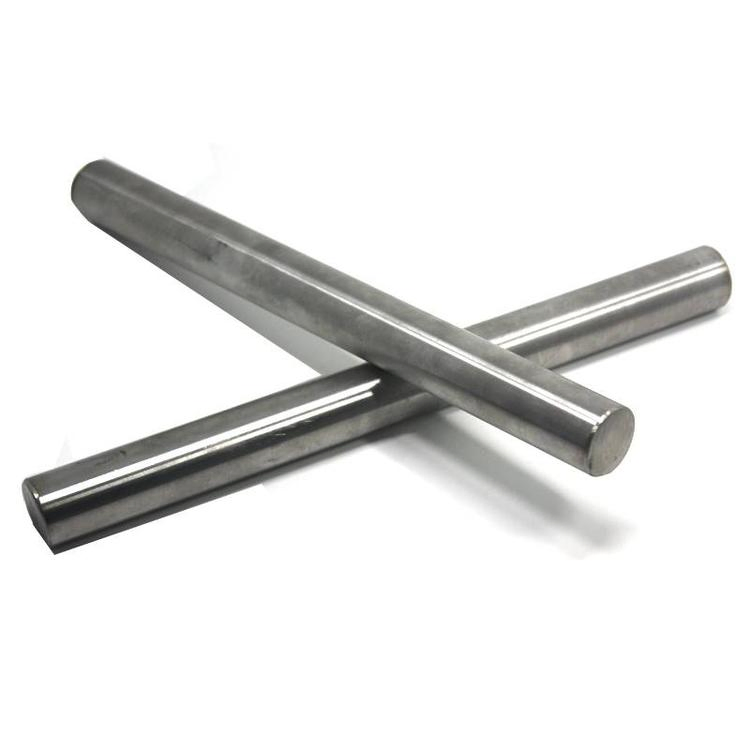
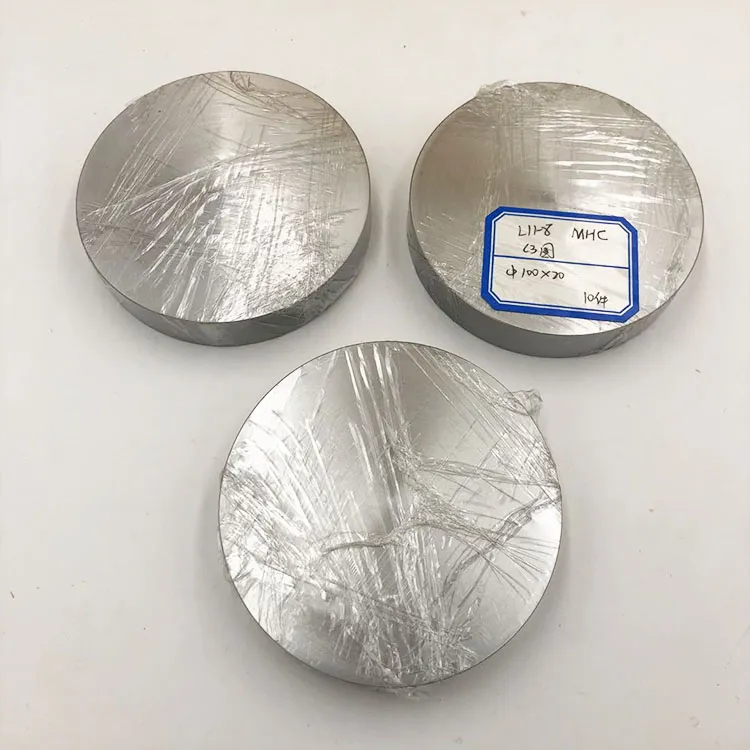
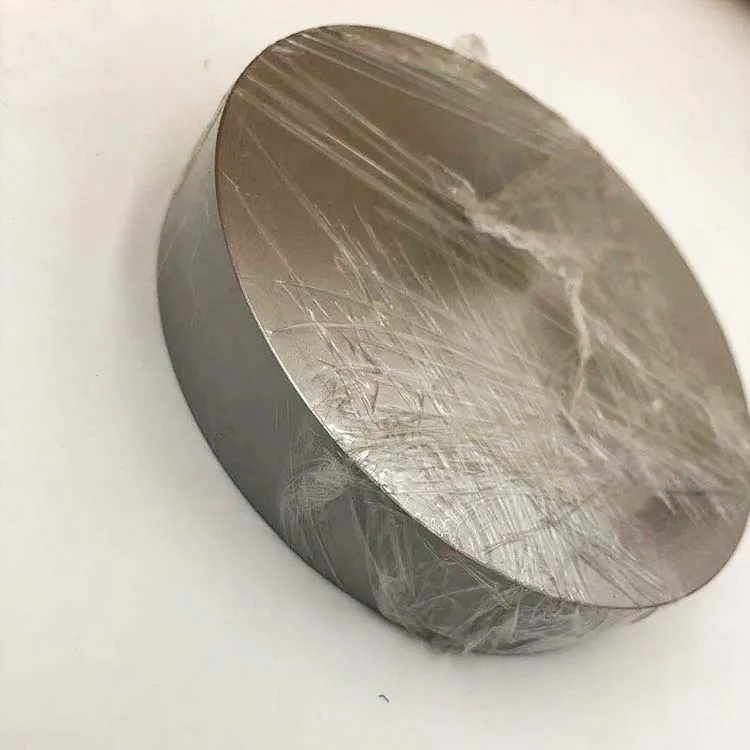
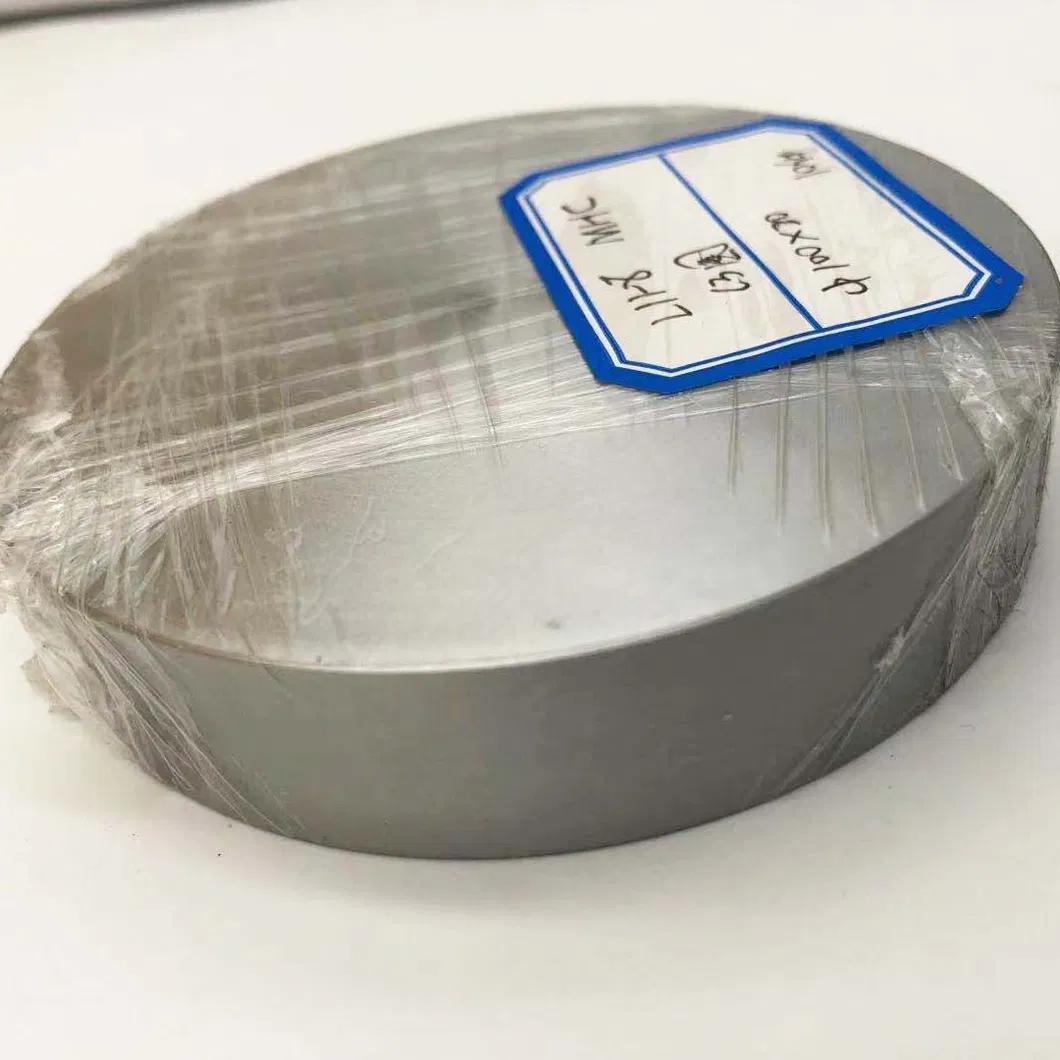
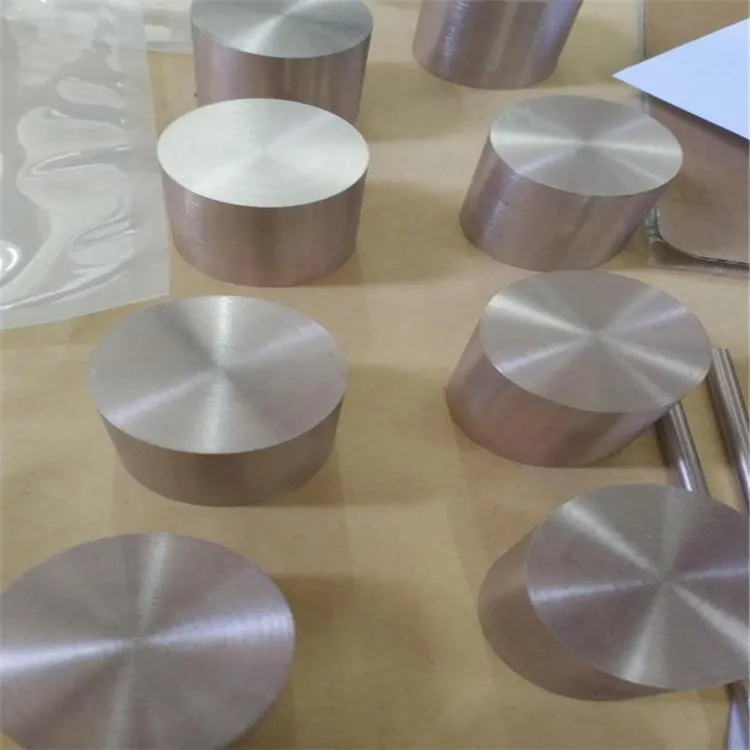
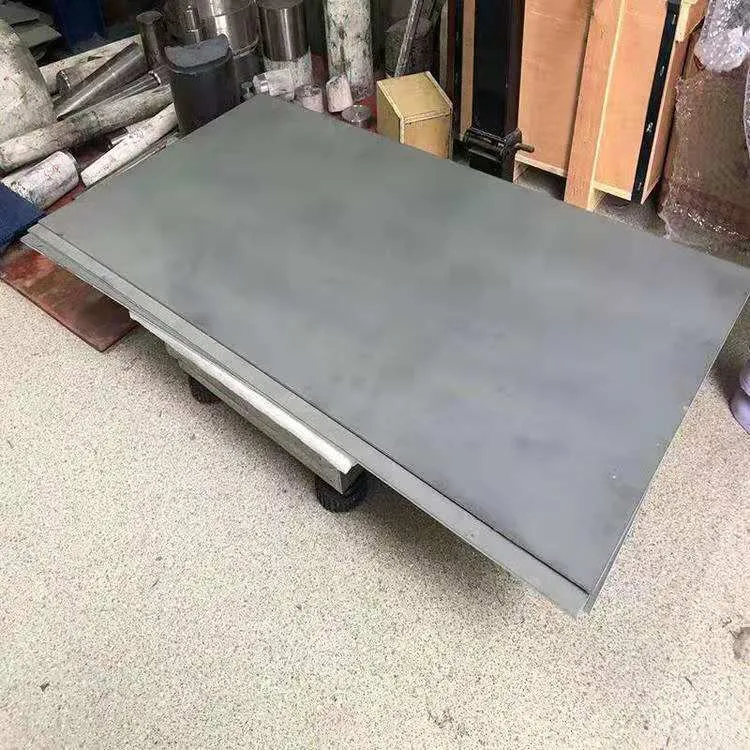
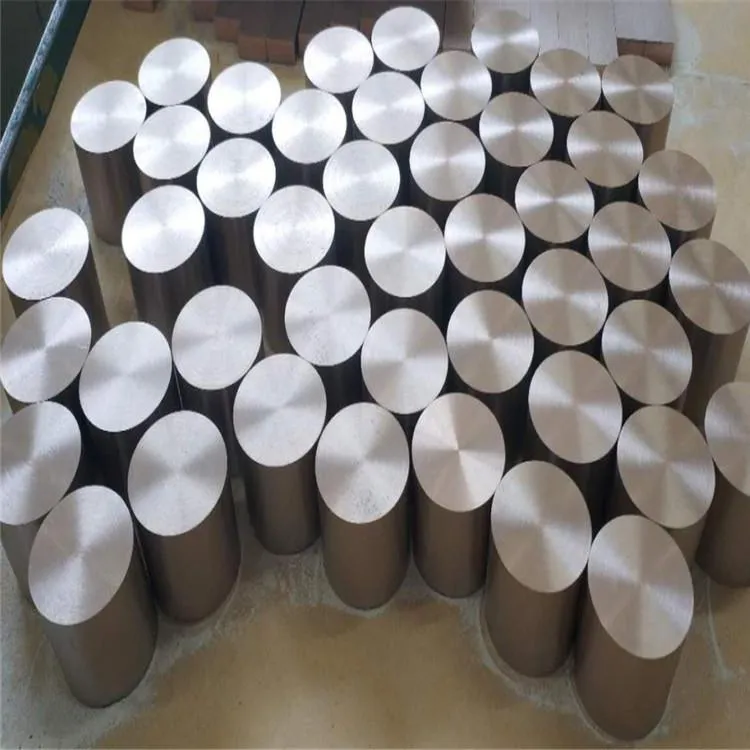
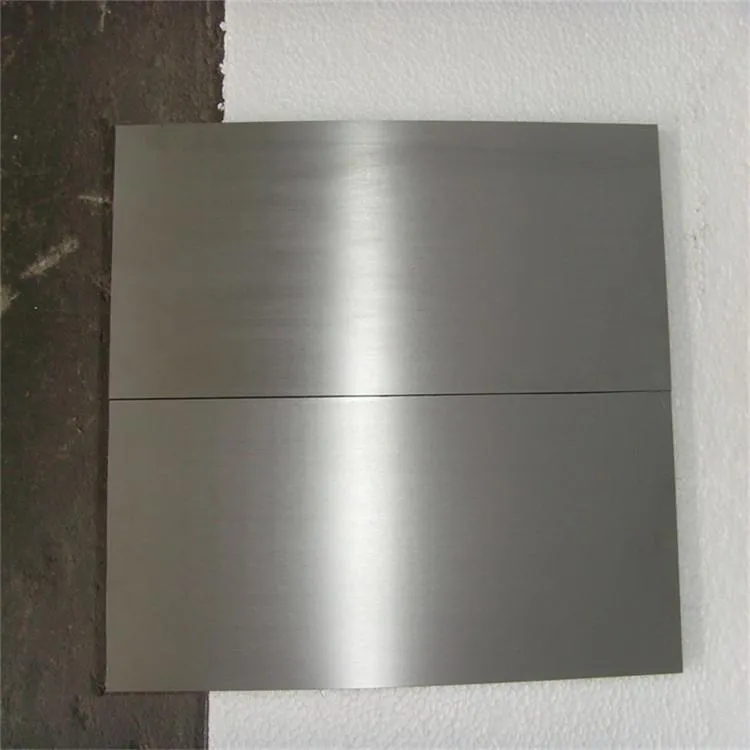
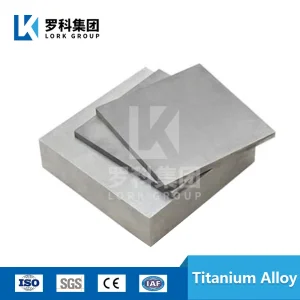
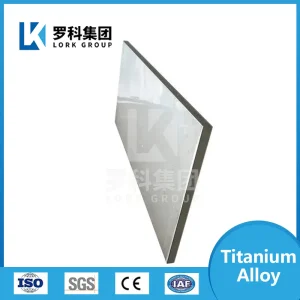
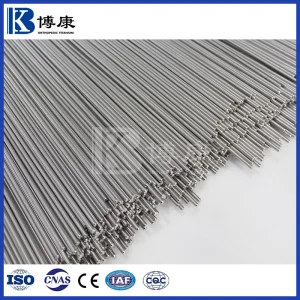
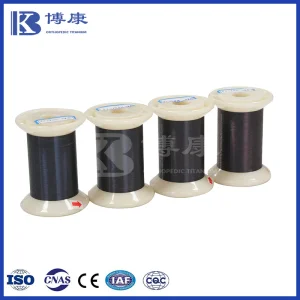
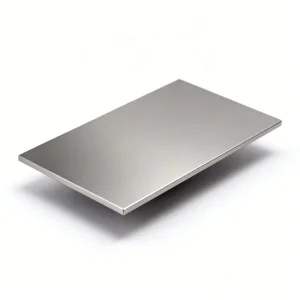
High quality Titanium-zirconium-molybdenum alloy:
| Physical Properties |
Unit |
Value / Range |
| Hardness Vikers |
HV |
280-320 |
| Tensile Strength |
Mpa |
830 |
| Upper Yield Strength |
Mpa |
786 |
| Elongation after fracture |
% |
26 |
| Application |
Mainly used for hot processing tools |
| Available Size or Shape |
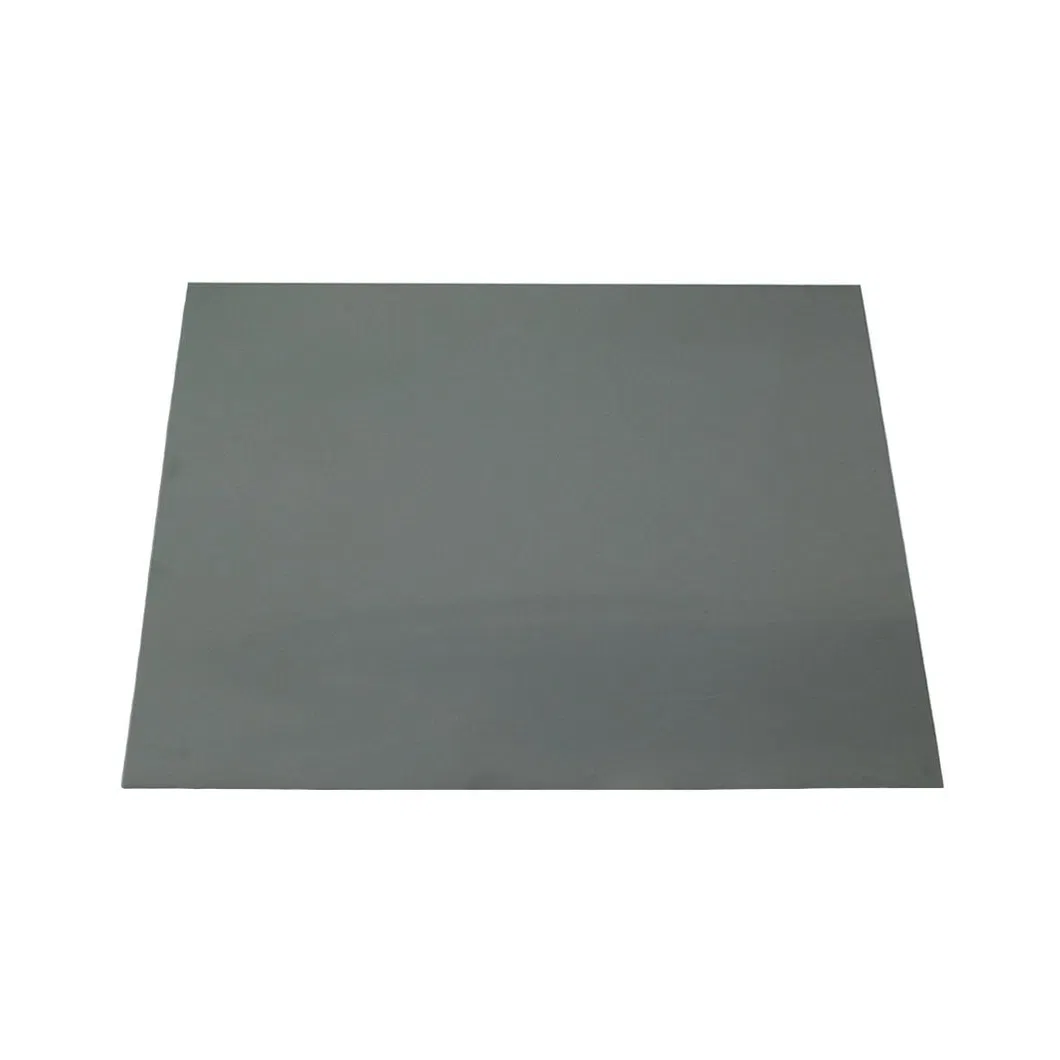
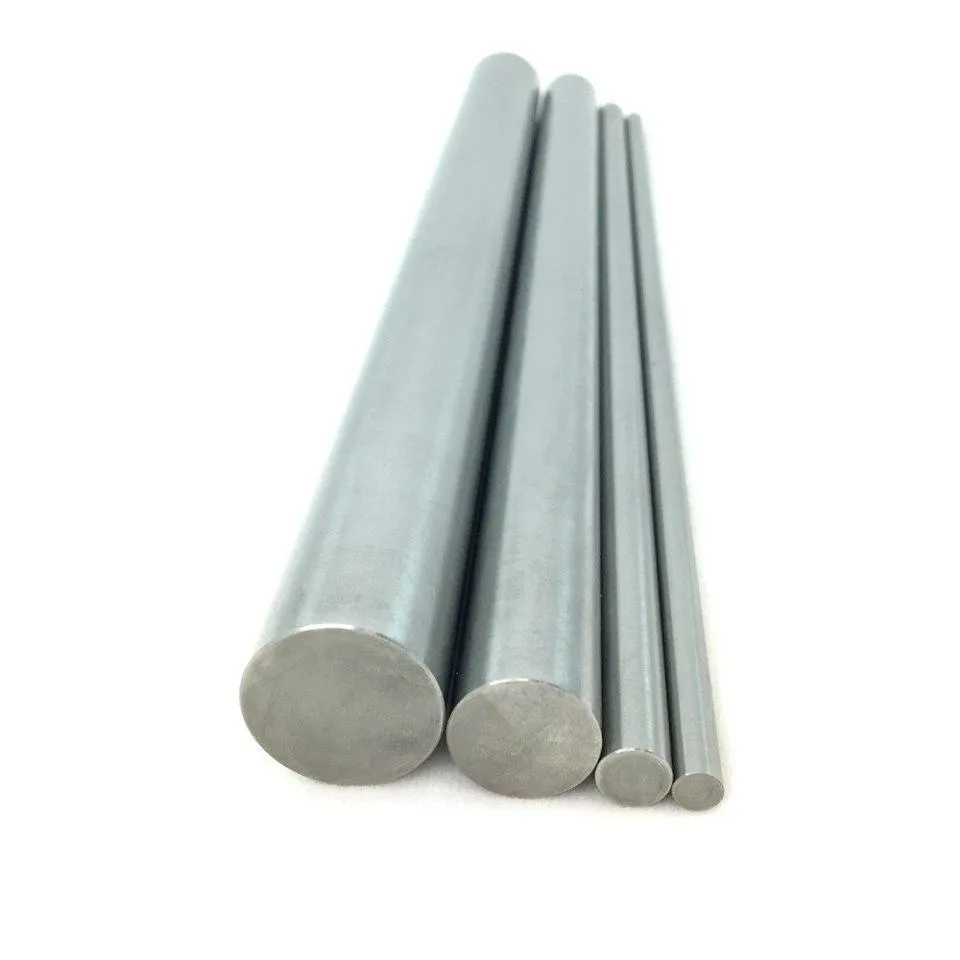
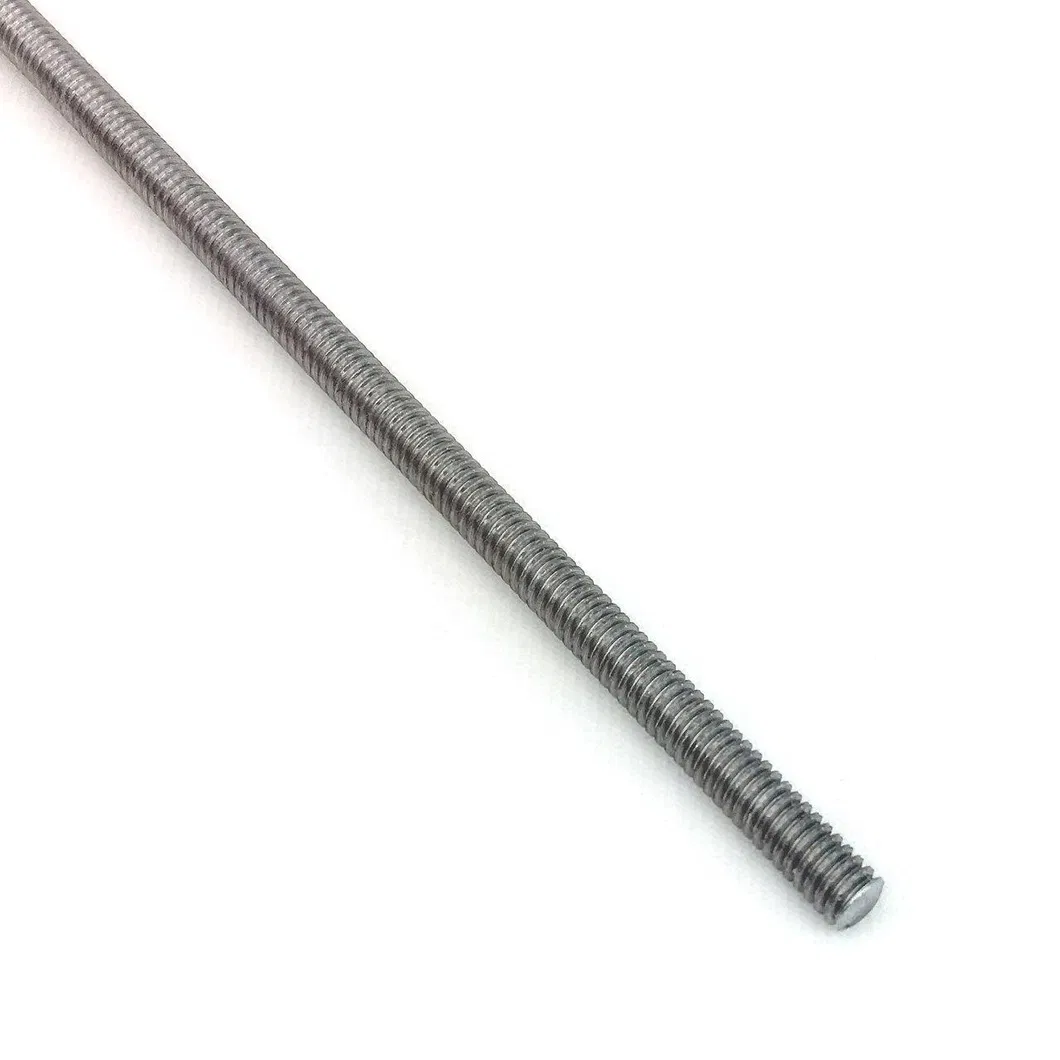
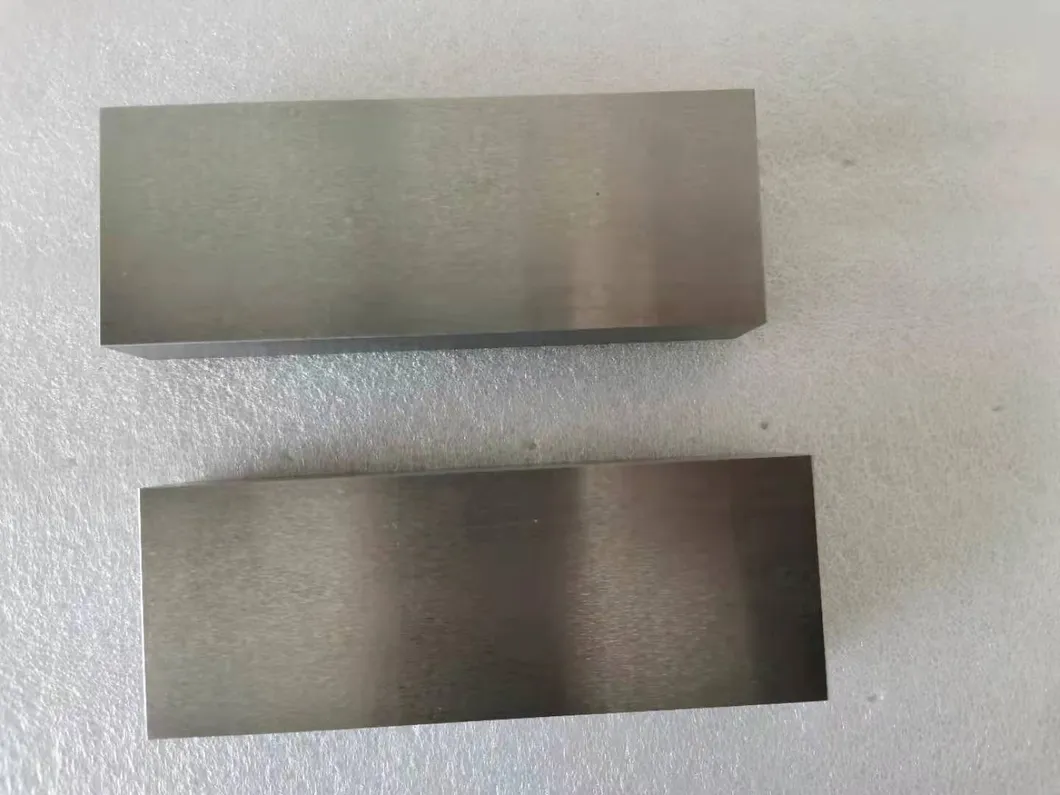
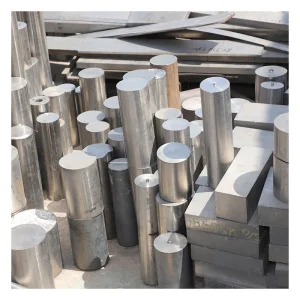
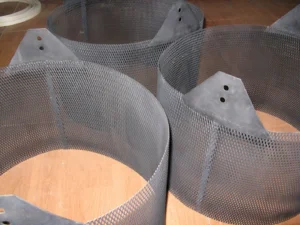
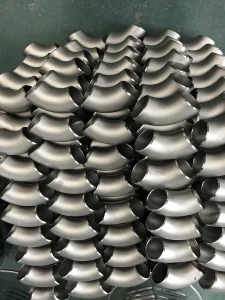
Rod or other shape and size as per customers' requests |
MHC alloy performance and processing deformation degree is related to heat treatment conditions. MHC alloy usually produced by powder metallurgy spindle; when the forging deformation is 60%, at 950 ~ 1250 ºC the tensile strength is 20% higher than TZM and the direction elongation is 10%.
?
Frequently Asked Questions
What are the primary applications for MHC alloy?
MHC (Titanium-Zirconium-Molybdenum) alloy is primarily used for hot processing tools due to its excellent thermal stability and strength at elevated temperatures.
How does MHC alloy compare to TZM alloy?
When forgings are deformed by 60% at temperatures between 950 and 1250 ºC, MHC alloy exhibits a tensile strength approximately 20% higher than that of standard TZM alloy.
What is the hardness range of this Titanium-Zirconium-Molybdenum alloy?
The Vickers hardness (HV) of this high-quality alloy typically ranges between 280 and 320.
In what shapes and sizes can this material be provided?
We provide the alloy in rod form as standard, but other shapes and customized sizes are available upon specific customer requests.
What production method is used for MHC alloy?
MHC alloy is typically produced using the powder metallurgy spindle process, which ensures a high degree of material consistency and performance.
What is the monthly production capacity for this model?
Currently, the production capacity for the alloy-01 model is 50 pieces per month.
 Retra Medical