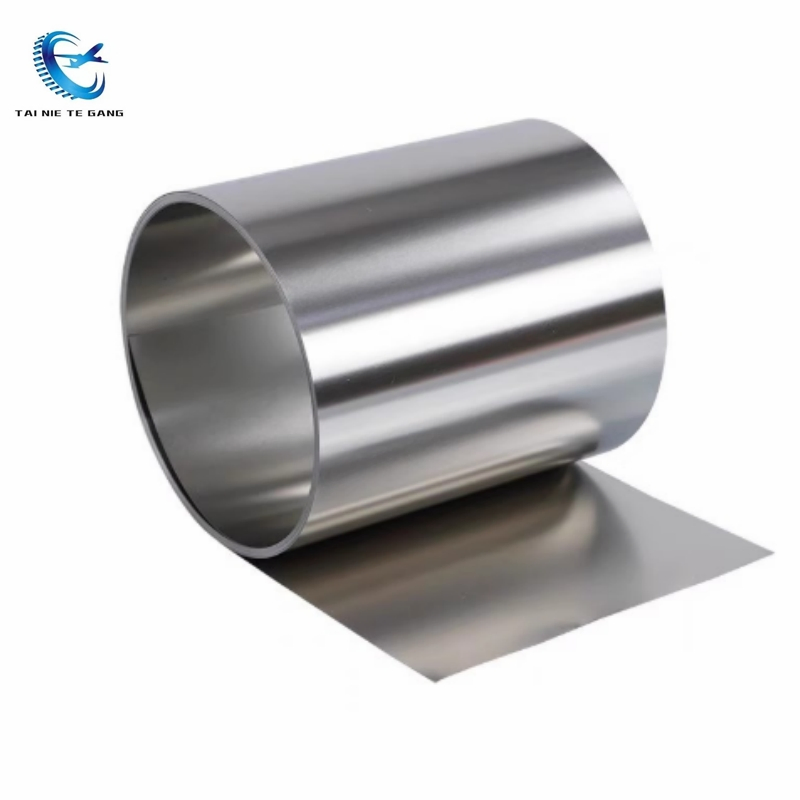
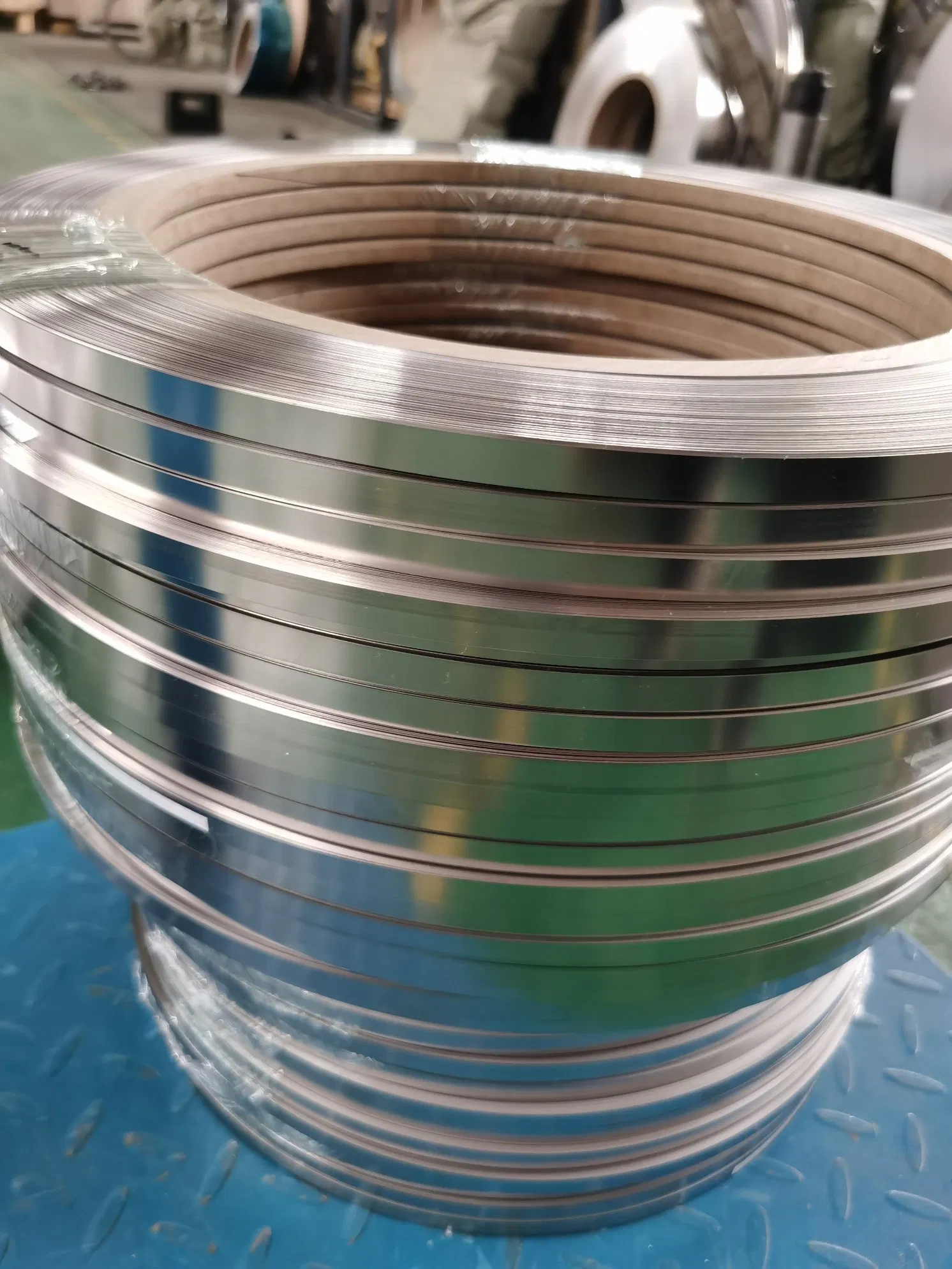
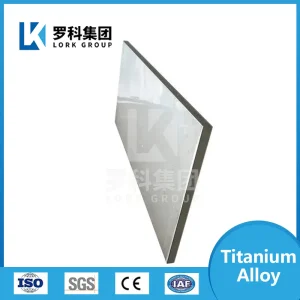
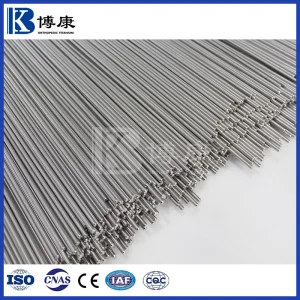
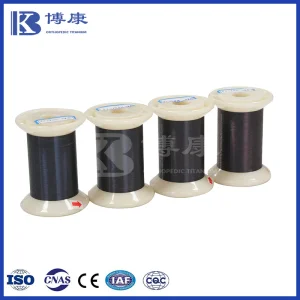
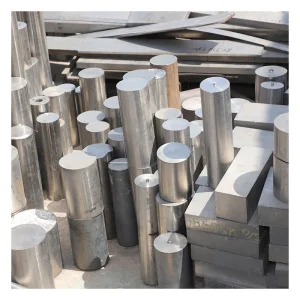
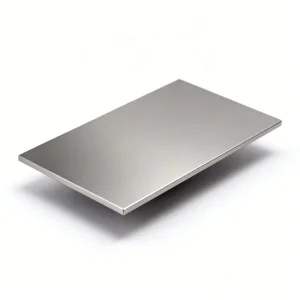
Precision Alloy Nilo475/4j49/Ni47crb/Ns-1/Ns49 Steel Strip Steel Coil Steel Foil Titanium-Nickel Alloy

Still deciding? Get samples of $ !
Request Sample

Product Description

📋 Basic Info.
Model NO.
Nilo475/4J49/Ni47CrB/NS-1/NS49
Composition
Precision Alloy
Technique
Cold Rolled
Shape
Coil
Surface Treatment
Polished
Special Use
High-strength Steel Plate, Wear Resistant Steel, Silicon Steel
Application
Aerospace, Chemical Industry
MOQ
50kg
Trade Terms
EXW, Fob, CIF, CFR
Stock
Stock Available
Delivery Time
10-20day
Specification
Ultra-thin 0.005~0.3mm range
🔹 Product Description
Precision Alloy Strip

We are mainly committed to high-tech enterprises integrated with special alloy materials, specializing in the research and sales of special alloys such as nickel-based and iron-based. Products include corrosion-resistant alloys, superalloys, precision alloys, Hastelloy, Monel, INCONEL, INCOLOY, copper-nickel alloys, titanium and titanium alloys, zirconium and zirconium alloys, nickel and nickel-based alloys, nickel-cobalt-based heat-resistant alloys, Hafnium alloy, etc., more than 60 kinds of alloy materials such as special stainless steel.

On the basis of stabilizing the quality of original products, according to market demand, we solve quality problems existing in traditional metallurgical processes, ensuring low miscellaneous and low deflection of alloy material products.

Alloy Material
Property Precision Alloy Steel Strips Precision Alloy Steel Sheets
Material Composition High-purity elements (nickel, iron, cobalt, chromium). Common: Invar, Kovar, Constantan. Carefully controlled compositions with low expansion or specialized magnetic properties (Invar, Mu-metal).
Thickness Generally thin: 0.1 mm to 3 mm. Thicker than strips: 0.5 mm to several millimeters.
Applications Instruments, electronic components, sensors, transformers, automotive parts. Aerospace, electronics, medical devices, structural parts, enclosures.
Mechanical Properties High strength, dimensional stability, excellent deformation resistance. High tensile strength, excellent flatness, stable under high/low temperatures.
Magnetic Properties High magnetic permeability (e.g., Mu-metal) for shielding. Used for shielding in sensitive equipment to eliminate interference.
Heat Treatment Annealing or stress-relieving for optimal stability. Solution annealing or stress-relief to improve strength and resistance.
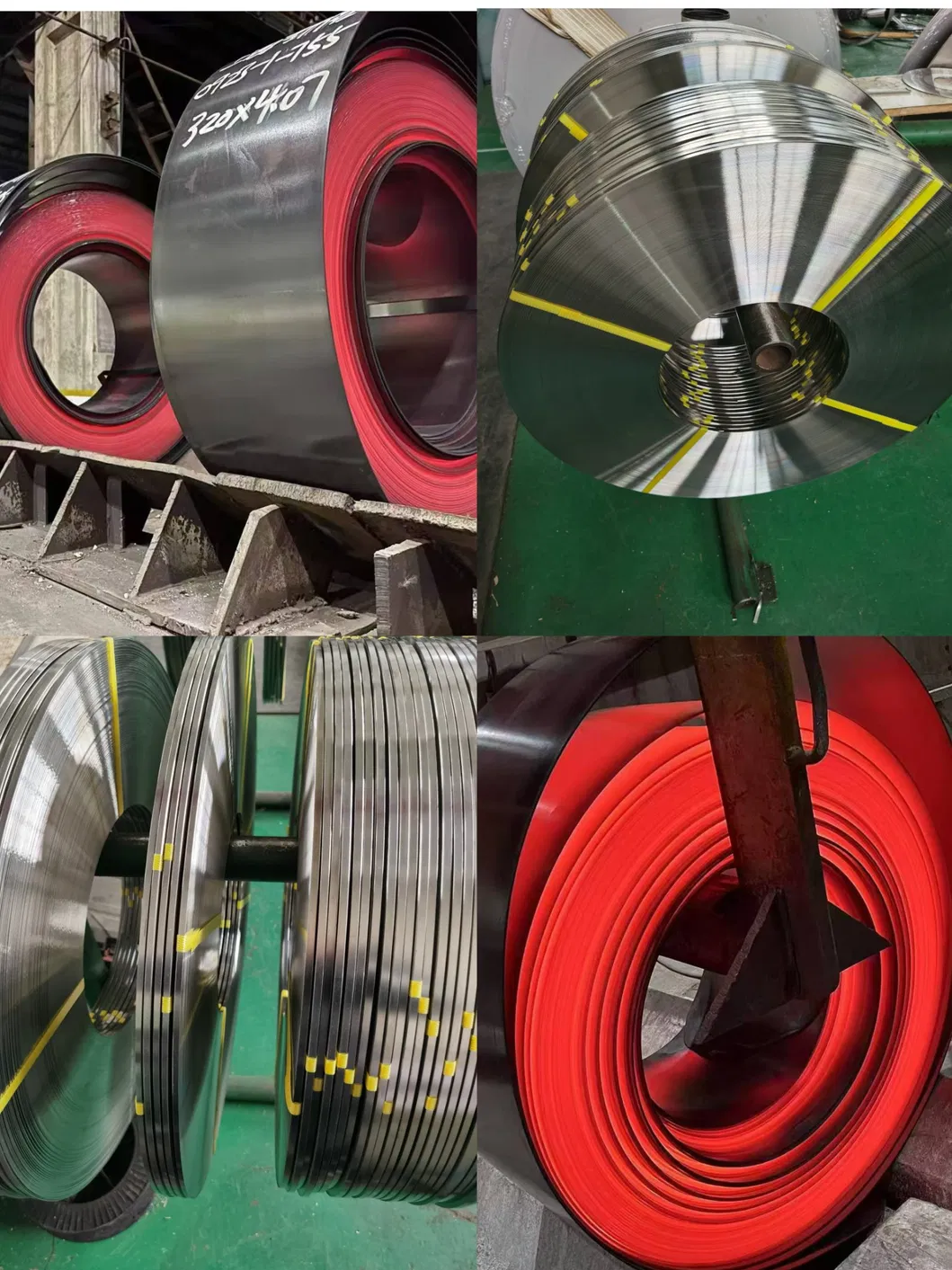
📸 Detailed Photos & Key Advantages
  • ✨ Controlled Properties: Tailored for specific applications, offering controlled expansion, high strength, or high electrical conductivity.
  • ✨ Dimensional Stability: Excellent flatness, accuracy, and stability, even under thermal cycling.
  • ✨ High Durability: Resistant to thermal, mechanical, and magnetic stresses, suitable for critical components.
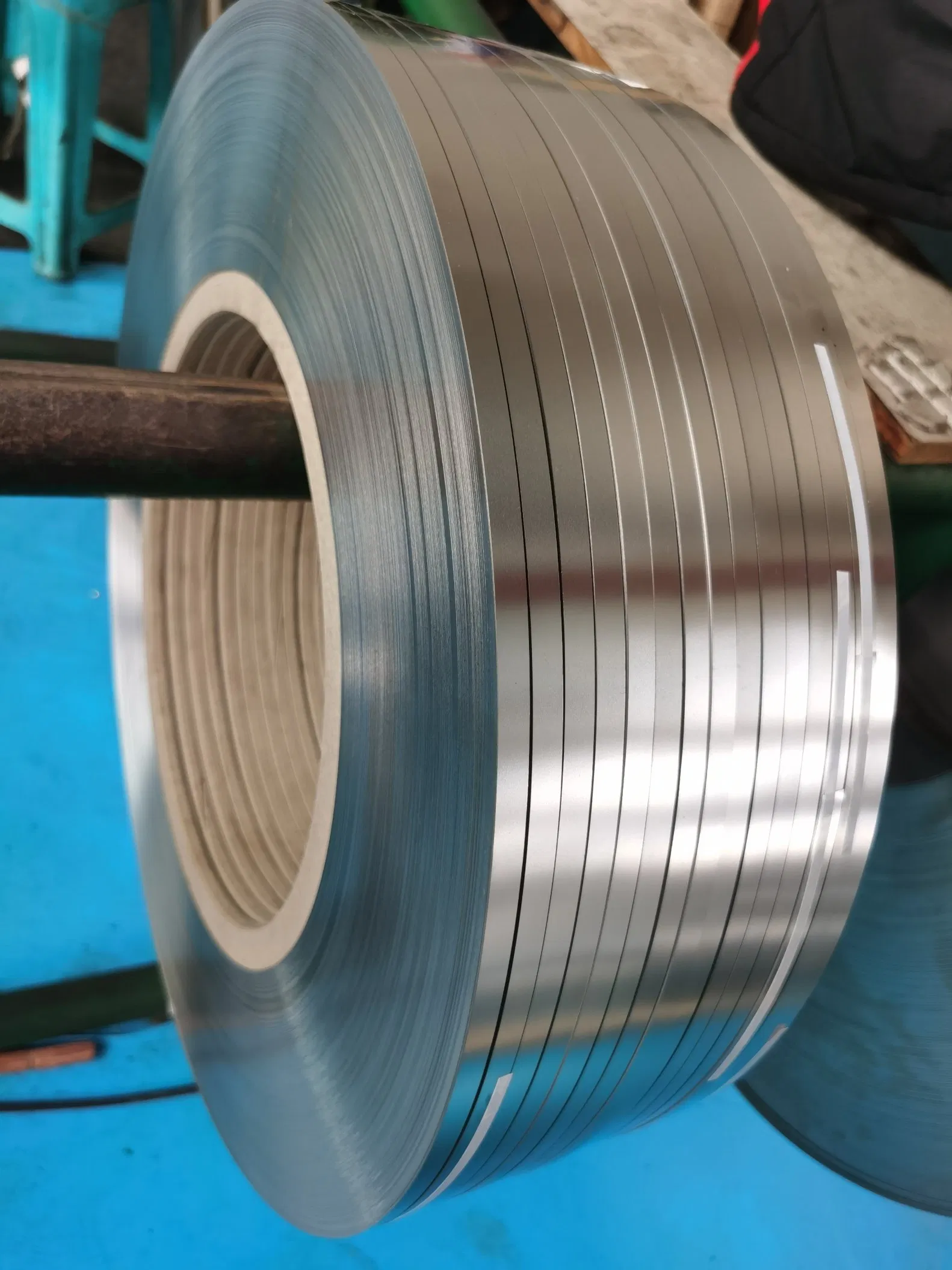
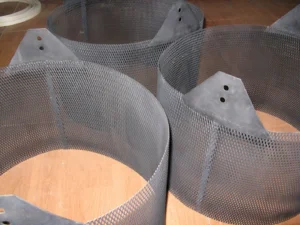
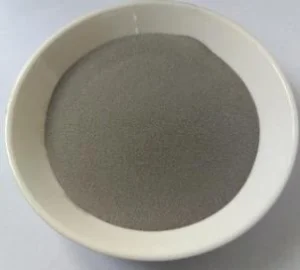
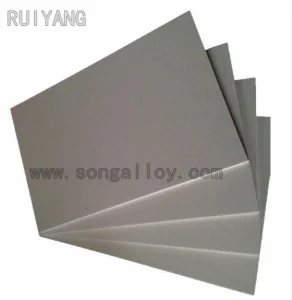
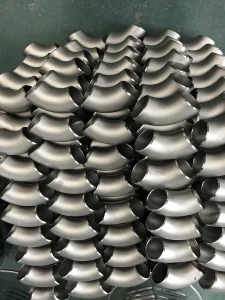
Detailed View
🏭 Factory Workshop & Application
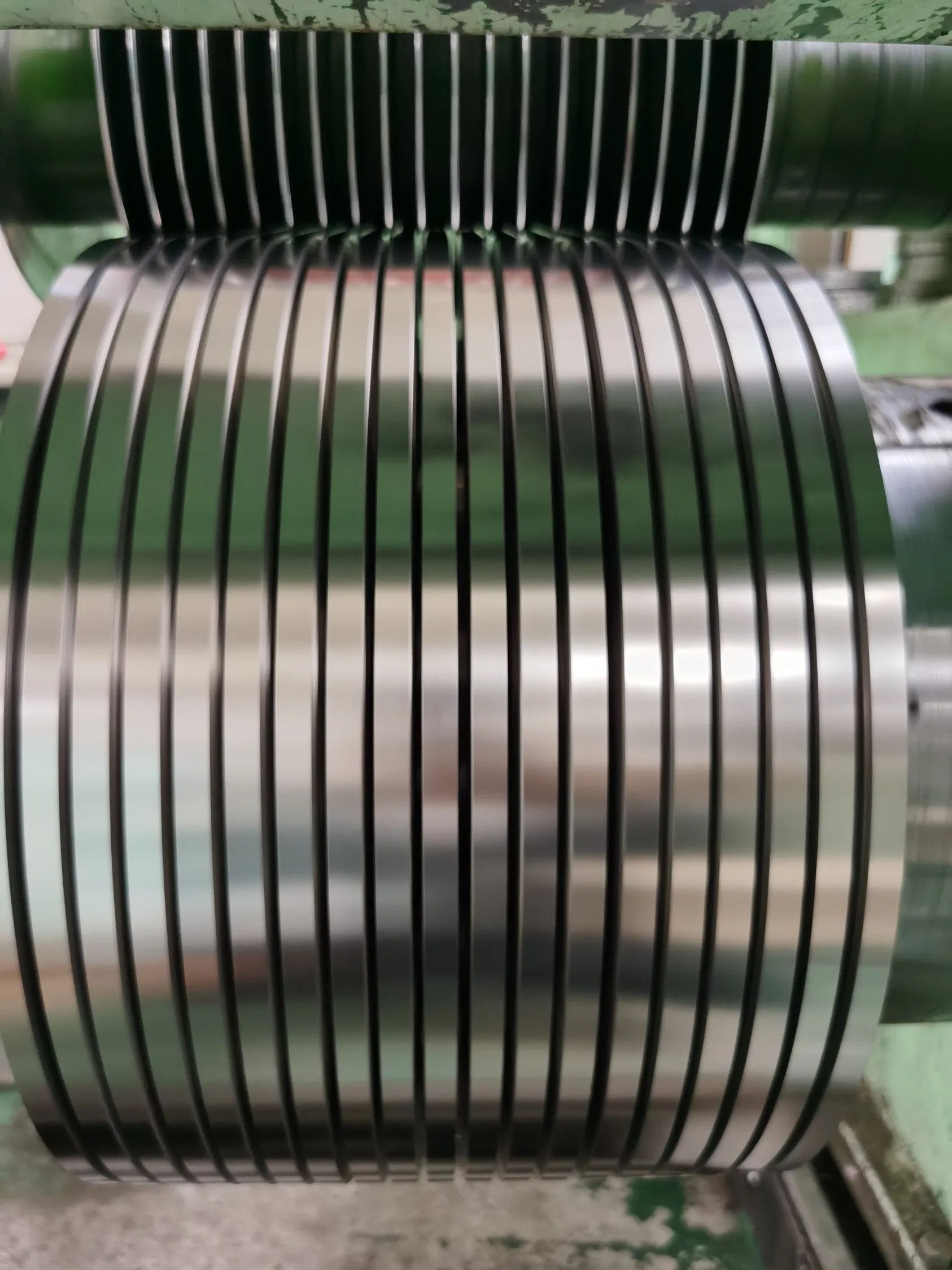
Factory Workshop
Product Application
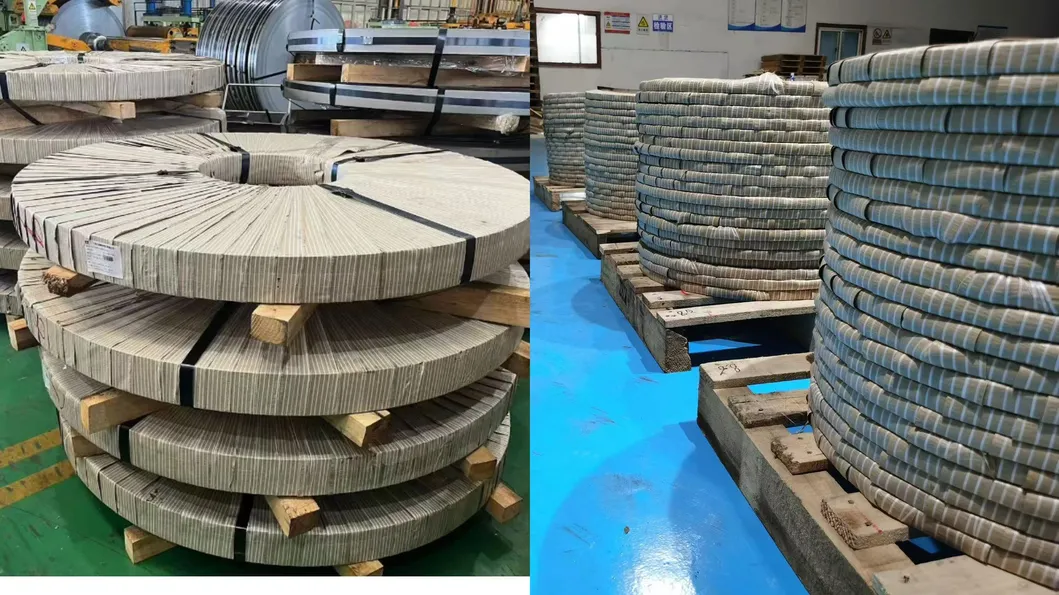
📦 Packaging & Shipping
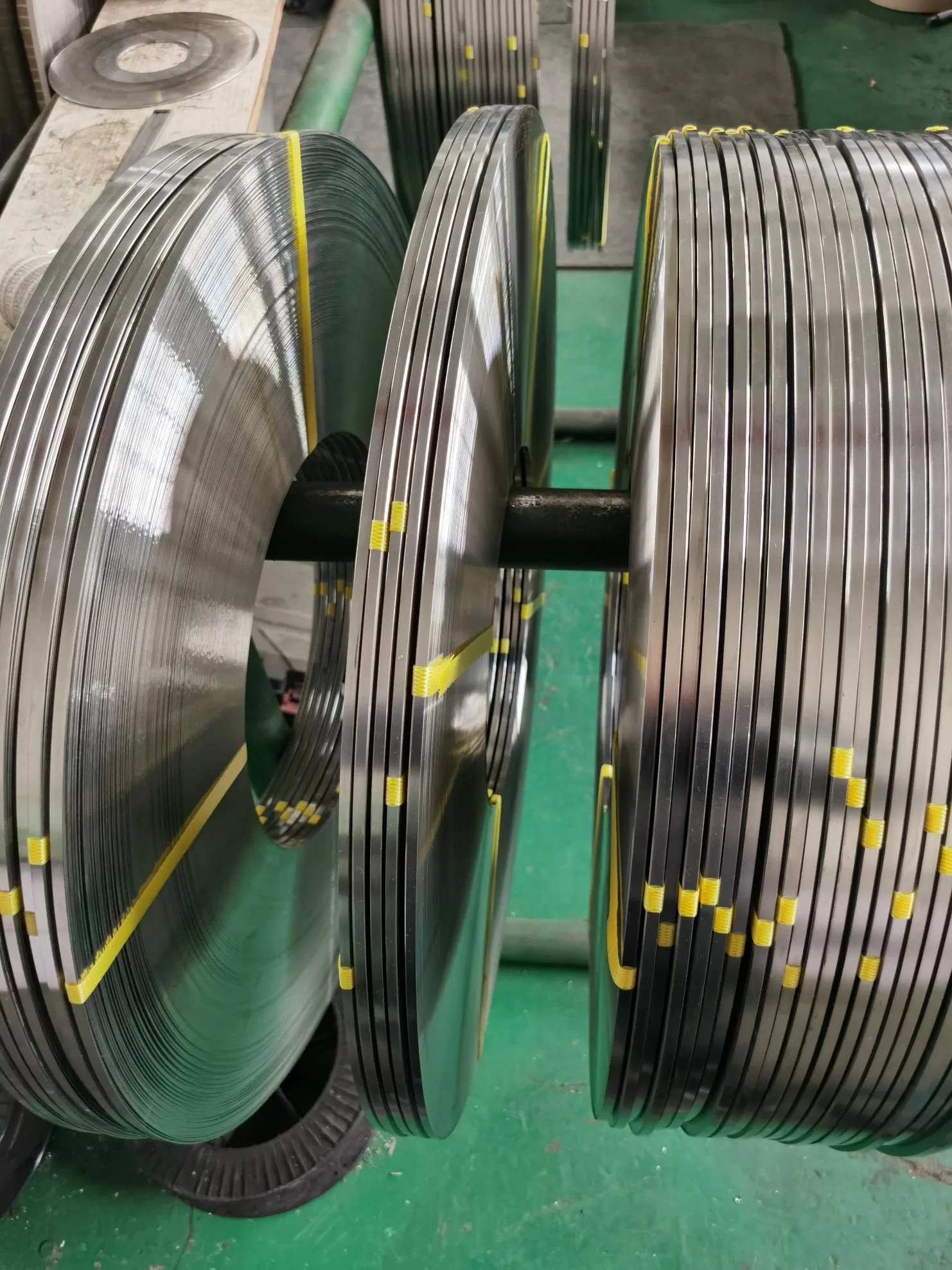
Packaging 1 Packaging 2
Frequently Asked Questions
1. What is precision alloy?
Precision alloys are special alloys with high purity, uniformity, and stability. They are used for manufacturing parts with strict requirements for size, shape, and physical properties like magnetic, electrical, or thermal performance.
2. What are the main types of precision alloys?
They include Magnetic alloys (soft/hard), Elastic alloys, Expansion alloys, Thermal Bimetals, Resistive alloys, and Shape memory alloys, categorized by their unique physical characteristics.
3. What are the primary application areas?
Precision alloys are widely used in aerospace (engines, structural parts), automobiles, energy, chemicals, medical equipment, and the electronics industry.
4. How is the quality of precision alloy detected?
Quality is verified through chemical analysis (spectral analysis) and physical property testing, including tensile, hardness, and low-temperature impact testing to ensure technical compliance.
5. What are the significant advantages of these alloys?
Advantages include unique physical properties (conductivity/magnetism), high strength, wear resistance, strong corrosion resistance, and stable performance across wide temperature ranges.
6. How do precision alloys perform in magnetic fields?
Magnetic alloys exhibit excellent permeability and low coercivity, making them easy to demagnetize with low energy loss, which is essential for electromagnetic equipment.

Related Products