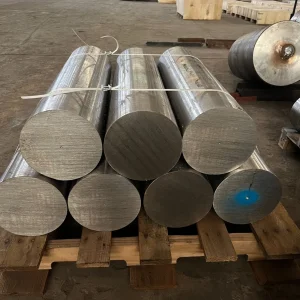
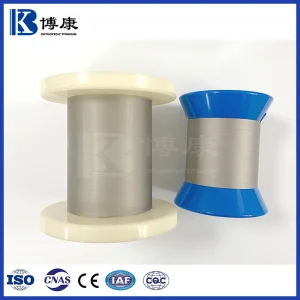
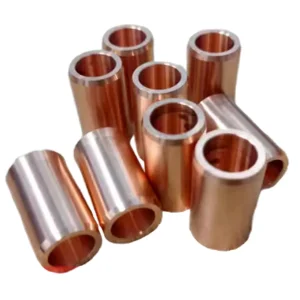
Explore our core selection of precision-engineered components, orthodontic implants, and custom alloy products designed for life-saving applications.
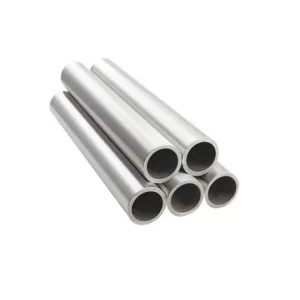
In the rapidly evolving domain of clinical engineering, medical-grade titanium tubing has emerged as the structural backbone of modern invasive cardiology, orthopedics, and complex surgical instrumentation. Known for its exceptional strength-to-weight ratio, biological inertness, and ability to seamlessly integrate with human tissue, titanium and its specific alloys (most notably Ti-6Al-4V ELI and Nitinol shape memory alloys) have redefined standard procedures in bone fixation, neurovascular intervention, and diagnostic catheters.
As a premier designer, manufacturer, and exporter, Hangzhou Retra Medical Co., Ltd. stands at the forefront of this industrial transition. Specializing in high-performance medical metals and orthopedic implants—including Medical Titanium, Stainless Steel, CoCrMo, Tantalum, and Nitinol—our focus goes beyond simply providing raw materials. We deliver validated, surgical-grade components that comply with stringent ASTM (F67, F136, F2063) and ISO 13485 quality standards, ensuring maximum patient safety and high-fidelity operational durability.

The global demand for medical tubing is experiencing a massive paradigm shift. As healthcare providers move away from traditional open surgeries toward Minimally Invasive Surgeries (MIS), manufacturers must produce ultra-fine, thin-walled titanium tubes with extremely tight dimensional tolerances. Below are the key structural vectors shaping the medical metals industry:
Dimensional Tolerance (mm)
Non-Destructive Testing (NDT)
Quality System Certification
Global Export Destination Countries
Procurement officers and research engineers at top-tier medical device OEMs do not just purchase titanium; they purchase risk mitigation. A failure in raw material properties can result in catastrophic product recalls, regulatory audits, and compromised patient welfare.
When evaluating a titanium medical tubing supplier in China, global buyers prioritize the following capabilities:
Unalloyed commercially pure titanium offering unmatched biocompatibility and corrosion resistance for dental and bone plates.
Extra Low Interstitial alloy featuring superior fracture toughness and high fatigue limit, perfect for orthopedic spinal constructs.
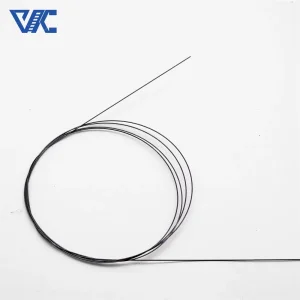
Superelastic and shape memory alloy, ideal for self-expanding cardiovascular stents and high-flexibility guide wires.
Chinese medical titanium manufacturers have evolved far beyond the old high-volume, low-margin model. Today, organizations like Hangzhou Retra Medical Co., Ltd. leverage advanced Industry 4.0 paradigms to deliver high-value precision manufacturing. By integrating automatic vacuum annealing, multi-roll precision cold drawing mills, and non-destructive eddy current testing systems, we maintain tight control over process variations.
This modern technological framework delivers two key strategic advantages to global OEMs:
Operating within China's comprehensive industrial zone in Zhejiang gives us immediate access to high-purity raw titanium sponge, specialized secondary smelting operations, and vacuum heat treatment facilities. This integrated local supply chain protects us from global shipping disruptions and geopolitical raw material shocks, ensuring consistent, timely deliveries to our clients.
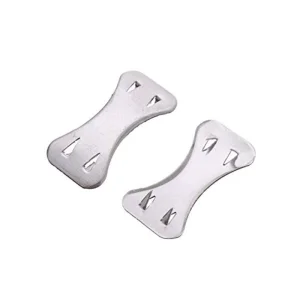
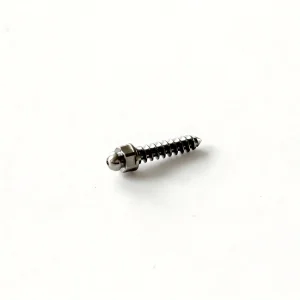
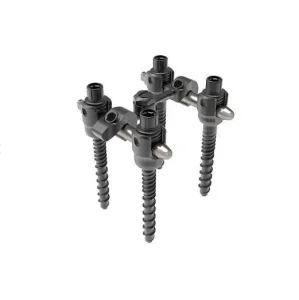
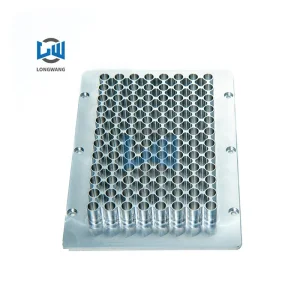
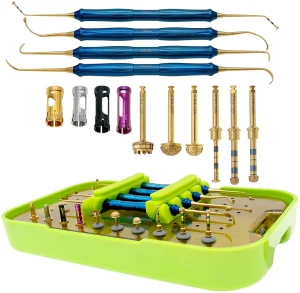
With advanced, high-precision CNC machining lines and cleanroom packaging facilities, we specialize in high-precision components like maxillofacial faceplates, dental abutments, and orthopedic spine screw connectors. Combining high-speed multi-axis milling with inline computerized vision inspection allows us to achieve zero-defect quality control across all production runs.
Choosing the correct alloy is essential for long-term implant success. The table below outlines the mechanical properties and typical clinical applications of the primary medical-grade metals manufactured at our facilities:
| Material Designation | Standard Specification | Tensile Strength (MPa) | Elongation (%) | Primary Clinical Use |
|---|---|---|---|---|
| Pure Titanium (Gr. 2) | ASTM F67 | ≥ 345 | ≥ 20 | Pacemaker casings, dental implants, surgical mesh |
| Ti-6Al-4V ELI (Gr. 5) | ASTM F136 | ≥ 860 | ≥ 10 | Orthopedic trauma plates, hip stems, spinal pedicle screws |
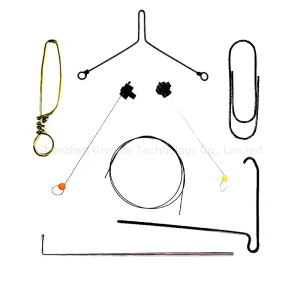
| Nitinol (Ni-Ti Alloy) | ASTM F2063 | ≥ 895 | ≥ 10 | Cardiovascular stents, orthodontic archwires, guide wires |
| Cobalt-Chromium (CoCrMo) | ASTM F75 / F1537 | ≥ 950 | ≥ 8 | Load-bearing joint replacements, femoral heads |
| Stainless Steel (316LVM) | ASTM F138 | ≥ 490 | ≥ 40 | Temporary bone pins, structural surgical tools |
We supply critical components for a wide range of specialized medical fields. Our high-performance metal products are optimized for these key clinical applications:
Explore our highly reliable, bio-compatible orthopedic fixation hardware, specialized wires, and advanced metallurgical tubing solutions.

 Retra Medical