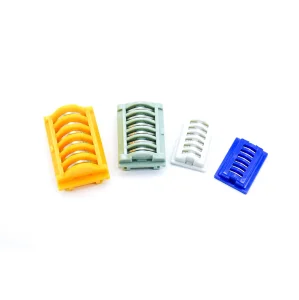
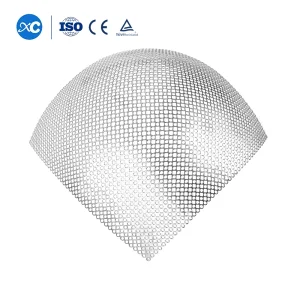
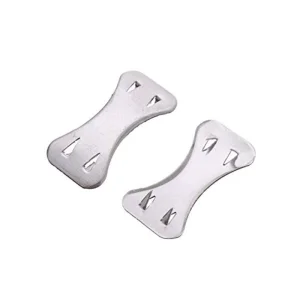
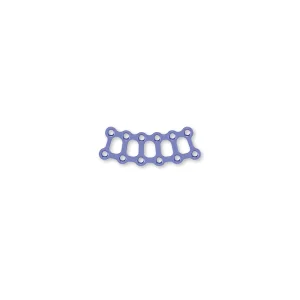
Engineered with medical-grade precision and certified materials to ensure long-term clinical safety and reliability.
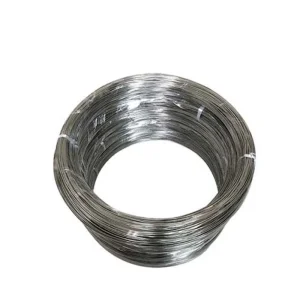
Hangzhou Retra Medical Co., Ltd. is a leading manufacturer of high-performance medical metals and orthopedic implants, specializing in Medical Titanium, Stainless Steel, CoCrMo, Tantalum, and Nitinol. With a strong commitment to research, development, and precision manufacturing, Retra Medical has become a trusted partner for hospitals, clinics, and medical device companies worldwide.
The company offers a comprehensive range of orthopedic and surgical implants, including joint replacement components, spinal systems, trauma plates and screws, maxillofacial reconstruction devices, and custom implant solutions. All products are manufactured using surgical-grade metals that ensure biocompatibility, durability, and corrosion resistance, meeting the stringent standards of the global healthcare industry.

Retra Medical emphasizes innovation and quality control, combining advanced production techniques with rigorous testing to ensure every implant delivers reliable performance and patient safety. The company also provides customized solutions tailored to specific clinical needs, supporting minimally invasive surgery, complex trauma repair, and long-term implant success.
Guided by the principles of "quality first, innovation-driven, customer-oriented," Hangzhou Retra Medical has earned an excellent reputation both domestically and internationally. With a dedicated R&D team, modern production facilities, and professional after-sales support, the company continues to advance the orthopedic and surgical implant industry, providing safe, high-quality, and reliable solutions that improve patient outcomes and support healthcare innovation worldwide.
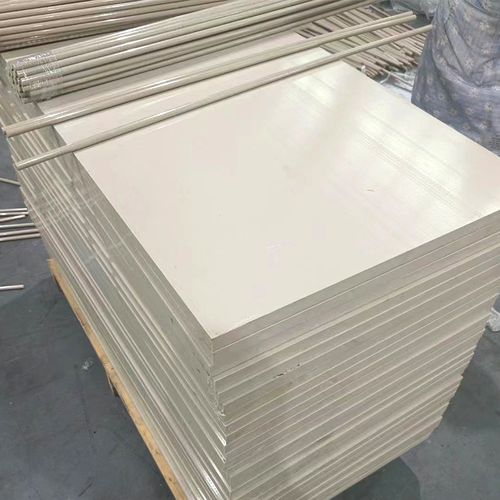
Unlocking superior mechanical properties and wear resistance for high-stress orthopaedic and dental applications.
Cobalt-Chromium-Molybdenum (CoCrMo) alloys represent the pinnacle of load-bearing biomaterials. Unlike titanium, which excels in bone integration, CoCrMo offers unmatched resistance to tribological wear. This makes it the premier choice for articulating surfaces in total joint arthroplasty, such as femoral heads and knee condyles, where micro-motion and abrasive cycles are constant.
The addition of Chromium (typically 26-30%) dynamically facilitates the spontaneous formation of a highly stable chromium oxide (Cr₂O₃) passive film. This protective layer exhibits outstanding chemical inertness, drastically minimizing the release of metallic ions into surrounding tissues, preventing inflammatory response, and ensuring optimal biocompatibility in vivo.
Subjected to high cyclic stress within the human body, medical Co-Cr alloys exhibit exceptional fatigue strength and tensile resistance. Modern refinement processes limit grain boundary precipitates, allowing structural implants to withstand over millions of cycles without micro-cracking or stress corrosion cracking.
Understanding international standards, supply chain requirements, and purchasing profiles of top-tier medical device enterprises.
Global procurement teams at medical device manufacturers face incredibly high stakes. Sourcing materials like Co-Cr and Titanium requires absolute alignment with regulatory standards like the European Medical Device Regulation (MDR 2017/745) and the US FDA 21 CFR Part 820.
Every batch of raw material must carry full traceability—from the melt stage to the final machined product. Physical and chemical testing certifications (including ASTM F75, ASTM F1537, or ISO 5832-4/12 specifications) are mandatory requirements to guarantee material purity and mechanical consistency.
Leveraging intelligent automation, real-time quality control, and robust vertical integration to optimize global lead times.
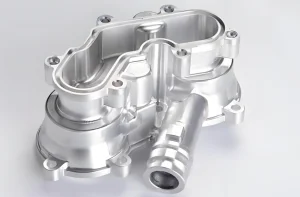
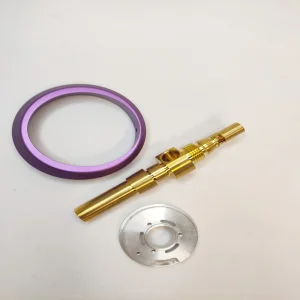
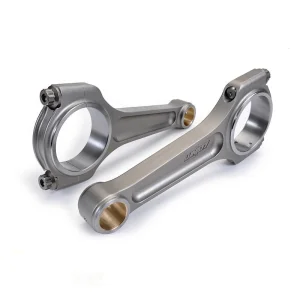
As the global orthopedic market expands, production scale, cost efficiency, and supply security have become critical differentiators. Chinese medical manufacturers are undergoing a massive transition to Factory 4.0 paradigms. Through automated CNC milling systems, advanced vacuum melting furnaces (VIM), and precise electroslag remelting (ESR), production stability is guaranteed across millions of parts.
This localized cluster-based manufacturing ecology allows us to compress production lead times by up to 35% compared to traditional Western supply chains. Direct access to raw material refining, heat treatment, machining, surface passivation, and cleanroom packaging within a unified regional ecosystem drastically reduces vulnerability to global logistics disruptions.
"We integrate intelligent statistical process control (SPC) systems directly into our production lines. Every single component's dimensions are scanned and logged to assure deviations remain within a micron-level threshold."
By blending advanced metallurgical science with high-capacity digital logistics, we supply consistent medical-grade alloys to North American, European, and Asian OEMs, acting as a resilient backbone for clinical innovators worldwide.
From dental prosthetics to high-load orthopedics, exploring where Co-Cr alloys deliver unmatched clinical success.
The primary domain of Co-Cr-Mo is knee and hip joint replacements. Due to its superior hardness and resistance to tribological wear, it provides a smooth, low-friction articulation surface against ultra-high-molecular-weight polyethylene (UHMWPE) liners, ensuring implants last 15 to 25+ years inside the patient.
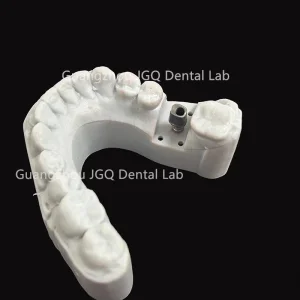
Co-Cr has largely replaced noble alloys for fabricating partial denture frameworks, crowns, and bridges. Its high modulus of elasticity allows technicians to design thin, lightweight frameworks that resist deformation under extreme masticatory (chewing) forces, while maintaining excellent patient comfort.
Certain Co-Ni-Cr-Mo variants are utilized in structural heart components and cardiovascular stents. Their high tensile strength allows for ultra-thin strut profiles, reducing the risk of thrombosis while providing robust structural support to vascular walls.
Providing clear, expert answers to key technical and sourcing questions about Medical Cobalt-Chromium Alloys.
Discover our comprehensive range of high-performance orthopedic systems, medical plates, and custom surgical components.
 Retra Medical