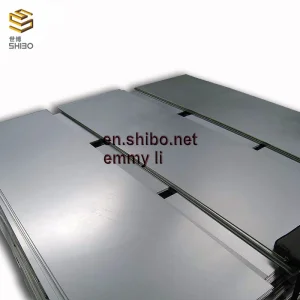
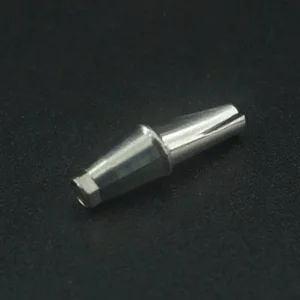
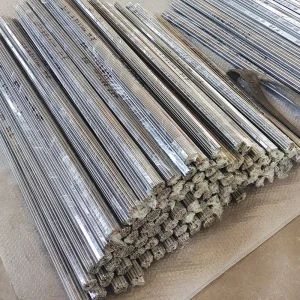
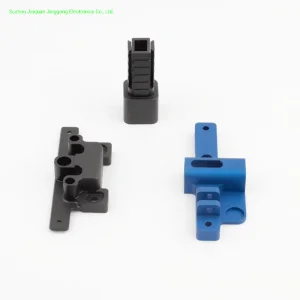
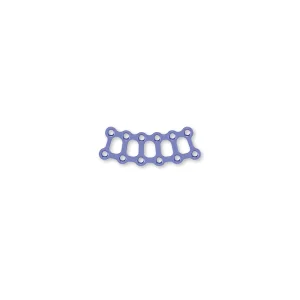
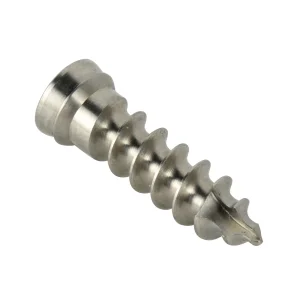
In the realm of advanced medicine, maxillofacial reconstruction represents the intersection of biological science and precision engineering. The shift toward Titanium Maxillofacial Plates has revolutionized patient outcomes by offering superior biocompatibility, fatigue resistance, and osseointegration properties. As the industry evolves, manufacturers in China have adopted the "Factory 4.0" paradigm, integrating CNC precision machining, additive manufacturing (3D printing), and rigorous ISO 13485 quality management systems.
Modern maxillofacial plates, often utilizing Grade 5 Titanium (Ti-6Al-4V ELI), are designed to mimic the structural integrity of natural bone while ensuring minimal interference with post-operative diagnostic imaging (MRI/CT compatibility). This evolution is driven by a need for patient-specific implants (PSI), where data gathered from CT scans translates directly into custom-machined plates, reducing surgery time and recovery periods significantly.
Global medical device companies are increasingly looking toward China for their wholesale medical titanium needs. This is not merely a cost-driven decision; it is a strategic supply chain maneuver. The Chinese medical manufacturing sector has matured, offering:
For international buyers, the focus has shifted from "lowest cost" to "value-based procurement." This includes vetting manufacturers based on their R&D capabilities, material sterilization processes, and their ability to provide technical documentation that meets the standards of regulatory bodies in Europe and North America.
The "China Factory 4.0" concept in the context of medical implant manufacturing encompasses the digitization of the production floor. By utilizing IIoT (Industrial Internet of Things), manufacturers now monitor material stress, machining tolerances, and environmental contaminants in real-time. This ensures that every Maxillofacial Plate leaving the facility meets the strict biocompatibility requirements necessary for human implantation.
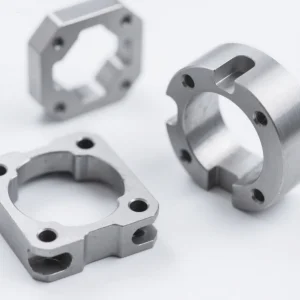
The integration of five-axis CNC milling machines allows for the creation of complex, anatomical geometries that were previously impossible to produce via traditional casting. This precision ensures that plates fit perfectly against the patient's skeletal structure, minimizing soft tissue irritation and promoting faster healing.
Hangzhou Retra Medical Co., Ltd. is a leading manufacturer of high-performance medical metals and orthopedic implants, specializing in Medical Titanium, Stainless Steel, CoCrMo, Tantalum, and Nitinol. With a strong commitment to research, development, and precision manufacturing, Retra Medical has become a trusted partner for hospitals, clinics, and medical device companies worldwide.

The company offers a comprehensive range of orthopedic and surgical implants, including joint replacement components, spinal systems, trauma plates and screws, maxillofacial reconstruction devices, and custom implant solutions. All products are manufactured using surgical-grade metals that ensure biocompatibility, durability, and corrosion resistance, meeting the stringent standards of the global healthcare industry.
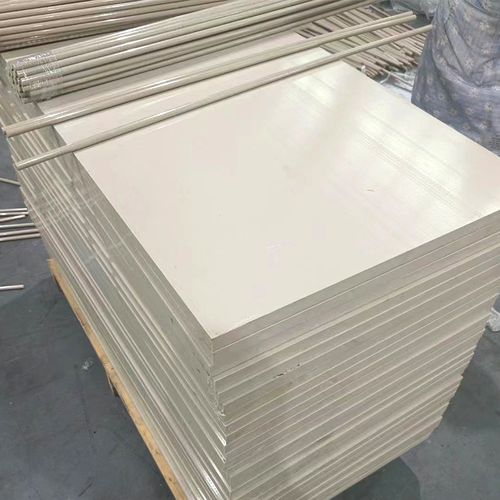
Retra Medical emphasizes innovation and quality control, combining advanced production techniques with rigorous testing to ensure every implant delivers reliable performance and patient safety. The company also provides customized solutions tailored to specific clinical needs, supporting minimally invasive surgery, complex trauma repair, and long-term implant success.
Guided by the principles of "quality first, innovation-driven, customer-oriented," Hangzhou Retra Medical has earned an excellent reputation both domestically and internationally. With a dedicated R&D team, modern production facilities, and professional after-sales support, the company continues to advance the orthopedic and surgical implant industry, providing safe, high-quality, and reliable solutions that improve patient outcomes and support healthcare innovation worldwide.
Q: Why choose Titanium for Maxillofacial Reconstruction?
A: Titanium (specifically Grade 5) is prized for its high strength-to-weight ratio, excellent biocompatibility, and non-magnetic properties, making it ideal for long-term implantation.
Q: How do Chinese manufacturers ensure medical grade quality?
A: Leading manufacturers utilize ISO 13485 certified facilities, maintain strictly controlled cleanroom environments, and perform rigorous biocompatibility testing on every batch.
Q: Can Retra Medical provide custom-designed implants?
A: Yes, we provide customized solutions based on clinical data, utilizing advanced CAD/CAM software to manufacture implants that match the exact patient anatomy.
 Retra Medical