Why Titanium Rods Are Perfect for Spinal Implants?

Time:2026-08-23 Author:Mason
0%

When it comes to spinal surgery, the choice of materials is crucial. Surgeons often face challenges that require reliable and safe solutions. This is where titanium rods come into play. Why titanium rods are ideal for spinal implants? Their unique properties make them a top choice in the medical field.

Titanium is lightweight yet incredibly strong. This strength allows for better stability in spinal implants. Additionally, titanium is highly biocompatible. It integrates well with human bone, leading to faster healing. The ability to withstand stress without warping is another advantage. Patients benefit from enhanced mobility post-surgery. However, the cost of titanium can be higher than other materials. Surgeons must weigh the benefits against the expenses involved.

Although titanium rods have impressive qualities, they are not without shortcomings. Some patients may experience allergic reactions, although rare. Always, patient-specific factors must drive the decision-making process. Therefore, exploring why titanium rods are ideal for spinal implants warrants deeper exploration. They present solutions that many patients and surgeons rely upon.
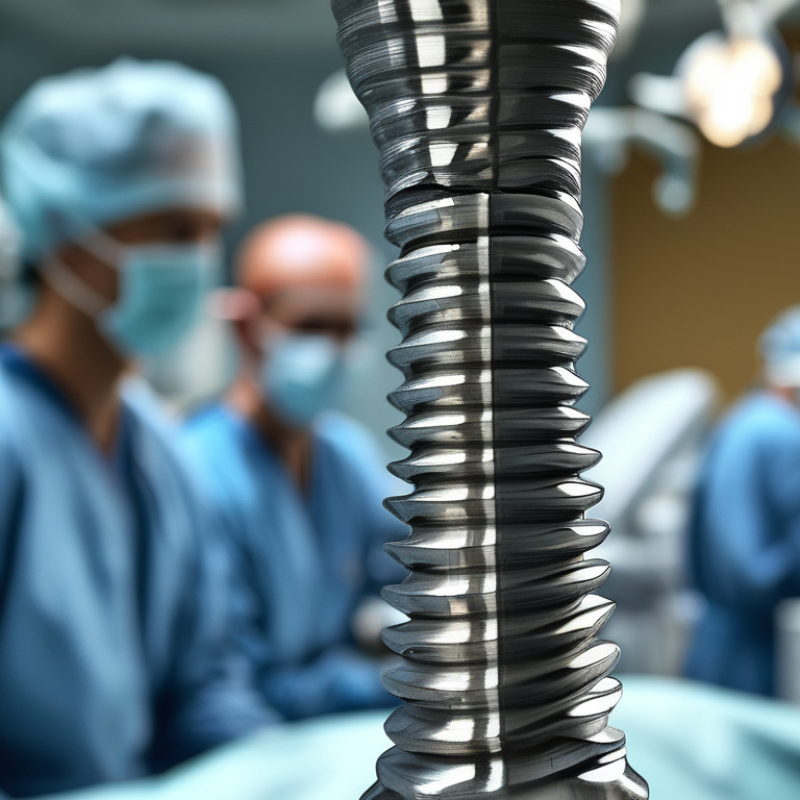
Why Titanium Rods Are Perfect for Spinal Implants?

The Biocompatibility of Titanium in Spinal Implants

Titanium has rapidly gained recognition for its use in spinal implants. One of the main reasons for this is its biocompatibility. This means that titanium can coexist peacefully with human tissue. When titanium rods are implanted, the body recognizes them as friendly. This reduces the risk of rejection and inflammation. The surface of titanium can promote cell adhesion. This helps in creating a solid bond with the surrounding bone.

Surgeons appreciate the low reactivity of titanium. Implants made from this metal can resist corrosion. This ensures the implant's longevity. Over time, titanium also supports bone growth. However, there are still some challenges. The mechanical properties of titanium must match the bone it supports. If not, it could lead to complications like implant failure.

Tips for ensuring success with titanium implants include thorough pre-surgical assessments. Proper imaging techniques can help plan for optimal placements. Always choose experienced surgeons familiar with titanium's properties. Regular follow-ups are essential for monitoring healing. Be open about any discomfort during recovery. Early reporting can prevent long-term issues.

Mechanical Properties of Titanium Rods for Spinal Support

Titanium rods have gained attention as ideal materials for spinal implants due to their superior mechanical properties. With a tensile strength of about 900 MPa, titanium offers impressive durability and can withstand the pressures exerted on the spine. This metal also boasts a modulus of elasticity that closely matches that of bone, minimizing stress shielding. Therefore, titanium rods lead to better integration with surrounding tissues. Such integration is crucial for long-term stability of spinal constructs.

Weight is another advantage. Titanium is approximately 40% lighter than stainless steel. This lighter profile reduces the overall load on the spine, which can be beneficial for patient recovery. However, it is essential to consider that while titanium has excellent fatigue resistance, its corrosion resistance can vary depending on environmental conditions. This variability necessitates thorough pre-implant assessments.

For optimal results, surgeons must consider the unique conditions of each patient. Choose titanium rods that meet specific mechanical standards. Regular evaluations after surgery can help spot potential issues early. Proper education and training for medical teams on titanium’s properties lead to better outcomes in spinal surgeries. Each patient's needs are unique, and customization may be necessary to ensure success.

Corrosion Resistance and Longevity of Titanium in Healthcare

Titanium rods are increasingly favored in spinal implants due to their outstanding corrosion resistance. This property is crucial in healthcare, where implants confront body fluids that could degrade materials over time. Titanium’s natural resistance to corrosion enhances the longevity of implants, reducing the need for replacement surgeries. When exposed to moisture and various chemicals in the body, titanium does not break down easily. This durability can lead to improved patient outcomes.

Additionally, the non-reactive nature of titanium minimizes issues with inflammation and allergies. Surgeons appreciate its biocompatibility. Nonetheless, challenges remain, such as the potential for mechanical failures under extreme conditions. Research is ongoing to enhance the material further. There are still unanswered questions about the long-term performance of titanium rods in diverse patient populations. These reflections prompt further investigation into the best practices for using titanium in spinal surgeries.

Durability and Corrosion Resistance of Titanium in Spinal Implants

This chart illustrates the comparative corrosion resistance and longevity of titanium versus other common materials used in spinal implants. The data reflects laboratory test results showing the average lifespan and resistance to corrosion of these materials in a simulated body environment.

The Role of Titanium in Minimally Invasive Spine Surgery

Minimally invasive spine surgery (MISS) is reshaping the future of spinal treatments. Titanium rods have emerged as key components in this paradigm shift. Their unique properties provide several advantages. Studies show that titanium has an optimal strength-to-weight ratio, making it ideal for spinal implants. When used in MISS, titanium rods help minimize tissue damage, leading to faster recovery times. Data indicates that patients undergoing MISS with titanium implants experience up to 50% less postoperative pain compared to traditional open surgery.

The biocompatibility of titanium is another crucial factor. It integrates well with bone, promoting faster healing. According to research published in the Journal of Spine Surgery, most patients report satisfactory outcomes within a year, with success rates exceeding 90%. Yet, challenges remain. Some patients do report complications, such as implant fatigue or migration. These outcomes highlight the importance of personalized treatment plans and thorough preoperative assessments. Monitoring and adapting to each patient's unique anatomy can help mitigate these risks and improve results in the ever-evolving field of spinal surgery.

Comparative Analysis: Titanium vs. Other Materials in Spinal Devices

Titanium has emerged as a leading material for spinal implants, primarily due to its exceptional strength-to-weight ratio and biocompatibility. Unlike stainless steel or cobalt-chromium alloys, titanium is lighter and offers better corrosion resistance. According to a 2021 study published in the Journal of Orthopaedic Research, titanium reduces stress shielding in adjacent bone, promoting better recovery and long-term integration.

Despite its advantages, titanium rods can be more expensive than alternatives like PEEK (polyether ether ketone). PEEK implants are radiolucent, allowing for better imaging, but they lack the same load-bearing capacity as titanium. Researchers have found that titanium rods exhibit 30% higher tensile strength compared to PEEK. Nonetheless, the choice of material often depends on specific patient conditions.

Consider this when discussing options with your surgeon. Each patient's anatomy and biomechanics are unique. Not every implant suits every individual. Regular follow-ups are essential to monitor healing, regardless of the implant material. Emphasizing personal health can sometimes outweigh material discussions. Understanding the implications of choice can lead to better outcomes.

Why Titanium Rods Are Perfect for Spinal Implants? - Comparative Analysis: Titanium vs. Other Materials in Spinal Devices

Material Tensile Strength (MPa) Corrosion Resistance Biocompatibility Weight (g/cm³) Fatigue Strength (MPa) Cost ($)
Titanium 900 Excellent High 4.5 300 200
Stainless Steel 600 Good Moderate 7.9 250 150
Cobalt-Chromium Alloy 900 Excellent High 8.5 450 300
Polyetheretherketone (PEEK) 100 Fair Moderate 1.3 80 250

FAQS

: Why is titanium used in spinal implants?

: Titanium is biocompatible, allowing it to coexist with human tissue without rejection.

How does titanium support bone growth?

The surface of titanium promotes cell adhesion, leading to a strong bond with surrounding bone.

What are the mechanical properties of titanium rods?

Titanium rods have a tensile strength of around 900 MPa, ensuring durability under pressure.

Why is titanium lighter than other materials?

Titanium is about 40% lighter than stainless steel, reducing load on the spine.

What challenges exist with titanium implants?

The mechanical properties of titanium must match bone properties to avoid complications.

How can surgeons ensure successful titanium implant placement?

They should conduct thorough assessments and use proper imaging techniques for planning.

Why is patient feedback important during recovery?

Early reporting of discomfort can prevent long-term issues and complications.

Are there risks related to titanium corrosion?

Yes, corrosion resistance can vary based on environmental conditions, requiring pre-implant assessments.

How can medical teams improve outcomes with titanium surgery?

Training on titanium properties and regular evaluations post-surgery can enhance results.

Can titanium implants be customized?

Yes, each patient’s unique needs can require specific customization for optimal success.

Conclusion

Titanium rods have emerged as a superior choice for spinal implants due to their exceptional biocompatibility, which significantly reduces the risk of rejection by the body. This compatibility, combined with their excellent mechanical properties, allows for effective spinal support and stability after surgery. Moreover, titanium's corrosion resistance enhances the longevity of implants, making them reliable for long-term use in various healthcare applications.

Additionally, the role of titanium in minimally invasive spine surgery is crucial, as these rods facilitate less invasive procedures, leading to quicker recovery times and reduced patient discomfort. A comparative analysis underscores why titanium rods are ideal for spinal implants when measured against other materials, making them a preferred option for orthopedic surgeons and patients alike seeking durable and effective solutions for spinal health.

Mason

Mason

Mason is a seasoned marketing professional with a deep expertise in the company's offerings and a passion for driving brand awareness. With a strong background in digital marketing strategies, he has an innate ability to connect with diverse audiences and effectively communicate product benefits.......