Top Metals for Choosing Minimally Invasive Surgery Tools?

Time:2026-06-04 Author:Liam
0%

Minimally invasive surgery (MIS) has transformed the medical field. The tools used in these procedures demand precision and reliability. Choosing the right materials is critical to their success.

How to select metals for minimally invasive surgery tools involves understanding both medical requirements and material properties. Stainless steel is a common choice for its strength and corrosion resistance. However, titanium is gaining popularity due to its lightweight nature and biocompatibility. Each metal has its advantages and limitations.

Surgeons and manufacturers must carefully consider factors such as flexibility, sterilization methods, and patient safety. The decision should not be rushed. Make certain that every aspect of material selection is examined. This ensures tools perform well without compromising patient outcomes.
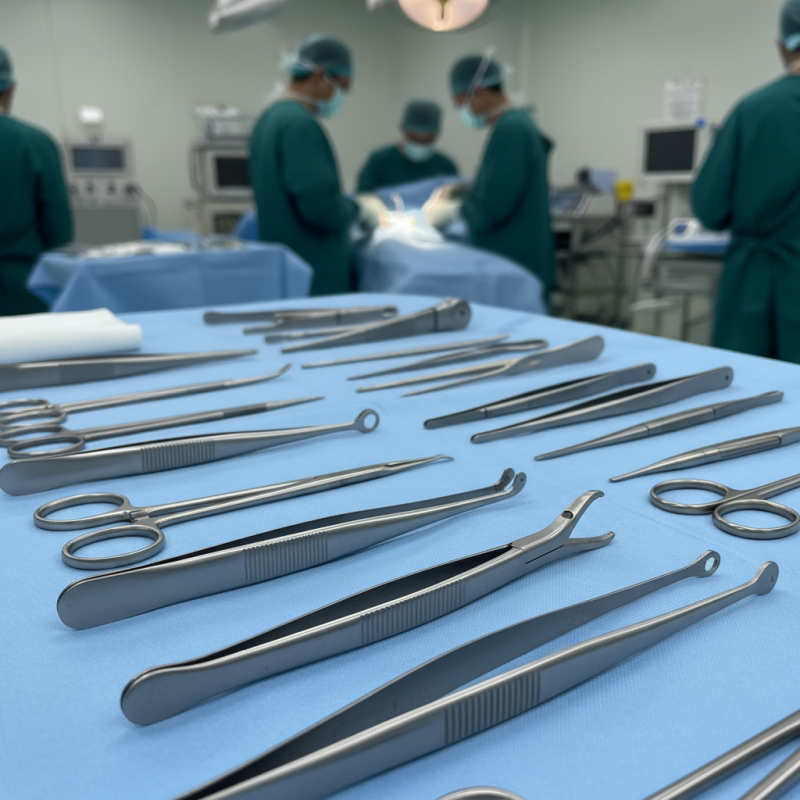
Top Metals for Choosing Minimally Invasive Surgery Tools?

Introduction to Minimally Invasive Surgery and Its Metal Requirements

Minimally invasive surgery (MIS) is revolutionizing patient care. It utilizes small incisions, which leads to quicker recovery and less pain. The materials used in surgical tools must meet high standards of strength and biocompatibility. Metals play a crucial role in this process.

Stainless steel is commonly chosen for surgical instruments. It's durable, resistant to corrosion, and easy to sterilize. Titanium is another excellent option. It is lightweight and offers high strength. These metals ensure that tools are both effective and safe for patients.

**Tip:** Always consider the metal's biocompatibility when selecting surgical instruments. This will minimize allergic reactions and improve patient outcomes.

Another material worth mentioning is cobalt-chromium alloy. This metal provides a perfect combination of strength and resistance to wear. While these materials are preferred, it’s essential to reflect on their long-term performance in clinical settings.

**Tip:** Periodically review the performance of surgical tools. This helps to identify potential improvements and ensure the best patient care.

Properties of Metals Ideal for Surgical Instruments in Minimally Invasive Procedures

Minimally invasive surgery has revolutionized medical procedures, necessitating the use of specialized tools. The choice of metal for these instruments is crucial. Ideal metals for surgical tools must possess unique properties. They should be lightweight yet durable, allowing for precision without fatigue. Stainless steel has long been a preferred option. Its resistance to corrosion and ability to hold a sharp edge are significant advantages. This metal can withstand sterilization, maintaining safety in medical environments.

However, not all stainless steels are alike. Variations in alloy composition can affect performance. Some may lose their edge quickly, while others offer improved strength. Titanium is another favored alternative. Its biocompatibility reduces the risk of adverse reactions. Yet, it can be cost-prohibitive. There’s always a balance between performance and budget in tool selection.

Additional considerations include manipulation and ease of use. Tool design must enable surgeons to perform delicate tasks. Heavier instruments can lead to abrupt movements, which may impact outcomes. This necessitates ongoing research into alternative metals or alloy compositions. Continuous improvement is essential. The medical field should strive to address these gaps for better surgical outcomes and patient safety.

Top Candidate Metals: Stainless Steel, Titanium, and Cobalt-Chromium Alloys

Minimally invasive surgery relies heavily on the choice of materials. Stainless steel, titanium, and cobalt-chromium alloys stand out. Each metal has unique properties that enhance surgical tools. Stainless steel is known for its strength and corrosion resistance, making it ideal for reusable instruments. Yet, its weight can be a downside for specific applications.

Titanium is lightweight and biocompatible. This makes it a preferred choice for implants and tools. Its resistance to fatigue is advantageous in surgical settings. However, titanium can be costlier, raising issues for broader adoption. Lastly, cobalt-chromium alloys provide excellent wear resistance. They also offer high strength and are less prone to corrosion. Their stiffness can sometimes be a disadvantage when flexibility is needed.

Choosing the right metal often requires a trade-off among various factors. Each metal presents its challenges and benefits. Understanding these nuances is essential for optimizing surgical outcomes. Innovations continue to emerge in material science, suggesting that the best choices might evolve over time. All professionals must keep refining their knowledge to select the most effective tools.

Corrosion Resistance and Biocompatibility of Surgical Tool Materials

Minimally invasive surgery has grown significantly due to its numerous advantages, including reduced patient recovery time. Materials used for surgical tools play a critical role in ensuring safety and efficiency. Corrosion resistance and biocompatibility are two key factors to consider for surgical tool materials.

Corrosion can lead to tool degradation, affecting both performance and safety. A study by the American Society for Testing and Materials indicates that stainless steel exhibits high corrosion resistance. However, some studies suggest that certain alloys may outperform stainless steel in specific environments, demonstrating that material choice is nuanced. Biocompatibility is equally crucial. Materials should not elicit adverse reactions in the body. Titanium alloys and certain ceramics are often preferred due to their excellent biocompatibility and strength.

**Tip:** Always consult recent research when choosing materials for surgical tools, as advancements are rapid.

Testing for both corrosion resistance and biocompatibility should not be overlooked. Even established materials can show variability based on specific conditions. It's essential to remain updated on findings and innovations. As the field evolves, so do best practices, reminding us that even common solutions might require reevaluation to meet current standards.

Future Trends in Metal Selection for Enhanced Surgical Tool Performance

The selection of metals for minimally invasive surgical tools is evolving rapidly. Surgeons now demand materials that not only ensure strength but also enhance precision. Titanium and stainless steel remain popular due to their durability and corrosion resistance. However, emerging metals like cobalt-chromium alloys show promise. They offer high strength and biocompatibility, crucial for patient safety.

Future trends indicate a greater focus on lightweight materials. For instance, magnesium alloys could reduce tool fatigue for surgeons. Yet, there's a need for caution. Lightweight options might compromise tool stability. The balance between weight and strength requires thoughtful consideration.

Additive manufacturing is changing the landscape too. This technology allows for intricate designs that were previously impossible. Nevertheless, not all 3D-printed metals are created equal. Their long-term reliability needs further study. As professionals explore these advancements, continuous reflection on material properties will be essential. The path forward is filled with both potential and challenges.

FAQS

: What is minimally invasive surgery (MIS)?

: MIS uses small incisions for surgery, leading to quicker recovery and less pain.

Why are metals important in surgical tools?

Metals must be strong and biocompatible to ensure safety and effectiveness during surgery.

Which metal is commonly used for surgical instruments?

Stainless steel is commonly chosen due to its durability and corrosion resistance.

What is another good option for surgical instruments?

Titanium is lightweight, strong, and is often preferred in surgical settings.

What is cobalt-chromium alloy known for?

It combines strength with resistance to wear, making it a solid choice for surgical tools.

Why is biocompatibility crucial for surgical materials?

Biocompatibility prevents adverse reactions in patients, ensuring better outcomes.

How does corrosion affect surgical tools?

Corrosion can degrade tools, impacting their performance and patient safety over time.

How often should surgical tool performance be reviewed?

Regularly reviewing surgical tools helps to improve their effectiveness and safety standards.

What should be considered when selecting surgical materials?

Consider both corrosion resistance and biocompatibility for optimal tool selection.

Why is staying updated with research important?

Advanced findings can change best practices, requiring reevaluation of even established materials.

Conclusion

Minimally invasive surgery (MIS) has revolutionized medical procedures by reducing recovery times and minimizing patient trauma. However, selecting the right materials for surgical instruments is crucial for ensuring safety and effectiveness. When considering how to select metals for minimally invasive surgery tools, the ideal properties include strength, light weight, and resistance to corrosion. Stainless steel, titanium, and cobalt-chromium alloys are top candidates due to their exceptional biocompatibility and durability, which enhance surgical performance.

Corrosion resistance is particularly critical in a surgical environment, where instruments are exposed to bodily fluids. Future trends suggest a continued focus on advanced alloys and coatings that will further improve the performance and longevity of surgical tools. Ultimately, choosing the right metals will play a significant role in the evolution of minimally invasive techniques, leading to better patient outcomes and safer procedures.

Liam

Liam

Liam is a dedicated marketing professional with a profound expertise in the industry, where he excels at highlighting the unique advantages of our core products. With a keen understanding of market trends and consumer needs, Liam frequently updates our company’s professional blog, providing......