Top 10 Tips to Optimize Surgical Instrument Metal Selection?

Time:2026-06-16 Author:Sophia
0%

Selecting the right metal for surgical instruments is crucial. It impacts both performance and safety. This article delves into how to optimize surgical instrument metal selection. With numerous alloys available, understanding their unique properties can seem daunting. Factors such as corrosion resistance, strength, and biocompatibility are key considerations.

Experienced professionals know that not all metals are created equal. Some alloys may offer superior sharpness but fail in durability. Others might excel in strength but lack the necessary flexibility. The challenge lies in striking the perfect balance. Missteps in selection can lead to instrument failure, impacting patient outcomes and increasing costs.

The goal is to provide actionable tips that help refine metal choices. By breaking down the selection criteria, this guide aims to empower manufacturers and surgeons alike. There’s no one-size-fits-all solution, and each choice demands a thoughtful evaluation. Embracing a reflective approach in decision-making can lead to better results and enhanced surgical success.
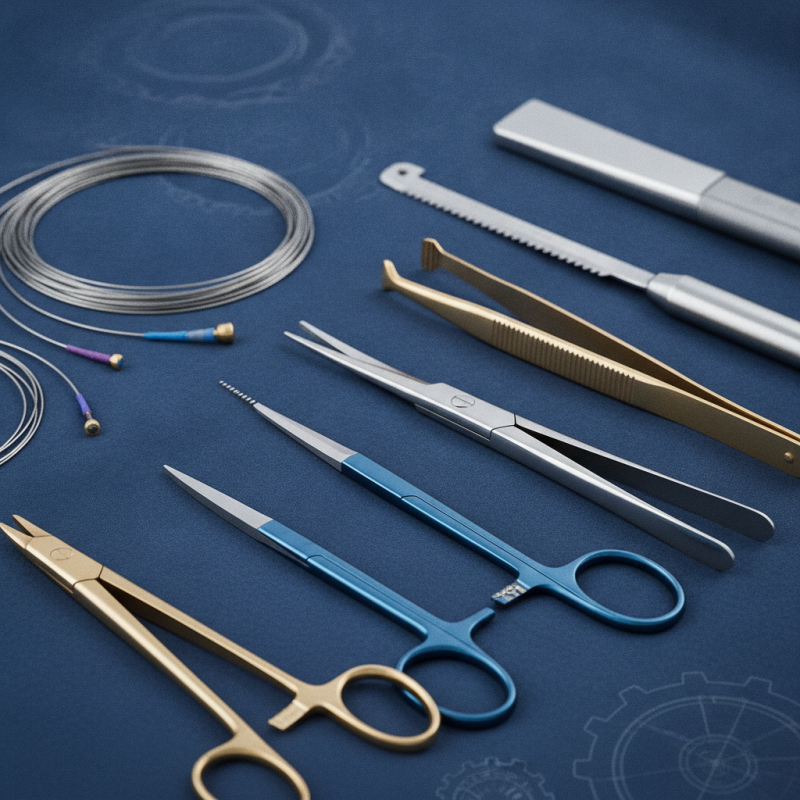
Top 10 Tips to Optimize Surgical Instrument Metal Selection?

Factors Influencing Surgical Instrument Longevity and Performance

Surgical instruments are vital for successful procedures. Their longevity and performance hinge on the right choice of materials. Stainless steel, for example, is a common choice due to its excellent corrosion resistance. However, not all stainless steels are created equal. Studies indicate that instruments with higher chromium content offer better durability. Instruments must withstand sterilization cycles. Research shows that after 150 cycles, instruments made from specific alloys maintained better structural integrity.

The manufacturing process also plays a crucial role. Precision engineering ensures better fit and finish, reducing wear over time. A report from the Journal of Surgical Instrumentation highlights that poorly crafted instruments fail at a much higher rate. Additionally, the surface treatment of instruments impacts their lifespan. Instruments that undergo passivation can resist oxidation better than untreated ones. While many manufacturers still neglect this critical step, it’s essential for optimal performance.

Choosing the right metal isn't just about durability. It's also about the intended use of the instrument. Certain procedures require more resilient materials, while others may not. A survey indicates that nearly 15% of surgical mishaps are linked to instrument failure. This highlights the need for careful consideration. Relying solely on conventional choices may lead to overlooked opportunities for enhanced performance and reliability.

Comparison of Common Metals Used in Surgical Instruments

The choice of metals for surgical instruments is critical for performance and safety. Stainless steel is commonly used for its corrosion resistance and strength. It is affordable and has a well-established track record in the surgical field. However, not all stainless steels are the same. Different grades offer varying levels of hardness and ductility. Choosing the right grade impacts the instrument's functionality.

Titanium is another popular metal. It is lightweight and biocompatible, making it an excellent choice for implants and tools used in sensitive procedures. However, titanium instruments can be more expensive than stainless steel. Some instruments may even require specialized manufacturing techniques. This can complicate the production process and impact availability.

Cobalt-chromium alloys present unique benefits as well. These metals boast exceptional wear resistance and strength, ideal for high-stress surgical applications. Yet, they can present challenges in fabricability. The complexities of forging cobalt-chromium can lead to higher production costs and a longer timeline. Each metal comes with its own set of advantages and limitations. Handling these materials requires a deep understanding of how each metal behaves under surgical conditions.

Impact of Corrosion Resistance on Surgical Instrument Selection

Corrosion resistance plays a vital role in surgical instrument selection. Surgical instruments are exposed to harsh environments regularly. This exposure can lead to corrosion, which compromises functionality. A study by the World Health Organization indicates that around 30% of all surgical instruments fail due to corrosion-related issues. This staggering statistic emphasizes the need for careful material selection.

Stainless steel is often considered the gold standard due to its corrosion resistance. However, not all stainless steels are created equal. According to the Journal of Materials Science, higher nickel content in stainless steel enhances its ability to resist rust. Recent advances in coatings, like titanium and polyethylene, also show promise. These coatings can significantly improve corrosion resistance, extending the instrument's life.

Choosing the right material isn’t without challenges. Some metals may corrode differently in various sterilization methods. For instance, steam sterilization can damage certain types of metals faster than others. This highlights the importance of ongoing research. Optimizing metal selection involves balancing functionality with durability. Each choice has implications for patient safety and overall healthcare costs. Therefore, ongoing evaluation and innovation in material science are essential.

Top 10 Tips to Optimize Surgical Instrument Metal Selection

This chart illustrates the importance of various metal properties in the selection of surgical instruments, focusing particularly on their corrosion resistance. Each category indicates a percentage based on research findings regarding surgeon preferences and instrument longevity.

Weight and Ergonomics: Balancing Functionality and User Comfort

In surgical environments, weight and ergonomics are critical for instrument selection. A study shows that surgical professionals often report discomfort when handling instruments weighing over 300 grams for extended periods. This discomfort can lead to reduced precision, ultimately affecting patient outcomes. Lightweight materials, such as titanium and advanced alloys, can significantly enhance user comfort without compromising strength.


Ergonomic design is equally crucial. Instruments should fit the hand and reduce strain. Research indicates that a poorly designed handle can increase grip force by up to 50%, leading to fatigue. Some companies have begun exploring the contours of handles, aiming for a more natural grip. Although these innovations show promise, the balance between durability and comfort remains a challenge.


In choosing materials, surgical teams must also consider sterilization and longevity. Some materials, while lightweight, may not withstand repeated sterilization cycles. Data from industry reports suggest that around 20% of surgical instruments require replacement within a year due to material fatigue. It's essential for manufacturers to address this issue with improved metal selection, ensuring instruments maintain functionality while also prioritizing user comfort.

Cost Analysis of Material Choices in Surgical Instruments Production

Cost analysis in the production of surgical instruments is critical. Choosing the right metal can significantly affect costs. Stainless steel, for instance, remains the most popular choice. It combines durability with cost-effectiveness. Reports show that stainless steel's popularity is due to its strong balance between performance and price. The total cost of ownership must consider manufacturing, lifetime use, and replacement costs.

Another metal worth discussing is titanium. It is lightweight and resistant to corrosion. However, titanium is often more expensive upfront. Industry data indicates that titanium instruments can cost up to 30% more than stainless steel counterparts. This higher price can be justified through longer lifespan and reduced replacement rates. Surgical instruments made of titanium also tend to have higher patient satisfaction ratings.

Finally, considering material choices means reflecting on the production process. Machining and fabrication costs vary by metal type. Stainless steel may be cheaper to machine but is heavier, affecting shipping costs. These details reveal an ongoing trade-off between immediate expenditure and long-term investment. Balancing initial material costs with projected savings is a challenge. Accepting that not all materials offer universal benefits is a necessary part of optimizing surgical instrument production.

FAQS

: What factors influence the longevity of surgical instruments?

: The right choice of materials, manufacturing precision, and proper surface treatment are key factors.

Why is stainless steel commonly used for surgical instruments?

It is affordable, corrosion-resistant, and has a proven track record in surgery.

How does the chromium content affect stainless steel instruments?

Higher chromium content generally leads to better durability and structural integrity.

What percentage of surgical mishaps are linked to instrument failure?

About 15% of surgical mishaps are linked to failures of surgical instruments.

What challenges do titanium instruments present?

They are more expensive and may require specialized manufacturing techniques, complicating production.

How does corrosion affect surgical instruments?

Corrosion can lead to instrument failure, compromising both functionality and patient safety.

What recent advancements improve corrosion resistance in surgical instruments?

Coatings like titanium and polyethylene can significantly enhance corrosion resistance.

Is it easy to choose the right metal for surgical instruments?

No, different sterilization methods can affect metal performance, making choices complex.

Why are cobalt-chromium alloys considered for surgical applications?

They offer exceptional wear resistance and strength, but are harder to fabricate.

What should be a focus for the future of surgical instrument materials?

Ongoing evaluation and innovation in material science are crucial for improving performance and safety.

Conclusion

In the quest to optimize surgical instrument metal selection, several key factors must be considered to ensure longevity and performance. These include an evaluation of common metals used in surgical instruments, focusing on their unique properties such as strength and weight. Corrosion resistance plays a crucial role in determining the suitability of a metal, as instruments are often exposed to harsh sterilization processes.

Additionally, it's essential to balance functionality with user comfort by considering the weight and ergonomics of the materials used. A thorough cost analysis can also help in making informed decisions about material choices in the production of surgical instruments. By understanding these elements, healthcare professionals can better optimize surgical instrument metal selection to enhance surgical outcomes and user satisfaction.

Sophia

Sophia

Sophia is a dedicated marketing professional with an exceptional depth of knowledge about her company's products and services. With a keen understanding of market trends and customer needs, she crafts insightful blog posts that not only inform but also engage readers, enriching the company’s online......