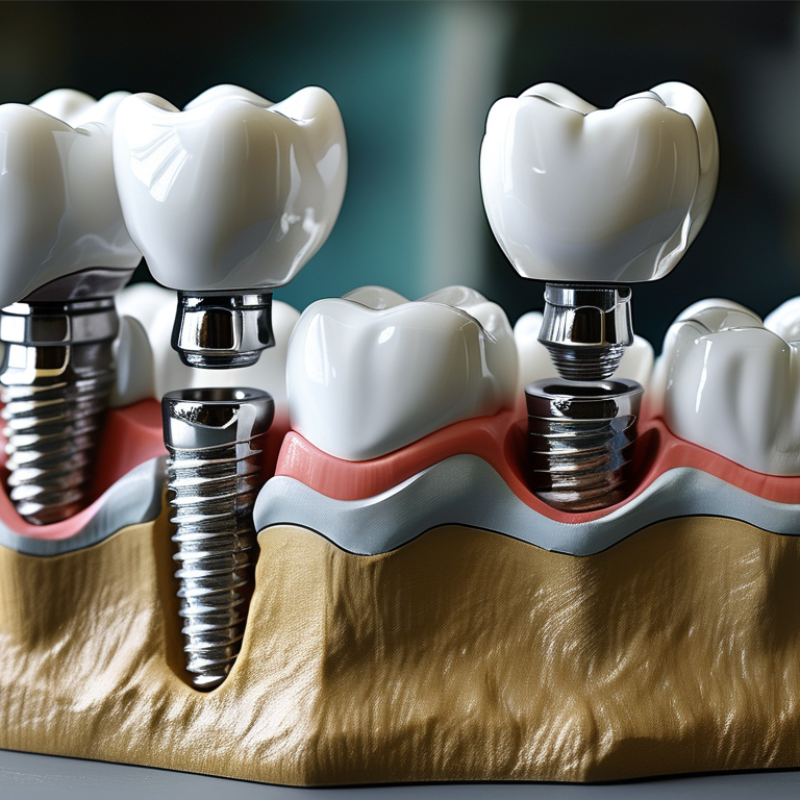
Selecting the right materials for dental implants is crucial for long-term success and patient satisfaction. In 2020, a report from the American Academy of Implant Dentistry indicated that over 3 million Americans have dental implants. This number is expected to grow by 500,000 annually. Thus, understanding how to select dental implant materials is essential for both dental professionals and patients.
Dental implants must provide durability, biocompatibility, and aesthetic appeal. Titanium has been the gold standard due to its strength and compatibility with human tissue. However, newer materials like zirconia are gaining popularity. They offer a more natural appearance and are metal-free, appealing to patients who prefer non-metal options.
Yet, the choice is not straightforward. Variations in bone density, location of the implant, and patient preferences complicate decisions. Access to reliable data and expertise is critical. Reports emphasize the need for dental practitioners to stay informed about advancements in materials. Adding to the challenge is the lack of consensus on the best material for all situations. Each case may reveal a need for reflection and adjustment in approach.
When selecting dental implant materials, it’s essential to understand the various types available in the market. Titanium is the most commonly used material. Its strength and biocompatibility make it an excellent choice. Many practitioners trust titanium for its proven track record in long-term success and stability. However, some patients may experience sensitivity or allergic reactions. That potential issue necessitates careful consideration.
Ceramic implants have gained popularity due to their aesthetic qualities. They blend well with natural teeth. These materials reduce the risk of metal allergies. Yet, they may not offer the same strength as titanium. This trade-off can impact long-term durability, prompting patients to reflect on their choices.
Zirconia is another option, known for its strong and natural appearance. It is metal-free, appealing to those seeking a less invasive alternative. But, it tends to be more brittle than titanium. Choices around dental implant materials require thoughtful reflection on individual needs and potential outcomes. Each material has its strengths and weaknesses, making it crucial to align these with personal preferences and health requirements.
When selecting dental implant materials, one must consider multiple factors.
Biocompatibility is crucial.
Research shows that titanium is highly favored due to its excellent tissue integration.
A study revealed that around 94% of implants made from titanium successfully osseointegrate within six months.
This rate indicates its reliability as a leading choice in dental procedures.
Another factor is mechanical strength.
The implants must withstand various forces during chewing.
Zirconia is gaining attention as a strong, aesthetic alternative.
Some reports indicate that zirconia implants display a comparable strength to titanium while offering a tooth-like appearance.
However, the unpredictability in long-term stability raises questions among dental professionals.
Cost is also a pivotal consideration.
High-quality materials can be expensive, which may limit options for some patients.
Dentists face a dilemma: balancing affordability and quality.
Choosing subpar materials to save costs might lead to complications down the road.
Continuous evaluation of emerging materials and their properties is necessary.
The field of dental implants is evolving, and staying informed is essential for optimal patient outcomes.
Biocompatibility is crucial in dental implants. Materials used must not cause adverse reactions in the body. This ensures long-term success and comfort for patients. Metals, ceramics, and polymers are common choices. Each material has unique properties that affect healing and integration with bone.
Understanding how materials interact with biology is essential. For example, titanium is popular due to its strong bone integration. However, not every patient may tolerate it. Allergies or sensitivities can arise, leading to complications. Research indicates that some ceramics can offer a superior aesthetic and biocompatibility without the risks associated with metals.
Choosing the right material often involves trade-offs. Some materials may provide strength, while others focus on aesthetics. The decision should incorporate patient-specific factors. A tailored approach can enhance satisfaction and outcomes. Consultation with a skilled dental professional is key to navigating these options. Each patient's needs should guide material selection to optimize results.
| Tip Number | Consideration | Material Options | Biocompatibility Rating |
|---|---|---|---|
| 1 | Material Composition | Titanium, Zirconia | High |
| 2 | Strength and Durability | Titanium Alloy, Ceramic | Moderate to High |
| 3 | Aesthetic Qualities | Zirconia, Porcelain | High |
| 4 | Potential Allergens | Titanium, Gold Alloy | High for Titanium; Low for Gold |
| 5 | Cost Factor | Titanium, Stainless Steel | Varies by Material |
| 6 | Ease of Placement | Titanium, PEEK | Moderate to High |
| 7 | Compatibility with Bone | Titanium, Hydroxyapatite | High |
| 8 | Long-Term Performance | Titanium, Zirconia | High |
| 9 | Antimicrobial Properties | Titanium, Coated Implants | Varies |
| 10 | Regulatory Approval | CE Marked, FDA Approved | High |
When selecting dental implant materials, durability and longevity play crucial roles. Titanium has emerged as a preferred choice due to its strong biocompatibility and impressive fatigue resistance. According to a systematic review published in the Journal of Dental Research, titanium implants offer survival rates exceeding 95% after 10 years. However, it's essential to consider factors like oral environment. Humidity and pH levels in the mouth can impact material durability.
Ceramics are also gaining traction. They provide and reduced plaque accumulation. However, their brittleness poses risks. Studies indicate that zirconia implants can experience fracture rates of up to 7.6% over five years. This concern highlights the importance of evaluating load distribution and the specific placement site in the mouth.
The interplay of material properties and individual patient needs complicates decisions. Factors such as bone density and systemic health can influence the longevity of an implant. Ongoing research aims to identify combinations of materials that enhance both strength and patient outcomes. Balancing innovation with proven solutions could lead to more successful implants in the future.
When selecting dental implant materials, cost is a critical factor. Prices for different materials can vary widely. The highest quality options often come with a higher price tag. However, budget-friendly materials might not offer the same longevity or biocompatibility. Patients should weigh the short-term savings against potential long-term issues.
Some patients may choose cheaper implants to save money. This can lead to complications later on, resulting in more costs. Investing in quality materials is wise for long-term success.
Consulting with a dental professional can provide valuable insight into the best options. They can guide patients through the costs and benefits of each material type.
Not all dental practices offer the same materials, which affects pricing. Additionally, the geographic location may influence costs. It's essential to evaluate not just the initial fee but future expenses as well. Patients must balance quality with affordability. This reflection is crucial for making informed decisions regarding dental implants.
: Titanium is the most common choice due to its strength and biocompatibility.
Yes, some patients may experience sensitivity or allergic reactions with titanium.
Ceramic implants offer aesthetic qualities and reduce the risk of metal allergies.
Zirconia is strong but tends to be more brittle than titanium, which raises durability concerns.
Biocompatibility ensures that implant materials do not cause adverse reactions in the body.
Research shows that about 94% of titanium implants successfully osseointegrate within six months.
High-quality materials can be expensive, sometimes limiting patient options for dental implants.
Yes, consulting a skilled dental professional can help guide material selection based on individual needs.
Yes, some patients prefer materials that offer better aesthetics, like ceramics or zirconia.
Some materials prioritize strength, while others focus on aesthetics, requiring careful consideration.
When considering how to select dental implant materials, it is essential to explore the various types available, including titanium and ceramics, each with unique properties. Factors influencing the choice of materials include the patient's specific needs, anatomical considerations, and the intended purpose of the implant.
Biocompatibility plays a crucial role, ensuring that the chosen materials interact well with the surrounding tissues to minimize rejection and complications. Furthermore, evaluating the durability and longevity of these materials is vital, as it affects the overall success and lifespan of the implants. Lastly, cost considerations must be taken into account, as this will impact not only the initial investment but also the long-term outcomes of the dental procedure. By carefully weighing these factors, dental professionals can guide patients toward the most suitable implant materials for their needs.
Retra Medical