Nitinol wires have significantly transformed the landscape of cardiovascular devices. As Dr. Emily Carter, a leading expert in cardiovascular engineering, states, “Nitinol’s unique properties have redefined our approach to device design.” These wires allow for remarkable flexibility and strength, making them ideal for various applications.
How Nitinol wires are applied in cardiovascular devices showcases their capabilities. They are used in stents and guidewires, benefiting from shape memory and superelasticity. This innovation leads to safer and more effective procedures for patients. Yet, while the advantages are clear, challenges remain. Manufacturers must ensure reliability and consistency in production.
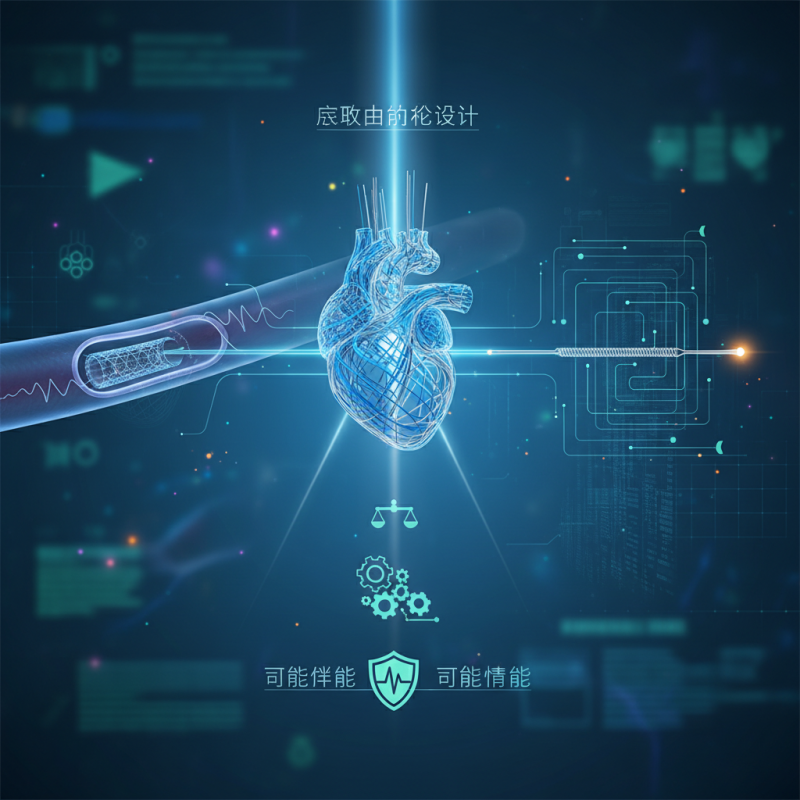
The continued exploration of Nitinol’s potential requires careful study and innovative thinking. As the industry evolves, it’s crucial to address these challenges while maximizing the benefits. The balancing act between revolutionary design and reliable performance is essential in advancing cardiovascular care.
Introduction to Nitinol and Its Unique Properties
Nitinol, a nickel-titanium alloy, offers remarkable properties that are reshaping cardiovascular devices. Its unique ability to return to a predetermined shape upon heating is a game-changer for stents and guidewires. This property, known as shape memory, allows Nitinol components to adapt seamlessly to the human body. When deployed in a blood vessel, Nitinol can expand and contract, accommodating the dynamic changes in vascular health.
Another significant aspect of Nitinol is its superelasticity. This enables the material to withstand large deformations without permanent changes. Superelastic Nitinol can absorb stress and return to its original shape, enhancing the durability of cardiovascular devices. This resilience reduces the risk of device failure and complications leading to costly medical interventions. However, the integration of this material into medical applications still faces challenges, including production inconsistencies and biocompatibility issues.
Despite its advantages, the use of Nitinol in cardiovascular devices is not without complications. Manufacturing processes can lead to variability in properties. Ensuring consistent performance is crucial for patient safety. Moreover, ongoing research is needed to address long-term effects in the human body. While the potential is vast, careful evaluation remains essential in leveraging Nitinol's full capabilities in medical technology.
Impact of Nitinol Wires on Cardiovascular Device Performance
The Role of Nitinol Wires in Cardiovascular Device Design
Nitinol wires have become essential in the design of cardiovascular devices. These unique wires are made from a nickel-titanium alloy, known for its remarkable elasticity and biocompatibility. Their ability to return to a pre-set shape after deformation makes them ideal for stents and guidewires. With Nitinol, devices can navigate through arteries with ease, improving the success rates of various procedures.
The design flexibility offered by Nitinol is impressive. It allows engineers to create intricate, minimally invasive devices that conform to the body's natural structures. However, there are still challenges to overcome. For instance, the production process requires precision to ensure the desired shape memory properties. Any deviation can lead to malfunction during a procedure, which raises concerns about reliability. Continuous research is needed to enhance the performance and safety of Nitinol wires in clinical settings.
As medical professionals increasingly adopt these devices, they must remain vigilant. Proper training is essential for those who operate these advanced tools. Understanding the material properties and potential limitations is crucial. Despite Nitinol's advantages, not all outcomes are favorable. Therefore, a robust feedback mechanism is essential to refine designs and improve patient outcomes continually.
Advantages of Nitinol Wires in Minimally Invasive Procedures
Nitinol wires have changed the landscape of cardiovascular devices. Their unique properties make them especially useful in minimally invasive procedures. Nitinol is a nickel-titanium alloy known for its shape memory and superelasticity. This allows the wires to navigate through the blood vessels with agility and precision.
One key advantage of Nitinol wires is their flexibility. They can bend and twist without breaking. This is crucial during complex procedures. Surgeons can maneuver these wires around tight corners in the vascular system. They provide a versatile solution for delivering devices like stents or balloons.
Tips: Focus on training with Nitinol materials. Understanding their behavior can improve outcomes. Be mindful of the wire's properties during deployment. Proper handling ensures effective use during procedures.
Another aspect is the biocompatibility of Nitinol. It integrates well with the body, reducing the risk of rejection. This characteristic is vital in complex surgeries. The lower risk of complications enhances patient safety and recovery times.
Tips: Always consider patient-specific factors. Each case may present unique challenges. Monitoring feedback during procedures can lead to better performance and device design.
Using Nitinol wires leads to fewer surgical complications. However, there are limitations. Surgeons must be cautious about the device's fatigue life. Continuous use in high-stress situations might lead to material wear. Awareness of these factors can lead to improved practices in cardiovascular interventions.
Challenges and Innovations in Nitinol Wire Applications
Nitinol wires have transformed cardiovascular devices, but they come with challenges. This unique alloy, known for its shape memory and superelasticity, allows devices to navigate complex vascular structures. However, developing reliable production methods and maintaining consistency can be difficult. Variations in processing may lead to unpredictable behavior in medical applications.
Innovations in Nitinol wire design are ongoing. Researchers are exploring advanced manufacturing techniques, such as additive manufacturing, to enhance device performance. These techniques can improve the precision of device deployment in arteries. Yet, issues like corrosion resistance and fatigue life remain areas of concern.
The integration of Nitinol in cardiology requires collaboration among material scientists, engineers, and medical professionals. Continued dialogue is essential to address these challenges effectively. The journey toward optimizing Nitinol wire applications is ongoing, but it holds tremendous potential.
Future Trends in Cardiovascular Devices Utilizing Nitinol Technology
Nitinol, a unique alloy of nickel and titanium, has gained traction in the cardiovascular device sector. Its remarkable properties, such as shape memory and superelasticity, enable innovative designs that improve patient outcomes. For instance, the global market for cardiovascular devices incorporating Nitinol technology is projected to reach over $15 billion by 2027, according to a recent industry report.
Future trends indicate a strong potential for Nitinol in less invasive procedures. Devices such as stents and guidewires are becoming more refined, allowing for easier insertion and reduced recovery time. As surgeons embrace these advancements, they may also face challenges regarding the long-term performance and compatibility with human tissue. Recent studies suggest that while Nitinol exhibits excellent biocompatibility, further research is necessary to address concerns about corrosion and fatigue over time.
Moreover, the adaptability of Nitinol opens new avenues for the development of customizable devices. As 3D printing technology progresses, creating patient-specific implants could become a reality. This personalized approach could lead to better integration with the body, enhancing effectiveness. However, the manufacturing complexities and regulatory hurdles in this evolving landscape necessitate careful consideration and ongoing improvement.
FAQS
: Nitinol wires are crucial for crafting stents and guidewires due to their elasticity and biocompatibility.
It offers shape memory and superelasticity, allowing catheter navigation through blood vessels with precision.
Production requires high precision; any deviation can cause malfunction and affect reliability during procedures.
Understanding the properties of Nitinol aids in effective handling, improving patient outcomes during surgeries.
Their ability to bend without breaking enables maneuvering around tight angles in the vascular system.
Its biocompatibility reduces rejection risks, leading to faster recovery and fewer complications.
Continuous use can lead to material wear; awareness can improve practices in cardiovascular interventions.
Each patient presents unique challenges; careful monitoring can enhance device performance and design.
Robust feedback during procedures helps refine designs and improve overall patient outcomes.
Proper handling, considering their properties, is essential for effective use and to ensure successful interventions.
Conclusion
Nitinol wires, made from a unique nickel-titanium alloy, have significantly transformed the design and functionality of cardiovascular devices. Their unique properties, including shape memory and superelasticity, enable more effective and reliable performance in various medical applications. How Nitinol wires are applied in cardiovascular devices is evident in their integration into stents, guidewires, and catheters, facilitating minimally invasive procedures that reduce patient recovery times and enhance overall outcomes.
Despite the advantages, challenges remain in the production and implementation of Nitinol wires, such as ensuring biocompatibility and managing manufacturing complexities. Ongoing research and innovation aim to address these challenges, paving the way for future trends in cardiovascular technology, where enhanced performance and novel applications of Nitinol will continue to push the boundaries of minimally invasive treatments, making them safer and more effective for patients.

 Retra Medical