How Nitinol Shape Memory Alloys Enhance Medical Device Performance?

Time:2026-05-05 Author:Charlotte
0%

Nitinol shape-memory alloys have revolutionized medical device performance. These unique materials exhibit exceptional properties. They can return to a predetermined shape after deformation. This ability significantly enhances the functionality of various devices.

Medical professionals increasingly rely on Nitinol's versatility. Stents and guidewires are common examples. Nitinol's flexibility allows for less invasive procedures. However, there are ongoing discussions about potential limitations in specific applications. The balance between innovation and safety remains crucial.

How Nitinol shape-memory alloys improve medical devices is a pressing question. Understanding their behavior under different conditions is vital. As research progresses, more applications may emerge. Continuous evaluation is necessary to ensure reliability in medical settings. This inquiry opens new therapeutic possibilities, but caution in implementation is required.
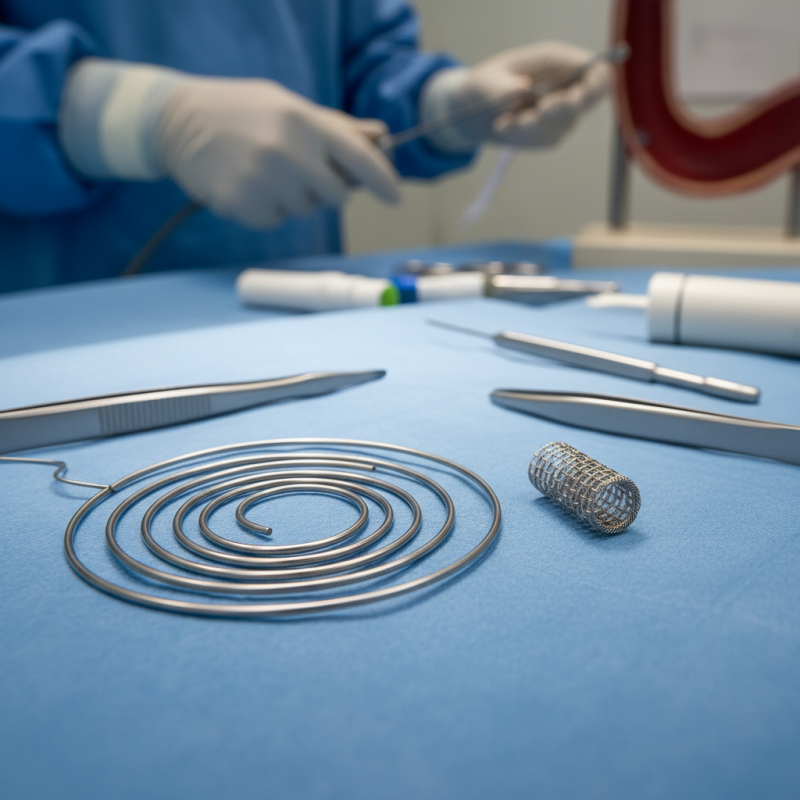
How Nitinol Shape Memory Alloys Enhance Medical Device Performance?

Nitinol Shape Memory Alloys: An Overview of Properties and Applications

Nitinol shape memory alloys possess unique properties that significantly enhance medical device performance. These materials can return to a predetermined shape when heated. This ability makes them ideal for applications like stents and guidewires, providing less invasive solutions for patients. Nitinol is flexible yet strong. This combination allows for safer, more reliable device deployment.

Nitinol's superelasticity is another crucial property. Devices made from this alloy can absorb more stress without permanent deformation. This means better patient outcomes and fewer complications during procedures. It’s worth noting, however, that the expense of Nitinol can be a barrier in some healthcare settings. Cost-effective alternatives may not provide the same benefits.

Tip: Always consider the specific application when choosing materials. While Nitinol has many advantages, its performance in particular situations might vary. Evaluate the necessary mechanical properties before implementation. Additionally, continuous research in Nitinol applications is vital. Understanding the long-term effects can lead to better device designs.

The Mechanism of Shape Memory Effect in Nitinol Alloys

Nitinol shape memory alloys exhibit unique properties that significantly enhance medical device performance. The shape memory effect (SME) enables these alloys to return to a predetermined shape when heated. This transformation occurs due to changes in their crystalline structure, transitioning from a martensitic phase at lower temperatures to an austenitic phase when heated. Such characteristics are crucial in applications like stents and orthopedic implants.

In a recent report by the Global Market Insights, the demand for Nitinol alloys in the medical sector is expected to surpass $3 billion by 2025. This robust growth reflects their increasing use in devices requiring precise elasticity and fatigue resistance. The ability to revert to a specific shape improves device deployment and adaptability within the body. However, challenges remain, particularly in manufacturing consistency and biocompatibility testing.

Tip: Consider the thermal properties of Nitinol when designing devices. An optimal temperature range ensures effective functioning. Test different alloy compositions to achieve desired characteristics. Balancing cost with performance can be tricky but essential for successful device integration. Pay attention to feedback from clinical applications to refine designs further.

Advantages of Nitinol in Medical Devices Compared to Traditional Materials

Nitinol, a nickel-titanium alloy, offers unique properties that improve medical devices significantly. In a recent study, researchers highlighted Nitinol's superelasticity and shape memory effects. These features allow devices to function effectively in dynamic biological environments. For instance, Nitinol stents can expand at body temperature, providing better support for blood vessels. This adaptability is not seen in traditional materials like stainless steel.

The benefits are quantifiable. A report from the Medical Device and Diagnostic Industry stated that Nitinol reduces the risk of re-blockage by up to 40% when used in vascular stents compared to alternatives. Besides, Nitinol's resistance to corrosion enhances device longevity. However, there are challenges.

The manufacturing process requires precise control to ensure consistent quality, which can be cost-prohibitive.

Moreover, Nitinol's physical properties can lead to design limitations. Devices may require careful consideration to avoid fractures under stress. In conclusion, while Nitinol significantly advances medical device performance, some issues still need addressing. Researchers must focus on optimizing fabrication techniques to leverage its full potential without compromising safety or effectiveness.

Case Studies: Successful Implementation of Nitinol in Medical Devices

Nitinol shape memory alloys have revolutionized medical device performance in various ways. Their unique properties provide significant advantages in minimally invasive procedures. A key example is the use of Nitinol in stents. These devices expand once inserted into the body, allowing for improved blood flow. The flexibility and strength of Nitinol ensure these stents remain effective over time.

Another notable case is the use of Nitinol in guide wires. These instruments need to navigate complex anatomical paths. Thanks to Nitinol, guide wires become easier to maneuver without causing damage. The memory properties of Nitinol allow these wires to return to their original shape, enhancing their reliability.

**Tips:** When handling Nitinol devices, ensure thorough training for medical staff. Understand the material's properties for optimal use. Investigate potential challenges, such as temperature sensitivity and fatigue over time. Such awareness can lead to safer patient outcomes. Exploring case studies is essential; they offer insights into successful applications and areas for improvement.

Future Trends and Innovations in Nitinol-Enhanced Medical Technologies

Nitinol shape memory alloys (SMAs) have transformed medical technologies, offering enhanced performance in various applications. Their unique properties, such as the ability to return to a predetermined shape, are critical in devices like stents and guidewires. Industry reports indicate that the global market for Nitinol in medical devices is expected to reach over $4 billion by 2025. This growth signals a trend toward advanced materials that promote better patient outcomes.

Innovation is key. Recent advancements in Nitinol processing techniques have improved its flexibility and fatigue resistance. For instance, studies reveal that improved thermal treatments can enhance the alloy's response time, making devices more effective in real-time applications. Furthermore, the integration of Nitinol with 3D printing technology is on the rise. This allows for personalized implants that precisely match patient anatomy, potentially increasing success rates of surgeries.

Tips: Always consider the potential of material fatigue in Nitinol devices. Continuous monitoring in clinical settings is essential. Additionally, engaging in interdisciplinary collaborations can foster new solutions that enhance device performance. Understanding these aspects is crucial for ongoing innovations in the medical field.

Impact of Nitinol Shape Memory Alloys on Medical Device Performance

This bar chart illustrates the percentage improvements in various performance metrics brought about by the integration of Nitinol shape memory alloys in medical devices. The data reflects advancements in flexibility, self-fixing capability, biocompatibility, corrosion resistance, and thermal recovery.

FAQS

: What is the shape memory effect (SME) in Nitinol alloys?

: The SME allows Nitinol alloys to return to a specific shape when heated, enhancing their utility.

Why are Nitinol alloys preferred in medical devices?

Their unique properties improve device performance, ensuring better adaptability and reliability in the body.

What happens to Nitinol's structure when heated?

Nitinol transitions from a martensitic phase at lower temperatures to an austenitic phase when heated.

What is a key advantage of using Nitinol in stents?

Nitinol stents can expand at body temperature, offering enhanced support for blood vessels compared to traditional materials.

How does Nitinol compare to stainless steel?

Nitinol reduces re-blockage risk by up to 40%, providing better performance in specific medical applications.

What challenges exist with Nitinol manufacturing?

Precise control is necessary to ensure consistent quality, making the manufacturing process complex and costly.

Can Nitinol designs encounter limitations?

Yes, the physical properties of Nitinol may lead to design limitations, such as fractures under stress.

What should designers consider when using Nitinol?

Designers need to focus on thermal properties, feedback from clinical uses, and balance cost with performance.

How important is biocompatibility in Nitinol devices?

Biocompatibility testing is essential, though challenges remain in confirming consistency across different applications.

What aspect of device integration is critical with Nitinol?

Achieving a balance between performance and cost is essential for successful integration of Nitinol in medical devices.

Conclusion

Nitinol shape-memory alloys are revolutionizing the medical device industry through their unique properties, including exceptional elasticity and the ability to return to a pre-defined shape upon heating. This summary explores how Nitinol shape-memory alloys improve medical devices by allowing for minimally invasive procedures and enhancing the functionality of devices such as stents and guidewires. The mechanism behind the shape memory effect in Nitinol enables these alloys to adapt to different anatomical structures, reducing trauma during insertion and improving patient outcomes.

Moreover, the advantages of Nitinol over traditional materials include increased corrosion resistance and biocompatibility, leading to longer-lasting and more reliable medical devices. Case studies highlight successful implementations of Nitinol in various applications, while future trends suggest ongoing innovations will further enhance medical technologies using these remarkable alloys. Overall, the advancements in Nitinol shape-memory alloys signify a significant leap in the performance and effectiveness of medical devices.

Charlotte

Charlotte

Charlotte is a seasoned marketing professional with a deep understanding of the company's portfolio and a passion for elevating its presence in the market. With a keen eye for detail and a commitment to excellence, she ensures that our professional blog is regularly updated with insightful articles......