How to Ensure Corrosion Resistance in Implants for Longevity?

Time:2026-05-16 Author:Henry
0%

Ensuring corrosion resistance in implants is crucial for their longevity and effectiveness. Dr. Emily Foster, a leading expert in orthopedic materials, emphasizes, “Understanding how to maintain corrosion resistance in implants is key to enhancing patient outcomes.” Corrosion can weaken implants over time, leading to complications. Thus, the development of corrosion-resistant materials has become a priority in medical device engineering.

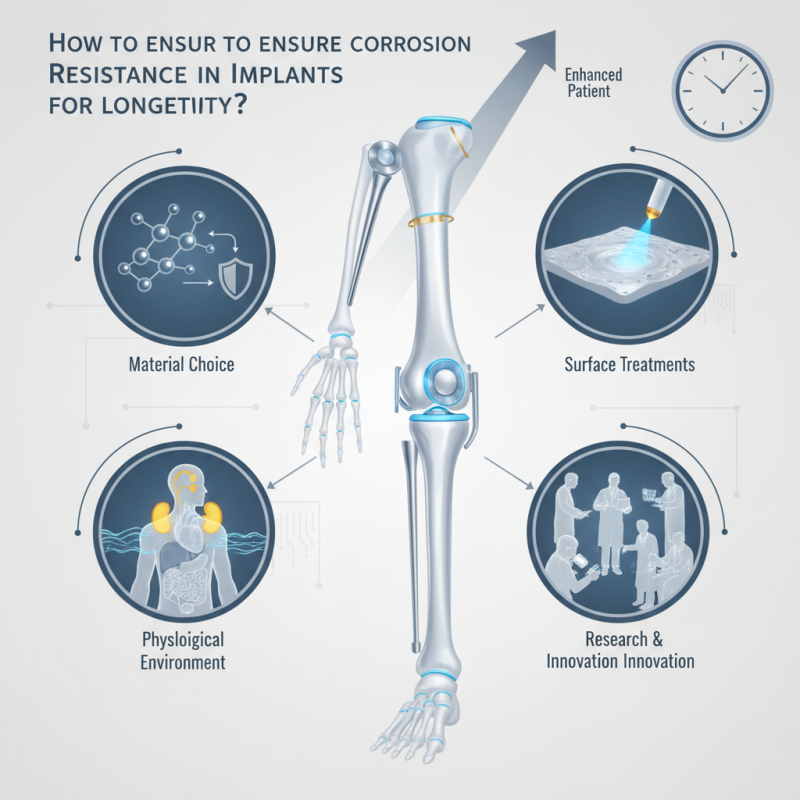
Several factors influence the corrosion resistance of implants. The choice of material, surface treatments, and the physiological environment play significant roles. For example, titanium alloys are widely recognized for their strength and resistance to corrosion. However, even these materials can experience degradation when exposed to harsh bodily fluids.

Addressing corrosion requires ongoing research and innovation. While advancements have been made, challenges remain. Manufacturers need reliable testing methods to assess real-world performance. Understanding how to maintain corrosion resistance in implants is not just a technical challenge; it's critical for ensuring device safety and longevity. Thus, collaboration between scientists, engineers, and clinicians is essential.
How to Ensure Corrosion Resistance in Implants for Longevity?

Understanding Corrosion Mechanisms in Medical Implants

Corrosion resistance in medical implants is crucial for their longevity. Understanding corrosion mechanisms helps engineers create better materials. Metal ions may leach into the body, triggering adverse reactions. A study from the Journal of Biomedical Materials Research highlights that about 20% of patients experience complications linked to implant corrosion.

One primary cause of corrosion is the electrochemical reaction between the implant and body fluids. Inadequate surface coatings can exacerbate this issue. Research indicates that titanium alloys have superior corrosion resistance compared to stainless steel, making them a preferred choice for many applications. However, even titanium can suffer from localized corrosion.

Design factors also come into play. The complexity of the implant shape can lead to crevices where fluids accumulate. This stagnation increases the risk of corrosion. Engineering solutions should focus on reducing such geometrical vulnerabilities. Overall, continuously refining materials and designs is essential to combat corrosion effectively. It remains an area that requires ongoing innovation and diligence.

Material Selection for Enhanced Corrosion Resistance

Selecting the right materials for implants is crucial in ensuring their corrosion resistance. Various metals and alloys have different properties. Titanium is a popular choice due to its excellent biocompatibility and resistance to corrosion. It forms a stable oxide layer, protecting it from aggressive environments in the body. Stainless steel is another option, though it may be susceptible to pitting corrosion over time.

Ceramic materials, such as alumina and zirconia, also offer good corrosion resistance. They are chemically inert and can withstand harsh conditions. However, ceramics may not support load-bearing applications as effectively as metals. Understanding the specific requirements of each implant type will guide material selection.

In practice, the choice often reflects a balance between strength, corrosion resistance, and patient safety. Continuous advancements in material science lead to new options, yet ongoing research is essential. Challenges remain, including the long-term behavior of these materials in diverse biological environments. Therefore, collaborating with experts in biomechanics and materials science is vital for improving implant longevity.

Protective Coatings and Surface Treatments for Implants

Corrosion resistance is crucial for the longevity of implants. Protective coatings and surface treatments play a key role in this aspect. These coatings can significantly reduce wear and damage caused by bodily fluids. A well-applied coating can create a barrier against salts and acids that contribute to corrosion. Common techniques include electroplating, anodization, and thermal spraying. Each method has its unique benefits and challenges.

Choosing the right surface treatment requires expertise. Not every coating will be suitable for all types of implants. For instance, titanium implants benefit from anodization, which enhances corrosion resistance. However, some coatings may struggle under stress or can wear away over time. Evaluating the mechanical properties and biocompatibility is essential. Improperly chosen treatments can lead to issues, including implant failure.

Testing and quality control remain vital in developing coatings. Regular assessments ensure the coatings maintain their integrity. However, this process is not foolproof. There have been instances where coatings failed unexpectedly, leading to corrosion. Continuous refinement of techniques and materials is necessary. Researchers are investigating new materials that can provide better results. This ongoing innovation is essential for enhancing the reliability of implants.

Design Considerations to Minimize Corrosion Risks

Corrosion resistance in implants is critical for their longevity. Selecting the right materials is essential. Stainless steel and titanium alloys are widely used due to their good resistance to corrosion. According to a study published in the Journal of Biomedical Materials Research, titanium has a corrosion rate of less than 0.1 mm per year in biological environments. This is a vital consideration given that implants are exposed to body fluids which can vary in pH and salinity.

Design plays a significant role in minimizing corrosion risks. Using a smooth surface finish can greatly reduce the likelihood of localized corrosion. A rough or pitted surface can trap fluids, accelerating deterioration. Additionally, designs that avoid crevices and sharp edges are crucial. Crevice corrosion can occur even with resistant materials, especially in tight spaces.

Another important factor is to ensure implants are properly passivated. This process improves the natural oxide layer on metals, enhancing their resistance. However, some studies indicate that inadequate passivation can lead to premature failure. Understanding these design considerations and material properties ensures more reliable and durable implants for patients.

Maintenance Strategies for Longevity of Implants

Implants require careful maintenance strategies to ensure longevity and corrosion resistance. Regular cleaning is essential. For example, studies show that antibacterial coatings can significantly reduce microbial colonization, which is vital for preventing corrosion. A well-documented report states that metal ions released during corrosion can lead to local tissue damage and implant failure. This underscores the importance of routine inspections and timely interventions.

Monitoring the environment around the implant is another critical aspect. Factors such as pH levels, temperature, and the presence of body fluids influence corrosion rates. A report from the Journal of Biomedical Materials Research highlights that specific alloys demonstrate enhanced resistance in fluctuating conditions. Hence, understanding these variables is crucial for patient care.

Educating patients about lifestyle choices also matters. Activities that involve excessive stress on implants can accelerate wear and corrosion. While most patients are informed about basic care, ongoing education can help mitigate risks. Despite advancements, there remain gaps in consistent follow-up and assessment protocols, leaving room for improvement in practice. Regular feedback from patients can provide insights into enhancing maintenance strategies.

How to Ensure Corrosion Resistance in Implants for Longevity? - Maintenance Strategies for Longevity of Implants

Maintenance Strategy Description Frequency Expected Lifespan Improvement
Routine Cleaning Regular removal of debris and biological material to prevent corrosion. Daily 5-10 years
Material Inspection Visual checks for wear and corrosion to identify issues early. Monthly 3-5 years
Coating Maintenance Reapplication of anti-corrosion coatings to maintain protection. Every 1-2 years 5-15 years
Environmental Control Managing humidity and temperature in storage and usage areas. Continuous Indeterminate
Training for Users Educating users on proper handling and maintenance of implants. Annually 2-6 years

FAQS

: Why is corrosion resistance important in implants?

: Corrosion resistance ensures the longevity of implants. It protects them from degradation in the body.

What materials are commonly used for implants?

Common materials include stainless steel and titanium alloys. They are known for their high corrosion resistance.

How does surface finish affect corrosion?

A smooth surface finish reduces localized corrosion. Rough surfaces can trap fluids and increase deterioration.

What is crevice corrosion?

Crevice corrosion happens in tight spaces, even with resistant materials. It's essential to design implants that minimize crevices.

Why is proper passivation necessary?

Passivation improves the oxide layer on metals. Inadequate passivation can lead to premature implant failure.

What maintenance strategies are vital for implants?

Regular cleaning and routine inspections are crucial. They help prevent microbial colonization and corrosion.

How does the environment affect corrosion rates?

Factors like pH, temperature, and body fluids influence corrosion rates. Monitoring these factors is essential for patient care.

How can lifestyle choices impact implants?

Excessive stress on implants can accelerate wear and corrosion. Educating patients on this is important for longevity.

What gaps exist in implant care?

There are inconsistencies in follow-up and assessment protocols. Continuous feedback from patients could improve maintenance practices.

Is there room for improvement in implant maintenance?

Yes, ongoing education and better assessment strategies can enhance the longevity and reliability of implants.

Conclusion

Ensuring corrosion resistance in medical implants is crucial for their longevity and overall performance. Key strategies include understanding the various corrosion mechanisms that affect implants, which can inform material selection for enhanced resistance. Choosing appropriate materials is vital; materials with superior corrosion resistance properties can significantly reduce the likelihood of degradation.

In addition, employing protective coatings and surface treatments provides an extra layer of defense against corrosive environments. Thoughtful design considerations that minimize corrosion risks are also critical, as the geometry and surface characteristics of implants can influence their durability. Finally, effective maintenance strategies are essential for sustaining the implants' effectiveness over time. Collectively, these approaches help answer the question of **how to maintain corrosion resistance in implants**, ultimately improving patient outcomes and the lifespan of medical devices.

Henry

Henry

Henry is a dedicated marketing professional with a profound expertise in the company's offerings. With years of experience in the industry, he possesses an impressive understanding of the market dynamics and consumer behaviors that drive success. Henry is committed to sharing his insights through......