CoCrMo alloys are increasingly recognized for their exceptional wear resistance, vital in various industries. The unique properties of these alloys enable them to withstand harsh conditions. This makes them indispensable in sectors like aerospace, automotive, and medical devices.
Understanding how CoCrMo alloys improve wear resistance can provide insights into material selection. These alloys possess a high melting point and excellent hardness. This capability translates into superior performance where friction and abrasion are concerns. Industrial applications require reliable materials to minimize downtime and maintenance costs.
While CoCrMo alloys exhibit remarkable durability, challenges remain. Manufacturing processes might introduce imperfections, impacting performance. Additionally, costs can be a hurdle for some applications. Addressing these issues requires ongoing research and innovation in materials science.
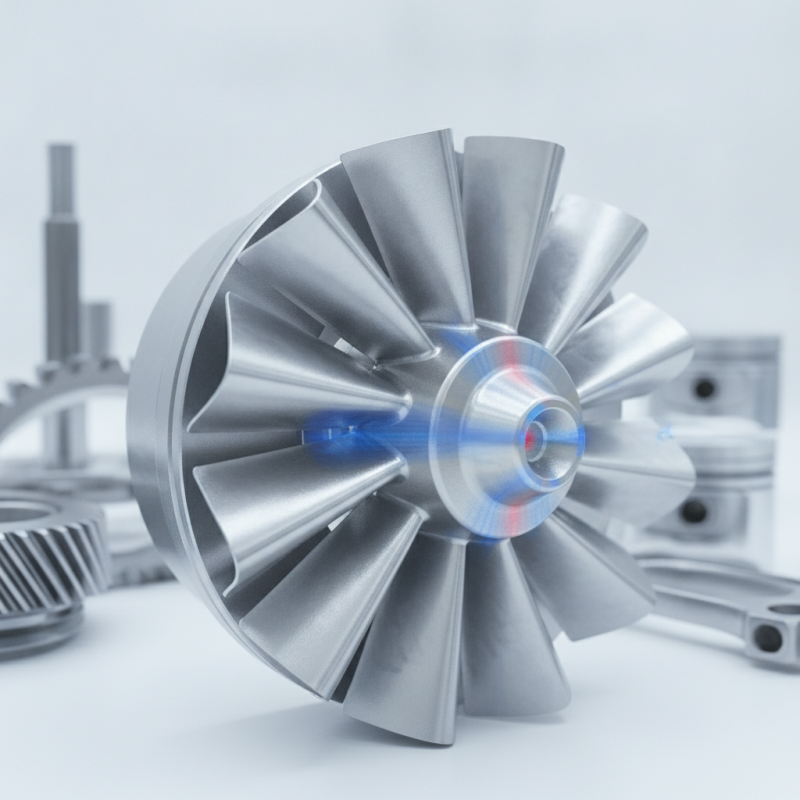
Composition and Structure of CoCrMo Alloys in Industrial Applications
CoCrMo alloys, comprising cobalt, chromium, and molybdenum, are notable for their exceptional wear resistance in industrial applications. The unique composition of around 60% cobalt, 30% chromium, and 10% molybdenum creates a robust material. This alloy demonstrates remarkable mechanical properties, making it suitable for harsh environments. According to a study from the Journal of Materials Science, CoCrMo alloys exhibited about 50% higher wear resistance compared to traditional steel.
The structure of CoCrMo alloys also contributes to their durability. They possess a face-centered cubic (FCC) crystal structure, enhancing their stability under stress. This arrangement allows for greater microstructural toughness, resisting deformation during heavy loads. Research indicates that microstructural refinement can further increase wear resistance by promoting harder phases within the alloy. However, achieving the optimal grain size often requires meticulous control during manufacturing processes, which can be challenging.
Despite their advantages, challenges remain in the production of CoCrMo alloys. The high cost of raw materials limits their widespread use. Moreover, the complex manufacturing processes demand advanced technologies, creating barriers for smaller companies. It’s essential to address these concerns to fully leverage the benefits of CoCrMo alloys in various industries.
Mechanisms of Wear Resistance in CoCrMo Alloys
CoCrMo alloys, primarily composed of cobalt, chromium, and molybdenum, exhibit remarkable wear resistance. This property is crucial in industries where mechanical parts face high-stress environments. The unique microstructure of these alloys includes a solid solution and various phases that enhance their strength. The combination of hardness and toughness makes them suitable for use in demanding applications.
One of the key mechanisms behind wear resistance in CoCrMo alloys is their excellent corrosion resistance. The formation of a protective oxide layer on their surface prevents further degradation. This layer acts as a shield against abrasive wear. Additionally, these alloys have a high melting point, which allows them to maintain their integrity under extreme conditions. However, despite their advantages, machining these materials can be challenging, requiring specialized techniques.
Fatigue failure is another concern in utilizing CoCrMo alloys. While they withstand wear, they may not perform well under cyclic loads. It's essential to consider these limitations in design processes. Moreover, the cost of production can be higher than that of conventional materials. Balancing these factors is crucial for effective implementation in industry settings. It's a field ripe for exploration, and ongoing research is needed to further understand and enhance wear mechanisms.
Wear Resistance Comparison of CoCrMo Alloys in Various Industries
Applications of CoCrMo Alloys in Various Industries
CoCrMo alloys are gaining traction across various industries. Their unique composition allows for exceptional wear resistance, making them ideal for equipment that undergoes regular stress and friction. In the medical field, CoCrMo alloys are widely used for prosthetic implants. These implants require materials that fight corrosion and wear, ensuring longevity and safety for patients.
In aerospace, CoCrMo is employed in engine components. These parts face extreme conditions, from high temperatures to significant mechanical wear. The durability of CoCrMo helps maintain performance and efficiency in jet engines. However, the manufacturing process of CoCrMo alloys can be complex, leading to challenges in consistency and cost.
Despite their benefits, challenges remain. For example, the fusion welding of CoCrMo can be tricky. Poor welding techniques might result in microstructural flaws. These flaws can undermine the very properties that make the material desirable. Continual research is essential to harness the full potential of CoCrMo alloys in various industrial applications.
Comparative Analysis of CoCrMo Alloys and Other Wear-Resistant Materials
In various industries, CoCrMo alloys stand out for their superior wear resistance compared to traditional materials. These alloys are composed mainly of cobalt, chromium, and molybdenum, giving them excellent mechanical properties. Reports indicate that CoCrMo alloys are eight to ten times more durable than stainless steel under similar stress conditions. Their high hardness levels contribute significantly to longevity, especially in orthopedic implants and aerospace applications.
Comparative analysis reveals that while ceramics and titanium alloys have excellent wear resistance, they often lack the toughness of CoCrMo. Ceramics are brittle and can fracture under impact, while titanium alloys, despite being lightweight, do not perform as well under continuous wear. In contrast, CoCrMo alloys maintain their integrity even in harsh environments.
**Tip:** When selecting materials for wear-resistant applications, consider both hardness and toughness. Striking a balance can optimize performance.
However, the production process of CoCrMo alloys can introduce variability in properties. These inconsistencies may affect performance in critical applications. Thus, thorough testing is crucial to ensure reliability. As industries evolve, the demand for innovative wear-resistant materials will continue to grow.
How CoCrMo Alloys Enhance Wear Resistance in Industries?
| Material |
Hardness (HV) |
Wear Rate (mm³/Nm) |
Corrosion Resistance |
Applications |
| CoCrMo Alloy |
650 |
0.02 |
Excellent |
Medical Devices, Aerospace |
| Titanium Alloy |
400 |
0.05 |
Good |
Aerospace, Marine |
| Stainless Steel |
250 |
0.1 |
Moderate |
Automotive, Construction |
| Alumina Ceramic |
1200 |
0.01 |
Excellent |
Medical, Industrial Cutting Tools |
Future Trends and Innovations in CoCrMo Alloy Technologies
The future of CoCrMo alloy technologies looks promising. Industry experts are exploring new methods to enhance their properties. These alloys are known for their impressive wear resistance, making them ideal for various applications. Researchers are now focused on improving their biocompatibility. This is crucial for the medical field, especially in orthopedic implants.
Innovations in manufacturing techniques are on the rise. Additive manufacturing, or 3D printing, is gaining traction. This allows for complex designs that traditional methods cannot achieve. Researchers are also experimenting with alloy compositions. Adjusting the ratios of cobalt, chromium, and molybdenum may yield even better performance.
However, challenges remain. The cost of production can be high, limiting widespread use. Additionally, the long-term durability of these alloys in extreme conditions is still under study. As industries push for more sustainable materials, CoCrMo alloys must adapt. Continued research and development will be key to overcoming these obstacles.
FAQS
: CoCrMo alloys primarily consist of cobalt, chromium, and molybdenum, giving them unique properties.
Their unique microstructure and the formation of a protective oxide layer enhance their wear resistance significantly.
They are used in medical implants and aerospace engine components due to their durability and resistance to wear.
Machining these materials can be tricky and requires specialized techniques for effective results.
CoCrMo alloys are eight to ten times more durable than stainless steel under similar stress conditions.
They may not perform well under cyclic loads and can have a higher production cost compared to conventional materials.
Poor welding techniques can lead to microstructural flaws, potentially undermining the material's desirable properties.
No, while they offer wear resistance, they often lack the toughness that CoCrMo alloys provide under stress.
Ongoing research helps to understand and improve wear mechanisms, ensuring reliable performance in various applications.
It's crucial to balance hardness and toughness for optimized performance in specific applications.
Conclusion
CoCrMo alloys have emerged as crucial materials in various industrial applications due to their unique composition and microstructural properties, significantly enhancing wear resistance. These alloys exhibit mechanisms such as solid solution strengthening and the formation of protective oxide layers, which contribute to their durability and performance in harsh environments.
In industries ranging from aerospace to biomedical, CoCrMo alloys are applied in components that require high wear resistance, showcasing their versatility. A comparative analysis with other wear-resistant materials further illustrates the superior properties of CoCrMo alloys. Looking ahead, ongoing research and innovations promise to refine these alloys, solidifying their role in advancing industrial applications. This exploration encapsulates how CoCrMo alloys improve wear resistance, making them indispensable for the future of manufacturing and engineering.

 Retra Medical