How to Choose the Best Alloy for Cardiovascular Stents?

Time:2026-05-19 Author:Mason
0%

Selecting the right alloy for cardiovascular stents is crucial for patient outcomes. Stents play a vital role in treating coronary artery diseases, impacting millions globally. According to a report by Grand View Research, the cardiovascular stent market is projected to reach over $9 billion by 2025, highlighting the significance of material selection.

Various alloys, like stainless steel and cobalt-chromium, offer distinct mechanical properties. For instance, cobalt-chromium provides excellent fatigue resistance. However, stainless steel is known for its cost-effectiveness. Understanding how to choose the right alloy for cardiovascular stents involves weighing biocompatibility, strength, and design flexibility. A study published in the Journal of Cardiac Surgery emphasizes that material selection profoundly influences stent performance and patient safety.

While much research backs these findings, there's an ongoing need to explore innovative alloys. Limitations exist with current materials. Their long-term compatibility with body tissues often raises questions. Thus, refining knowledge on how to choose the right alloy for cardiovascular stents requires continuous evaluation and dialogue among experts. This ensures that advancements align with patient needs and evolving medical standards.
How to Choose the Best Alloy for Cardiovascular Stents?

Overview of Cardiovascular Stents and Their Functionality

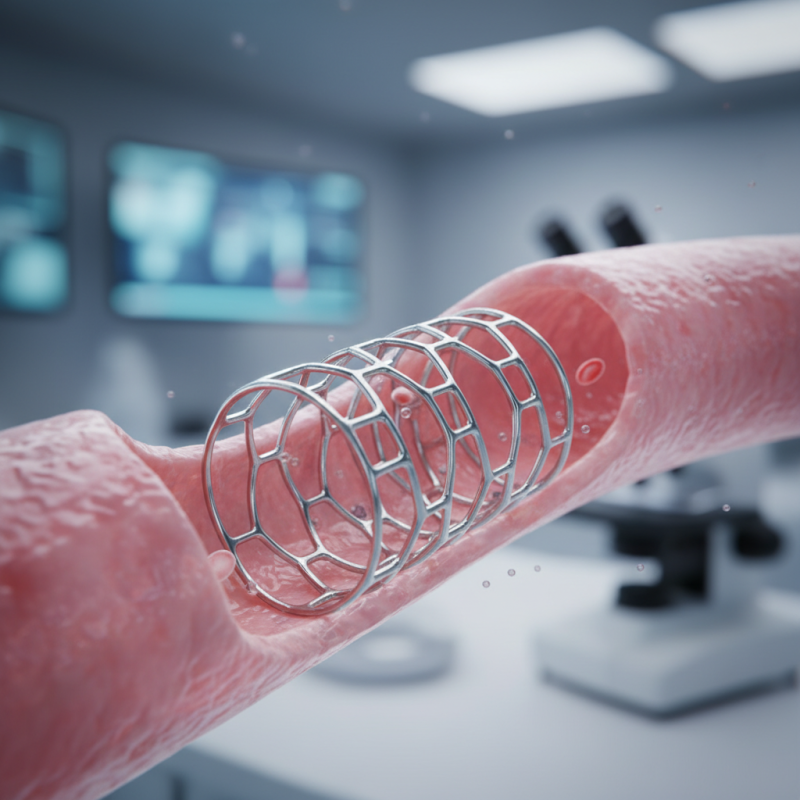
Cardiovascular stents play a crucial role in the treatment of coronary artery disease. These small, mesh-like tubes help keep arteries open and improve blood flow. According to the American Heart Association, over 600,000 stents are placed annually in the U.S. to alleviate symptoms of heart conditions. The ideal stent must balance strength, flexibility, and biocompatibility, ensuring it performs well in the human body.

Material choices are essential when designing stents. Commonly used alloys include stainless steel and cobalt-chromium. Stainless steel offers durability but may not always be flexible enough. Cobalt-chromium provides superior strength and is often preferred for drug-eluting stents. A recent study indicated that stents made of cobalt-chromium showed lower rates of restenosis—re-narrowing of the artery—compared to stainless steel alternatives. However, each material has weaknesses, such as corrosion resistance and tissue reaction.

Innovative manufacturing processes, like bioresorbable stents, are on the rise. These stents gradually dissolve after serving their purpose, reducing risks of long-term complications. Despite advancements, challenges remain. Some physicians express concerns about the long-term efficacy of these newer stent materials, reflecting an ongoing debate in the medical community. Understanding the nuances of different alloys is crucial for optimizing stent performance and patient outcomes.

Key Properties Required for Alloys Used in Cardiovascular Stents

Choosing the right alloy for cardiovascular stents is crucial. Alloys must possess specific properties to ensure safety and efficacy. Key characteristics include biocompatibility, fatigue resistance, and corrosion resistance. Biocompatibility ensures that the material does not trigger adverse reactions in the body. Fatigue resistance is vital because stents must withstand the mechanical stress during placement and over time. Corrosion resistance prevents the degradation of stents within the harsh environment of the bloodstream.

When selecting an alloy, consider its mechanical properties. The flexibility of the stent should accommodate blood vessel movement. It should also provide sufficient radial strength to keep arteries open. Different alloys exhibit varied degrees of strength and flexibility. Testing these materials under simulated conditions can yield valuable insights.

Tips for choosing the best alloy: Always consult recent studies on material performance. Keep an eye on emerging technologies in stent designs. Collaborate with materials scientists for expert opinions. Many properties require careful balancing; achieving optimal performance can be challenging. The choice may also depend on the specific location and type of procedure. Always delve into the latest research for trustworthy data.

Material Properties Comparison for Cardiovascular Stents

Common Alloys Used in Cardiovascular Stent Manufacturing

When it comes to cardiovascular stents, the choice of alloy is crucial. Several common alloys are used in stent manufacturing, each with distinct properties. Stainless steel, particularly 316L grade, is widely utilized for its excellent strength and corrosion resistance. According to studies, this alloy accounts for nearly 70% of the stent market. Its biocompatibility is well-documented, making it a reliable choice.

Cobalt-chromium alloys are gaining popularity due to their exceptional strength-to-weight ratio. These alloys allow for thinner strut designs, which can enhance patient outcomes. Research indicates that cobalt-chromium stents experience a lower rate of restenosis compared to their stainless steel counterparts. However, their cost can be a disadvantage during production.

Another option is magnesium-based alloys. They are biodegradable and have shown promising results in reducing long-term complications. However, their mechanical properties and degradation rates need further optimization. Reports suggest that while magnesium alloys show great potential, they still require extensive testing before widespread use. Each alloy presents unique challenges that require careful consideration during stent design and selection.

Assessing Biocompatibility and Mechanical Strength of Alloys

Choosing the right alloy for cardiovascular stents involves assessing both biocompatibility and mechanical strength. Stents must withstand the dynamic forces within the vascular system while promoting healing. According to a report by the Journal of Materials Science, alloys like stainless steel and cobalt-chromium have been widely adopted due to their superior fatigue resistance. These materials not only provide strength but also minimize the risk of thrombosis.

Mechanical strength is crucial; stents must endure high pressures during balloon expansion and maintain their integrity afterward. A study published in the American Journal of Cardiology indicates that stents made from cobalt-chromium alloy show higher radial strength compared to traditional stainless steel. This feature is essential for preventing collapse under vessel stress. However, the complexities of biocompatibility cannot be overlooked. Different alloys can interact with bodily tissues in varied ways, sometimes leading to inflammatory responses.

In addition, it’s important to reflect on the limitations of current materials. While many alloys exhibit good mechanical properties, their long-term biocompatibility remains under scrutiny. Some alloys may cause immune responses not initially anticipated. According to recent data, around 5-10% of patients experience adverse reactions post-implantation. This highlights the importance of thorough testing and ongoing research to ensure stent performance and patient safety.

Future Trends in Alloy Development for Enhanced Stent Performance

The future of cardiovascular stents is tied closely to the development of new alloys. Researchers are exploring various metallic compositions to enhance stent performance. These materials aim to improve biocompatibility and reduce the risk of inflammation. It's crucial to focus on minimizing complications like restenosis and thrombosis. Enhanced surface finish may yield better endothelial healing, which is a significant aspect of stent longevity.

One exciting avenue of research involves shape memory alloys. They can adapt to body changes and improve flexibility. However, developing these materials presents challenges. Testing their long-term stability and response to physiological environments is essential. Failure to address these factors could lead to clinical issues.

Another focus is biodegradable metals. They offer temporary support but dissolve over time. This can reduce the need for a second surgery. Yet, their mechanical properties must be thoroughly analyzed. Finding the right balance between strength and degradation rate remains a challenge. With ongoing research, the future looks promising, but vigilance in development is critical.

How to Choose the Best Alloy for Cardiovascular Stents? - Future Trends in Alloy Development for Enhanced Stent Performance

Alloy Type Corrosion Resistance Mechanical Strength Biocompatibility Future Trends
316L Stainless Steel Moderate High Good Improved coatings
Cobalt-Chromium Alloy High Very High Excellent Nanostructured surfaces
Magnesium Alloy Moderate Moderate Good Bioresorbability
Titanium Alloy High High Excellent Surface modifications
NiTi Alloy (Nitinol) High Good Excellent Shape memory application

FAQS

: What are the main alloys used in cardiovascular stent manufacturing?

: Common alloys include stainless steel, cobalt-chromium, and magnesium-based alloys. Each has distinct properties.

Why is stainless steel popular for stents?

Stainless steel, especially the 316L grade, is strong and resistant to corrosion. It is biocompatible, making it a reliable choice.

What advantages do cobalt-chromium alloys offer?

Cobalt-chromium alloys provide an excellent strength-to-weight ratio. They allow for thinner designs that can improve patient outcomes.

Are magnesium-based alloys a viable option for stents?

Yes, magnesium alloys are biodegradable and can reduce complications. However, their properties require further optimization.

How important is biocompatibility in alloy selection?

Biocompatibility is crucial. Alloys must interact safely with bodily tissues to avoid inflammatory responses and complications.

What is a concern regarding current stent materials?

Many materials may cause unexpected immune responses. Around 5-10% of patients can experience adverse reactions after implantation.

What future developments are being explored in stent alloys?

Researchers are working on new alloys to improve biocompatibility and reduce complications like restenosis and thrombosis.

What role do shape memory alloys play in stent design?

Shape memory alloys adapt to body changes, enhancing flexibility. However, their long-term stability needs thorough testing.

Why is the use of biodegradable metals significant?

Biodegradable metals provide temporary support and dissolve over time, reducing the need for additional surgeries.

What challenges remain in developing new stent alloys?

Balancing mechanical strength with degradation rates in biodegradable metals is challenging but essential for successful implementation.

Conclusion

When considering how to choose the right alloy for cardiovascular stents, it is essential to understand the functionality and purpose of these medical devices. Cardiovascular stents are designed to provide support within the arterial walls and maintain blood flow in patients with vascular diseases. Key properties required for alloys include excellent biocompatibility, mechanical strength, and corrosion resistance, which ensure that the stent performs effectively without inducing adverse reactions in the body.

Common alloys such as stainless steel and cobalt-chromium are frequently used in stent manufacturing due to their favorable characteristics. Assessing the biocompatibility and mechanical strength of these materials is crucial for ensuring long-term stent performance and patient safety. Looking ahead, future trends in alloy development may focus on enhancing performance with innovations in material technologies, leading to improved outcomes for patients undergoing cardiovascular interventions.

Mason

Mason

Mason is a seasoned marketing professional with a deep expertise in the company's offerings and a passion for driving brand awareness. With a strong background in digital marketing strategies, he has an innate ability to connect with diverse audiences and effectively communicate product benefits.......