In 2026, choosing metal for a surgical instrument is a performance decision, not a price comparison. Grand View Research estimated the global surgical instruments market at USD 17.37 billion in 2023 and projected continued growth through 2030. That market figure signals demand; it does not prove that one alloy suits every instrument. Reprocessing cycles, corrosion exposure, required hardness, and the feel of a handle all matter. Small details matter.
For a practical starting point, ISO 7153-1 addresses metals used in surgical instruments, while ASTM F899 covers stainless steels for surgical and dental instruments. These references can help buyers compare specified materials, but they cannot replace testing under real cleaning and sterilization conditions. How to optimize surgical instrument metal selection means matching alloy properties to the instrument’s use, manufacturing route, and maintenance cycle. A bright finish is not proof of long-term durability. That is easy to overlook.
A source note is important: I cannot verify a named expert’s published quotation specifically about this topic, so I will not invent one. A defensible selection process should instead document its evidence: material specifications, corrosion and hardness test results, and feedback from clinicians and reprocessing teams. Even then, uncertainty remains. The best-performing alloy on paper may not be the best choice after repeated sterilization, sharpening, or repair. The details need checking.
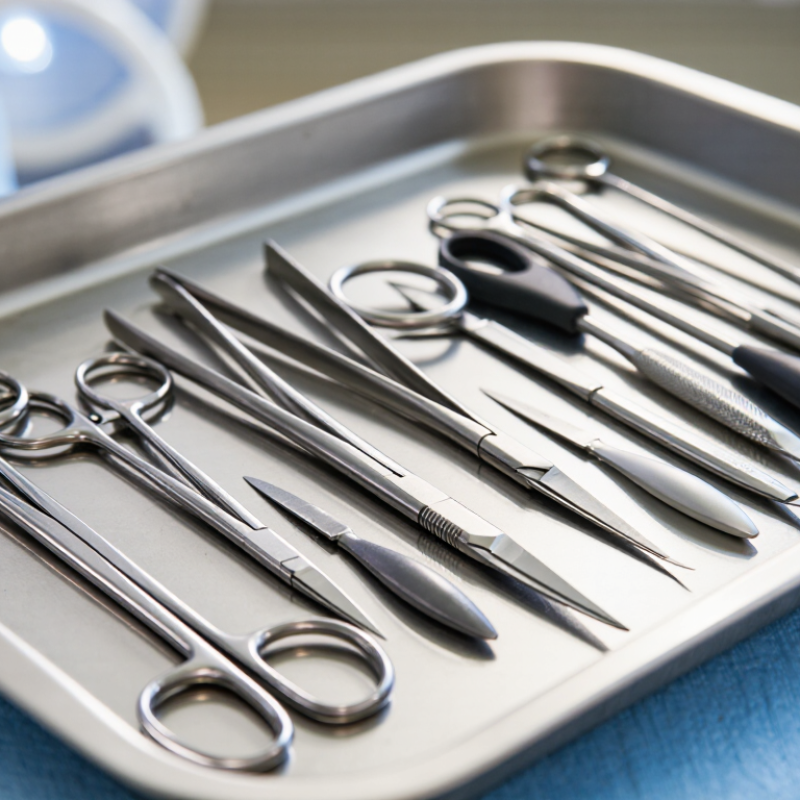
Before choosing a metal, define what the instrument must do in the operating room. A fine needle holder needs secure jaw alignment and repeated clamping; a retractor must resist bending under sustained load. Consider tissue contact, expected service life, cleaning access, sterilization cycles, and whether the instrument must remain sharp. These details matter more than choosing an alloy by reputation. ISO 7153-1 provides guidance on metallic materials used for surgical instruments, while ASTM F899 addresses stainless steels for surgical instruments.
Match material properties to the actual workload. Corrosion resistance matters when instruments encounter moisture, cleaning agents, and repeated sterilization, but geometry and maintenance matter too. CDC reports that surgical site infections affect about 2%–4% of patients undergoing inpatient surgery in the United States. Metal selection alone cannot prevent infection; cleanable surfaces and validated reprocessing are essential. No alloy solves every trade-off. It is easy to underestimate how much jaw shape or surface finish influences performance.
Tips: Ask clinicians to assess the instrument during realistic tasks, not just inspect a sample on a bench. Record the cleaning and sterilization conditions, then review wear after repeated cycles. If the instrument feels right but is difficult to clean, rethink the design.
Choosing metal for a surgical instrument means balancing edge retention, corrosion resistance, weight, and repairability. The handle should feel steady, while a narrow jaw must resist repeated clamping. There is no perfect alloy.
Stainless steel remains common because grades can be matched to different instrument needs. ASTM F899-23 specifies stainless-steel grades and requirements for surgical instruments. ASM Handbook material data put 316L stainless steel’s density near 8.0 g/cm³, compared with about 4.43 g/cm³ for Ti-6Al-4V. Titanium can make long instruments feel lighter, but it may cost more and requires careful design at gripping surfaces. Lighter is not automatically better.
Cobalt-chromium alloys are dense, around 8.3 g/cm³ in ASM Handbook data, and may suit components needing high wear resistance. For reusable tools, alloy choice alone cannot guarantee service life: joints, surface finish, cleaning, and sterilization all matter. I would check the instrument’s intended use and maintenance process before comparing metal names. Small details count. ASTM F899 helps narrow stainless choices, but the standard does not replace performance testing of the finished instrument.
In 2026, choose surgical-instrument metal by checking how it handles repeated steam exposure, cleaning chemicals, and moisture trapped in joints. Stainless steels specified for instruments under ASTM F899 are common, but “stainless” does not mean corrosion-proof. Their protective chromium-rich surface can be damaged by chloride residues, rough cleaning, or scratches. Small pits matter. They can retain soil and make inspection harder.
Sterilization conditions matter too. The CDC’s Guideline for Disinfection and Sterilization in Healthcare Facilities (2008) lists exposure times of 30 minutes at 121°C for wrapped instruments in gravity-displacement cycles, or 4 minutes at 132°C in prevacuum cycles. These are exposure times, not total cycle durations. Confirm that the instrument’s material and construction suit the facility’s validated process. Hinges and narrow channels may behave differently from smooth surfaces. A practical choice is rarely perfect; real-world maintenance can be inconsistent, so local water quality and cleaning practices deserve attention.
Tips: Ask for documented corrosion and sterilization compatibility data, not just a material name. Inspect joints after repeated cycles, especially for discoloration or pitting. Rinse away detergent and salts, then dry instruments promptly. Compare findings with ISO 7153-1 material guidance and your facility’s validated reprocessing instructions.
How to Choose Metal for Surgical Instruments in 2026?
Strength matters, but a high tensile rating alone does not make a good instrument. ASTM A240/A240M sets a minimum tensile strength of 515 MPa and yield strength of 205 MPa for specified 316 stainless-steel product forms. These are material-specification values, not guarantees for a finished instrument. For a clamp, hinge wear and repeated cleaning matter too. ISO 7153-1:2016 lists metallic materials used in surgical instruments, while leaving selection dependent on the instrument’s design and use.
Weight affects control during long procedures. ASM Handbook, Volume 2, lists typical densities near 8.0 g/cm³ for stainless steel and 4.5 g/cm³ for titanium alloys. A lighter alloy may reduce hand fatigue, but balance matters: a very light handle can feel less steady. There’s a catch. Titanium alloys can also cost more to machine, so weight savings should be compared with production time and tool wear.
Machinability can shape both cost and surface quality. ASM Handbook, Volume 16, notes the machining challenges associated with austenitic stainless steels, including work hardening. That means sharp tools, controlled feeds, and careful finishing are important. Maintenance deserves equal attention. Check joints, serrations, and surface finish after cleaning cycles; trapped residue or rough edges can complicate inspection. I would not choose the strongest metal automatically. In practice, the best choice may be a compromise—and that judgment should be tested on the actual instrument, not assumed from a data sheet.
Strength-to-weight ratio compares representative yield strength with material density. Higher values indicate more strength per unit of weight.
Reading the chart: Ti-6Al-4V offers a high strength-to-weight ratio, while 17-4 PH stainless steel provides high strength at a greater weight. 316L stainless steel has a lower ratio but is widely valued for corrosion resistance.
Machinability and maintenance: Ti-6Al-4V is relatively difficult to machine; 17-4 PH machinability depends on its heat-treated condition; 316L can work-harden during machining. All require instrument-specific cleaning, inspection, and validated sterilization. Values are representative and vary by grade, product form, and condition; confirm against material certifications.
A surgical instrument should be selected for the work it performs, not for a metal’s reputation alone. A needle holder used repeatedly under firm pressure needs reliable jaw strength and wear resistance. A delicate forceps may benefit more from corrosion resistance and a light feel. Different demands. Alloy family, heat treatment, surface finish, and instrument design all affect performance.
Service life changes the decision. Repeated cleaning and sterilization can expose instruments to moisture, heat, and chemical residues. The chosen metal should tolerate the facility’s validated reprocessing methods, while its joints and surfaces remain inspectable. Martensitic stainless steels are often used where hardness and edge retention matter. More corrosion-resistant stainless grades may suit other designs. Titanium can reduce weight in some applications, but it is not automatically the best choice. No metal wins every test.
Think about the instrument’s expected workload, repair options, and replacement interval. A frequently used cutting tool may need different wear characteristics from a lightly used retractor. Check the supplier’s material specifications and care instructions, and assess samples under realistic handling and reprocessing conditions. Look for staining, loosened joints, dull edges, or changes in grip. These details matter. The trade-off is not always neat, and service-life estimates can prove optimistic when maintenance habits vary. That deserves a closer look.
Stainless steel is common, while titanium and cobalt-chromium alloys suit some designs. No alloy fits every task.
Different grades offer varied strength and corrosion resistance. It is also widely used in reusable instruments. Grade matters.
Titanium alloys are lighter than stainless steel. They may help reduce hand fatigue during long procedures, but balance still matters.
Not necessarily. A very light handle may feel less steady. Try the instrument in realistic handling conditions.
Jaw strength, wear resistance, and hinge durability matter. Repeated clamping can expose weak joints or rough surfaces.
No. Design, surface finish, cleaning, and sterilization also affect durability. Small details count.
Check joints, serrations, and surfaces for residue, staining, or looseness. Look for dull edges, too.
Review material specifications and care instructions. Test samples under realistic handling and reprocessing conditions. Estimates can be optimistic.
Choosing metal for surgical instruments in 2026 begins with understanding the instrument’s clinical purpose and performance demands. Consider the precision, stiffness, durability, and handling required, then compare suitable options such as stainless steel, titanium, and other medical-grade alloys. Each material offers a different balance of strength, weight, corrosion resistance, and ease of manufacture, so the best choice depends on the instrument’s design and working conditions.
How to optimize surgical instrument metal selection also means evaluating how well a material tolerates repeated cleaning and sterilization, how readily it can be machined and maintained, and how long it is expected to remain in service. A metal that performs well in one instrument may not suit another. Matching material properties to intended use can help support dependable performance, comfortable handling, and a practical service life.

Retra Medical