Metal allergies can turn ordinary objects into daily irritants: a watch clasp may leave a red mark, earrings may make earlobes itch, and a belt buckle may trigger a rash. How to prevent metal allergies in patients begins with careful identification, not guesswork. Nickel is a common contact allergen, but cobalt, chromium, and other metals can also cause reactions. Similar-looking rashes may have different causes. A clinician’s assessment matters.
Dermatologist Peter Schalock has emphasized a practical approach: “Identify the allergen, then reduce or avoid exposure.” This is a concise summary, not a substitute for individual medical advice. Patch testing, arranged and interpreted by a qualified clinician, can help identify relevant contact allergens. Patients can then review jewelry, clothing fasteners, work tools, and medical devices with their care team. Small details count. A metal button touching the waist for hours may matter more than a brief touch. Covering a fastener or choosing verified alternatives may help, but labels such as “hypoallergenic” do not guarantee that an item will suit every patient.
For implanted devices, decisions require extra care. Do not stop treatment or request device removal based only on a suspected allergy. Discuss symptoms and material concerns with the treating specialist. Prevention is not always tidy; exposure can be hidden, and testing has limits. That uncertainty deserves attention, not dismissal. A simple symptom diary can help connect flare-ups with specific objects, while avoiding unnecessary restrictions on materials that have not been shown to cause a reaction.
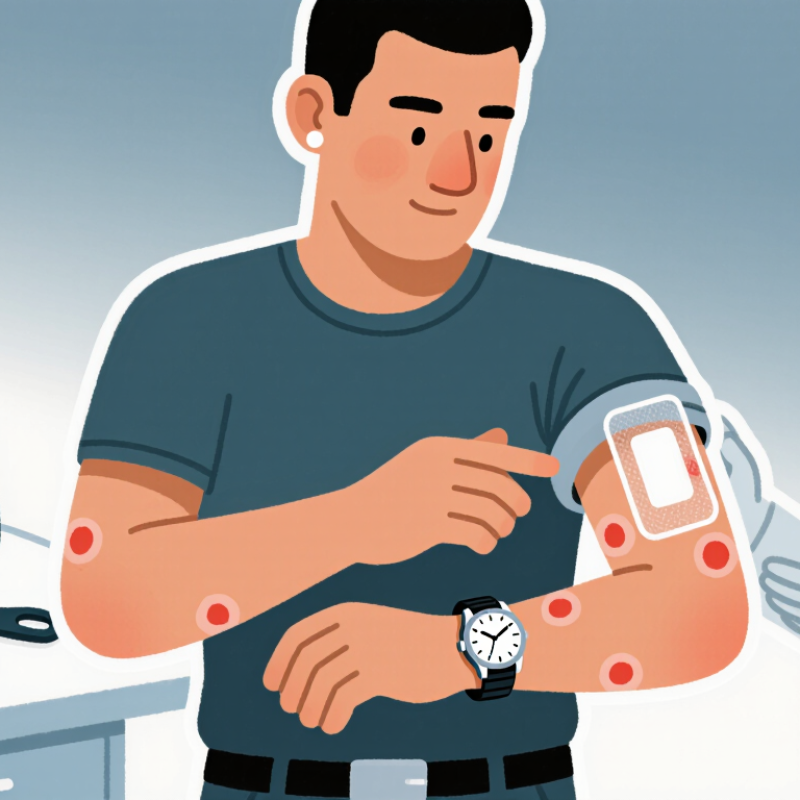
Metal allergies are immune reactions that develop after repeated skin contact with a specific metal. Nickel is a frequent trigger, found in some earrings, watch backs, belt buckles, and clothing snaps. Cobalt and chromium can also cause reactions; they may occur in certain jewelry, tools, or metal fittings. A rash often appears where an item touches the skin. It may itch intensely. Sometimes the skin becomes dry, swollen, or blistered, especially beneath a watch strap or around an earlobe.
Not every red patch signals an allergy. Sweat, rubbing, and trapped moisture can irritate skin without involving the immune system. That distinction is easy to miss. A dermatologist can evaluate the rash and may use patch testing to identify a specific trigger. Keep track of when symptoms begin and which objects touch the area; small details can help. Metal implants are less commonly linked to skin symptoms, and discomfort alone does not prove an allergy. If symptoms seem connected to an implant, discuss them with a qualified clinician rather than drawing conclusions from the rash alone. The picture is not always tidy.
Estimated prevalence of contact allergy in the general population
Nickel is a frequent trigger; cobalt and chromium are also recognized metal allergens. Rates vary by population and testing methods. Estimates are from a systematic review of general-population studies (Thyssen et al., Contact Dermatitis, 2007;57:287–299). A dermatologist can confirm suspected allergy with patch testing.
Metal allergies often appear as a delayed skin reaction, sometimes a day or two after contact. Look for itching, redness, dry scaling, or small blisters beneath a watch, belt buckle, or piece of jewelry. The rash may match the shape of the metal. It can linger after the item is removed.
Not every rash is an allergy. Friction, sweat, soaps, and irritant dermatitis can look similar. Notice when symptoms begin, where they appear, and whether they ease after avoiding the suspected item. Small details matter. A phone note or clear photograph may help a clinician spot a pattern, though memory and photos are not a diagnosis.
Risk rises with a previous metal reaction, repeated skin contact, or work involving metal dust or tools. Nickel is a frequent trigger; cobalt and chromium can also cause reactions. Piercings may expose skin to metal for long periods. Reactions around dental or orthopedic devices need careful assessment, since symptoms alone cannot confirm the device is responsible. A dermatologist may use patch testing to identify specific sensitivities. Do not remove or replace an implant without speaking with the treating clinician. Even careful tracking can miss another cause.
Testing begins with a careful history: where a rash appears, when it starts, and which objects touch the skin. Earrings, watch backs, belt buckles, and dental appliances can offer useful clues. Patch testing is the standard method for investigating allergic contact dermatitis. Small details matter. A clinician applies small amounts of selected metal allergens to the back, usually under adhesive patches.
A 2019 systematic review and meta-analysis in Contact Dermatitis estimated nickel allergy in 11.4% of the general population. That figure supports checking relevant exposure, not assuming nickel is always the cause.
Patches are commonly removed after about 48 hours, with skin readings taken then and again several days later. Timing matters. Redness, swelling, or tiny blisters may indicate a reaction, but a positive result shows sensitivity, not necessarily the cause of a patient’s current symptoms. The clinician must connect the test result with the rash’s location and real-world exposure.
Irritated skin can also complicate interpretation, so patients should follow instructions about medicines and skin products before testing. Blood tests are not a substitute for standard patch testing in routine metal contact allergy assessment. For people concerned about implanted materials, skin-test results cannot reliably predict how an implant will perform; specialist evaluation is important.
Even careful testing leaves some uncertainty. That deserves honest discussion.
Choosing safer materials for medical and dental care starts with a clear record of past reactions. Note the item involved, when symptoms appeared, and what the skin or mouth looked like. A red, itchy patch beneath a watch or rash near a surgical dressing can offer useful clues, but it cannot confirm an allergy.
Nickel is a frequent cause of contact allergy, and some metal alloys may contain it. Ask the clinician or dentist what materials are planned and whether alternatives suit the procedure. Titanium, certain ceramics, and medical-grade polymers may be options, depending on strength, location, and healing needs. No material is right for every patient. Details matter.
Tell your care team about known allergies before treatment, and bring prior test results if available. A dermatologist may recommend patch testing; blood tests do not diagnose every type of metal allergy. For dental concerns, remember that mouth irritation can have causes other than an allergy. A careful review helps avoid unnecessary material changes. I may be simplifying here: choices often involve trade-offs, and the safest option depends on both allergy history and clinical needs. If symptoms persist after a device or restoration is placed, seek professional assessment rather than removing it yourself.
Material selection should be based on the patient’s allergy history, the exact product composition, and the intended clinical use. No material can be guaranteed to suit every patient.
| Material | Potential allergy considerations | Common medical or dental uses | Selection notes | Practical steps for patients and clinicians |
|---|---|---|---|---|
| Commercially pure titanium | Generally has low reported sensitization potential, but allergic or hypersensitivity reactions have been reported rarely. | Some dental implants and selected orthopedic or surgical components. | Confirm the specific material and device specifications. Titanium is not a guarantee against all implant-related reactions. | Share any previous reactions to implants or metals with the treating clinician; investigate persistent symptoms rather than assuming they are an allergy. |
| Titanium alloys | Alloy composition varies. Sensitivity to a constituent or a reaction to an implant may require specialist assessment. | Some orthopedic and dental devices, depending on the device and clinical indication. | Ask for the exact alloy specification, such as whether the device is commercially pure titanium or a titanium alloy. | Review the device’s material information with the clinician, especially when there is a documented metal allergy. |
| Zirconia ceramic | It is a ceramic rather than a metal and does not contain nickel as an alloying metal. Suitability still depends on the specific product and clinical situation. | Dental crowns and other restorations; zirconia is also used in some dental implant systems. | Check that the proposed component is zirconia and identify any separate metal parts in the overall assembly. | Ask the dental team to review the complete restoration or implant system, not just the visible crown material. |
| PEEK (polyether ether ketone) | A polymer, not a metal; it avoids nickel and other metal constituents in the polymer itself. Additives or other components can differ by product. | Selected dental frameworks and medical devices, where clinically appropriate. | Its strength, design, and approved use vary by application; it is not a substitute for every metal device. | Confirm the complete product composition and whether the material is suitable for the required load and treatment. |
| Stainless steel | Many stainless-steel grades contain nickel. Nickel release and exposure can be relevant for people with nickel allergy. | Some instruments, temporary devices, wires, and medical components. | “Stainless steel” alone does not identify the grade or its exact composition. | For known nickel allergy, ask whether a nickel-containing component is essential and whether a suitable alternative exists. |
| Cobalt-chromium alloys | Composition varies by alloy. Some formulations may include nickel; cobalt and chromium can also be relevant allergens for some people. | Some dental frameworks, crowns, and orthopedic components. | Do not assume that every cobalt-chromium alloy is nickel-free; request the specific composition. | Consider the patient’s documented sensitivities to nickel, cobalt, and chromium when discussing options with the clinician. |
| Gold-based dental alloys | Gold alloys contain varying proportions of other metals; some formulations may include nickel or other potential allergens. | Selected dental crowns, inlays, and other restorations. | The word “gold” does not describe the full alloy composition. | Ask the dental laboratory or clinician for the alloy’s composition and confirm whether it is appropriate for the patient’s allergy history. |
Important: Nickel is a common cause of allergic contact dermatitis, but symptoms around a medical or dental device can have causes other than allergy. Patients should not stop or remove a device without medical advice. A clinician can review the exposure history and arrange appropriate testing or specialist referral when indicated.
Metal allergy prevention starts with knowing which metal causes a reaction. A dermatologist or allergy specialist may use patch testing to help identify the trigger. Nickel is a common cause, but other metals can also matter. Check jewelry, watch backs, belt buckles, and clothing fasteners that touch the skin. If a medical device or dental material is a concern, discuss it with your care team before making changes. Avoidance is not always simple; labels may be incomplete, and reactions can take time to appear.
Tips: Keep a brief record of new rashes, including where they appeared and what touched that area. Cover irritating fasteners with fabric, and choose items labeled as suitable for sensitive skin. These steps can reduce contact, but they cannot confirm an allergy.
If a rash develops, stop contact with the suspected item and gently wash the area. Ask a healthcare professional about suitable treatment, especially if symptoms persist, spread, or return. Do not assume every rash is a metal allergy; irritation and other skin conditions can look similar. Seek urgent care for facial swelling, breathing difficulty, or a rapidly worsening reaction. Simple measures help, but they may not prevent every flare.
Itching, redness, dry scaling, swelling, or small blisters may appear where metal touches skin. A rash beneath a watch strap is one example.
Symptoms may develop a day or two after contact. The rash can linger after removing the item.
Nickel is a frequent trigger. Cobalt and chromium can also cause reactions in some people.
No. Sweat, rubbing, trapped moisture, and soaps can irritate skin too. The difference is not always obvious.
Note when symptoms begin and which objects touch the area. A phone note or clear photo may help a clinician see a pattern.
A dermatologist may use patch testing to identify specific sensitivities. Photos and symptom notes can help, but they are not a diagnosis.
Tell your care team about past reactions and ask which materials are planned. Titanium, some ceramics, or medical-grade polymers may suit certain cases.
It is possible, but symptoms alone cannot confirm the cause. Do not remove or replace an implant yourself; discuss concerns with your treating clinician. The picture can be messy.
Metal allergies can develop when the immune system reacts to metals such as nickel, cobalt, or chromium found in some medical and dental devices, jewelry, or everyday objects. Symptoms may include redness, itching, swelling, or a rash where contact occurs, though reactions vary among patients. A person’s medical history, previous skin reactions, and repeated exposure can help identify possible risk factors. When sensitivity is suspected, a healthcare professional can review symptoms and consider appropriate testing, such as patch testing, to help determine which metals may cause a reaction.
How to prevent metal allergies in patients starts with identifying known sensitivities before choosing materials for care. Patients and clinicians can discuss suitable alternatives and review the materials used in implants, dental restorations, or other devices. Reducing unnecessary contact with triggering metals and following professional advice can help limit exposure. If a reaction occurs, patients should seek guidance from a healthcare professional, who can assess the symptoms and recommend suitable steps for managing them.

Retra Medical