The use of titanium in orthopedic surgery is on the rise. Reports show that more than 90% of orthopedic surgeons prefer titanium over other metals for implants. What are the advantages of titanium in orthopedic surgery? Titanium offers a unique combination of strength, lightweight nature, and biocompatibility. These properties reduce the risk of complications and promote faster healing.
Studies indicate that titanium's modulus of elasticity is closer to that of bone. This characteristic minimizes stress shielding, a common issue in orthopedic implants that can lead to bone loss. Additionally, titanium exhibits excellent corrosion resistance, leading to longer-lasting implants. The material’s ability to integrate with bone, known as osseointegration, enhances stability in joint replacement.
However, not all outcomes are flawless. Some patients may experience allergic reactions to titanium. This highlights the need for careful consideration when selecting materials for implants. Overall, titanium’s advantages are significant, particularly in improving patient outcomes in orthopedic procedures. As technology advances, understanding its benefits becomes crucial for surgeons and patients alike.
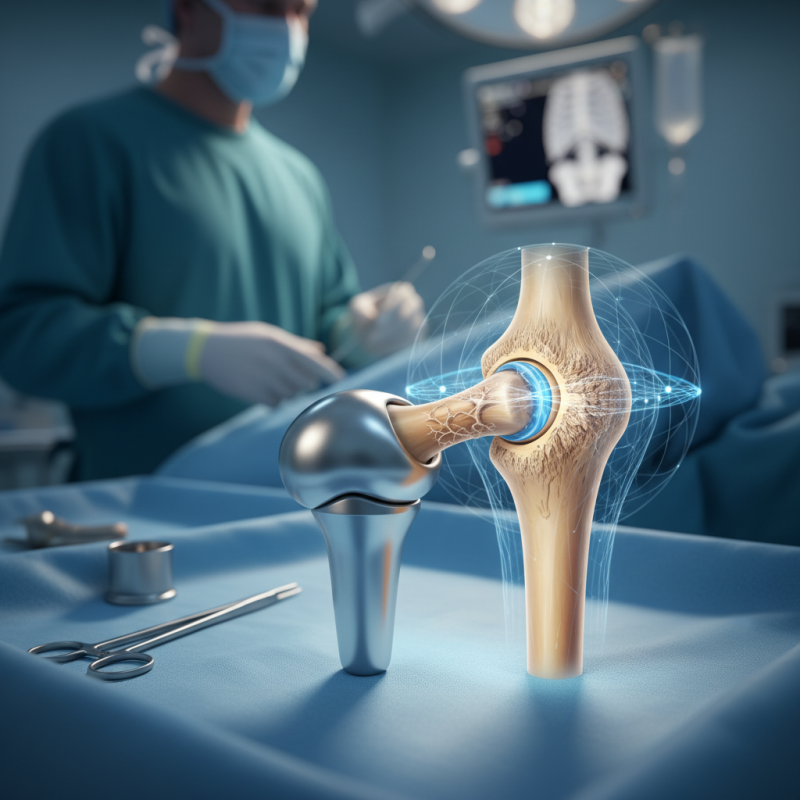
Titanium has revolutionized orthopedic surgery due to its unique properties. Its high strength-to-weight ratio makes it an ideal choice for implants. According to the American Academy of Orthopaedic Surgeons, titanium is significantly more robust than other metals, providing enhanced durability in surgical applications. This means that implants can withstand higher stress, leading to improved patient outcomes.
Another advantage lies in titanium’s biocompatibility. Research shows that titanium integrates well with bone tissue. This property reduces the risk of rejection and complications. A study published in the Journal of Biomedical Materials Research indicates that titanium implants promote bone growth. This is crucial for successful orthopedic surgeries, as it leads to faster recovery times for patients.
Moreover, titanium has excellent corrosion resistance. In a clinical environment, this is particularly important. Implants are exposed to bodily fluids that can degrade other materials over time. A report by the National Institutes of Health confirms that titanium maintains its integrity longer than alternatives. However, this durability can sometimes lead to challenges in removal if a revision surgery is necessary. Balancing these aspects is essential for optimizing patient care in the orthopedic field.
Titanium is revolutionizing orthopedic surgery, particularly due to its superior biocompatibility. Studies show that titanium implants exhibit minimal adverse reactions in the body. According to the Journal of Biomedical Materials Research, titanium has a high success rate, with over 95% of implants functioning well long-term. Its ability to integrate with bone tissue helps facilitate healing.
Moreover, titanium is lightweight yet incredibly strong. This combination reduces the risk of implant failure during physical activity. Data from orthopedic studies suggests that patients experience less pain and faster recovery when titanium is used. Yet, there are concerns around allergies. While rare, titanium allergies can occur in susceptible individuals, and careful patient evaluation is essential.
Tip: Always discuss with your surgeon the materials used in your implants. This knowledge can help manage expectations and mitigate potential risks.
Despite its advantages, titanium isn't perfect. The high cost of titanium implants can be a barrier. Research should continue to discover more cost-effective alternatives without sacrificing biocompatibility. It's crucial to weigh the benefits against the limitations when choosing the right materials for orthopedic procedures.
Titanium has transformed orthopedic surgery with its lightweight design. This feature significantly enhances patient mobility and comfort, providing distinct advantages over traditional materials. According to recent studies, titanium is about 45% lighter than stainless steel. This weight difference can lead to reduced fatigue for patients during recovery.
A lighter implant allows for easier movement post-surgery. Patients often report less strain on their muscles and joints. This can accelerate rehabilitation timelines. A study by the Journal of Orthopedic Research indicates that lighter materials can improve patient satisfaction scores by up to 30%. Increased comfort can directly impact a patient’s mental well-being during recovery.
Despite these advantages, there are challenges to consider. Lighter materials may sometimes compromise strength in certain scenarios. Surgeons must carefully evaluate the trade-offs between weight and structural integrity. Continuous research is essential to optimize the balance of these factors. Thus, while titanium's lightweight offers clear benefits, ongoing evaluations are necessary to ensure the best outcomes in orthopedic surgery.
Corrosion resistance is one of the most notable advantages of titanium in orthopedic surgery. Titanium implants can last for decades, thanks to their ability to withstand harsh bodily environments. Reports from the Journal of Orthopedic Research indicate that titanium's corrosion rate is significantly lower than that of stainless steel. In fact, studies show that titanium devices have a corrosion rate reduced by up to 1,000 times. This durability contributes to longer-lasting orthopedic solutions for patients.
The unique oxide layer on titanium implants plays a crucial role in this resistance. This layer forms a protective barrier, effectively preventing degradation from bodily fluids. This protection is vital for patients, especially those with active lifestyles. However, while titanium’s longevity is remarkable, not all titanium devices perform the same. Variations in manufacturing processes can lead to inconsistencies. Some implants may not maintain ideal corrosion resistance, highlighting the need for strict quality controls.
Understanding the limitations and advantages of titanium is essential for healthcare professionals. While many studies support its benefits, ongoing research is critical. Experts acknowledge that further investigations will help refine the use of titanium in orthopedic surgery. This ensures the reliability of implants and enhances patient outcomes.
| Advantage | Description | Impact on Patient Outcomes |
|---|---|---|
| Corrosion Resistance | Titanium is highly resistant to corrosion, which increases the longevity and durability of orthopedic implants. | Longer lifespan of implants leads to lower rates of revision surgery. |
| Biocompatibility | Titanium is widely recognized for its compatibility with human tissue and minimal allergic reaction potential. | Improved patient comfort and reduced complications post-surgery. |
| Light Weight | Titanium implants are much lighter than other metals but provide the same strength and durability. | Enhanced mobility for patients and easier handling during surgeries. |
| Strength and Toughness | Titanium has a high strength-to-weight ratio, providing robust support while remaining lightweight. | Increased stability and support during the healing process fosters faster recovery. |
| Osteoconductivity | Titanium promotes bone growth and integrates well with the existing bone. | Enhanced healing and long-term stability of the implant in the bone. |
Titanium is a game changer in orthopedic surgery, particularly in joint replacement and bone fixation. Its unique properties, including high strength-to-weight ratio and corrosion resistance, make it ideal for these applications. According to a report by the Journal of Bone and Joint Surgery, titanium implants can significantly enhance longevity and functional outcomes in patients.
In joint replacement surgeries, titanium components help reduce wear rates compared to other materials. This is crucial in minimizing the risk of implant failure. A study noted that the rate of revision surgery is lower by about 15% when titanium is used. However, it is essential to consider potential allergic reactions in some patients, which remains a topic of discussion in the medical community.
**Tip:** Always consult with a healthcare professional about any concerns regarding material sensitivities before surgery.
Bone fixation procedures also benefit significantly from titanium’s mechanical properties. Screws and plates made from titanium provide the necessary rigidity without adding excessive weight. Current research suggests that titanium can enhance bone integration, leading to faster recovery times. Yet, surgeons should remain mindful of each patient's unique anatomy when selecting implant materials.
**Tip:** Individual anatomy can affect implant integration. Ensure comprehensive imaging studies are done pre-operatively.
: Titanium has superior biocompatibility, minimizing adverse reactions in the body. It integrates well with bone tissue.
Studies show over 95% success in long-term functioning of titanium implants. Patients often experience faster recovery times.
Yes, some patients may have rare allergic reactions. The high cost of titanium can also be a barrier.
Titanium reduces wear rates, decreasing the risk of implant failure and the need for revision surgeries.
Titanium's strong yet lightweight properties help provide necessary rigidity without excessive weight, aiding recovery.
Absolutely! Understanding materials can help manage expectations and address any potential allergy concerns.
Yes, comprehensive imaging studies are important. Each patient's anatomy can impact how well the titanium integrates.
The high cost of titanium implants may be limiting. Alternatives are needed that can maintain biocompatibility.
Titanium generally has fewer complications and a lower revision surgery rate than many other materials used for implants.
While titanium is effective, ongoing research can reveal more cost-effective solutions without compromising patient outcomes.
Titanium has emerged as a pivotal material in orthopedic surgery due to its unique properties that significantly enhance patient outcomes. What are the advantages of titanium in orthopedic surgery? First and foremost, its superior biocompatibility ensures minimal adverse reactions when used in surgical implants, allowing for better integration with bone tissues. Additionally, titanium's lightweight design contributes to improved patient mobility and comfort, making recovery more manageable.
Furthermore, the corrosion resistance of titanium translates to increased longevity of orthopedic devices, reducing the need for replacements and further surgeries. The applications of titanium in joint replacement and bone fixation have revolutionized surgical procedures, providing stronger and more reliable solutions for patients. These advantages collectively underscore the critical role of titanium in advancing orthopedic practices and improving patient care.

Retra Medical